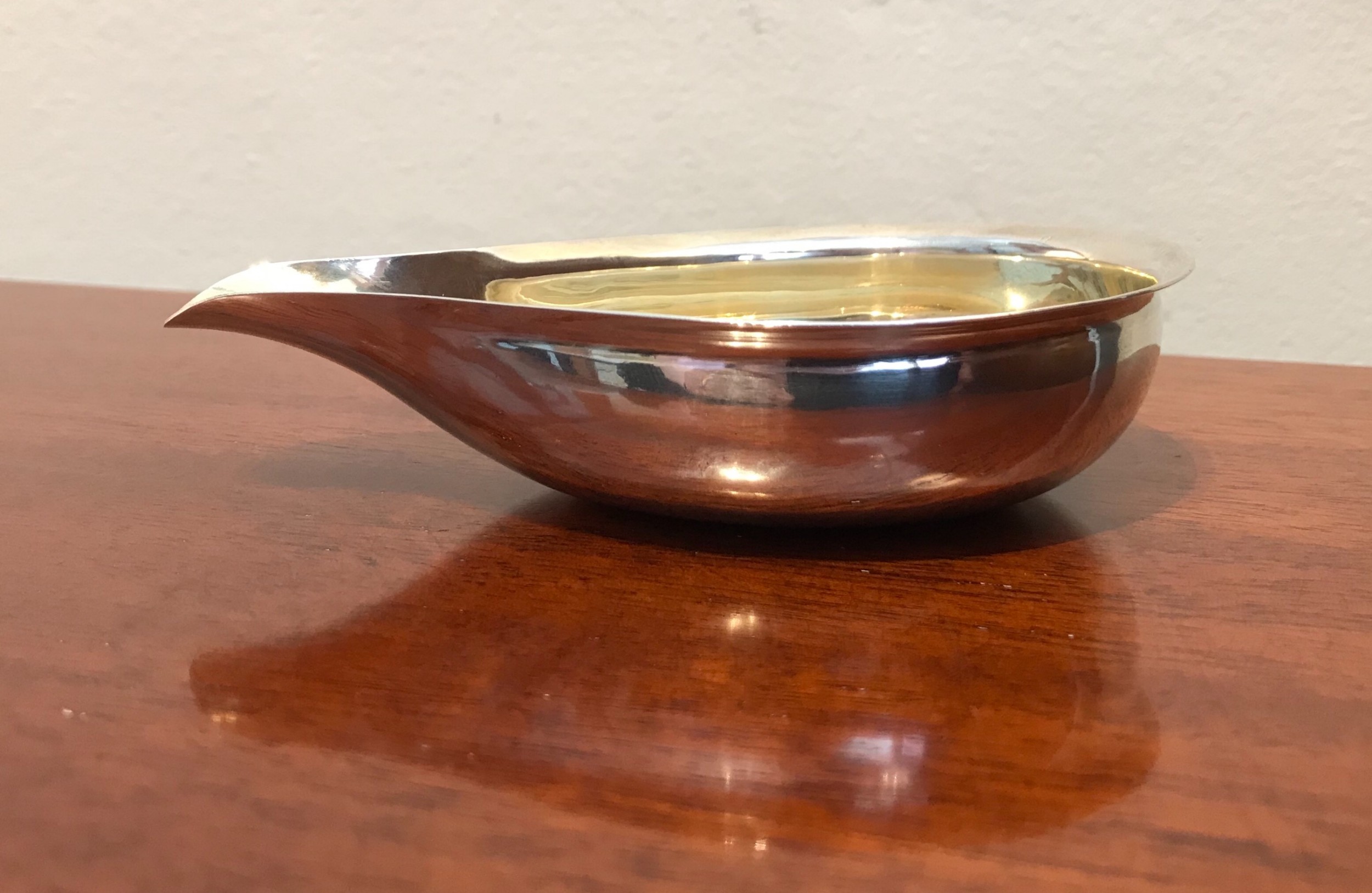
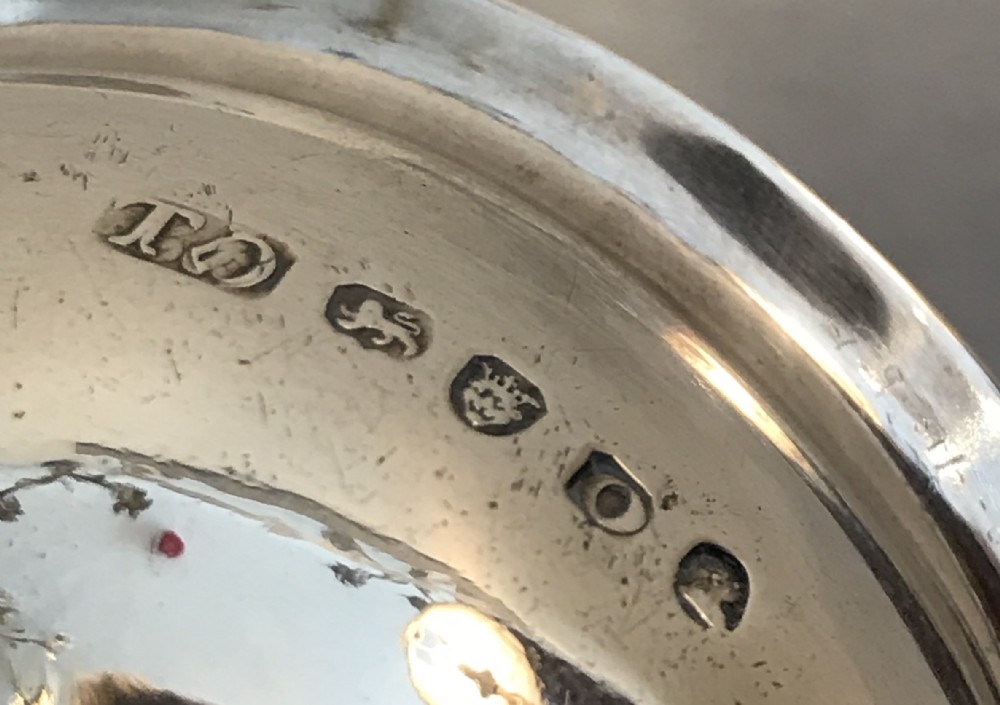
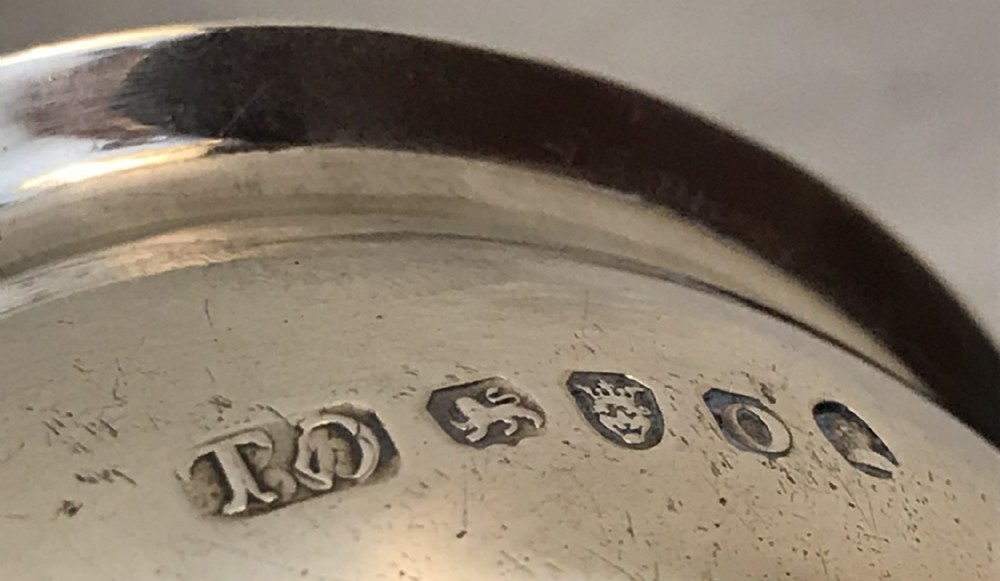
William Rand Antiques has dated this piece to the Georgian era.
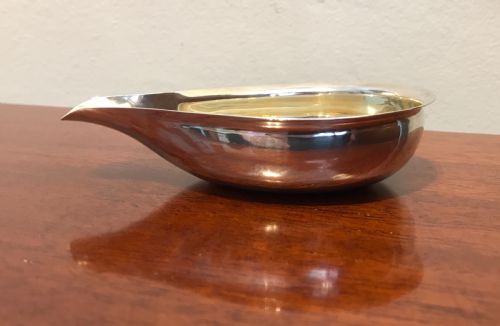
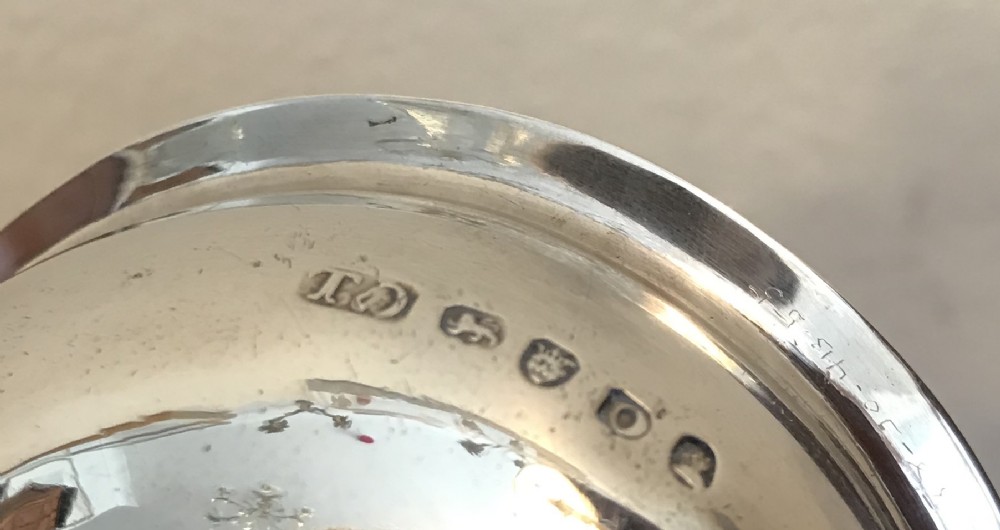
Research into the over stamping has yielded the following information:
Thomas Oliphant/Ollivant was a retailer in Manchester and although he registered his own mark (TO) at the London Assay Office as a plate-worker in May 1789, It is believed he was a retailer, not a silversmith. It is understood that Thomas purchased silver stock from London silversmiths for resale, a practice that was also common to other silversmiths and retailers and he favoured items produced by the Bateman family, including Hester Bateman. The timeline of him registering as a plate worker in May 1789 fits with the date letter of 1789 for this pap boat.
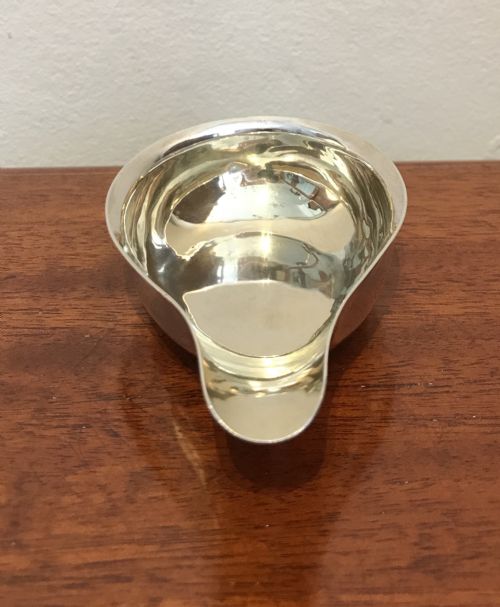
The practice of over stamping has been often thought as an illegal practice, but this opinion is refuted by a Circular from the Assay Office at the Goldsmiths' Hall, addressed to the Trade on February 14th, 1835: ‘...Every shopkeeper who shall strike his own mark over the workman's mark, is liable to a penalty of ten pounds, unless his own mark is entered at Goldsmiths' Hall’.
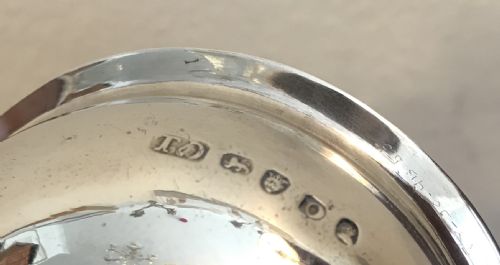
I would appear in 1789 Thomas Ollivant registered his mark at the London Assay Office merely to comply with the law! There is no other reason to register a mark in London rather than in Chester or Sheffield, nearest assay offices to his home and business in Manchester. This enabled Thomas Ollivant to sell Bateman quality pieces, bearing his mark, a shrewd 18th century businessman. A fascinating insight into life and business of silversmiths in the 18th century, making this piece all the more interesting. Acquired locally on the Isle of Man and in wonderful condition throughout.
A perfect addition to any collection, or a very special christening gift.
William Rand Antiques has dated this piece to the Georgian era.
The isle of man's premier antique shop
You can view the stock and full dealer information on the William Rand Antiques Profile Page
William Rand Antiques is a registered member of LAPADA
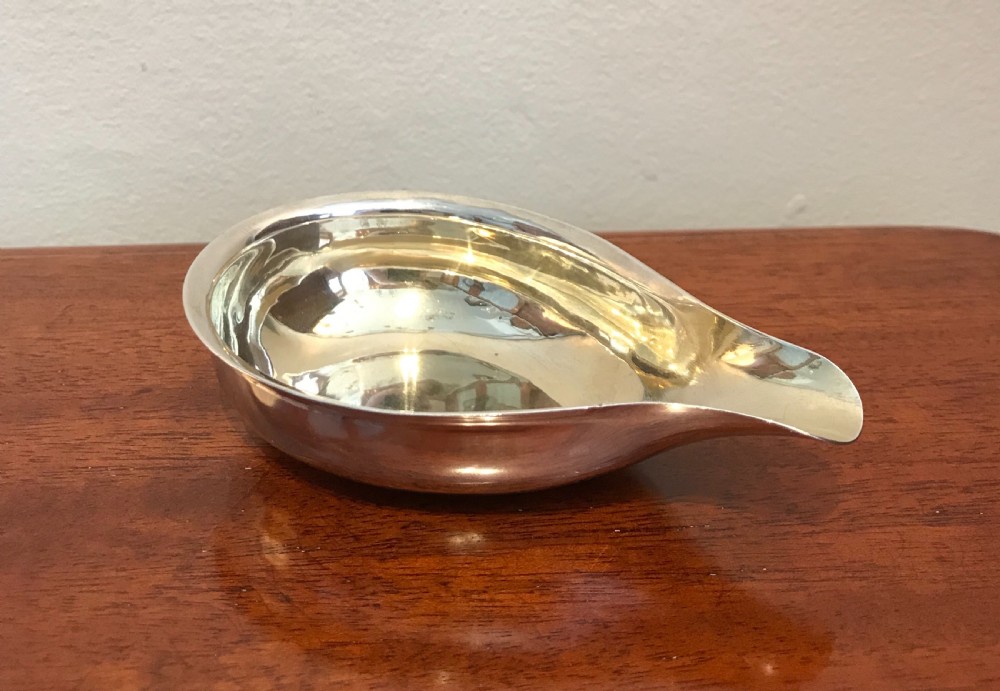
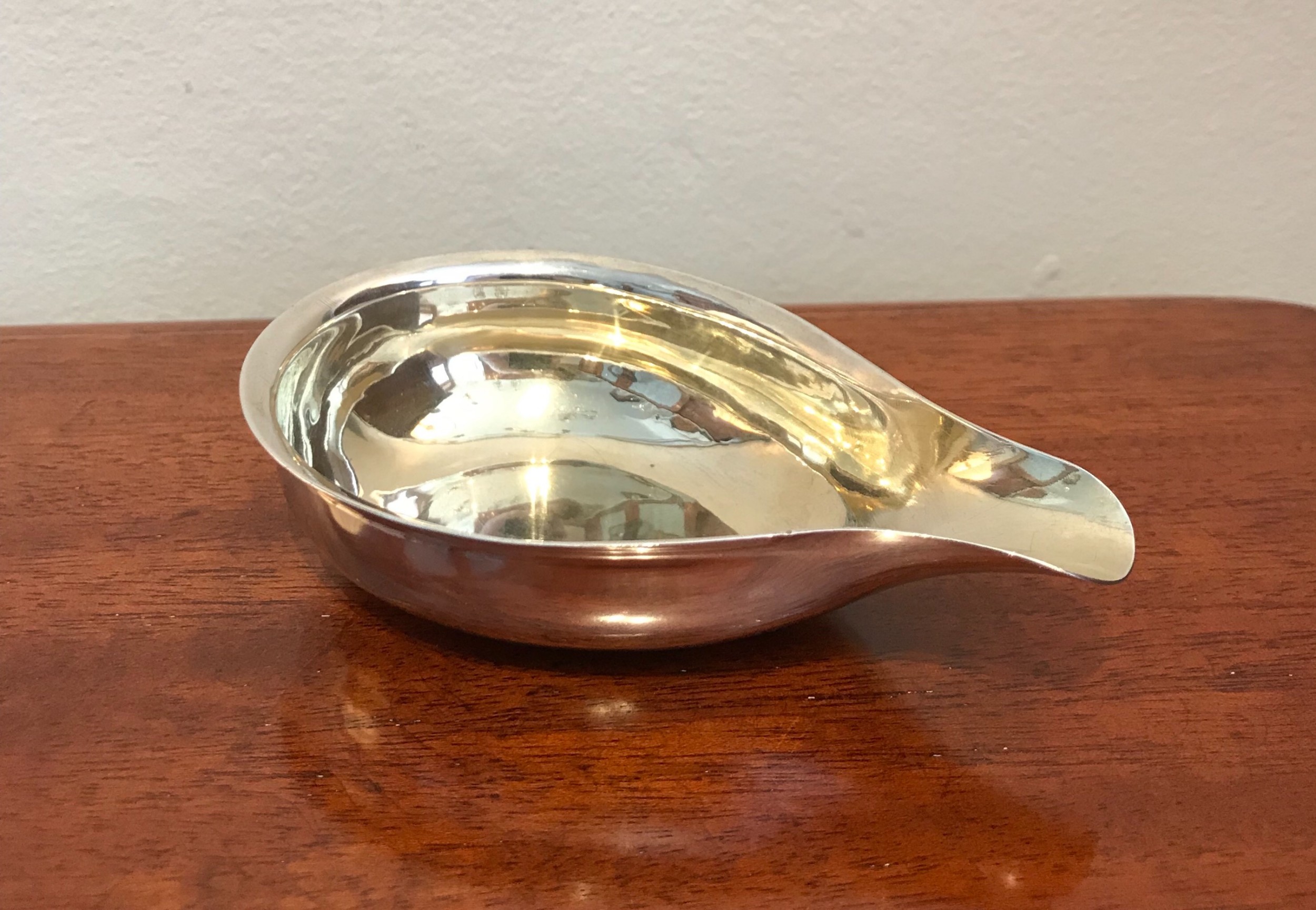
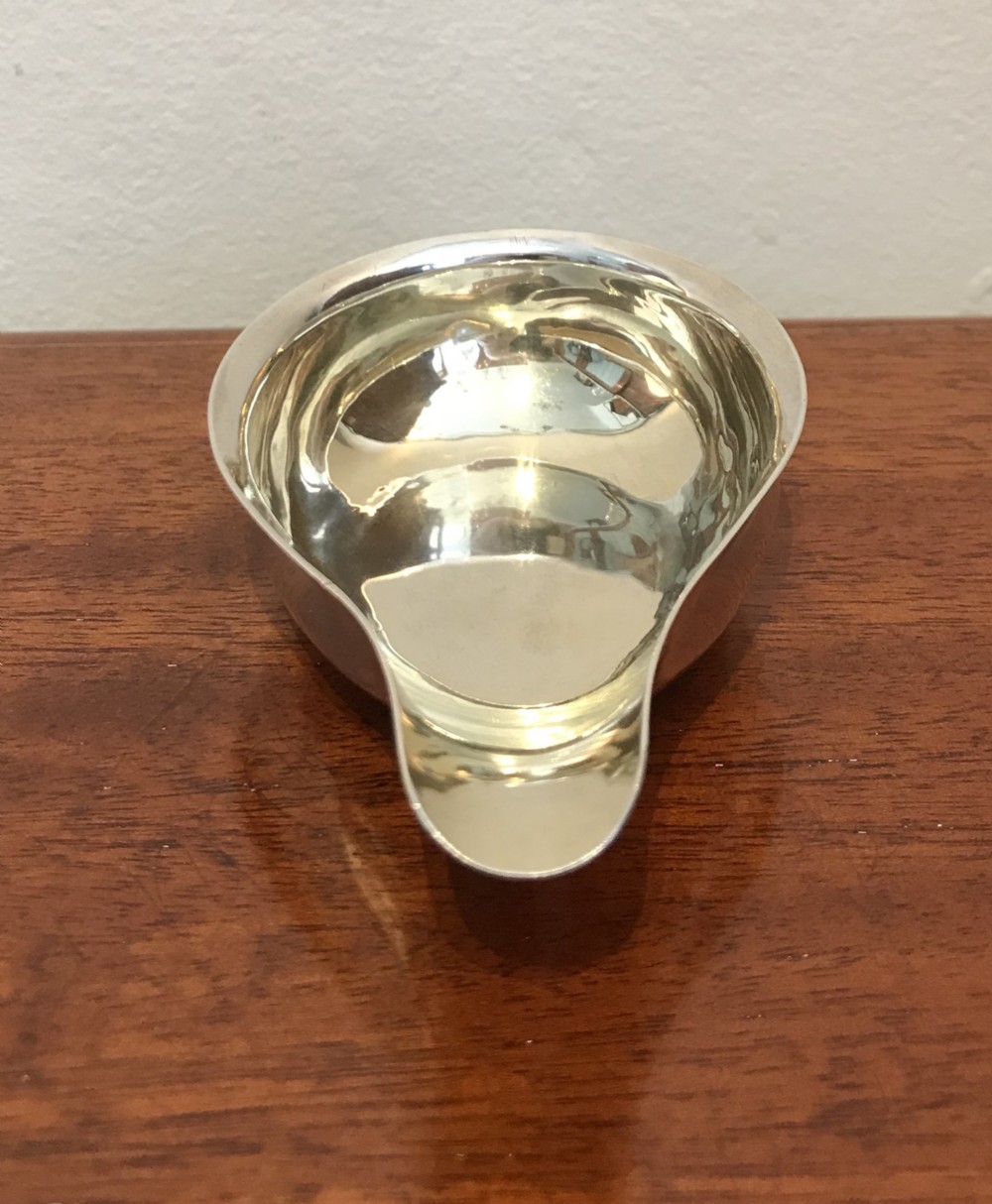
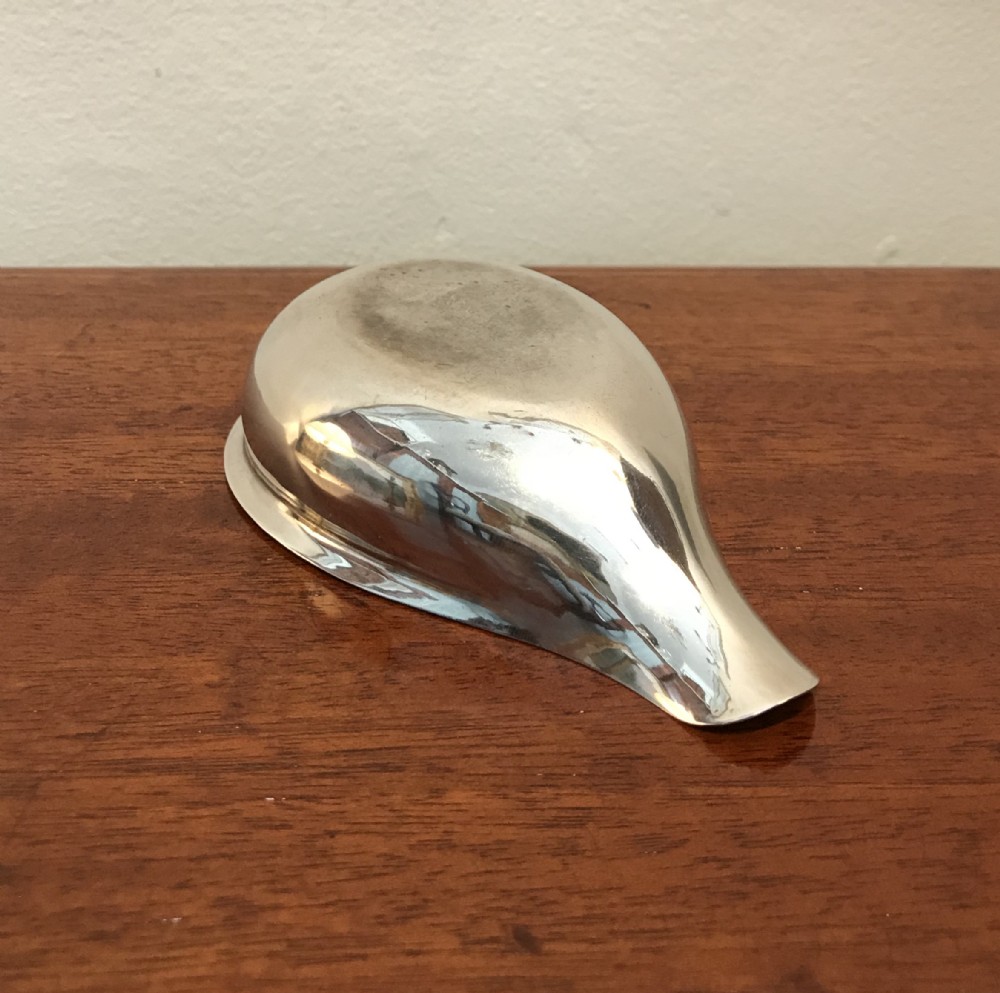
George III Silver Pap Boat, Hester Bateman & Thomas Ollivant