
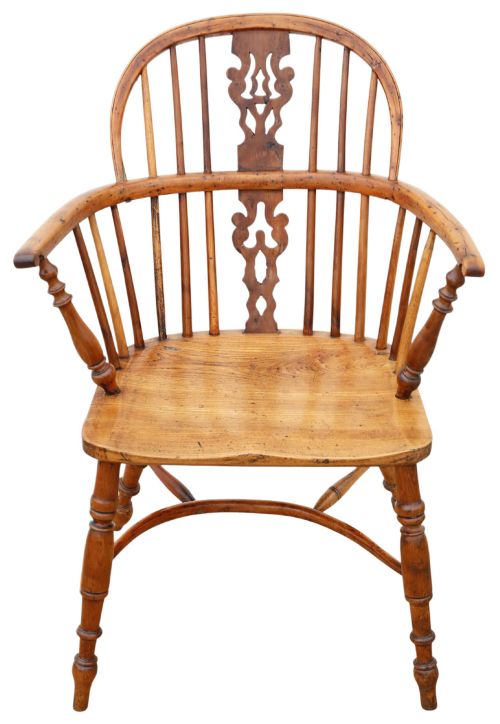
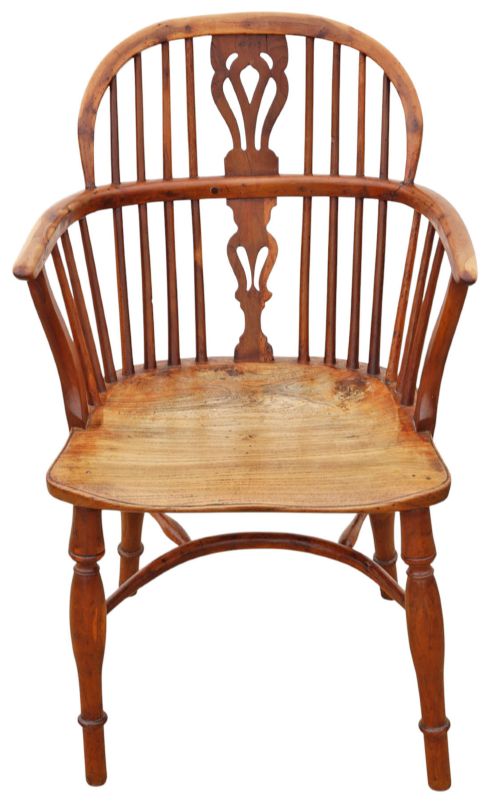
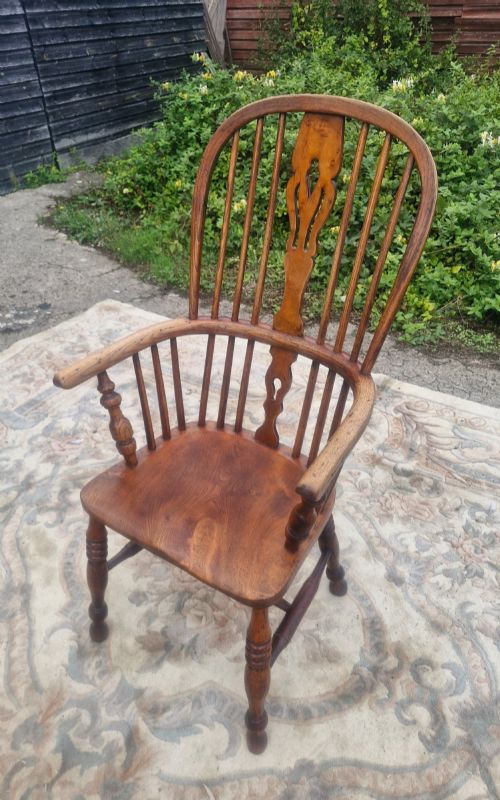


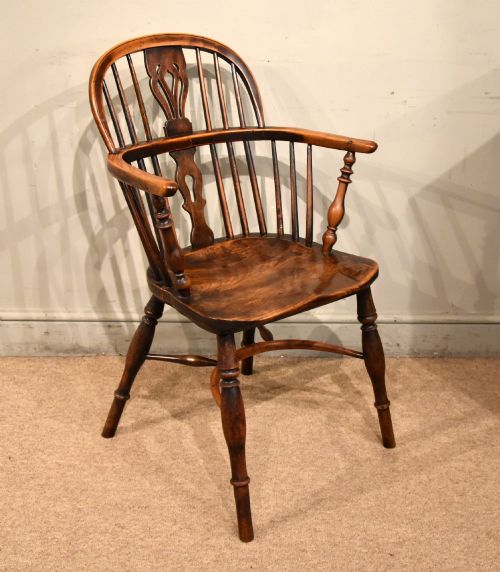
Yew Wood Country Chair
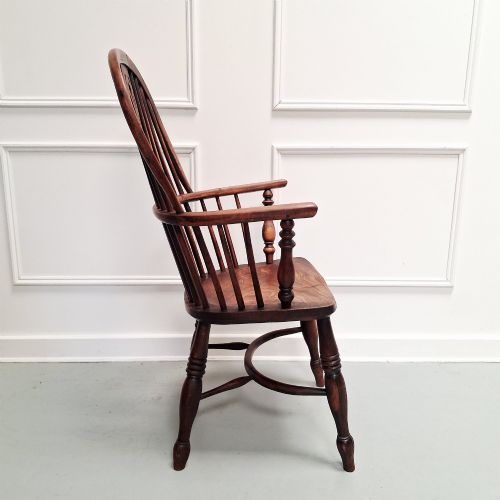
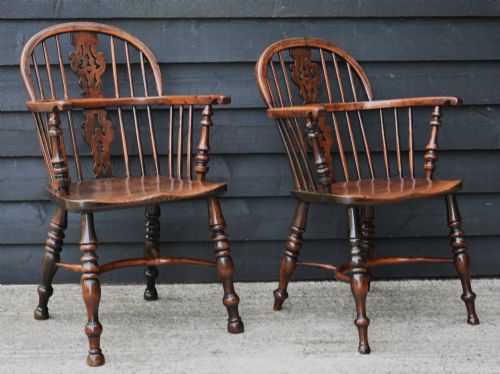
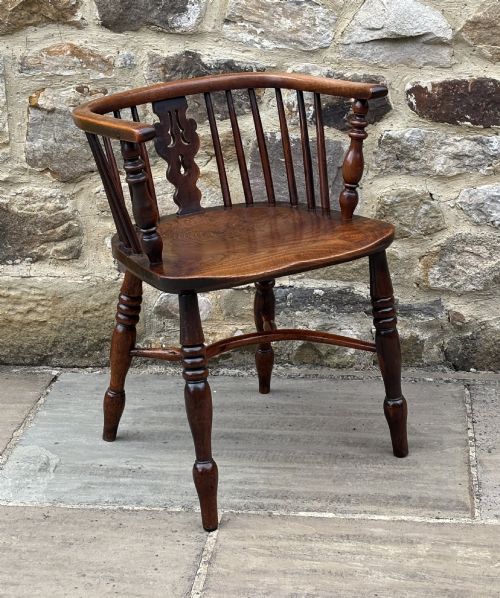
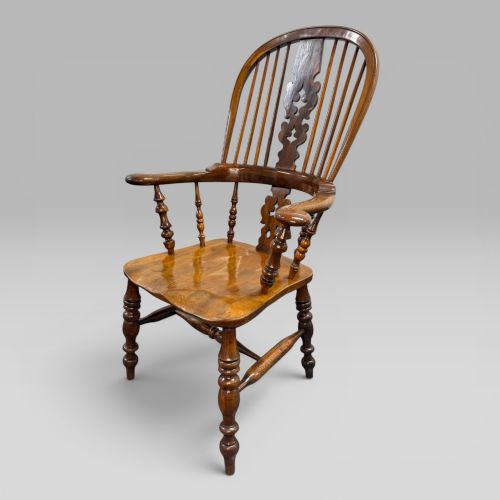
A yew wood country chair brings tactile warmth and local timber tradition directly to a room through its sturdy Windsor construction.
Yew Wood Country Chair
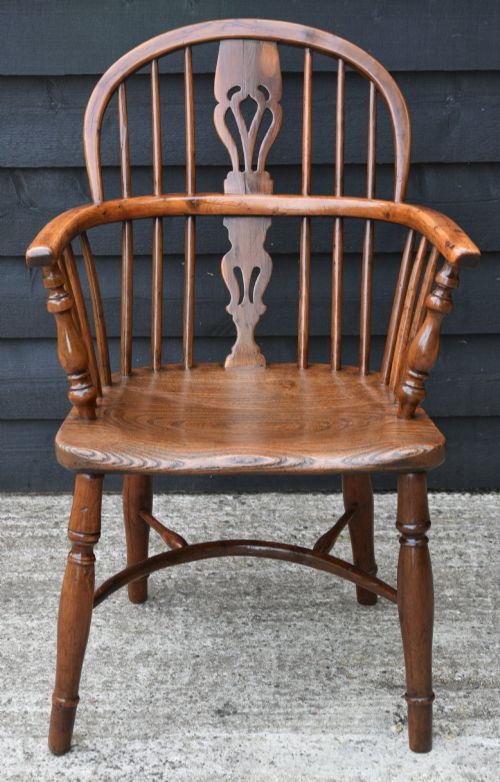
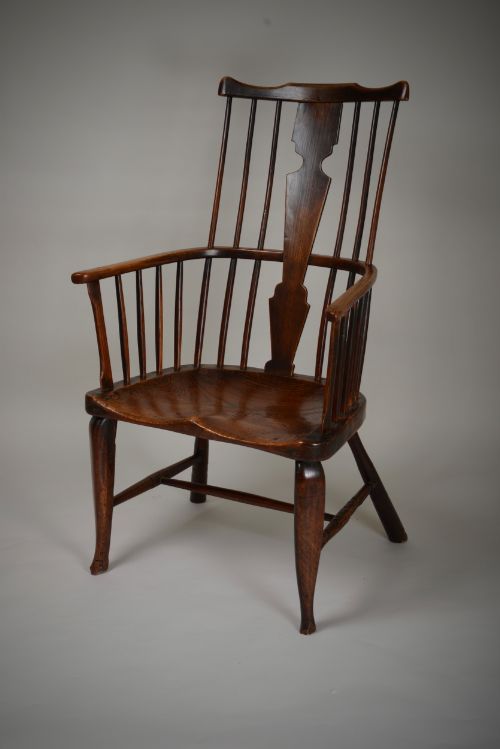
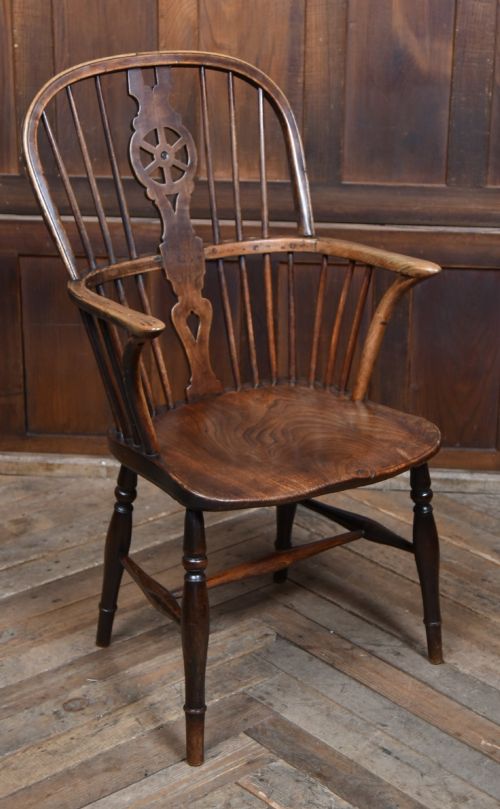
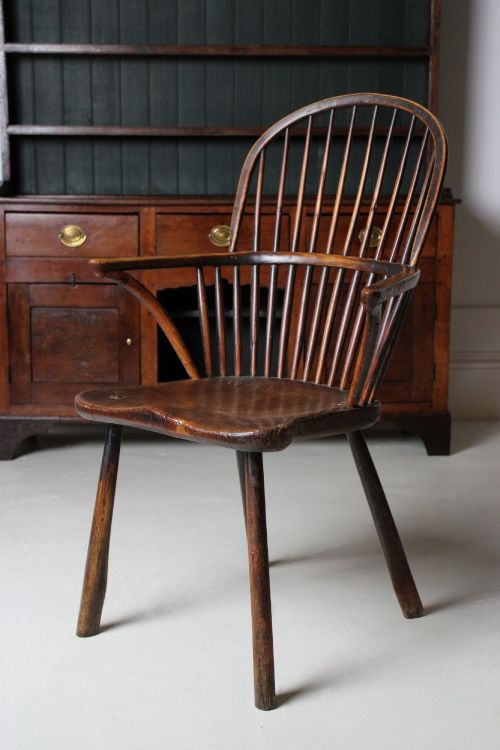
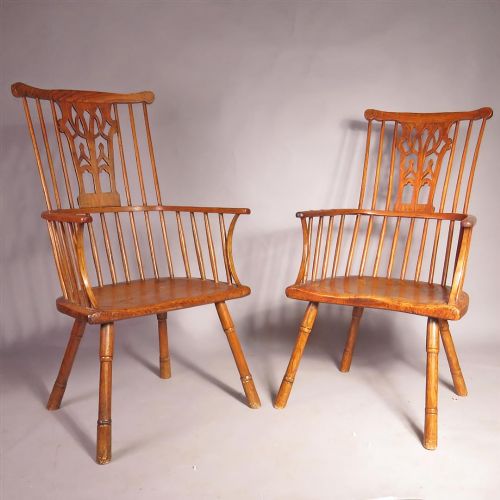
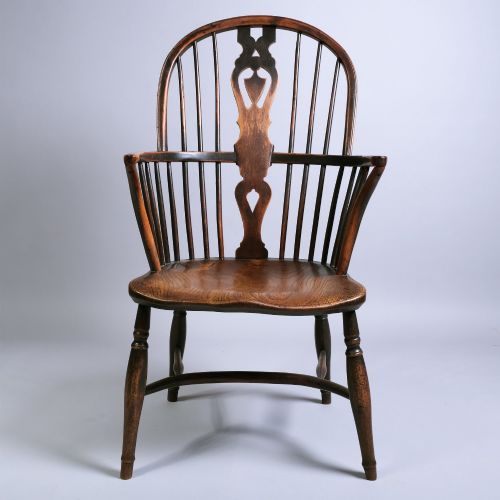
A yew wood country chair is fundamentally a Windsor form, constructed with a solid shaped seat into which the legs and back spindles are wedged rather than tenoned into a rigid frame. These pieces emerge from the eighteenth and nineteenth centuries, spanning Georgian and Victorian eras under English country vernacular styles.
The version most frequently met on this page is the Windsor armchair or carver, often featuring a high back or hoop back configuration. Makers combined yew with elm, ash, and fruitwood to create robust seating for domestic and farmhouse interiors.
Materials and Construction
Makers utilised yew wood alongside elm for seats and ash or beech for spindles and legs, matching timber properties to structural demands. Yew provided striking grain and durability for bent parts, while elm offered a tough, non-splitting base for the carved saddle seat.
Green woodworking techniques allowed craftsmen to bend steam-softened timbers like ash and yew into continuous hoop backs or comb backs. Components were secured with wedged tenons and reinforced with crinoline stretchers for lasting rigidity.
Yew Wood Country Chair Retail Price Guide 2026
Typical asking prices for yew wood country chair among the pieces listed under this phrase on Sellingantiques today, from the lower quarter to the upper quarter. They describe what is for sale here now, not the wider market.
Listings feature regional English country styles spanning the eighteenth and nineteenth centuries, utilising native yew, elm, ash, and beech.
Craft and Proportion
Quality rests in the elegance of the turning on the legs and stretchers, alongside the depth of colour and figuring in the yew timber. Finer examples display balanced proportions in the steam-bent bow and a generously sculpted comb or splat.
Construction integrity defines the upper tier, seen in tight joints and well-chosen secondary woods like laburnum or fruitwood accents. Lesser examples rely on heavier, unrefined turnings and plain timber without the rich grain variation characteristic of superior work.
J SPENCER·Gabbitass Worksop·John Brand of Sleaford
The Yew Wood Country Chair Glossary
- Windsor chair
- A chair built with a solid wooden seat acting as the central structural hub for the legs and back. The components are individually turned and bent rather than joined via a conventional frame.
- Crinoline stretcher
- An arched or bowed stretcher connecting the legs of a chair below the seat to provide lateral stability. This curved brace is frequently found on earlier Windsor forms.
- Hoop back
- A continuous steam-bent piece of timber forming the top rail and arms of a Windsor chair in one fluid arc. This method grants both resilience and comfort to the sitter.
- Comb back
- A Windsor chair back design where vertical spindles rise through a low horizontal crest rail resembling the teeth of a comb. These variants often date to the eighteenth century.
- Vernacular furniture
- Domestic pieces made by local regional craftsmen using readily available native timbers without adherence to strict metropolitan pattern books. This tradition encompasses the diverse styles of English country workshops.
Yew Wood Country Chair: Frequently Asked Questions
How do I spot a yew wood chair?
Yew timber displays a distinctive warm reddish-brown tone interlaced with dark knots and intricate grain patterns. It feels noticeably dense and heavy compared to softer beech or ash components found in the same chair.
Makers frequently paired yew with elm seats and fruitwood accents, so examining the grain beneath the seat helps confirm the material composition.
What is a Windsor chair?
A Windsor chair relies on a thick, saddled wooden seat into which the undercarriage legs and upper back spindles are driven directly. This construction method avoids standard mortise and tenon frames.
These chairs evolved through regional English workshops, developing variations like hoop backs, low backs, and comb backs to suit domestic use.
How should I care for a yew chair?
Keep wooden seating away from direct heat sources and sudden temperature fluctuations to prevent timber shrinkage and joint loosening. Apply a modest amount of beeswax periodically to nourish the dry grain.
Avoid synthetic polishes that build up a hazy film over the centuries-old patina. Gentle dusting with a soft cloth preserves the natural surface.
Are these chairs comfortable for daily use?
The saddle-shaped wooden seats are ergonomically carved to fit the body, offering surprising support during extended sitting. High backs and broad arms further enhance the physical comfort of these country armchairs.
Their sturdy frame construction ensures they remain practical for everyday seating in modern dining rooms or studies.