
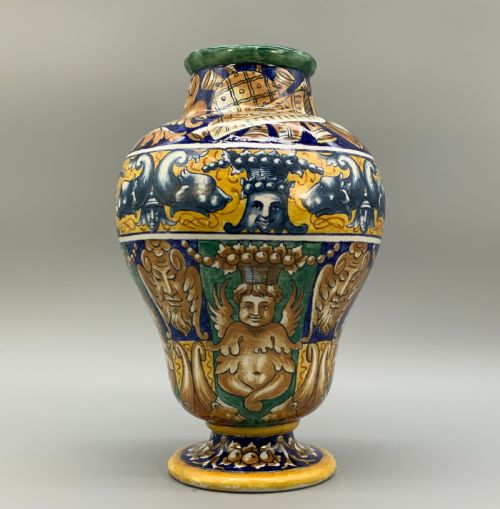


Yellow Earthenware Vase
These yellow earthenware vase examples bring bright colour and historical craft to any room, offering rich glazes and distinct forms from centuries past.
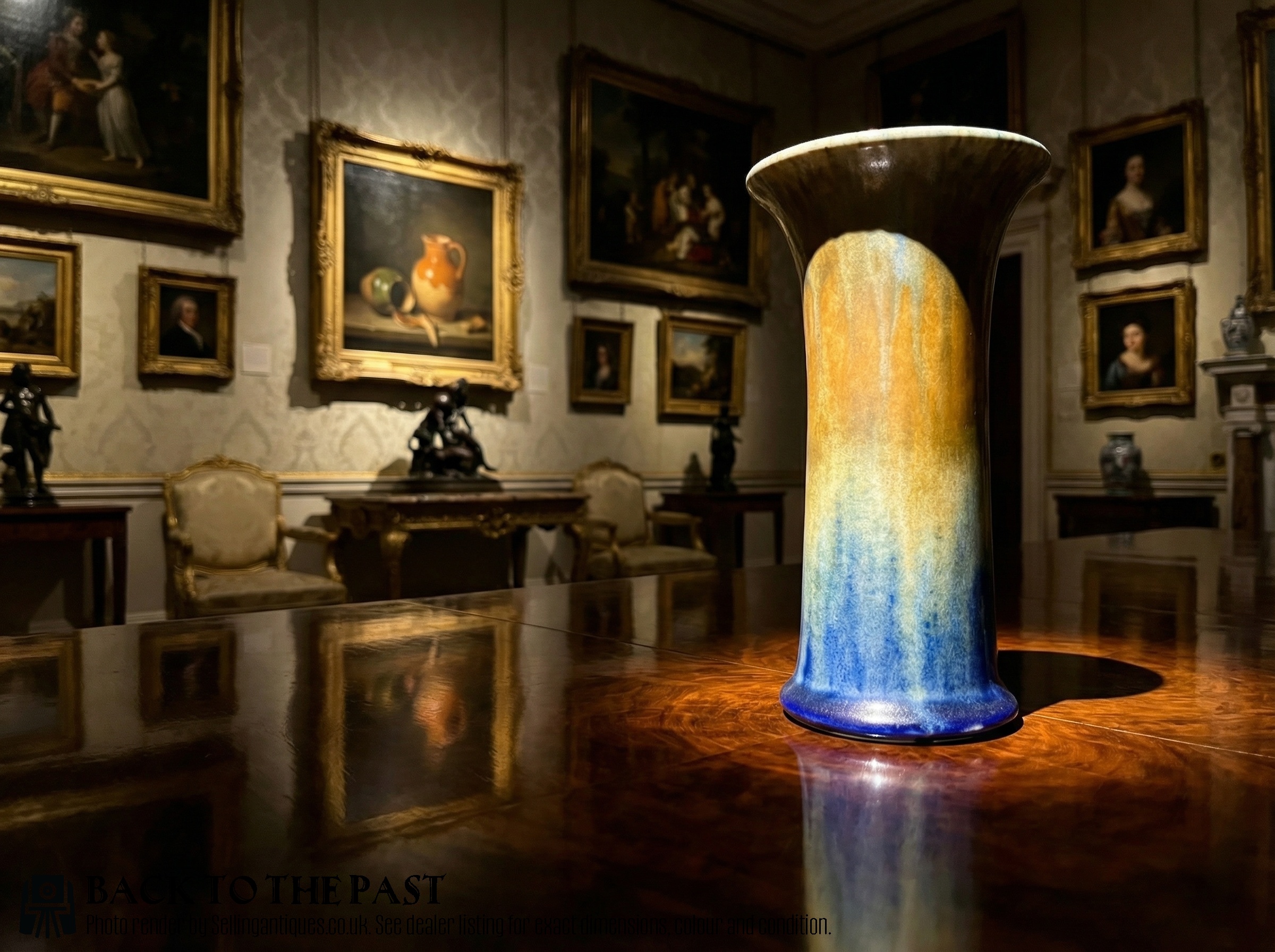
Yellow Earthenware Vase
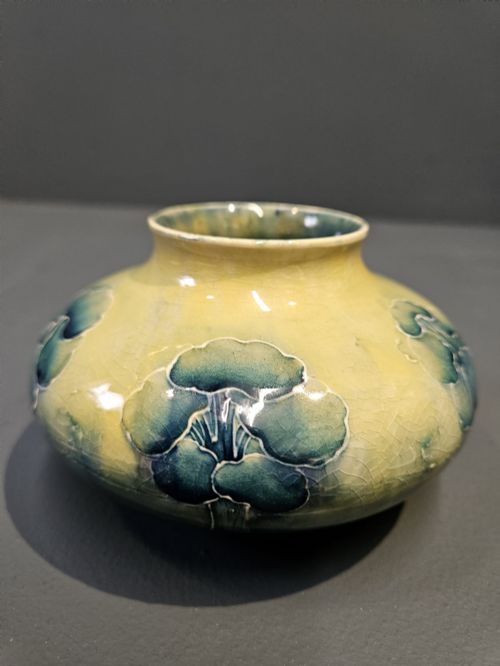
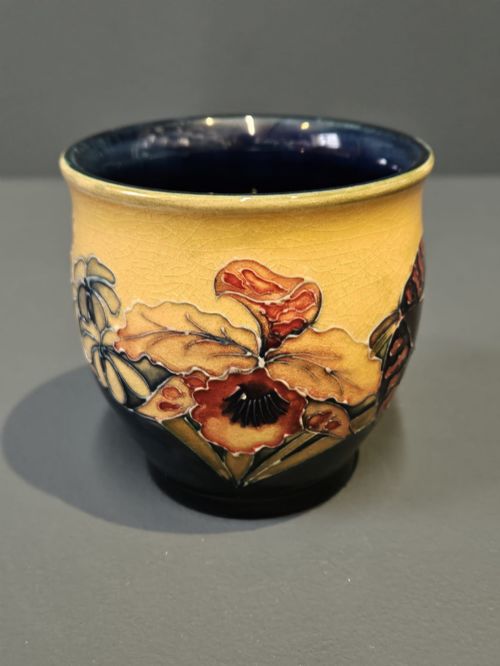
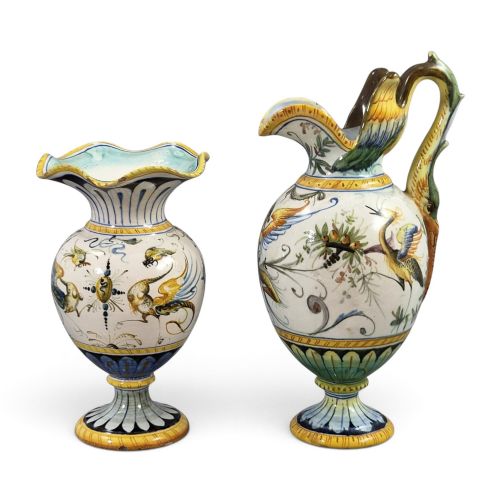
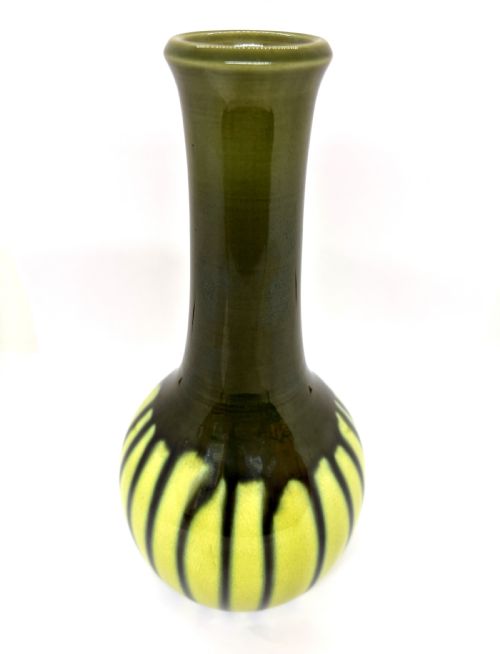
A yellow earthenware vase brings together porous clay bodies and vibrant surface glazes across several centuries of production. When searching for a yellow earthenware vase, collectors encounter everything from Victorian majolica and Italian faience to early twentieth-century crystalline and slip wares.
The selections span distinct periods including the nineteenth century and the nineteen-thirties, showing forms from simple amphorae to large ewers and covered vessels. Italian workshops and English potteries dominate the origins visible in these listings.
Makers such as Moorcroft, Cantagalli, Burmantofts, Royal Doulton, Ruskin, and Minton appear alongside unmarked Italian pieces. Buyers find both studio art pottery and large decorative revival pieces.
How they were made
Potters shaped earthenware clay on the wheel or pressed it into moulds before applying tin glazes, enamels, or metallic lustre. These absorbent bodies required an opaque or coloured glaze layer to seal the surface and provide a ground for decoration.
Firing techniques varied from traditional kiln methods to complex crystalline glaze experiments that produced organic patterns across the yellow ground. Majolica and faience pieces received hand-painted polychrome pigments over tin-glazed surfaces.
One cheerful lady figure stands proudly holding a giant jar, proving that seventeenth-century Italian inspiration could take delightfully literal forms.
What varies in quality
The clarity and depth of the yellow glaze separate standard production pieces from exceptional works of art pottery. Rich crystalline effects, crisp hand-painted polychrome detailing, and precise execution distinguish the finer examples.
The ambition of the form, whether a grand pedestal vessel or a delicate cabinet piece, dictates the standing of the work. Attribution to notable factories and designers also elevates the piece within its period.
Moorcroft Hazeldene·Cantagalli Florence·Burmantofts Pottery·Royal Doulton·Ruskin Pottery·Minton Majolica
The Yellow Earthenware Vase Glossary
- Earthenware
- Porous pottery fired at lower temperatures than stoneware or porcelain. It requires glazing to hold water and provide a decorative finish.
- Majolica
- Tin-glazed earthenware decorated with coloured pigments over an opaque white glaze. The style gained immense popularity during the nineteenth century revival periods.
- Crystalline Glaze
- A specialised ceramic finish where zinc silicate crystals grow during the kiln cooling process. This creates star-like patterns across the yellow ground.
- Amphora
- A two-handled ancient vessel form revived by nineteenth-century potteries. These decorative bodies often stand on narrow bases.
Yellow Earthenware Vase: Frequently Asked Questions
How do I date a majolica vase?
Dating relies on stylistic clues, factory marks, and the specific type of glaze used on the earthenware body. Nineteenth-century revival pieces often copy earlier Renaissance forms but use machine-pressed clay or modern kiln methods.
Examining the base and interior reveals manufacturing methods characteristic of particular decades. British potteries frequently stamped their wares, while Italian pieces relied on painted monograms.
Are these vessels waterproof?
Most glazed earthenware pieces hold water safely due to their fired and sealed surfaces. However, older tin-glazed or porous bodies can sometimes allow moisture to seep through micro-fissures over time.
Using a small glass or plastic liner inside historic vessels protects the antique glaze from mineral deposits and moisture damage. This simple precaution preserves the interior without altering the display.
What is tin glaze?
Tin glaze is an opaque white ceramic coating made by adding tin oxide to a lead glaze base. It provides a smooth surface for painting polychrome designs directly onto the unfired glaze.
This technique originated in the Middle East and spread through Italy and Europe to create the famous maiolica and faience traditions. The yellow ground often sits beneath or alongside these painted layers.
How should I clean my pottery?
Dusting with a soft, dry cloth removes everyday particles without risking the fragile glazed surface. Avoid harsh chemical cleaners or submersion in water, particularly for pieces with hairline cracks.
Gentle wiping with a slightly damp cloth suffices for heavier grime on robust glazes. Keeping the ceramic away from direct sunlight protects enamel colours from fading over the years.