

Antique Table Vase
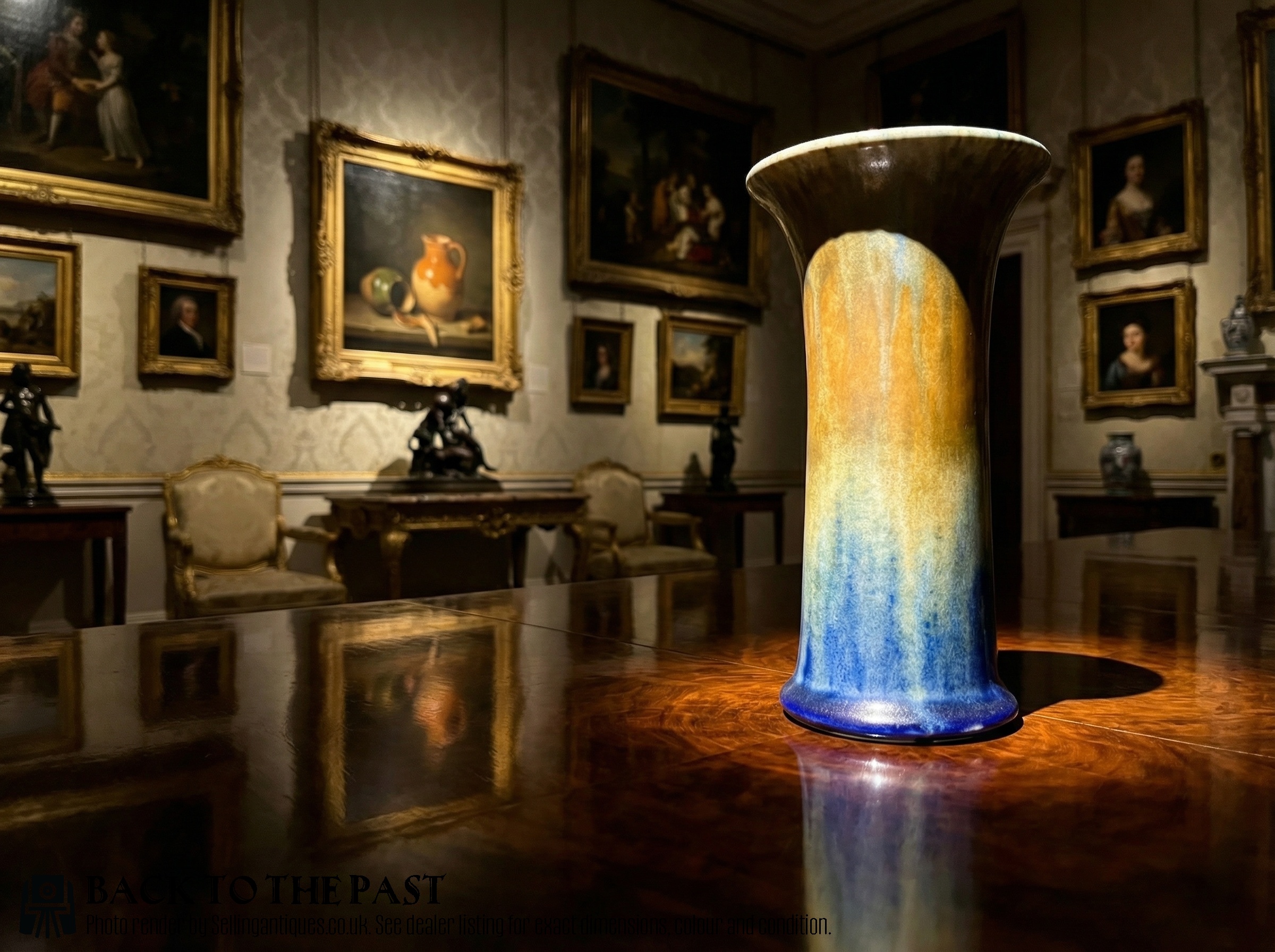
An antique table vase sits upon a surface to hold stems or draw the eye with its form and glaze.
Antique Table Vase
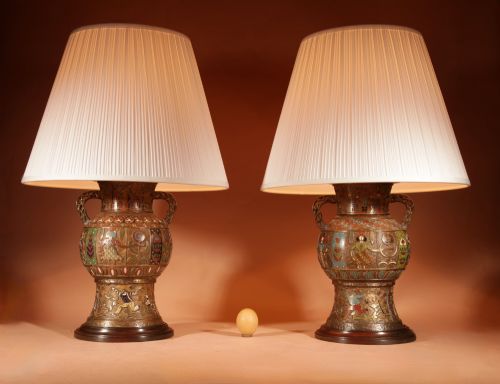
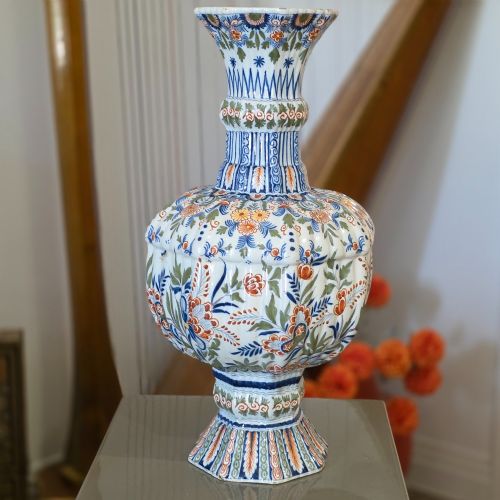
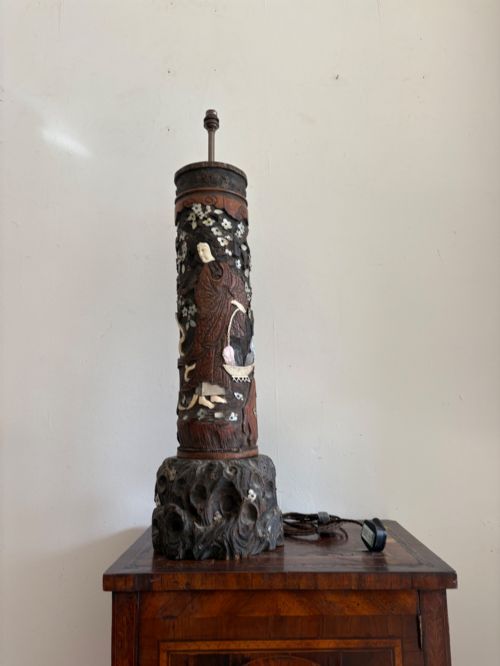
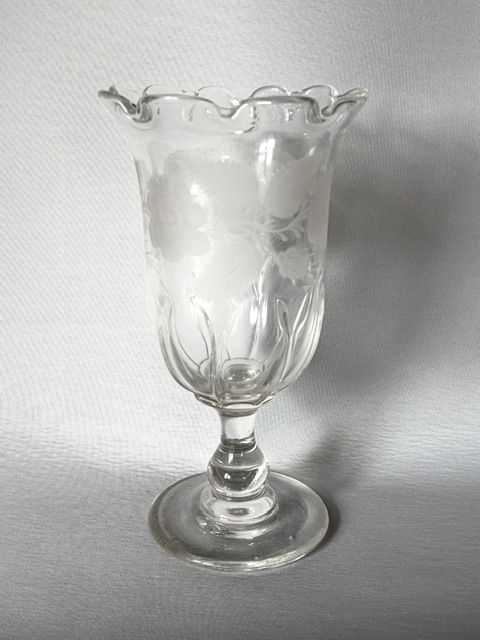
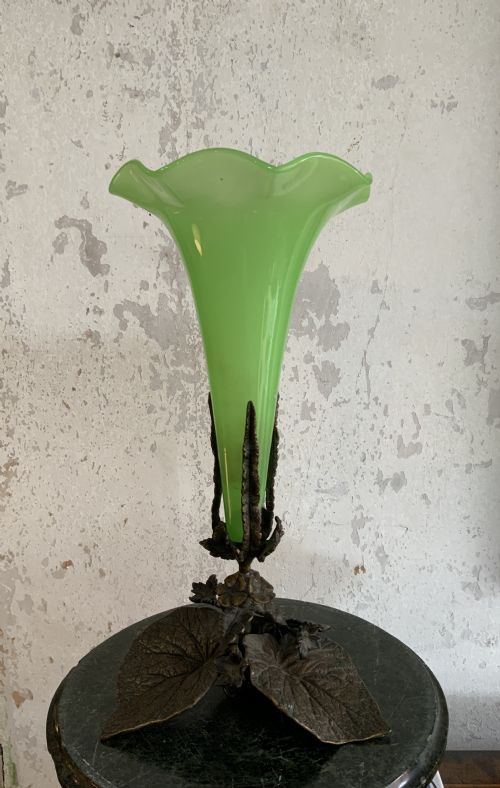
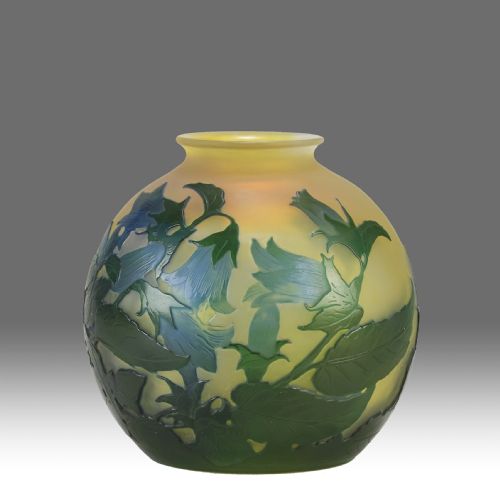
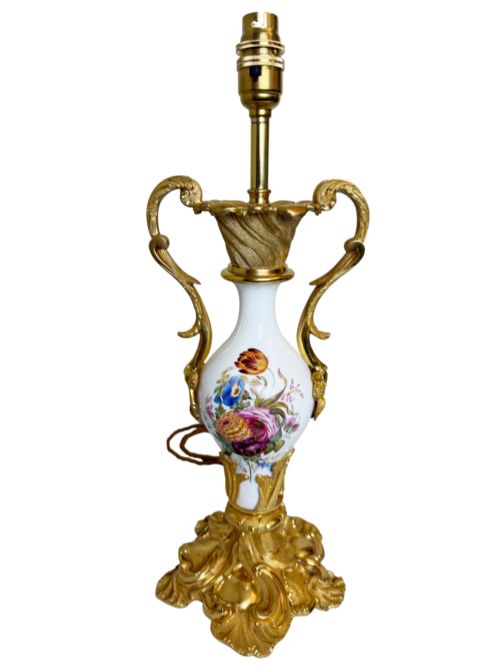
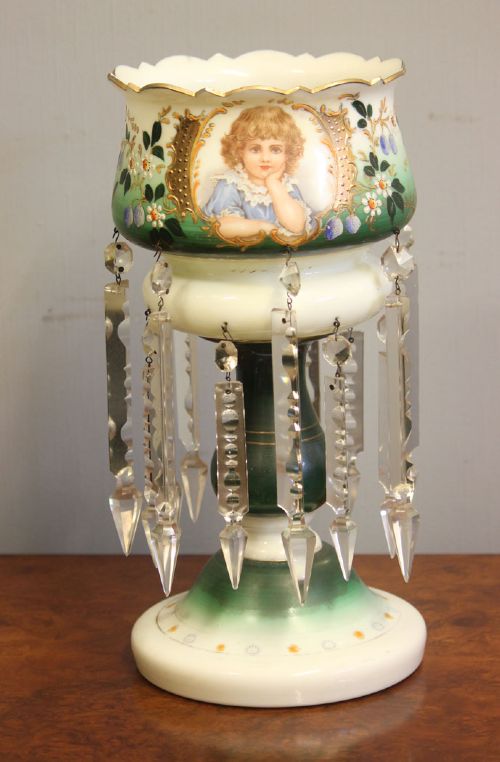
An antique table vase encompasses vessels designed for display on furniture surfaces rather than the floor, including porcelain jars, glass mantel lustres, and ceramics adapted into lamps.
The selections available here draw heavily from nineteenth-century production, spanning Victorian glass, Japanese Meiji bronzes and porcelains, and English earthenwares.
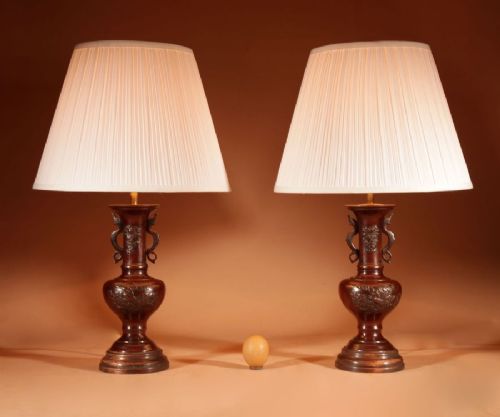
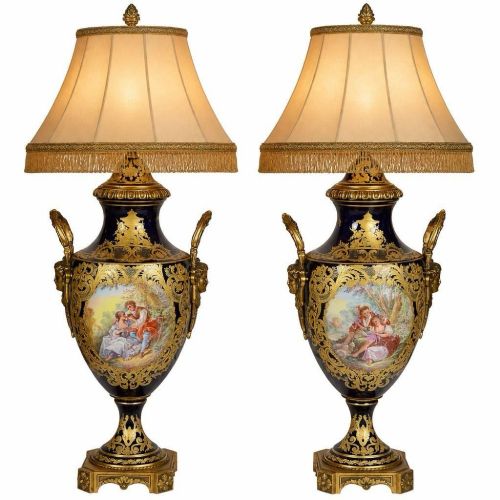
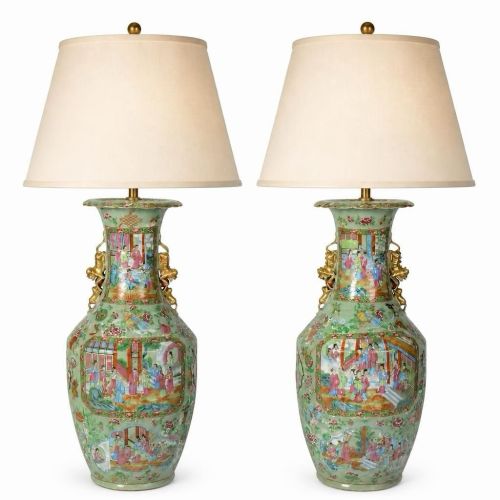
Many examples in this category take the form of converted vessels or paired ornaments meant to anchor a room scheme with colour and texture.
Materials and construction
Makers utilised cast bronze, spun brass, and hand-blown glass, frequently mounting vessels on gilt metal bases or incorporating champlevé enamel work.
Ceramic pieces rely on traditional throwing and moulding, finished with hand-painted glazes such as blue and white, Satsuma enamel, or rose medallion palettes.
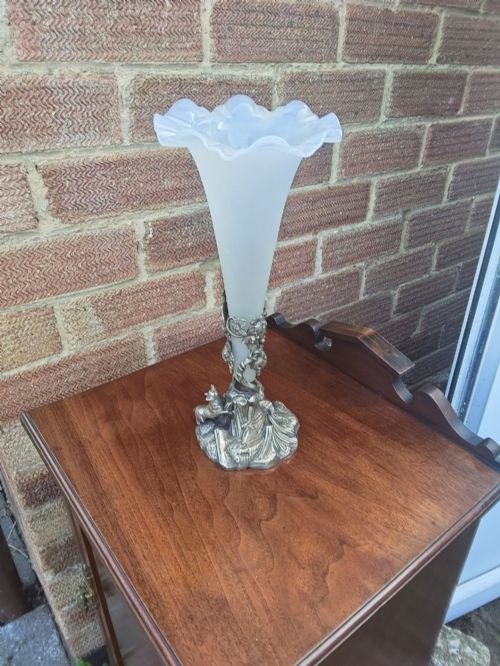
A mischievous fox peers out from an opaque glass epergne, frozen mid-hunt among grapevine reliefs.
Judging the standard
Superior examples demonstrate crispness in cast or carved mounts, where detail remains sharp and integration between vessel and metalwork feels deliberate.
The depth and consistency of hand-applied enamels, glazes, or glass colours separate workshop pieces of high merit from ordinary production.
Emile Gallé·Royal Worcester·Royal Doulton·Hicks and Meigh
The Antique Table Vase Glossary
- Epergne
- A multi-vase tabletop centrepiece fitted with detachable trumpets or baskets for fruit and flowers. These items frequently utilise uranium or cranberry glass.
- Lustre
- A decorative vase or candlestick hung with cut glass prisms to reflect candlelight. They appear often in Victorian green or opaque glass.
- Cloisonné
- Metalwork decorated with coloured enamel compartments enclosed by thin wire strips. Japanese examples from the Meiji period frequently employ this technique.
- Ormolu
- Gilded bronze mounts used to embellish porcelain vessels and furniture. French Louis XVI style pieces often showcase this decorative metalwork.
- Satsuma
- Japanese earthenware pottery featuring a crackle-glaze ivory body decorated with polychrome and gilt patterns. These wares are frequently found converted into table lamps.
Antique Table Vase: Frequently Asked Questions
What is an antique table vase?
An antique table vase is a decorative vessel intended for display on furniture rather than the floor. These items range from nineteenth-century porcelain jars to glass lustres and converted lamps.
Such pieces often serve as focal points on sideboards, mantels, or tables, combining utility with distinct period craftsmanship.
How do I identify periods?
Period identification relies upon material characteristics, manufacturing techniques, and stylistic markers recorded in the evidence. Victorian glass and Meiji bronzes each display distinct surface treatments.
Examining the mounts, glazes, and overall form helps connect a piece to its nineteenth or early twentieth-century origin.
How were they used?
These vessels functioned primarily as interior ornamentation or flower holders within nineteenth-century homes. Many were placed on tables or mantelpieces to display stems, fruit, or reflected light.
Over time, numerous examples were later adapted with electrical fittings to serve as table lamps while retaining their original ceramic or bronze bodies.
How do I live with them?
Living with these objects involves placing them on stable surfaces where their glazes, brass mounts, or glass trumpets can catch natural light. Pairing them with complementary period furnishings enhances their decorative impact.
Careful positioning away from heavy traffic areas ensures fragile glass elements and delicate enamels remain protected during daily use.