


Tube Lined Art Pottery
Tube lined art pottery brings bold raised outlines and rich coloured glazes to your room.
Tube Lined Art Pottery
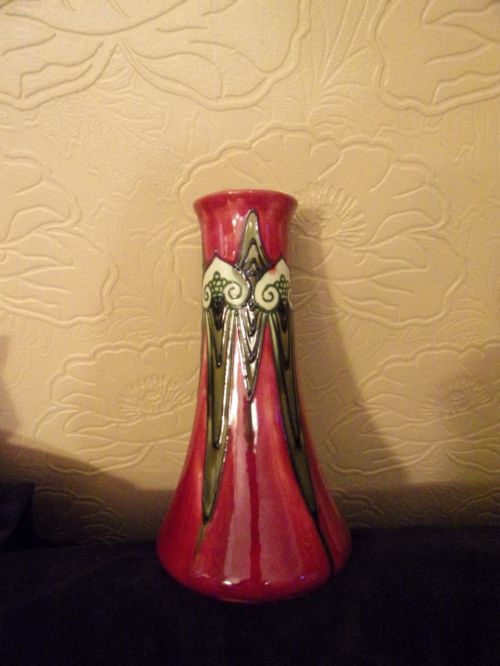
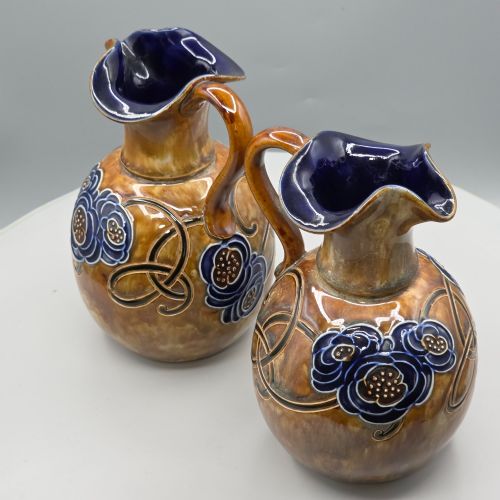
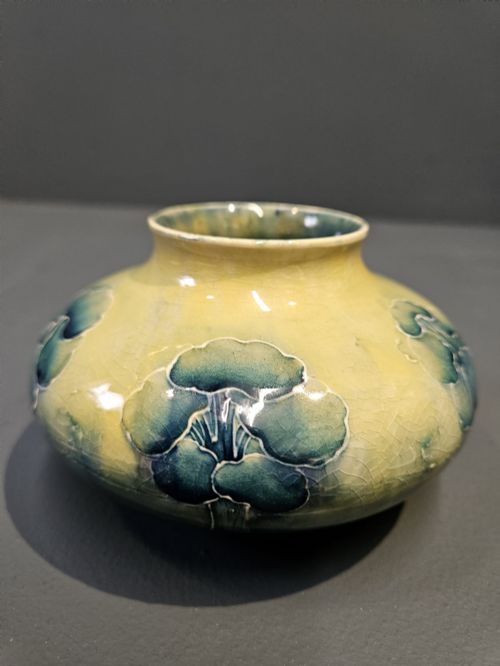
Tube lined art pottery centres on decorative ceramics defined by raised clay lines that contain pools of coloured glaze. When you search for tube lined art pottery, you encounter vibrant vessels originating from the late Victorian period through to the nineteen thirties. Vases, jugs, bowls, and complete tea services dominate the forms available.
The aesthetic shifts across several distinct design movements including Arts and Crafts, Art Nouveau, Art Deco, and Secessionist styles. Edwardian examples often display stylised floral motifs, whilst later pieces embrace geometric patterns. Most pieces you meet on this page originate from British potteries operating during the early twentieth century.
Makers such as Moorcroft, Macintyre, and Minton produced notable work within these styles, frequently supplying Liberty and Company. Forms range from modest cabinet vases to large decorative bowls and tall handled jugs. Each piece demonstrates how makers used raised clay trails to separate distinct fields of colour.
How tube lined art pottery was made
Potters form these wares using earthenware or stoneware bodies shaped into vases, jugs, and bowls. The signature technique involves squeezing liquid clay through a fine nozzle onto the unglazed surface to build a raised outline. This process creates a low relief grid that holds liquid glaze within designated cells during firing.
Makers then apply rich ceramic glazes by hand within the outlined compartments before firing the piece in a kiln. The interaction between the raised clay lines and the pooling glaze produces deep colour variation and distinct textural contrast. Glazes range from matte finishes to deep lustres that pool thickly against the clay barriers.
Listings feature earthenware and stoneware ceramics decorated with tube lining across Arts and Crafts, Art Nouveau, and Art Deco styles.
What varies in quality
Quality rests upon the crispness of the raised clay lines and the skill of the hand-applied glaze. Finer examples show precise, even trailing that creates clean boundaries without clogging the design. The depth and luminosity of the glaze separate standard production pieces from ambitious studio output.
Design complexity and the reputation of the decorator or pottery also influence the standing of a piece. Stronger works feature balanced compositions that respect the form of the vessel, whereas lesser examples crowd the surface with heavy, uninspired patterns. The harmony between the clay shape and the surface decoration dictates the visual success of the object.
Minton·Royal Doulton·Moorcroft·Macintyre·Charlotte Rhead·J R Mally and Co·Christopher Dresser·Bursley Ware
The Tube Lined Art Pottery Glossary
- Tube lining
- A ceramic decoration technique where liquid clay is squeezed through a bulb or nozzle onto a vessel to form raised outlines. These ridges trap wet glazes and prevent colours from bleeding into one another during firing.
- Secessionist
- A stylistic movement from the late nineteenth and early twentieth centuries associated with radical departures from historicism. In ceramics, this appears as bold, stylised floral and abstract motifs with high contrast glazes.
- Earthenware
- A porous pottery body fired at lower temperatures than stoneware or porcelain. It requires a complete glaze coating to become vitrified and hold liquids.
- Florian Ware
- A specific early ceramic style characterised by delicate slip-trailed floral patterns executed in monochrome or soft tones. It represents some of the finest early work produced by William Moorcroft for Macintyre.
- Art Nouveau
- An international decorative art style marked by undulating organic lines and plant-inspired forms. Ceramic pieces in this style utilise flowing motifs that wrap entirely around the body of the vase.
Tube Lined Art Pottery: Frequently Asked Questions
What is tube lining on pottery?
Tube lining is a decorative process where an artist squeezes liquid clay from a small bulb onto the surface of a ceramic piece. This creates raised ridges that form a compartmentalised outline.
Craftspeople then fill these spaces with various coloured glazes before firing. The technique keeps colours separated and gives the finished surface a distinct tactile relief.
How do I date these pieces?
Dating relies on identifying maker marks, backstamps, and the prevailing design style of the ceramic body. Pieces from the early nineteen hundreds often show Arts and Crafts or Art Nouveau influences, whilst items from the nineteen thirties lean towards Art Deco geometric patterns.
Pottery stamps and registration numbers on the underside provide the most reliable chronological clues. Comparing the signature style of decorators like William Moorcroft or Charlotte Rhead also helps narrow the period.
Can I use these vases for fresh flowers?
Most of these vessels are glazed earthenware or stoneware capable of holding water safely. However, older ceramic bodies can develop microscopic hairline cracks over long periods of use.
It is sensible to place a small internal container inside antique vases if you use them for fresh displays. Regular cleaning prevents mineral deposits from settling against historical glaze interiors.
Where were these ceramics made?
The majority of these pieces originate from historic British pottery manufacturing centres such as Stoke-on-Trent. Prominent firms and individual designers worked within these industrial hubs to produce art pottery for domestic and international markets.
Many items were retailed through high-end outlets like Liberty and Company in London. This distribution network connected regional manufacturers with buyers seeking contemporary decorative arts.