
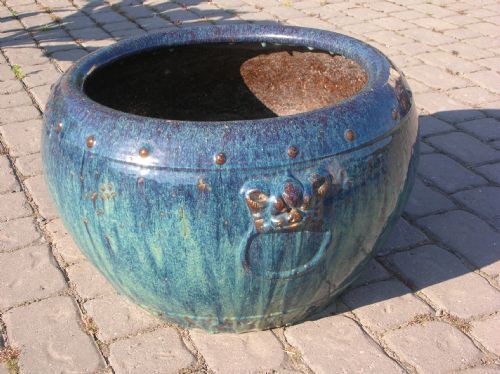


Blue Glazed Ceramic Pot
These pieces of blue glazed ceramic pot comprise centuries of earthenware, stoneware, and porcelain designed to hold liquids, plants, or dry goods.
Blue Glazed Ceramic Pot
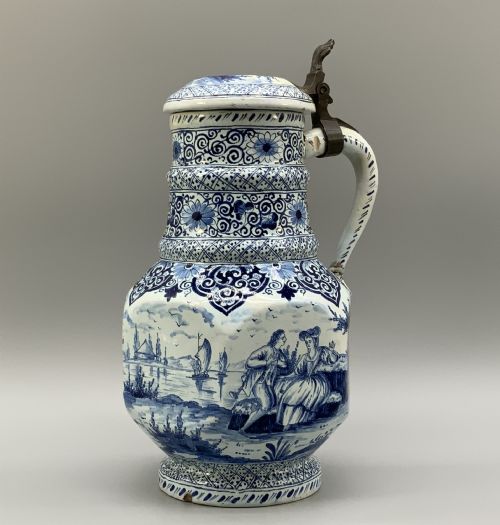
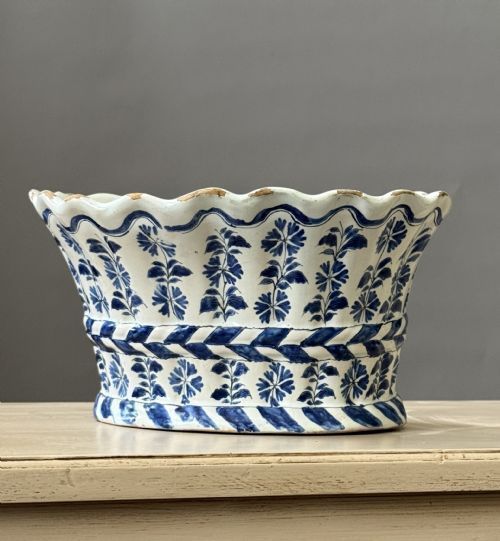
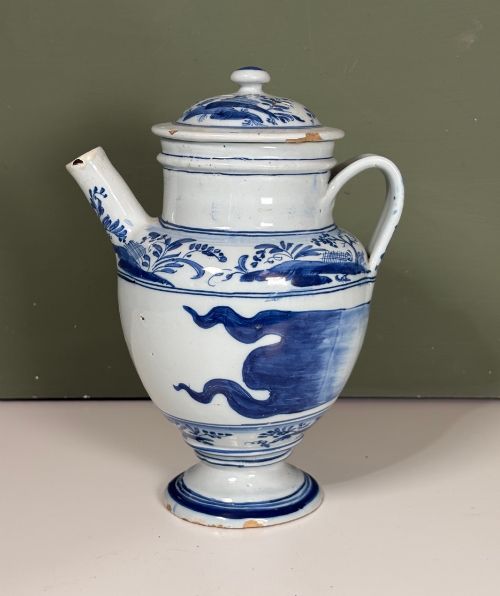
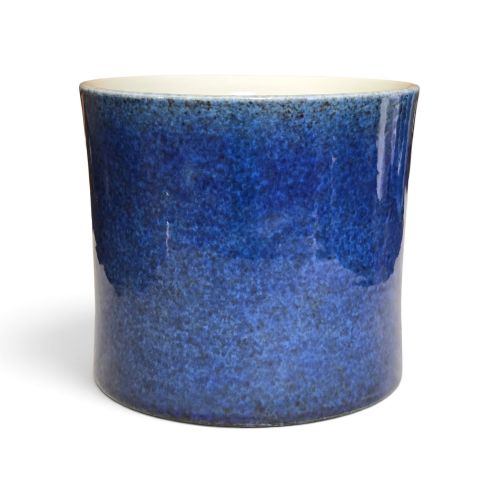
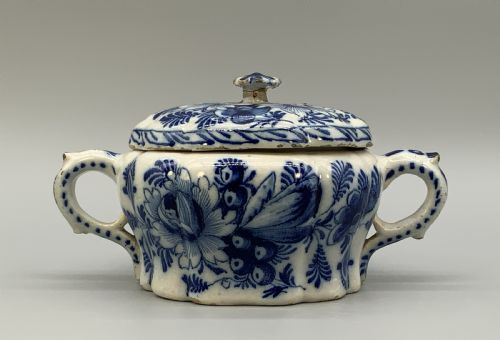
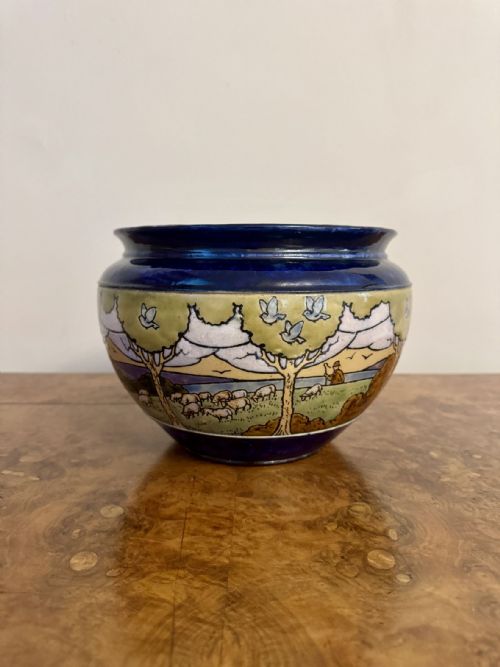
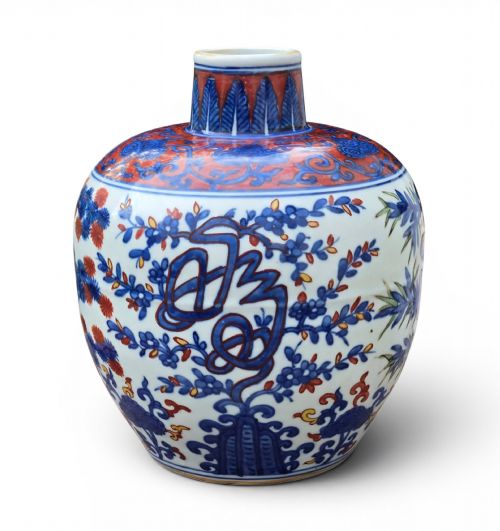
A blue glazed ceramic pot encompasses a broad range of utilitarian and decorative vessels from various eras. Buyers seeking this phrase encounter everything from seventeenth-century English delft posset pots and Italian pharmacy jars to late-nineteenth-century British jardinieres.
The selections span distinct centuries of ceramic production, incorporating pieces from Qing Dynasty China, Dutch workshops, and Victorian factories. Form follows function closely across the group, shifting from drug jars and tobacco containers to large garden urns and decorative vases.
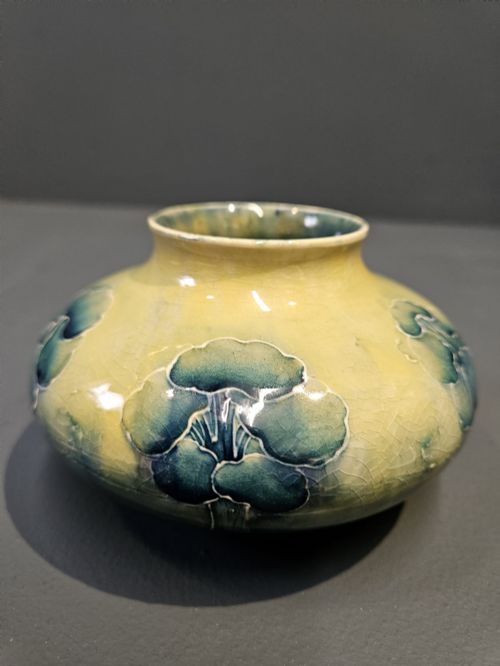
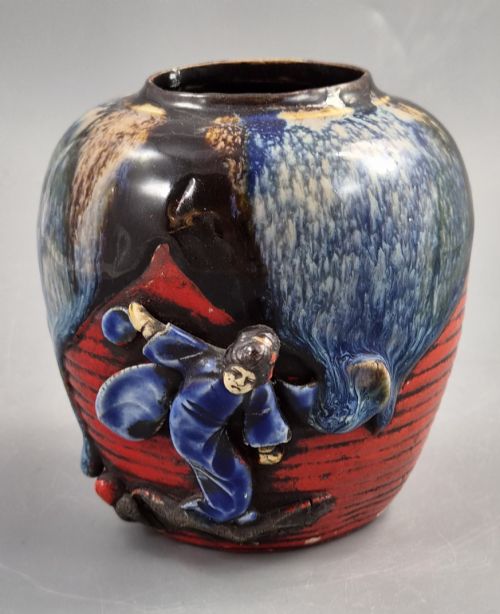
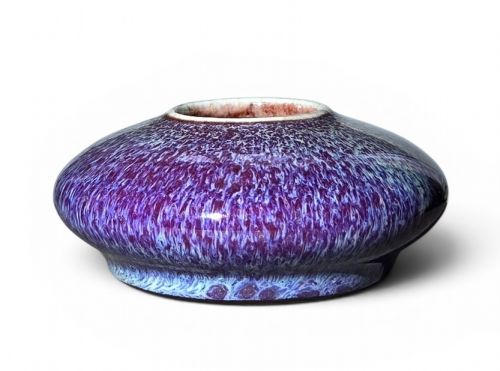
Earthenware and stoneware dominate the earlier centuries, particularly tin-glazed varieties like delftware and faience. Later Victorian and twentieth-century examples introduce specialised art pottery bodies decorated with cobalt pigment and complex flambe glazes.
How They Were Made
Makers utilised clay bodies ranging from porous earthenware to vitrified stoneware and fine porcelain, shaping them on the wheel or moulding them by hand. Potters applied liquid glazes containing mineral oxides, such as cobalt pigment, to achieve deep blue colouration before firing.
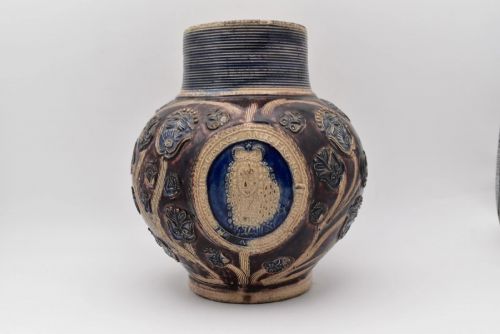
Tin-glazing techniques created an opaque white surface suitable for hand-painted blue designs on drug jars and bough pots. Salt glazing and lead glazing provided durable protective coats on utilitarian wares, while high-fired oriental kilns produced dense porcelain and flambefinishes.
The listings include earthenware, stoneware, and porcelain spanning periods from the thirteenth century through the Art Deco era.
What Varies in Quality
The crispness of the painted decoration and the stability of the glaze dictate visual success. Finely executed cobalt brushwork on seventeenth-century delft or Chinese porcelain displays a depth of tone that flat, uniform printing misses.
The integration of the glaze with the ceramic body determines the durability and surface texture of each vessel. Potteries such as Doulton and Minton achieved controlled, rich finishes on their jardinieres, whereas provincial pieces show charming irregularities in the kiln firing.
Moorcroft·Royal Doulton·Doulton Burslem·Doulton Lambeth·Enoch Wood and Sons·Minton·Royal Worcester·Joseph Holdcroft
The Blue Glazed Ceramic Pot Glossary
- Jardiniere
- An ornamental ceramic pot designed to hold a live plant or flower arrangement. These large planters often feature raised relief decoration or rich coloured glazes.
- Albarello
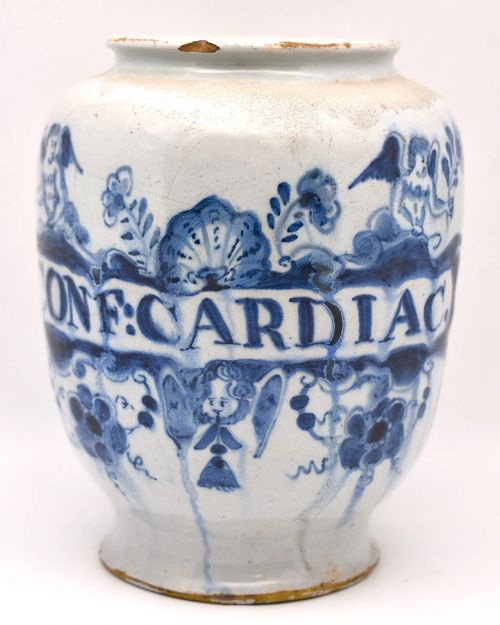
- A type of majolica earthenware jar used by apothecaries to store dry drugs and ointments. Their distinctive waist allows pharmacists to grip them easily on crowded shelves.
- Delftware
- Tin-glazed earthenware produced in the Netherlands and England, typically decorated with blue pigment on a white background. The technique imitates imported Chinese porcelain.
- Flambé glaze
- A complex ceramic finish characterised by streaked, mottled, or opalescent colour variations caused by shifting kiln atmospheres. It often produces rich blues, purples, and reds.
- Posset pot
- A spouted ceramic vessel used historically for serving a hot, spiced milk and wine drink. They frequently include multiple handles and tight-fitting lids.
Blue Glazed Ceramic Pot: Frequently Asked Questions
How were apothecary jars used?
Apothecary jars stored dry medicines, herbal remedies, and ointments in historical pharmacies and dispensaries. Pharmacists kept them on open shelves for quick access during compounding.
Labelled with specific drug names or symbols, these ceramic vessels protected their contents from moisture and light. Their distinct waisted shapes prevented them from slipping from wet hands.
What is a posset pot?
A posset pot served a traditional British hot drink made from curdled milk, ale or wine, and spices. Guests drank from the vessel during celebrations and festive gatherings.
The spouts allowed drinkers to sip the liquid from beneath the curdled top layer. Lids kept the contents warm between servings.
How do I date early ceramics?
Dating early ceramics relies on examining the clay body, glaze characteristics, and painting style. Tin-glazed earthenware from the seventeenth and eighteenth centuries typically shows chalky, porous edges where the glaze has chipped.
Maker marks, factory stamps, and stylistic cues like Victorian relief moulding provide further chronological clues. Comparing the pigment saturation helps separate early cobalt applications from later reproductions.
Where should I place a jardiniere?
A jardiniere suits interior spaces needing a substantial decorative focal point, such as a hallway table or fireplace hearth. Placing a plastic liner inside protects the historic ceramic from moisture damage.
These heavy planters also function well as empty decorative objects on sideboards. Their colourful glazes complement natural wood furniture and organic plant foliage.