








Oriental Ceramic Jardiniere
An oriental ceramic jardiniere brings heavy-gauge planting vessels and deep plant pots into rooms that need weight and pattern.
Oriental Ceramic Jardiniere
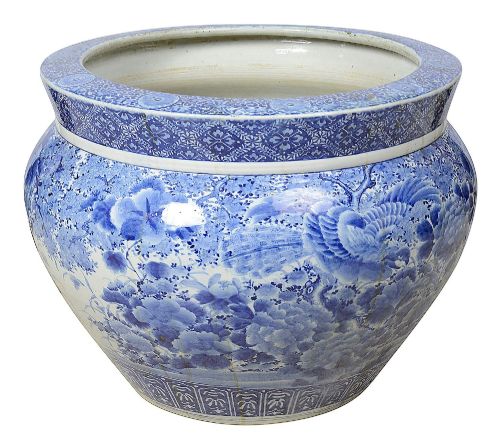
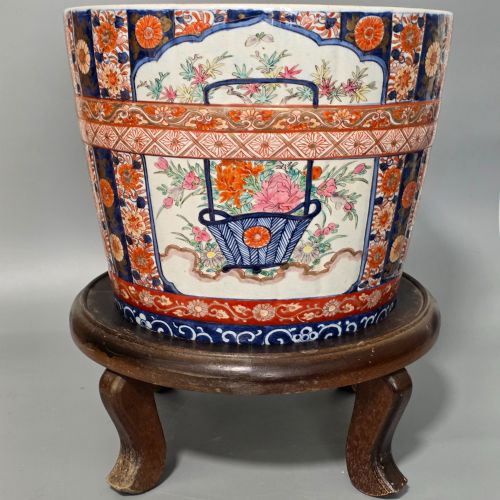
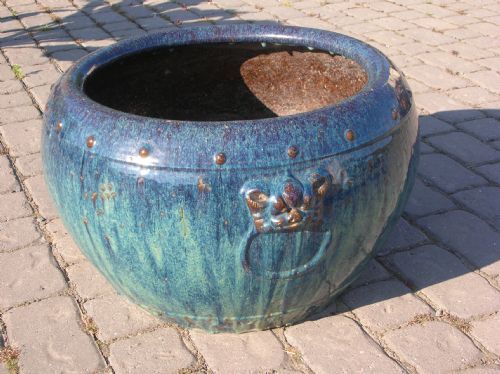
An oriental ceramic jardiniere serves as a substantial plant holder designed to house large indoor flora, frequently accompanied by matched or associated hardwood stands. Buyers seeking an oriental ceramic jardiniere will encounter heavy porcelain and stoneware vessels built for floor or table placement.
The pieces on this page span several centuries, with a strong showing of nineteenth-century Japanese Imari and Chinese Canton pieces alongside eighteenth-century Arita items. Forms range from traditional circular fish bowls to hexagonal planters equipped with drip trays.
Japanese Meiji and Chinese Qing aesthetics dominate the selection, bringing cobalt underglaze blue and polychrome enamel decoration into domestic interiors. These vessels function equally well as standalone decorative objects or as functional planters for substantial greenery.
Materials and construction
Potters built these vessels using heavy ceramic bodies, dense stoneware, and thick porcelain designed to support wet soil and heavy root systems. Surfaces received complex treatments including cobalt underglaze painting, vibrant enamel decoration, and occasional applications of gold leaf.
Firing techniques achieved durable, vitrified walls capable of holding water without significant seepage. Associated display pieces frequently utilised carved hardwood stands tailored to support the rounded bases of large planters.
Oriental Ceramic Jardiniere Retail Price Guide 2026
Typical asking prices for oriental ceramic jardiniere among the pieces listed under this phrase on Sellingantiques today, from the lower quarter to the upper quarter. They describe what is for sale here now, not the wider market.
Listings feature pieces spanning the eighteenth, nineteenth, and early twentieth centuries, encompassing Japanese Imari, Satsuma, and Chinese Canton Famille Rose styles.
Assessing quality
Quality rests upon the crispness of the hand-painted cobalt underglaze or the precision of the polychrome enamel work across the ceramic body. Finer examples display balanced proportions, clean kiln results, and intact surface gilding without heavy rubbing.
The presence of period seal marks, well-modelled forms such as hexagonal bodies with matching drip trays, and structurally sound associated hardwood stands elevate certain pieces above standard utilitarian planters.
Makuzu Kozan II
The Oriental Ceramic Jardiniere Glossary
- Imari
- A style of Japanese export porcelain characterised by a palette of underglaze blue, iron red, and gold. This decorative scheme appeared extensively on large nineteenth-century planters.
- Canton Famille Rose
- A Chinese ceramic style featuring opaque enamel colours dominated by pinks and greens, often depicting figural scenes and botanical motifs. These pieces date largely to the nineteenth century.
- Cobalt underglaze
- A blue pigment applied to the raw ceramic body before glazing and firing, producing deep indigo designs that resist fading. It forms the primary decoration on blue and white fish bowls.
- Stoneware
- A heavy, dense ceramic fired at high temperatures until semi-vitrified, making it robust and waterproof. Japanese makers utilised this durable body for large display vessels.
- Hardwood stand
- A carved wooden support traditionally placed beneath heavy oriental planters to elevate the vessel and protect surfaces. These stands are frequently associated pieces rather than original pairs.
Oriental Ceramic Jardiniere: Frequently Asked Questions
How were these large pots originally used?
These heavy vessels served primarily as indoor planters for large palms, ferns, and citrus trees within wealthy homes and conservatories. Many also functioned as fish bowls for keeping ornamental carp in domestic courtyards and parlours.
Their substantial weight and waterproof glazed interiors protected fine indoor flooring from damp soil and water leakage. Householders often placed them upon carved wooden stands to raise them to comfortable viewing heights.
Can I plant directly inside a jardiniere?
While these vessels were built to hold earth and plants, many collectors prefer placing a separate plastic or terracotta pot inside the ceramic shell. This practice prevents moisture retention against the antique body and makes watering easier.
Drainage varies considerably among older pieces, with some featuring fitted drip trays and others remaining completely sealed at the base. Checking the interior condition helps determine whether direct planting is suitable.
How do I date a Japanese Imari planter?
Dating relies on examining the weight of the porcelain, the tone of the underglaze blue, and the complexity of the enamel palette. Nineteenth-century Meiji examples typically exhibit heavier potting and denser, more crowded surface patterns than earlier eighteenth-century wares.
Surface wear on the base rim and the condition of the iron red and gold enamels also offer clues to age. Associated stylistic markers help place pieces within specific decades of the nineteenth and early twentieth centuries.
What is the difference between a jardiniere and a fish bowl?
The terms frequently overlap in historical listings, but fish bowls tend to feature wide, rounded bellies and slightly incurved rims designed to contain water and swimming fish. Jardinieres often display straighter sides or hexagonal profiles intended strictly for botanical displays.
Both forms share heavy ceramic construction and decorative exterior painting suited for prominent display rooms. Their usage often depended on the owner's preference rather than strict manufacturing limits.