




Qing Dynasty Jardiniere
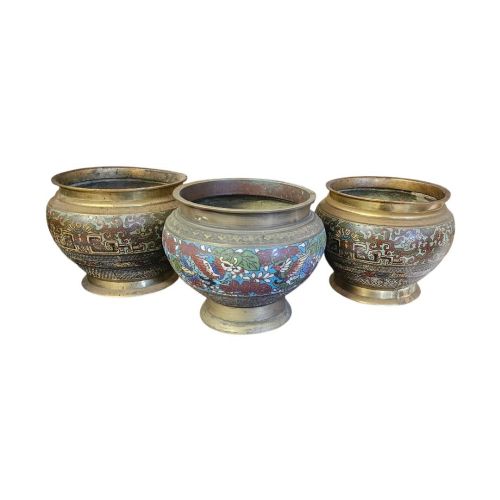
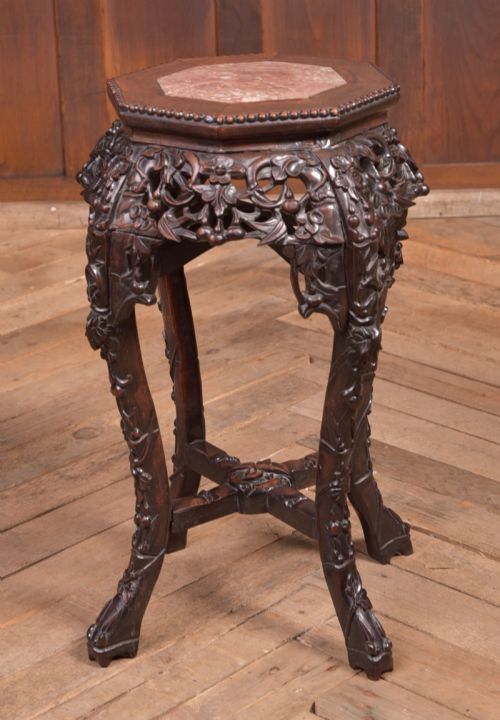
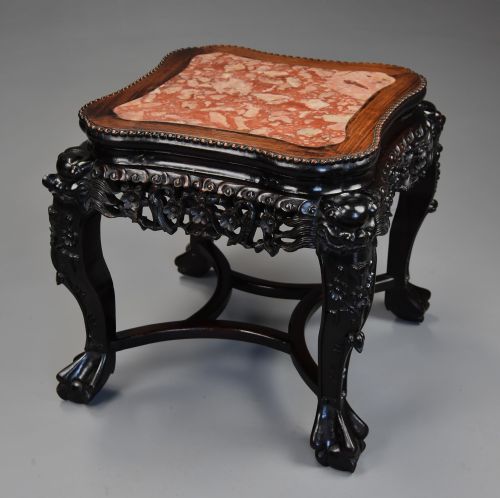
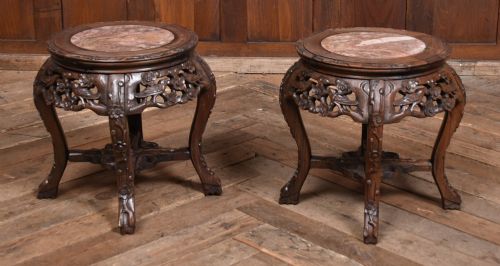
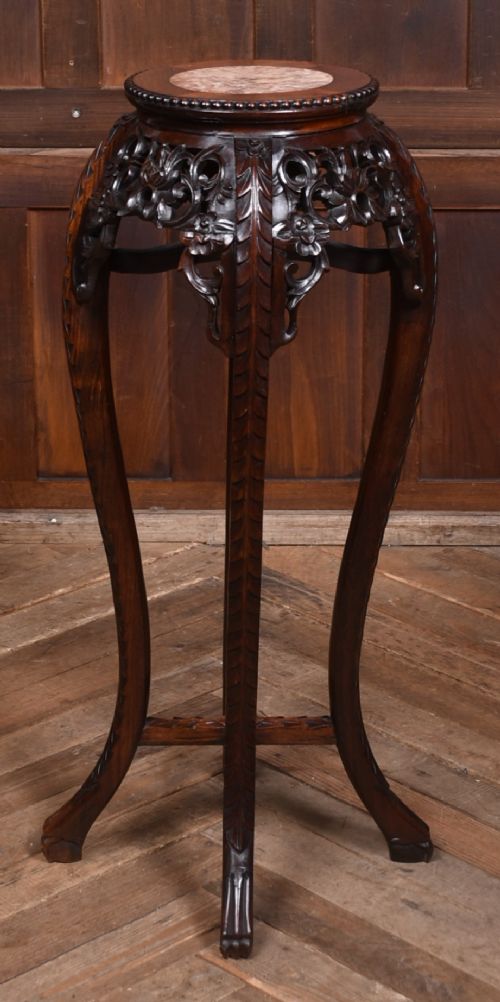
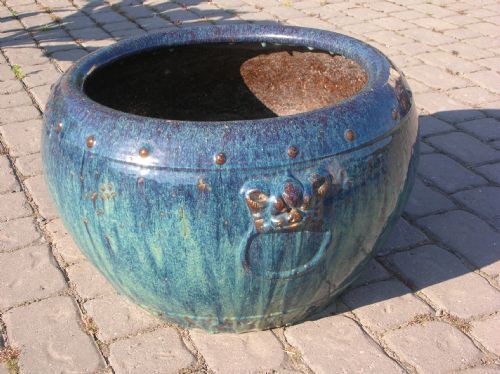
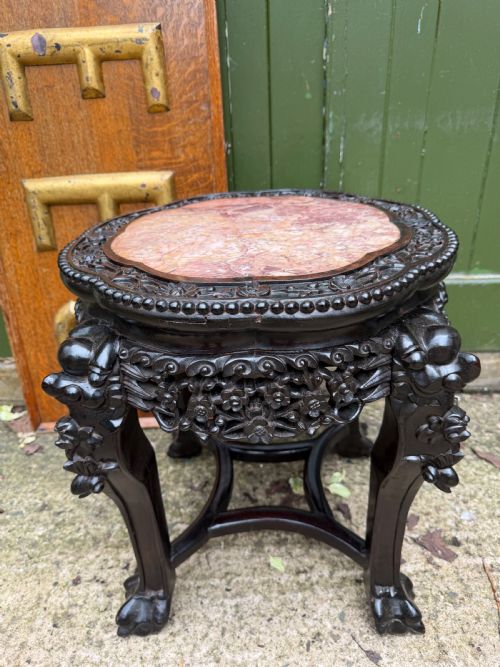
These heavy bronze vessels and carved wooden stands form the qing dynasty jardiniere selection, bringing formal imperial planting indoors.
Qing Dynasty Jardiniere
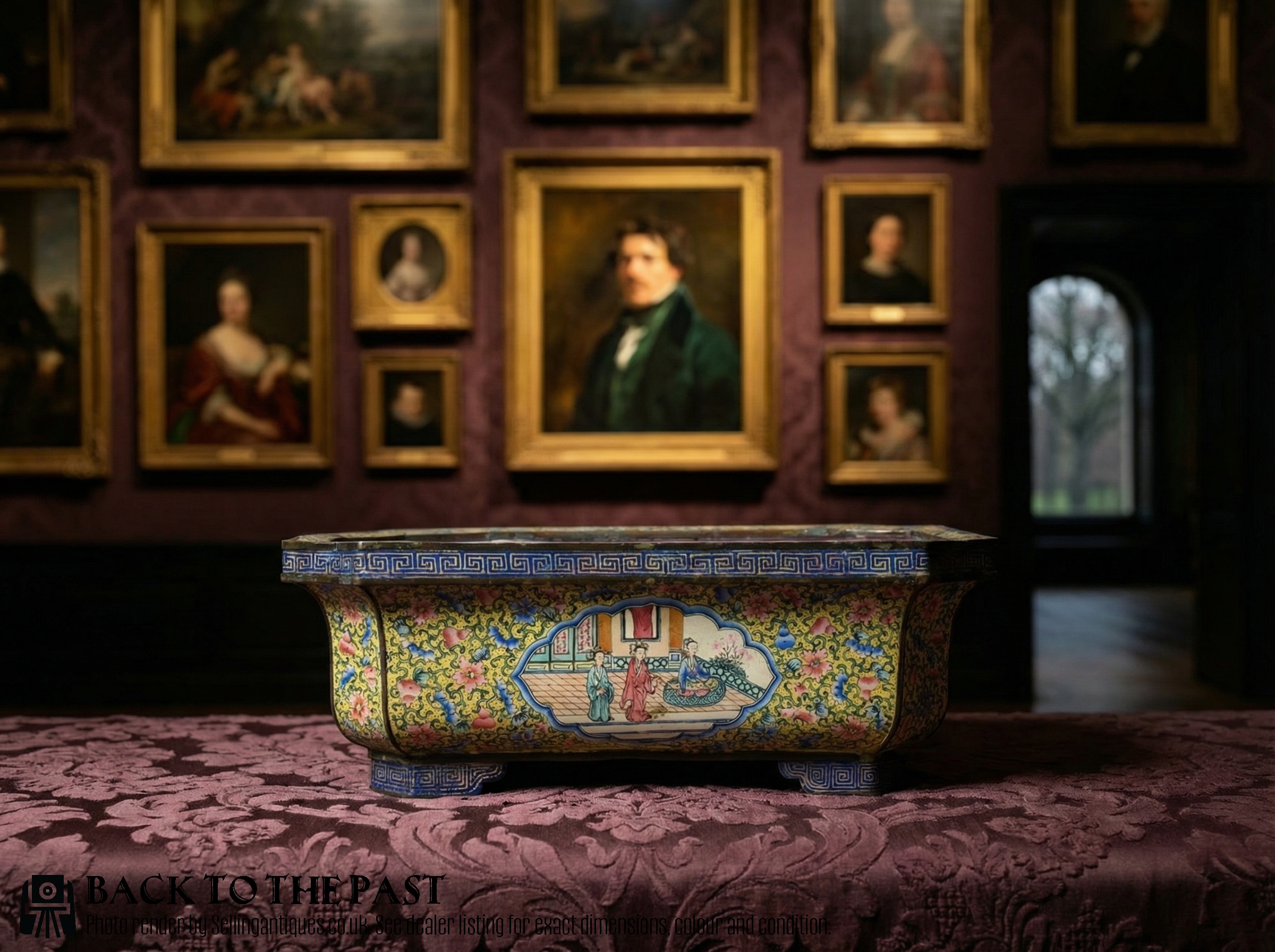
A qing dynasty jardiniere encompasses both the ceramic, enamel or metal plant vessels and the heavily carved wooden stands designed to elevate them. Buyers searching this category frequently encounter nineteenth-century pieces alongside matching display furniture.
The ceramic vessels include blue and white fish bowls, Canton enamel bowls and Imari export porcelain, while the accompanying tables feature inset marble tops. These forms serve to display large indoor plants and decorative vessels within domestic rooms.
Originating from Chinese export and domestic traditions, these items range from low pot stands to tall pedestal tables. The most common survivals date from the late nineteenth century, reflecting extensive international trade and local craftsmanship.
Distinctions in quality
Superior examples display crisp, deeply undercut wood carving that retains sharp definition across every floral and geometric motif. Lesser pieces exhibit shallow detailing, mechanical smoothing and poorly fitted marble inserts that sit unevenly within the wooden frame.
Metal and ceramic quality depends upon the precision of the enamel work and the clarity of the glaze firing. Heavy bronze bowls with balanced proportions and intact cloisonne cells represent the upper tier of production.
Qianlong
The Qing Dynasty Jardiniere Glossary
- Hongmu
- A dense, dark red-brown hardwood favoured by traditional Chinese furniture makers for its strength and fine grain.
- Champlevé
- An enamelling technique where troughs are gouged into a bronze surface and filled with vitreous paste before firing.
- Jardiniere
- A large ornamental pot or container designed specifically to hold indoor plants or floral displays.
- Cloisonne
- A decorative metalwork method utilising soldered wire partitions to create compartments filled with coloured enamel.
- Famille Rose
- A palette of opaque Chinese ceramic glazes dominated by pink and rose enamel colours introduced during the Qing period.
Qing Dynasty Jardiniere: Frequently Asked Questions
What is a qing dynasty jardiniere?
A qing dynasty jardiniere is an ornate vessel designed for displaying plants, often accompanied by a dedicated wooden stand with an inset marble top.
These pieces were produced in ceramic, bronze and cloisonne enamel for both domestic interior use and international export markets.
How were these stands used?
Plant stands and low tables elevated heavy ceramic bowls to protect delicate flooring and improve visibility for indoor greenery.
They also functioned as occasional tables for lamps, decorative vessels and scholarly objects within traditional rooms.
How do I care for hardwood stands?
Hardwood furniture requires occasional treatment with appropriate natural waxes to maintain the lustre of dense timbers like padouk and hongmu.
Keep these items away from direct heat sources and sudden humidity changes to prevent timber movement or marble cracking.
Are bronze bowls heavy?
Cast bronze and cloisonne vessels possess a substantial weight due to the thick metal walls and dense interior linings.
This heft ensures stability when supporting large plants or water-filled fish bowls.