







Chinese Ceramic Planter
A Chinese ceramic planter brings vibrant hand-painted colour and sculptural presence to interior spaces, combining utility with centuries of artistic tradition.
Chinese Ceramic Planter
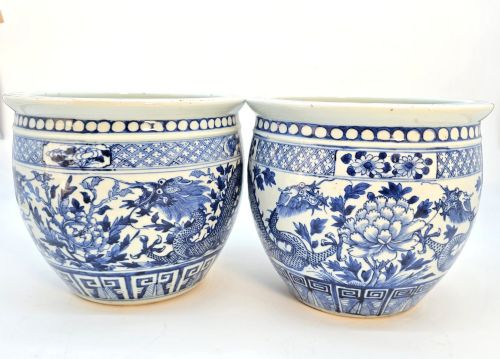
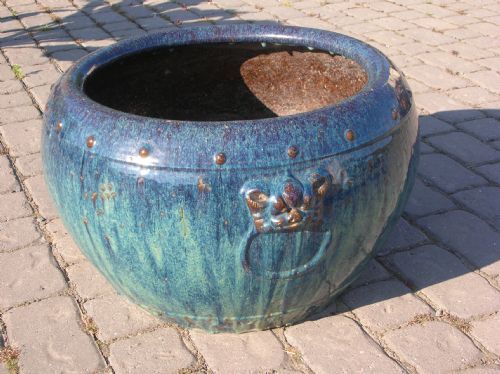
A Chinese ceramic planter is a vessel designed to house plants, commonly known by period terms such as jardinière, bough pot, or fish bowl. You will encounter forms ranging from heavy hexagonal vessels with drip trays to lobbed rectangular bowls and rounded blue and white basins.
The objects span multiple periods, with pieces originating from the eighteenth century, the nineteenth century, and early twentieth century production. These vessels adapt domestic interiors by holding greenery or standing alone as decorative bowls.
Makers utilised distinct regional and dynastic aesthetics, drawing on Qing Dynasty traditions and Chinese Export designs. The selection frequently includes Canton Famille Rose enamels, cobalt underglaze blue and white porcelain, and Imari palettes.
How they were made
Potters shaped porcelain and glazed ceramic into heavy vessels, firing them to achieve durable bodies capable of holding soil and water. Artisans applied cobalt underglaze before the final firing or decorated the hardened surfaces with intricate enamel colours.
Gilt and gold leaf details appear on selected surfaces, accentuating the painted motifs of peonies, birds, and narrative scenes. Surface decoration ranges from simple blue washes to elaborate polychrome Canton Famille Rose compositions.
Chinese Ceramic Planter Retail Price Guide 2026
Typical asking prices for chinese ceramic planter among the pieces listed under this phrase on Sellingantiques today, from the lower quarter to the upper quarter. They describe what is for sale here now, not the wider market.
Fish bowls originally meant for swimming carp now happily retire holding giant ferns.
What varies in quality
The precision of the hand-painted brushwork distinguishes standard production from finer examples, particularly in the rendering of botanical and avian motifs. Crisp cobalt underglaze lines and carefully controlled enamel placement indicate superior craftsmanship.
The weight, wall thickness, and uniformity of the porcelain body reflect the maker's skill during shaping and firing. Presence of four character seal marks or well-executed base details adds tangible evidence of period origin and workshop care.
The Chinese Ceramic Planter Glossary
- Jardiniere
- A large ornamental pot or stand for holding plants or flowers. These vessels often feature deep sides suited to housing potted greenery.
- Famille Rose
- A major palette of Chinese ceramic glazes introduced in the eighteenth century, distinguished by opaque pink or rose enamel colours. This style allows for subtle tonal shading in floral and figural designs.
- Imari
- A style of ceramic decoration imported from Japan and imitated in Chinese Export wares, typically combining underglaze blue with iron red and gold. The resulting surface presents a rich, multi-coloured visual impact.
- Bough Pot
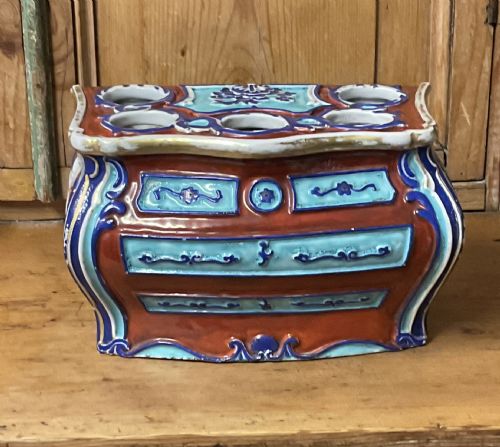
- A vessel specifically constructed to hold cut branches or flowers for interior decoration. They often appear in bombe commode shapes.
- Cobalt Underglaze
- A blue pigment applied directly to the raw ceramic body before glazing and firing. This technique ensures the colour remains permanently sealed beneath the clear glass surface.
Chinese Ceramic Planter: Frequently Asked Questions
What is a Chinese ceramic planter?
A Chinese ceramic planter is a decorative vessel made from porcelain or glazed ceramic, traditionally used to hold plants, cut branches, or fish. These items serve as functional horticultural containers and striking interior ornaments.
Examples span several centuries and include forms like jardinières, fish bowls, and bough pots. They frequently feature hand-painted cobalt blue or polychrome enamel decoration.
How were these planters used historically?
Historically, these vessels served practical roles in domestic spaces as plant holders, indoor garden basins, or large decorative bowls. Wealthy households placed them in reception rooms and courtyards to display specimen plants.
Some forms, such as bough pots, were specifically designed for arranging floral sprays and tree branches. Others functioned as ornamental fish bowls within reception areas.
How can I tell the period of a planter?
Dating relies on examining the characteristics of the ceramic body, glaze type, and painting style. Eighteenth-century pieces often display specific Export or Imari palettes, while nineteenth-century items frequently exhibit Canton Famille Rose enamels or blue and white designs.
Base marks, such as four character seals, offer additional clues to the era of production. Comparing the weight and pigment depth helps distinguish older hand-painted work from later manufacturing.
What is a fish bowl planter?
A fish bowl planter is a large, deep ceramic basin originally designed for keeping ornamental fish indoors. Their robust proportions and waterproof glazed interiors made them ideal for holding water and aquatic life.
Today, these wide bowls serve equally well as grand planters for large indoor houseplants or as standalone decorative centrepieces. They often feature continuous narrative scenes or floral motifs around the curved exterior.