
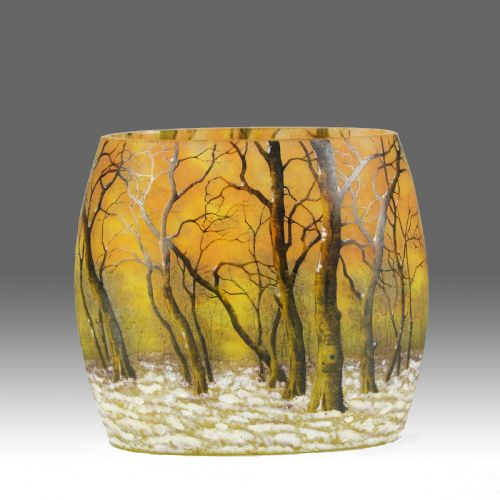


Decorative Studio Vessel
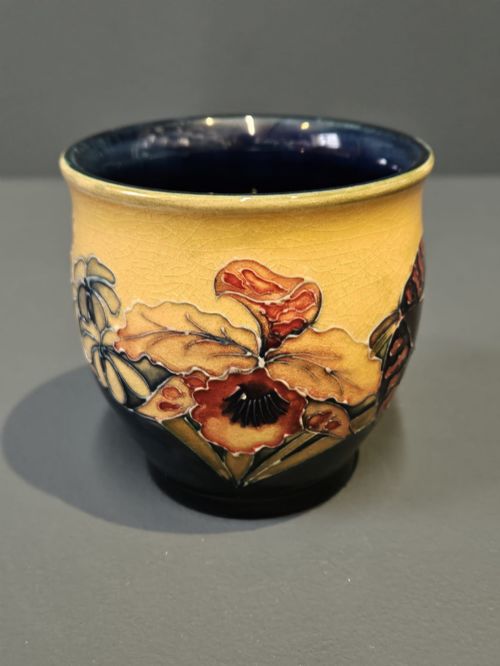
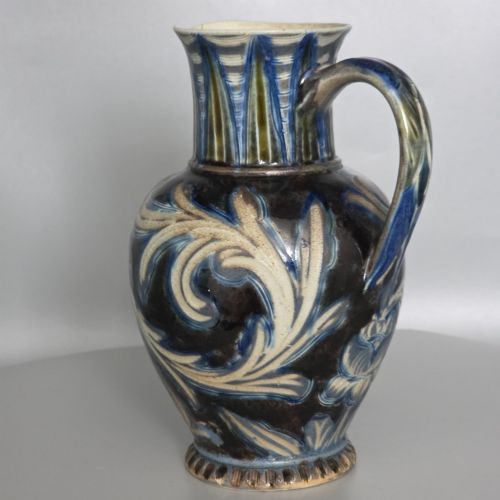
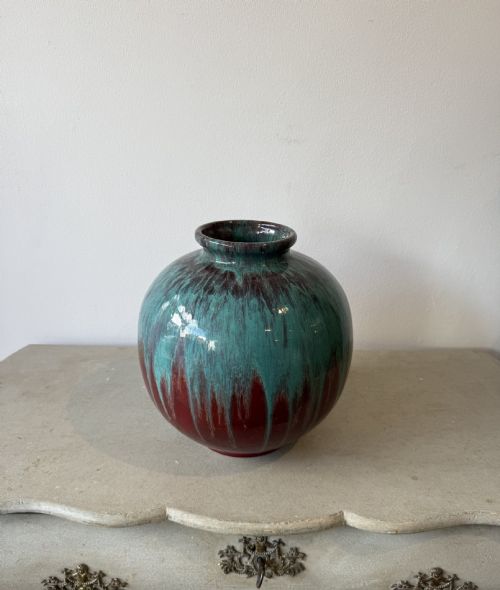
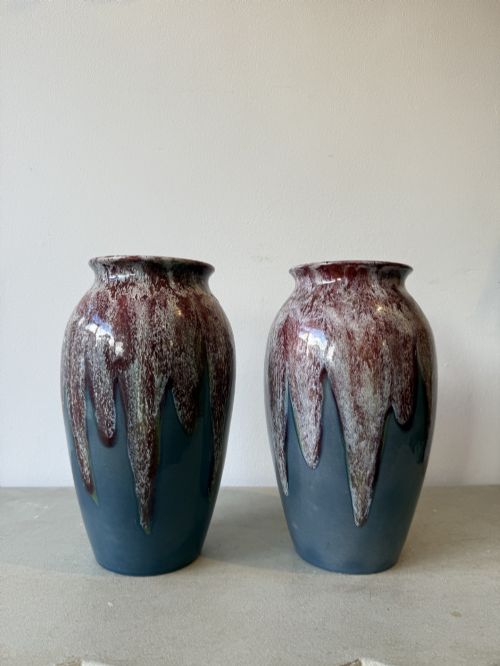
These decorative studio vessel pieces bring hand-thrown form and experimental glaze to any room, offering tangible links to early twentieth-century ceramic art.
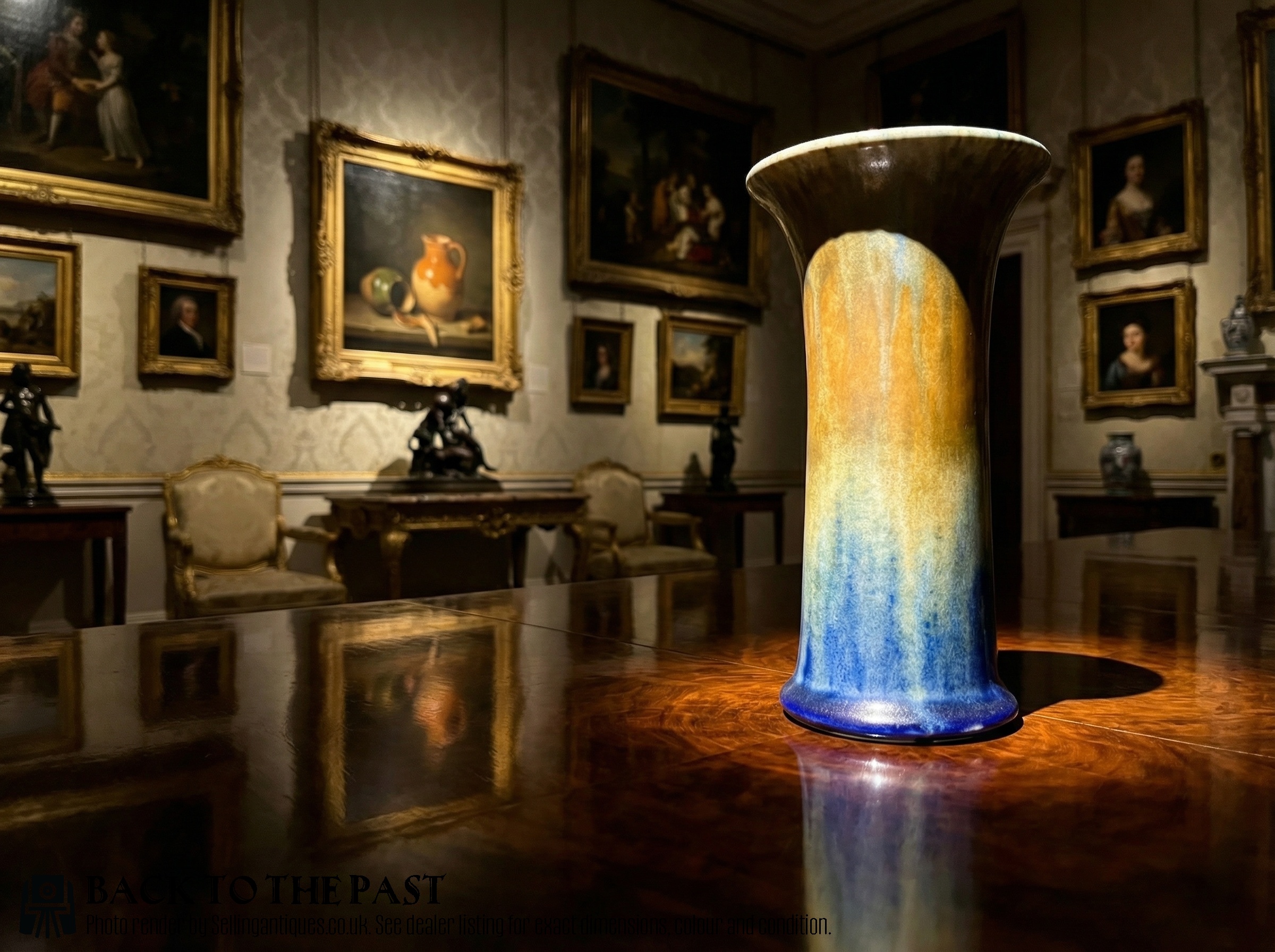
Decorative Studio Vessel
A decorative studio vessel represents individual artistic expression rather than mass-produced factory output. When exploring a decorative studio vessel, buyers encounter diverse forms ranging from French ceramic vessels and English art pottery jugs to Japanese globular Satsuma pieces.
The selections span distinct creative movements including Art Nouveau, Art Deco, Arts and Crafts, and Victorian Art Pottery. Most examples on this page date from the late nineteenth century through to the mid-twentieth century, showcasing the evolution of studio ceramics.
Vessels take shapes such as vases, pitchers, and carafes, created by notable potteries and independent makers. Each decorative studio vessel reflects the specific stylistic priorities and technical experiments of its period of origin.
Materials and construction methods
Potters shaped these pieces from earthenware, stoneware, and ceramic bodies, often utilising hand-throwing or moulding techniques. Glazes play a central role, with crystalline, drip, and salt glaze treatments defining the surface texture and colour.
Makers applied enamel, hand-painted pigments, and incised carving to decorate the surfaces before firing. Glass pieces also appear, employing cameo techniques to achieve layered visual depths.
The documented periods span from the Victorian era and Meiji period through to mid-century modern design.
Evaluating quality and execution
Quality rests upon the control of the firing process and the dexterity of the glaze application. Crystalline and drip glazes show distinct chemical reactions that separate mediocre results from masterworks.
The crispness of incised carving and the precision of hand-painted details distinguish finer pieces. Stronger examples display a harmonious relationship between the vessel's silhouette and its surface decoration.
Doulton Lambeth·Daum Frerès·Gallilleo Chini·Robert T Lallement·Sir Edmund Elton·Kinkozan·Pilkingtons Royal Lancastrian·Ruskin Pottery·Roger Guerin
The Decorative Studio Vessel Glossary
- Crystalline glaze
- A type of ceramic surface finish where zinc silicate crystals grow during the cooling phase of the kiln firing. This creates natural, flower-like patterns across the vessel.
- Salt glaze
- A decorative finish achieved by throwing common salt into the kiln at high temperatures, reacting with the clay body to form an orange-peel texture.
- Earthenware
- A porous pottery body fired at lower temperatures, requiring a glaze to achieve water impermeability. It forms the foundation for many traditional studio pieces.
- Stoneware
- A robust, vitrified ceramic material fired at high temperatures until the clay body becomes non-porous and dense. It resists chipping and holds heavy glazes securely.
- Art pottery
- Ceramics produced by artists and small potteries focusing on aesthetic design and experimental glazes rather than utilitarian function.
Decorative Studio Vessel: Frequently Asked Questions
What is a studio vessel?
A studio vessel is a ceramic or glass object made by an individual artist or small workshop, prioritising artistic design over mass production.
These pieces reflect personal experimentation with forms, glazes, and decorative techniques distinct from commercial factory wares.
How do I date these pieces?
Dating relies on stylistic markers such as Art Nouveau curves or Art Deco geometries, alongside physical evidence like maker stamps and glaze chemistry.
Comparing the potting style and signature traits with documented periods helps establish an accurate timeframe.
Where were they made?
These pieces originate from various European and Asian workshops, including English potteries, French studios, and Japanese kilns.
Regional preferences often dictated the choice of clay body, such as heavy stoneware or delicate Satsuma earthenware.
How do I clean my vessel?
Dusting gently with a soft, dry cloth is usually sufficient to maintain the surface finish of glazed ceramic and glass pieces.
Avoid using harsh chemical cleaners or submerging porous earthenware in water for extended periods.