
Writing Desk with Drawers
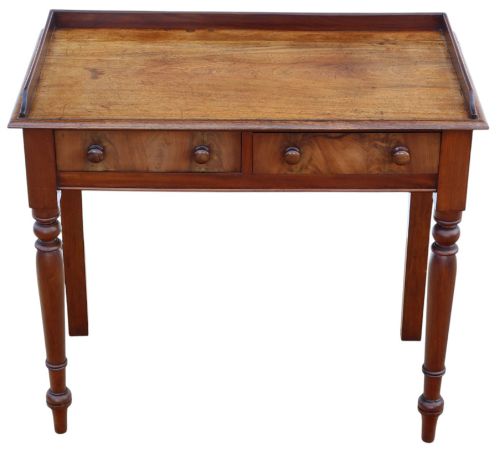
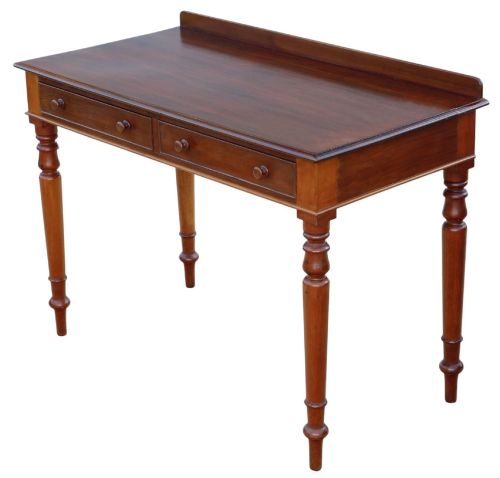
A writing desk with drawers is a domestic workplace built for correspondence and accounts, combining surface and storage in oak, mahogany or walnut.
Writing Desk with Drawers
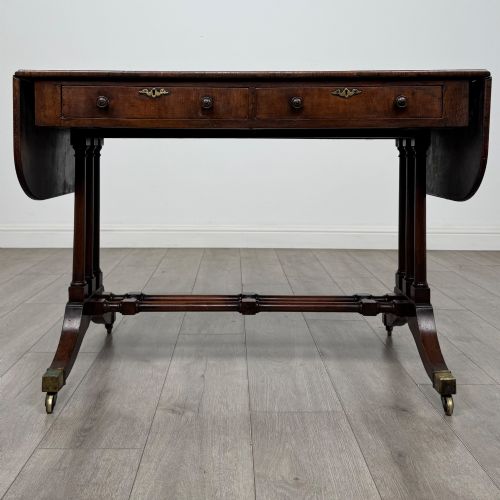
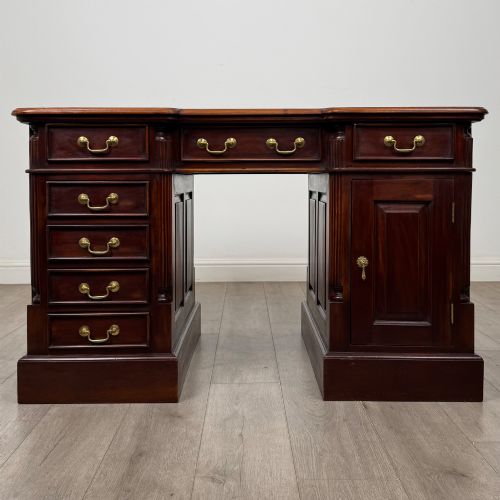
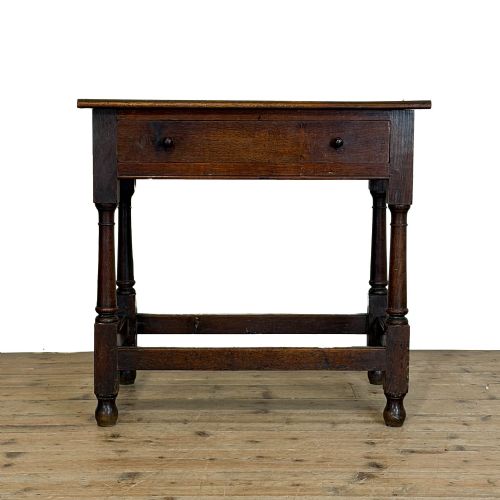
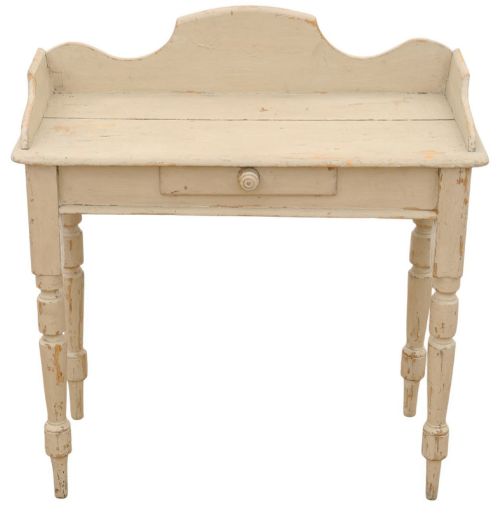
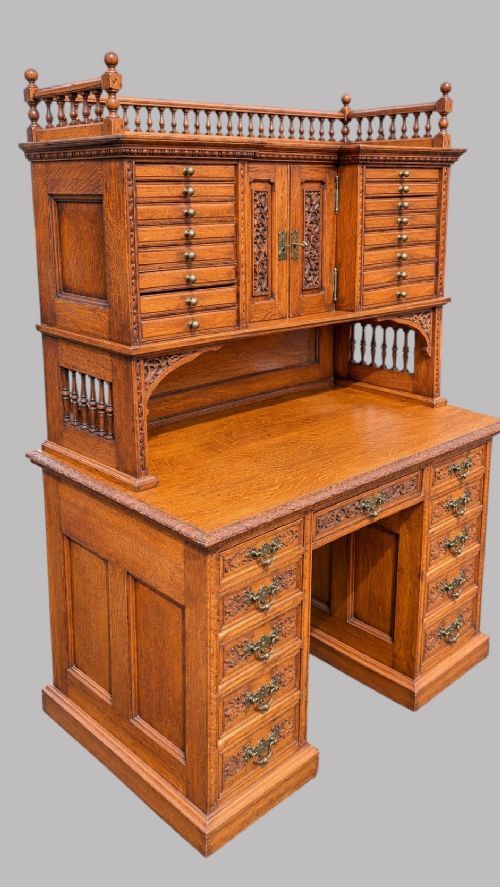
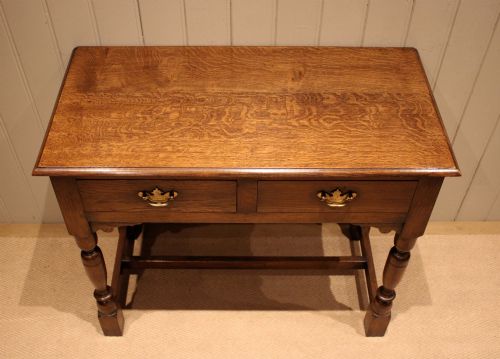
A writing desk with drawers spans multiple centuries of domestic furniture, appearing in heavy oak during the 17th century before transitioning into the refined mahogany and walnut forms of the Georgian and Victorian eras. Buyers encounter everything from simple pine farmhouse tables fitted with a single frieze drawer to elaborate bureau bookcases and pedestal desks.
The Victorian period supplies a large share of the pieces seen here, particularly pedestal kneehole desks and writing tables constructed in mahogany or oak with multiple functional drawers. Edwardian examples often feature inlaid mahogany or simpler pine and oak construction, while 18th-century pieces favour figured walnut and rich mahogany.
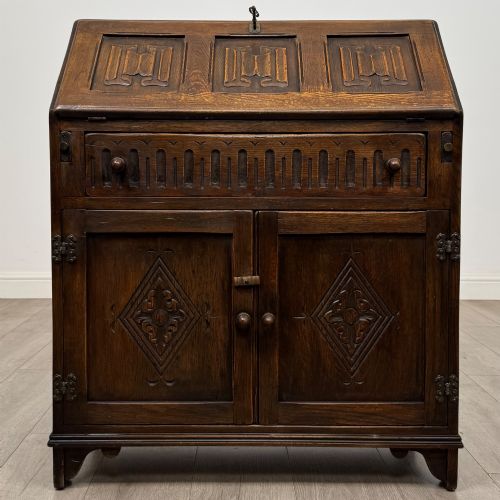
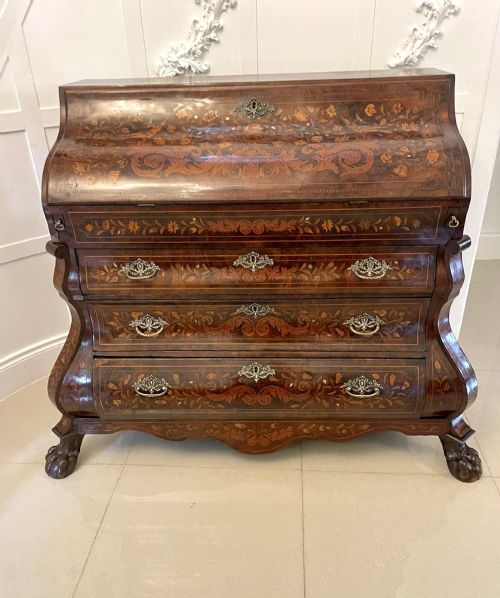
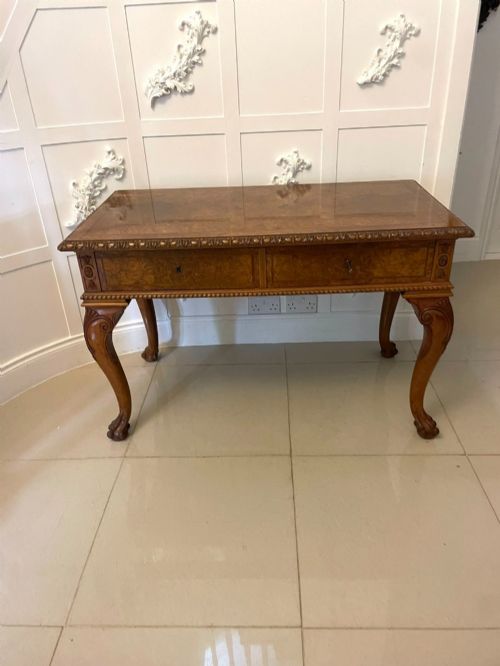
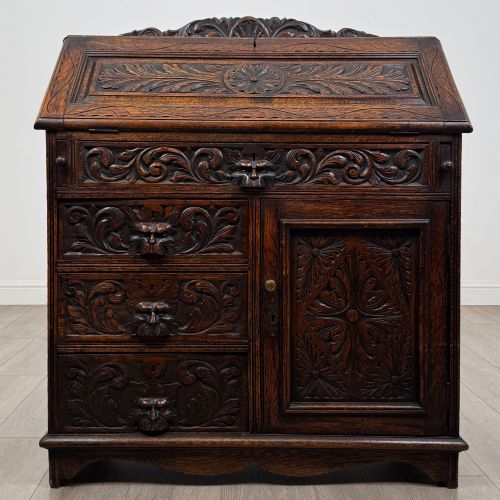
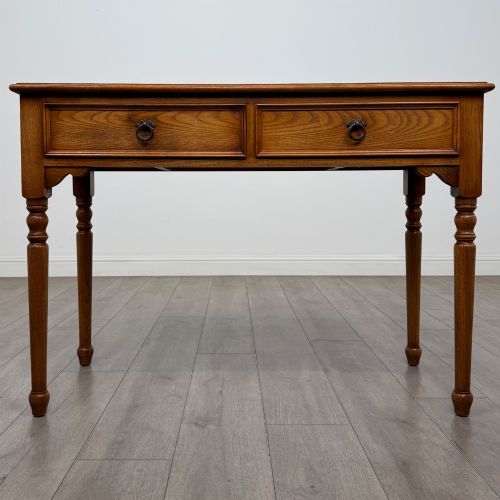
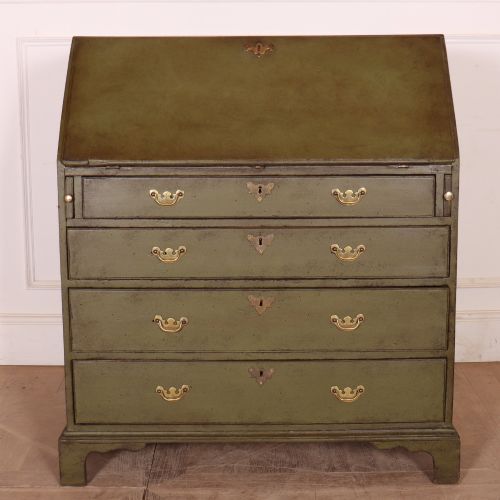
Beyond standard writing tables, the category encompasses bureau forms with fall-front flaps concealing fitted stationery interiors, alongside console and side tables adapted with single or twin drawers. These surfaces served domestic studies, libraries and bedrooms across Britain.
Materials and Construction
Cabinetmakers relied heavily on timbers such as mahogany, oak and walnut, frequently selecting figured veneers like burr walnut and flame mahogany for primary display surfaces. Secondary woods such as pine appear in drawer linings and internal partitions.
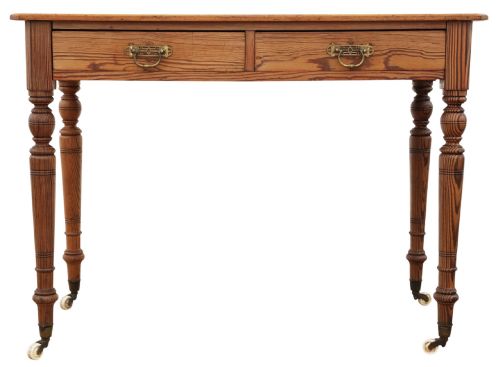
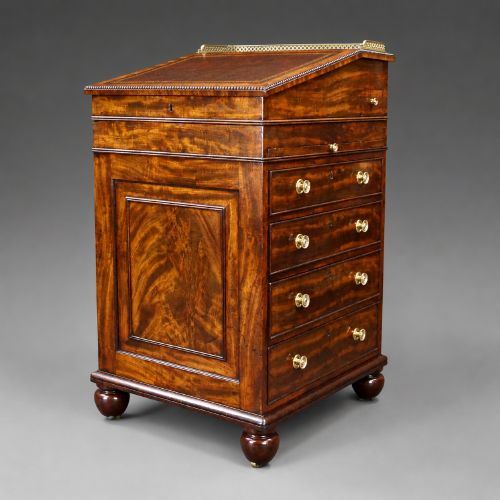
Hardware and writing surfaces define the construction of these pieces, incorporating brass handles, castors and escutcheons alongside inset leather writing surfaces often finished with blind tooling. Drawers are joined using traditional dovetails, sliding into friezes or pedestals designed to support daily administrative labour.
Writing Desk with Drawers Retail Price Guide 2026
Typical asking prices for writing desk with drawers among the pieces listed under this phrase on Sellingantiques today, from the lower quarter to the upper quarter. They describe what is for sale here now, not the wider market.
The listings span the 18th, 19th and 20th centuries, covering Georgian, Victorian and Edwardian periods in oak, mahogany and walnut.
Gradations of Make
Quality reveals itself in the selection of timber and the precision of the joinery, distinguishing utilitarian utility pieces from high-status cabinet work. Superior examples exhibit continuous grain matching across drawer fronts, finely cut dovetails and substantial brass hardware.
Design complexity also separates pieces, with master workshops investing labour in carved details, serpentine fronts, specialised stationery fittings and integrated leather writing surfaces. Simpler regional pieces utilise straightforward plank construction and plain timber boards.
Gillows·Edwards and Roberts·Heals of London
The Writing Desk with Drawers Glossary
- Bureau
- A desk featuring a sloping fall-front that opens to reveal internal pigeonholes and small drawers. This form allows correspondence to be concealed when not in use.
- Pedestal desk
- A heavy freestanding writing table supported by two banks of drawers flanking a central kneehole. These units provide substantial storage capacity.
- Frieze drawer
- A drawer integrated directly into the horizontal band beneath the tabletop. Single or multiple frieze drawers appear frequently on library and side tables.
- Writing slide
- A pull-out board positioned above the drawers to extend the working surface temporarily. It retracts flush when the desk is closed.
- Fall-front
- The hinged sloping panel of a bureau that drops down to form a horizontal writing surface. It rests upon pull-out wooden supports when lowered.
Writing Desk with Drawers: Frequently Asked Questions
Where were these desks placed?
These desks typically stood in private studies, libraries, drawing rooms or master bedrooms where correspondence and household accounts were managed.
Larger pedestal and library versions occupied the centre of rooms, while side tables and smaller writing desks sat flush against walls or windows to catch natural light.
How do I identify a Georgian bureau?
Georgian bureaux are distinguished by rich timber selections like mahogany or walnut, featuring a sloping fall-front that opens to reveal stepped internal compartments.
Drawer construction employs hand-cut dovetails and solid timber linings, often accompanied by original brass batwing handles and bracket feet.
What is a kneehole desk?
A kneehole desk is a freestanding form featuring a central recess for the user's legs, flanked on both sides by vertical stacks of drawers.
This configuration maximises storage space while providing a stable, seated workspace suitable for administrative tasks.
How do Victorian desks differ from earlier ones?
Victorian desks generally display heavier proportions and incorporate darker woods like mahogany, burr walnut and pitch pine, often set on turned legs with castors.
They frequently include fitted stationery compartments and inset leather writing surfaces designed to accommodate steel-nib pen use.