







Woven Wool Rug
A woven wool rug grounds a room with authentic texture, bringing centuries of nomadic and workshop artistry straight to your floor.
Woven Wool Rug
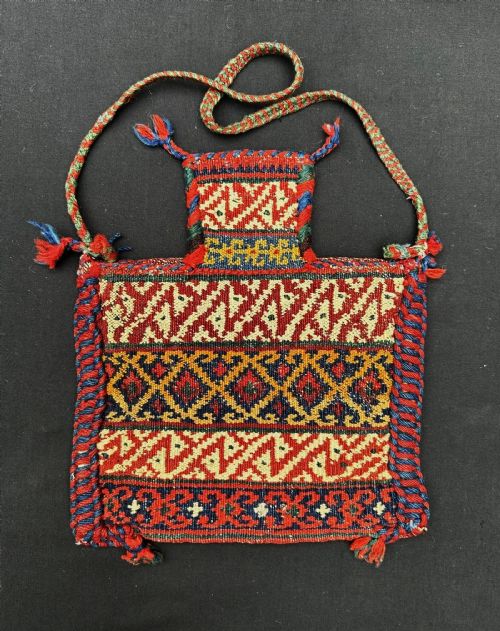
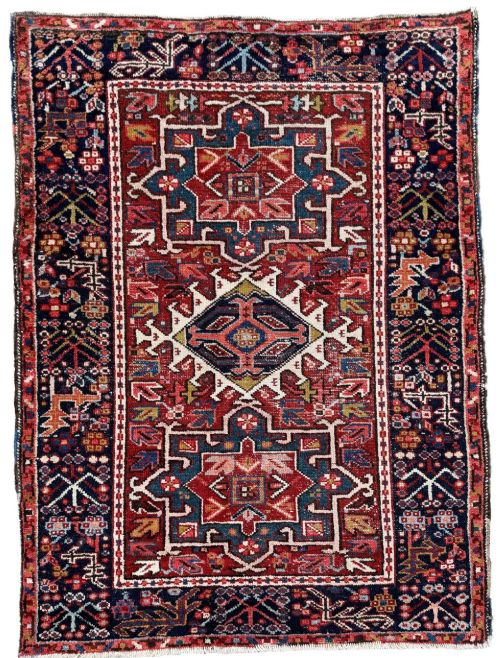
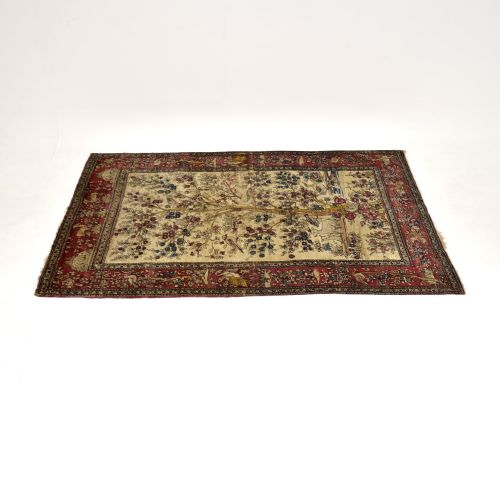
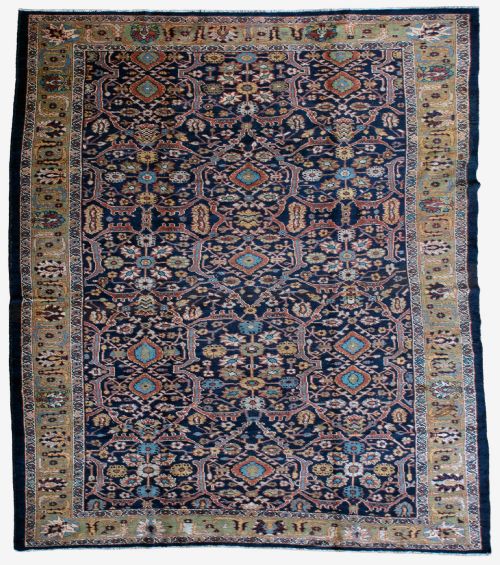
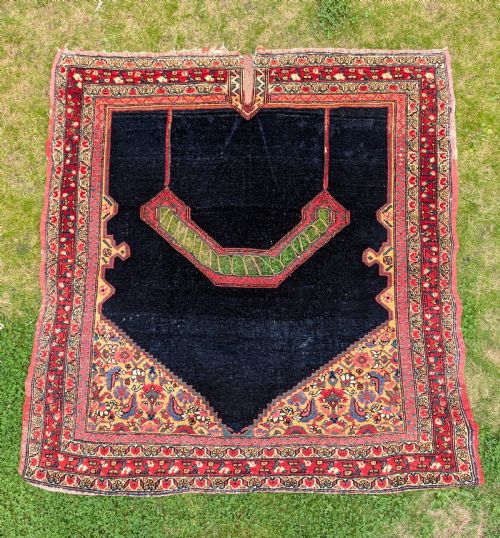
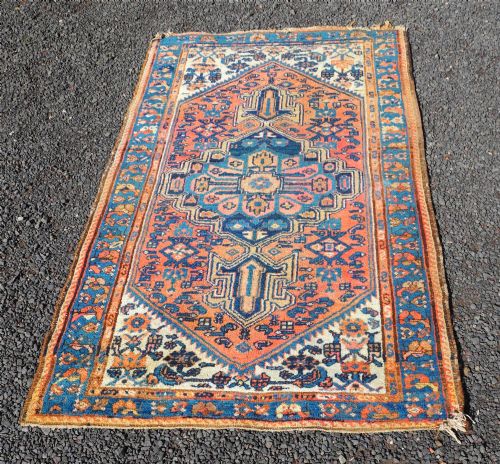
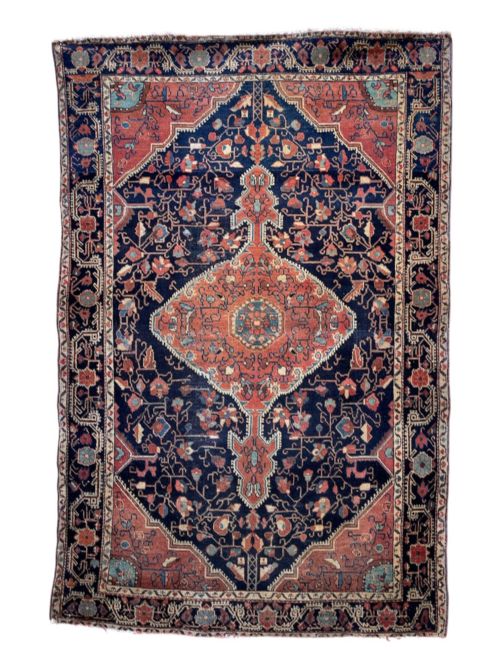
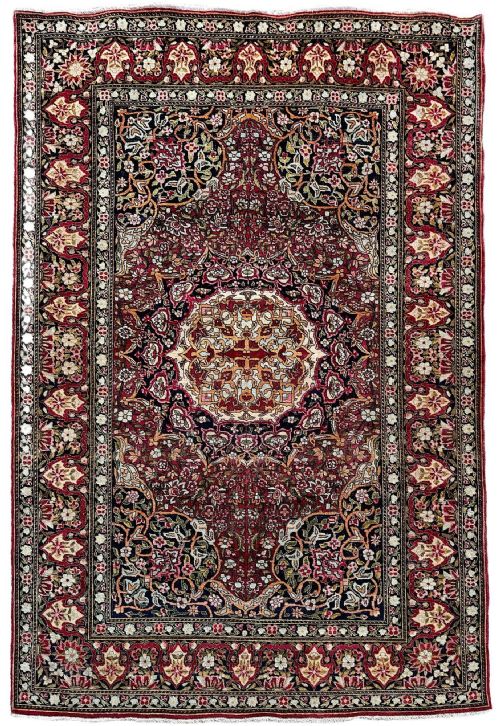
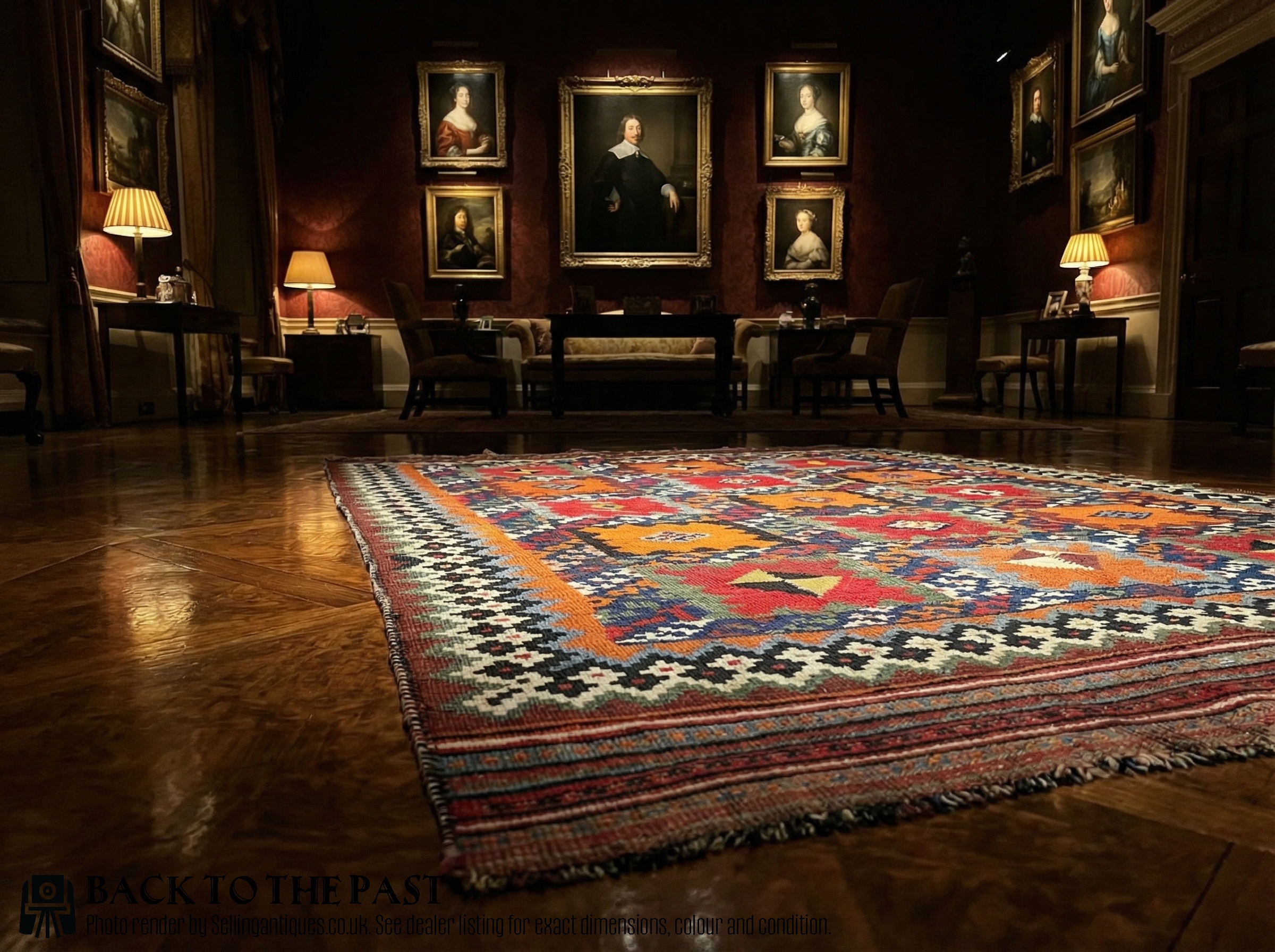
A woven wool rug encompasses floor coverings fashioned from animal fibres, spanning regional styles from Persian and Anatolian tribal pieces to Spanish Renaissance and Central Asian carpets. When exploring these textiles, you encounter formats ranging from compact runner sizes to large carpets exceeding five metres in length.
The pieces appearing on this page originate predominantly from the nineteenth and early twentieth centuries, including distinct periods such as 1880, 1920, and 1930. You will frequently meet Persian and Turkish variants, alongside specific tribal workshops like Qashqai, Khamseh, Baluch, and Tekke.
Forms are categorized broadly across rugs and carpets, with specific village and nomadic identities such as Mahal, Kashan, Hamadan, and Fereghan appearing regularly. These textiles serve as both functional floor coverings and historical artefacts reflecting the heritage of their weavers.
Construction and materials
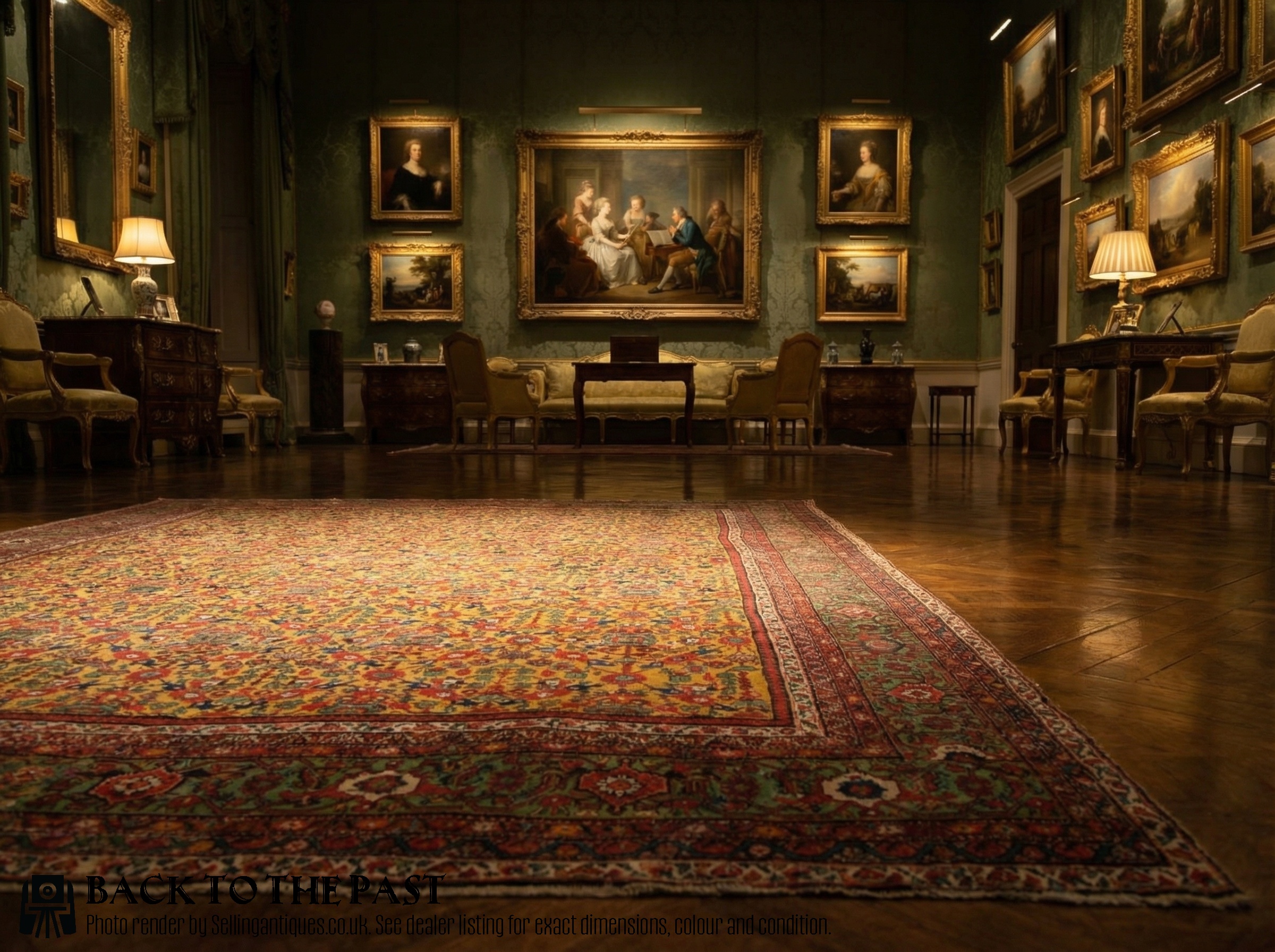
Construction relies primarily on natural wool, occasionally supported by cotton foundations, worked by hand into durable floor textiles. The tactile qualities of these pieces stem directly from the organic nature of the fleece utilised in both pile and warp.
Woven Wool Rug Retail Price Guide 2026
Typical asking prices for woven wool rug among the pieces listed under this phrase on Sellingantiques today, from the lower quarter to the upper quarter. They describe what is for sale here now, not the wider market.
Listings feature pieces spanning the nineteenth century through the 1930s, constructed from wool and cotton.
Judging quality in antique textiles
Quality rests in the integrity of the weave, the density of the knotting or flatweaving, and the clarity of the regional design vocabulary. Finer examples display precise execution of traditional motifs and balanced proportions that mark disciplined workshop or nomadic production.
The condition of the wool, the retention of original edge finishes, and the depth of natural dyes separate standard domestic pieces from superior examples. Natural wear patterns and patination on older pieces, such as nineteenth-century Fereghan or Khamseh carpets, indicate genuine age and authentic use.
The Woven Wool Rug Glossary
- Kelim
- A flatwoven carpet or rug produced without a pile, common in Turkish and tribal traditions. These textiles rely on interlocking weft threads to create geometric patterns.
- Pile
- The upright yarn loops or tufts that form the soft surface of a rug, distinguishing woven carpets from flatweaves. It provides cushioning and warmth underfoot.
- Warp
- The vertical foundation threads stretched lengthwise on a loom before weaving begins. The wool or cotton fringe of a finished rug is an extension of these structural threads.
- Weft
- The horizontal threads passed back and forth across the warp to hold the design and structure together. In flatweaves, the weft forms the visible pattern.
- Tribal
- Pertaining to rugs made by nomadic or village groups rather than city workshops. These pieces often feature geometric motifs and spontaneous colour choices.
Woven Wool Rug: Frequently Asked Questions
How do I clean an old wool rug?
Gentle surface brushing and professional specialist cleaning suited for antique wool textiles preserve the natural lanolin and fibres.
Avoid harsh chemical treatments or soaking, which damage the historic dyes and structural wool foundations.
Can I place these rugs in high traffic areas?
Many of these sturdy wool constructions withstand regular movement when paired with a quality breathable underlay to prevent sliding.
Placing them in hallways or living rooms distributes wear evenly across the historic weave.
How do I identify a tribal rug?
Tribal pieces typically display geometric medallions, hooked motifs, and abrash colour variations stemming from natural dye lots.
They lack the strict symmetry of formal city carpets, reflecting the personal expression of the weaver.
What is the difference between a rug and a carpet?
Rugs generally refer to smaller floor coverings, whereas carpets denote larger room-scale textiles.
Both categories utilise identical handwoven wool techniques, differentiated purely by physical dimensions.