
Worcester Hand Painted Ceramic
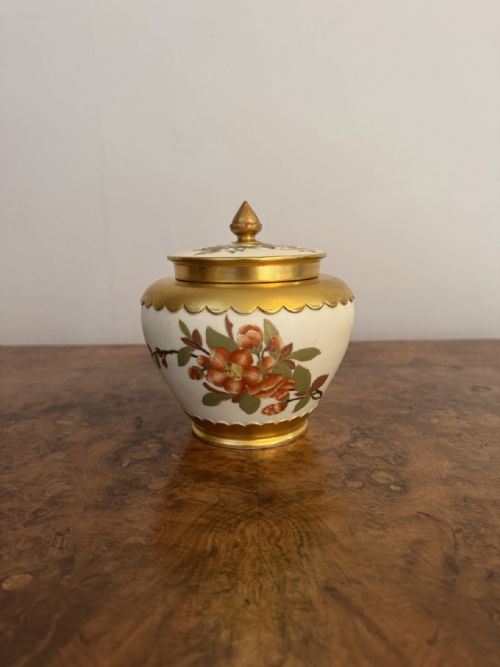
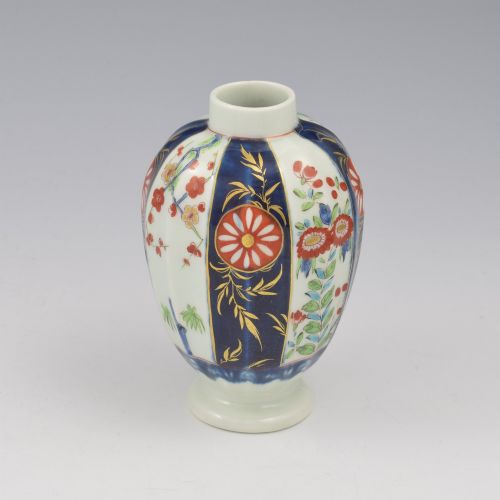
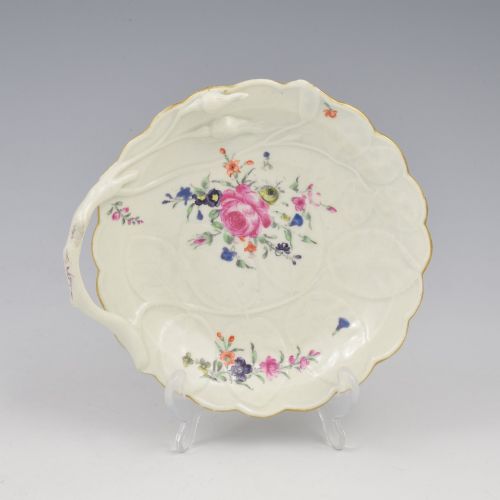
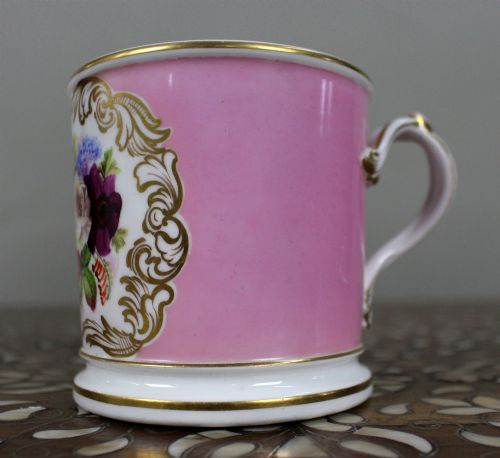
Worcester hand painted ceramic pieces unite centuries of fine porcelain artistry, offering collectors delicate floral motifs and rich hand-applied gilding.
Worcester Hand Painted Ceramic
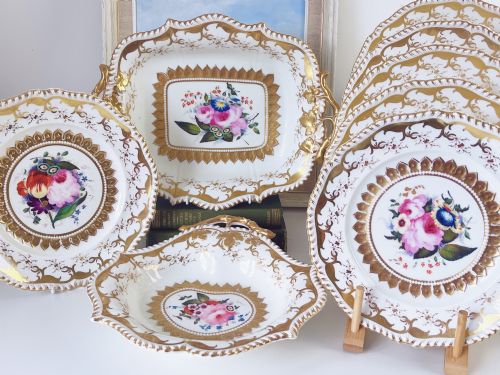
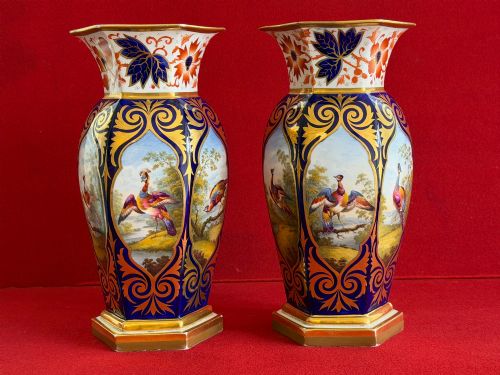
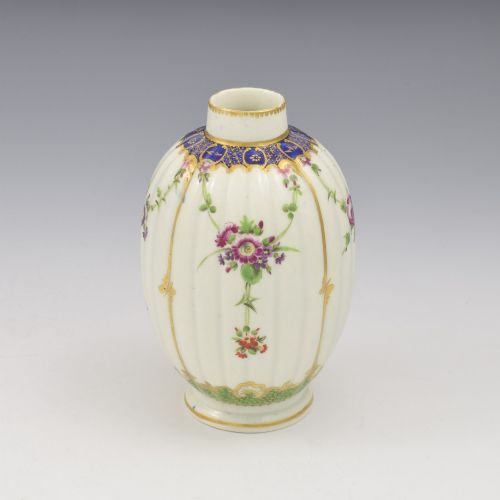
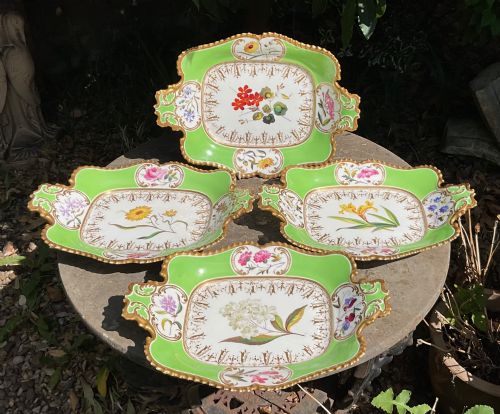
When you search for worcester hand painted ceramic pieces, you encounter items ranging from eighteenth-century Dr Wall tea canisters and chestnut baskets to nineteenth-century Regency vases and twentieth-century cabinet plates. The selection spans utilitarian vessels like coffee pots and tankards alongside purely decorative items such as wall plaques, jardinieres, and dessert services.
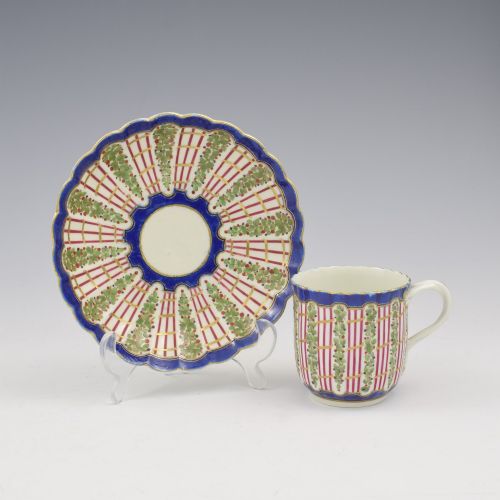
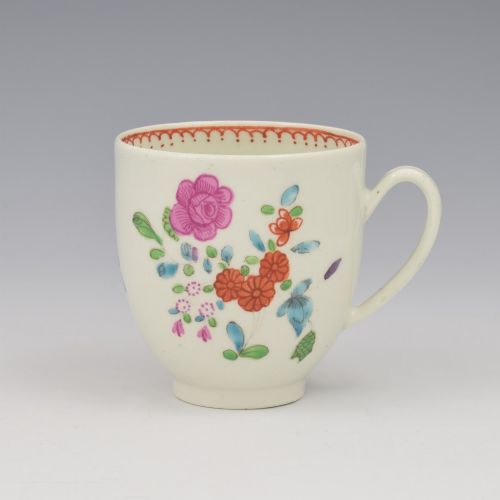
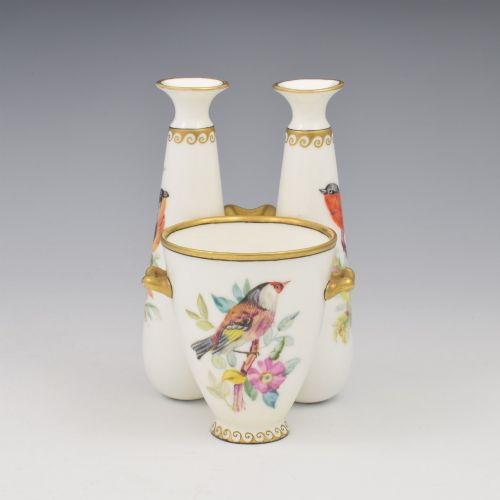
You are most likely to meet pieces decorated with polychrome floral sprays, exotic birds in the James Giles tradition, and intricate hop trellis patterns. These items appear across various periods including the Georgian, Victorian, and Edwardian eras, reflecting changing tastes in British porcelain design.
Materials and manufacture
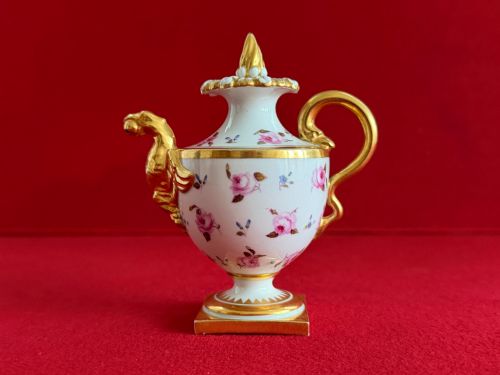
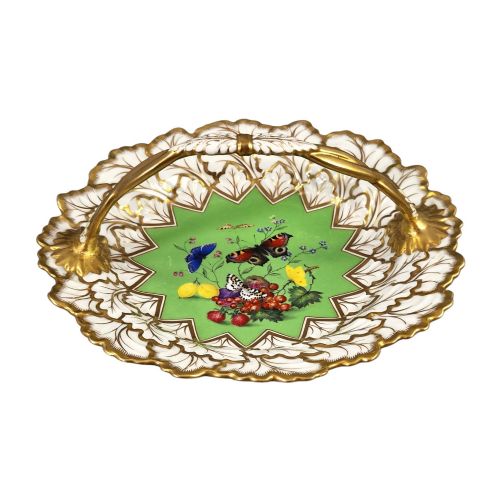
The makers utilised soft-paste porcelain and bone china as the primary body materials, shaping them into delicate tableware, baskets, and vases. Artisans applied enamel paints by hand to render intricate floral scenes, butterflies, and ornithological studies directly onto the ceramic surface.
Gold leaf and rich gilding highlight rims, handles, and borders, often complementing specialised ground colours like rose pompadour or blush ivory. Firing techniques fixed these polychrome pigments and metallic accents to create durable yet refined decorative objects.
Hand-painted birds and butterflies perch permanently across centuries of porcelain, proving that insects make remarkably quiet housemates.
Judging quality in worcester hand painted ceramic
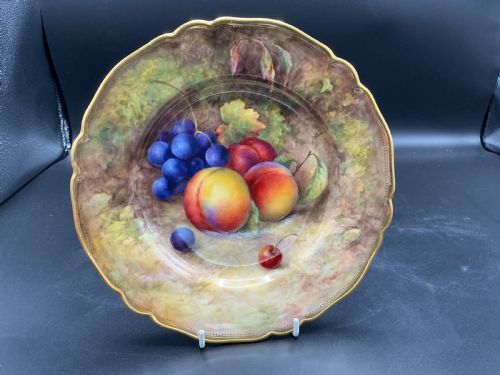
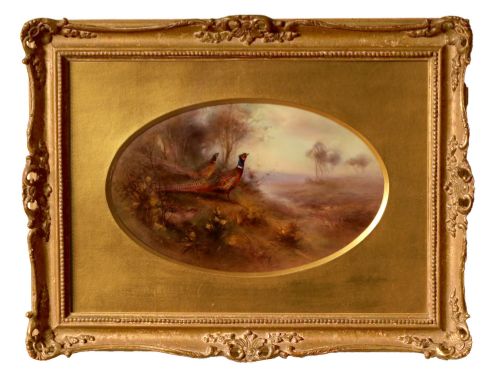
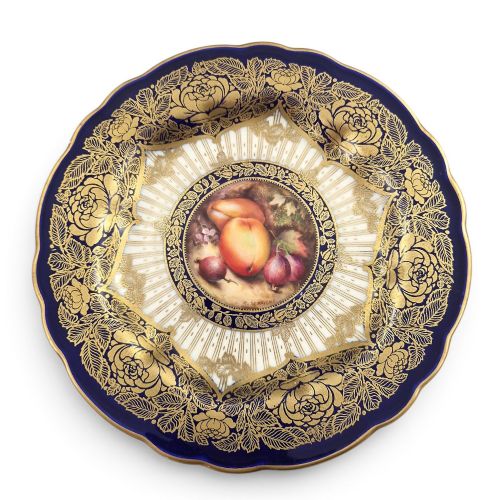
Quality rests in the precision and delicacy of the brushwork applied to subjects like birds, fruit, and floral motifs. Skilled hand-painting displays fine detail and depth, whereas lesser examples show stiffer, more mechanical execution.
The sophistication of the gilding and the purity of the porcelain body also divide fine items from standard production. Well-preserved ground colours and crisp moulding on shapes such as dolphin handles or lobed dessert dishes elevate a piece.
Grainger Lee And Co·Flight Barr And Barr·Royal Worcester·James Stinton·Richard Sebright·Chamberlains Worcester·Barr Flight And Barr·Doe And Rogers
The Worcester Hand Painted Ceramic Glossary
- Soft-paste porcelain
- An early ceramic composition fired at lower temperatures than hard-paste porcelain, producing a warm, creamy texture. It absorbs glaze differently and often shows characteristic translucency.
- Blush ivory
- A matte cream-coloured ceramic ground introduced by Royal Worcester in the late nineteenth century. It provides a soft background for delicate floral hand-painting.
- Blue scale
- A rich underglaze blue pattern resembling fish scales, typically filled with reserves of hand-painted flowers or birds. This technique required immense patience and precise control.
- Sucrier
- A covered sugar bowl designed for tea service use. These vessels frequently feature hand-painted patterns and matching lids.
- Chinoiserie
- A decorative style reflecting European interpretations of Chinese and East Asian artistic traditions. It appears on eighteenth-century pieces depicting figures in garden settings.
Worcester Hand Painted Ceramic: Frequently Asked Questions
How do I date an early Worcester piece?
Dating relies on identifying specific factory periods, paste types, and handwritten or impressed factory marks found on the base. Stylistic clues like blue scale grounds or regency shapes also help narrow down the decade of production.
Comparing pattern numbers and glaze characteristics against known archive examples provides further confirmation of age and origin.
Were these pieces meant for daily use?
Many items such as coffee cups, teapots, and dessert services were created for dining and beverage service in prosperous households. However, their delicate hand-painted enamel and gold leaf meant they received careful handling.
Over time, many tableware items transitioned into decorative cabinet pieces rather than functional kitchenware.
What is blush ivory porcelain?
Blush ivory is a signature matte ceramic finish developed during the Victorian period, known for its warm, skin-like tone. It served as an ideal background for hand-painted floral decoration.
Vases and pot-pourri jars utilised this finish extensively through the Edwardian era.
How should I display cabinet plates?
Cabinet plates feature detailed hand-painted scenes, such as signed fruit studies, and suit display on sturdy plate stands or wall mounts. Keeping them away from direct sunlight preserves the vibrancy of the enamel colours.
Ensure adequate support for heavier pieces like porcelain plaques and framed wall art.