





Vintage Painted Porcelain Jar
These vintage painted porcelain jar selections bring hand-painted artistry and traditional craftsmanship straight into domestic interiors.
Vintage Painted Porcelain Jar
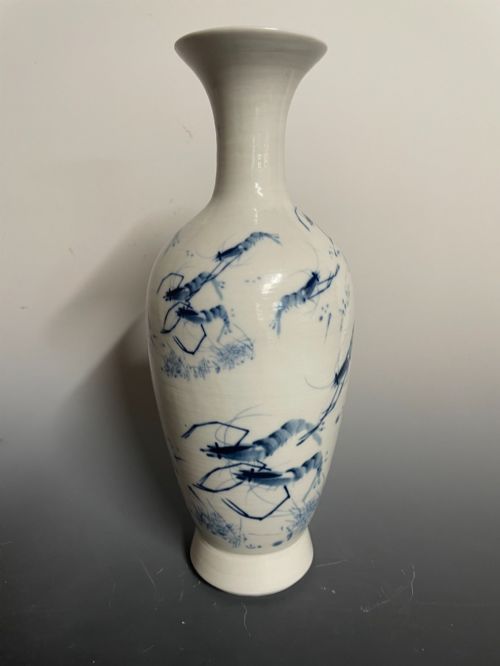
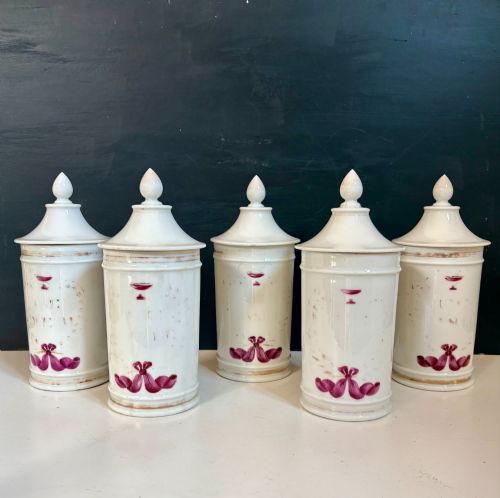
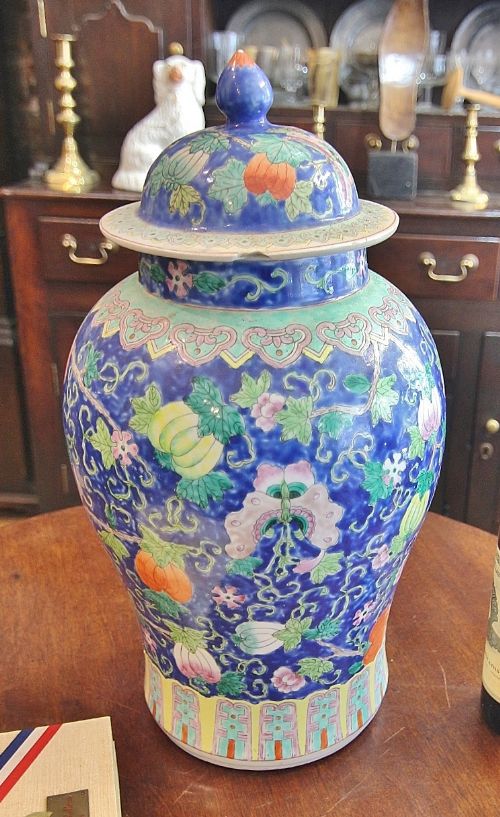
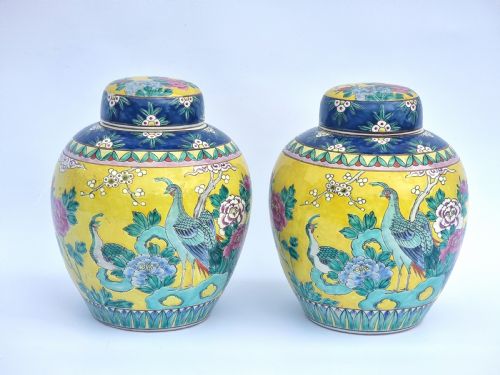
A vintage painted porcelain jar encompasses various covered vessels, ginger jars, and lidded urns created across multiple centuries. Buyers searching for a vintage painted porcelain jar encounter pieces ranging from Victorian English productions to nineteenth-century Japanese Imari wares and twentieth-century Royal Worcester creations.
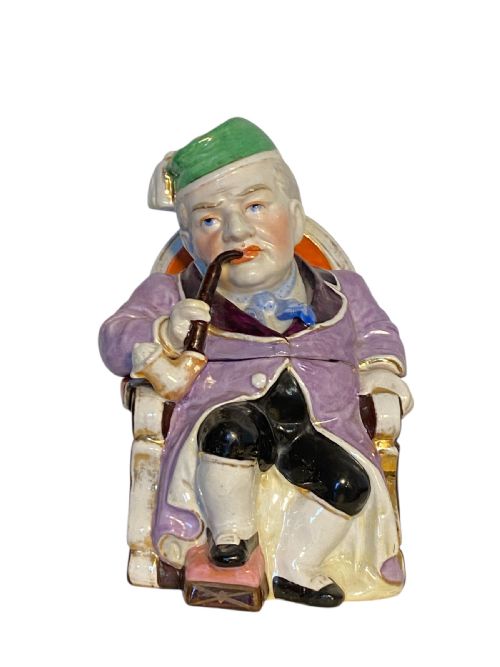
The physical forms include ginger jars, tobacco jars, and tea caddies shaped from ceramic bodies. Many examples show influences from Chinese and Japanese traditions alongside traditional English and European manufacturing centres.
Materials and Techniques
Potters formed the core bodies using ceramic and porcelain clay before applying coloured glazes and hand-painted pigments. Artisans utilised techniques such as underglaze blue painting and overglaze enamel work to build intricate surface patterns.
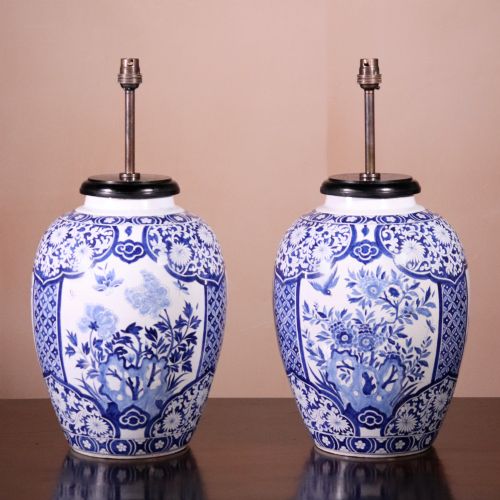
Many creations incorporate gold leaf, gilt, and gilding to highlight borders, rims, and figurative scenes. Metal elements such as brass appear on mounted lamps and fitted hardware.
Firing processes exposed the painted minerals to high temperatures, fusing the glaze to the ceramic body for lasting colour stability. Skilled painters applied fine details by hand, utilising specialist brushes to render birds, florals, and figures.
Listings feature porcelain, enamel, gold leaf, and brass across periods spanning from the eighteenth century to the mid-twentieth century.
Assessing Craftsmanship and Execution
The precision and detail of the hand-painted decoration distinguish finer examples from standard production pieces. Superior creations exhibit confident brushwork, harmonious palettes, and carefully registered enamel layers.
The clarity and brilliance of the underlying porcelain body and glaze affect the overall visual impact. Master painters achieved depth through nuanced shading and controlled application of gold leaf and enamel.
Royal Worcester·Royal Doulton·Royal Winton·Coalport·Tokyo Taizan·Richard Ginori
The Vintage Painted Porcelain Jar Glossary
- Imari
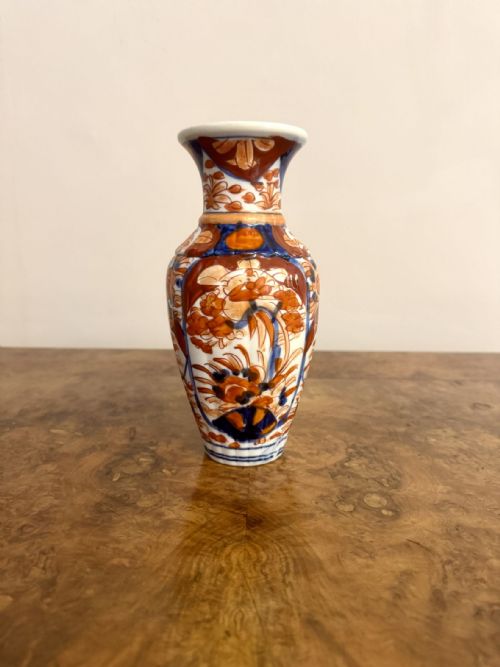
- A style of Japanese porcelain decorated in underglaze blue, iron red, and gold. This distinct palette originated in Arita and heavily influenced European potters.
- Ginger Jar
- A wide-mouthed storage vessel with a domed cover originally used for packing spices. Later decorative iterations became staple ornamental pieces in domestic displays.
- Famille Verte
- A porcelain decoration style dominated by green enamel pigments. The palette developed during the Qing dynasty and spread to European workshops.
- Pot Pourri
- A decorative lidded jar designed to hold scented dried plant material. Pierced covers allowed fragrance to disperse into the room.
- Gilding
- The application of gold leaf or powdered gold to ceramic surfaces. Artisans used this technique to accentuate rims and decorative motifs.
Vintage Painted Porcelain Jar: Frequently Asked Questions
How were ginger jars used historically?
Merchants originally used these lidded vessels to transport and store spices, salt, and preservation goods.
Over time, Western households adopted them purely as decorative mantelpiece ornaments and focal points.
What distinguishes Imari porcelain?
Imari pieces feature a signature palette combining deep underglaze blue with rusty iron red and gold.
Craftsmen in Arita produced these wares for export, inspiring numerous European imitations.
How should I display a lidded jar?
Place larger ginger jars on sideboards, mantelpieces, or as matching pairs on low tables.
Ensure stable placement away from high-traffic edges to protect the fitted covers.
How do I date porcelain pieces?
Examine the style of painting, the composition of the ceramic body, and any factory marks on the base.
Comparative study of period motifs helps narrow down the decade of production.