





Decorative Gilded Pot Pourri
These decorative gilded pot pourri pieces bring painted fruit, blush ivory porcelain, and pierced covers together to scent and style a room.
Decorative Gilded Pot Pourri
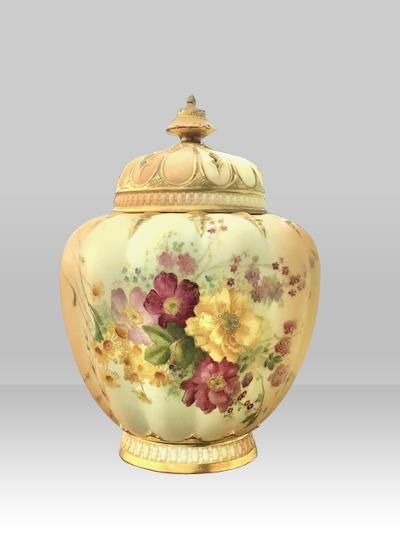
When you search for decorative gilded pot pourri, you encounter porcelain vases, jars, and urns designed to hold scented dried plant material. These vessels originate from twentieth-century English production, spanning the Edwardian period through to nineteen sixty.
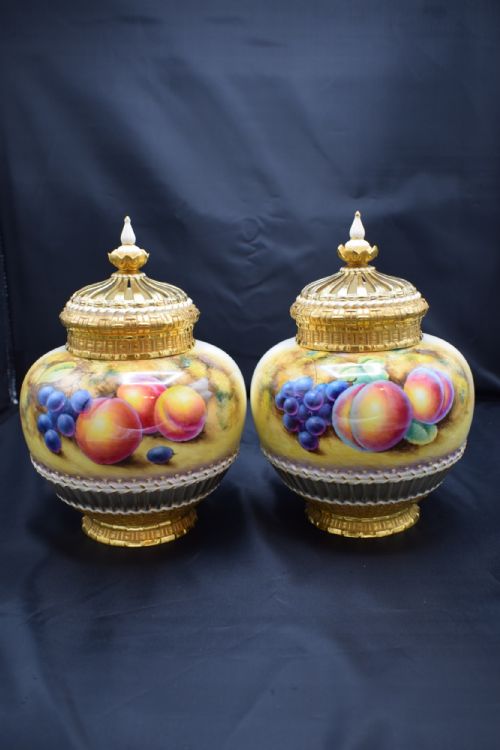
The most common forms on this page include ovoid jars, pedestal vases, and crown top vessels featuring pierced or reticulated covers. These pieces serve as both ornamental focal points and traditional containers for releasing botanical fragrances into a room.
How they were made
Pottery makers shaped fine porcelain and bone china into bulbous vase bodies and fitted them with intricate pierced covers. Artisans then applied delicate hand-painted motifs, frequently depicting detailed fruit subjects across the ceramic surface.
Gilding and gold leaf finish these objects, highlighting handles, rims, and finials with bright metallic accents. Some examples utilise a soft blush ivory ground beneath the primary painting and gilt detailing.
Decorative Gilded Pot Pourri Retail Price Guide 2026
Typical asking prices for decorative gilded pot pourri among the pieces listed under this phrase on Sellingantiques today, from the lower quarter to the upper quarter. They describe what is for sale here now, not the wider market.
Listings feature porcelain, bone china, and enamel materials decorated with gold leaf and gilding across twentieth-century English periods.
What varies in quality
The standard of decorative gilded pot pourri rests upon the complexity and execution of the painted surface. Hand-painted fruit scenes signed by notable artists elevate a piece above standard decorative production.
The crispness of the porcelain piercing on the covers and the preservation of the gold leaf also dictate the overall refinement of the object. Heavier gilding and well-balanced pedestal proportions distinguish the finer examples in this range.
Royal Worcester
The Decorative Gilded Pot Pourri Glossary
- Blush ivory
- A soft, matte cream-coloured porcelain ground finish popular on English ceramic wares during the late nineteenth and early twentieth centuries. This subtle background often receives floral or gilt decoration.
- Pot pourri
- A mixture of dried fragrant plant material placed inside a pierced vessel to scent an interior space. The container requires a lid with small openings to allow the aroma to disperse.
- Reticulated
- Describes ceramic work featuring an openwork pattern of pierced holes or geometric cutouts. In these vessels, the technique appears on the covers to let the botanical scent escape.
- Ovoid
- An egg-shaped ceramic form providing a rounded body for the vase or jar. This shape accommodates painted fruit scenes across the widest circumference of the piece.
Decorative Gilded Pot Pourri: Frequently Asked Questions
What is decorative gilded pot pourri used for?
These porcelain vessels house dried scented petals and plant materials designed to release a pleasant fragrance into a room. The pierced covers allow the botanical scents to diffuse gently while keeping the contents contained.
Beyond their original aromatic purpose, these pieces function purely as decorative ornaments. Collectors display them on mantelpieces, tables, and cabinets for their hand-painted artistry.
How do I identify Edwardian pieces?
Edwardian examples typically feature blush ivory grounds combined with soft floral or gilt decoration characteristic of the early twentieth century. Examining the base markings and stylistic traits helps confirm this period.
The manufacturing techniques of the era prioritised delicate bone china forms and refined hand-finishing. These details separate Edwardian items from later mid-century production.
How should I clean my porcelain vase?
Dust these ceramic pieces gently with a soft, dry brush to protect the delicate hand-painted fruit and gold leaf details. Moisture and harsh cleaning agents can damage the surface gilding.
Keep the vessels away from direct sunlight to preserve the vibrant colours of the enamel painting. Handle the pierced covers with care to avoid chipping the thin porcelain edges.
Why do some covers have holes?
The pierced openings in the crown tops and covers serve a practical aromatic function. They allow the fragrance from the pot pourri mixture inside the jar to circulate freely.
Without these ventilation holes, the scent would remain trapped within the ceramic body. The perforation patterns also add a decorative textural element to the top of the vessel.