
Wool Tapestry Wall Hanging
A wool tapestry wall hanging brings historic texture and rich narrative colour to an interior, drawing the eye with centuries of woven artistry.
Wool Tapestry Wall Hanging
A wool tapestry wall hanging encompasses woven textiles, embroidered panels, and nomadic trappings designed to adorn domestic spaces. Buyers encountering this selection find works spanning from the seventeenth century through to the early twentieth century, originating from European workshops and Central Asian tribal regions alike.
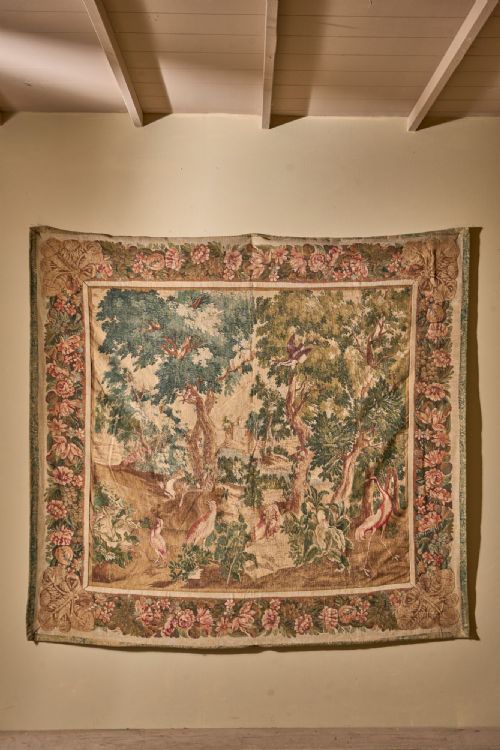
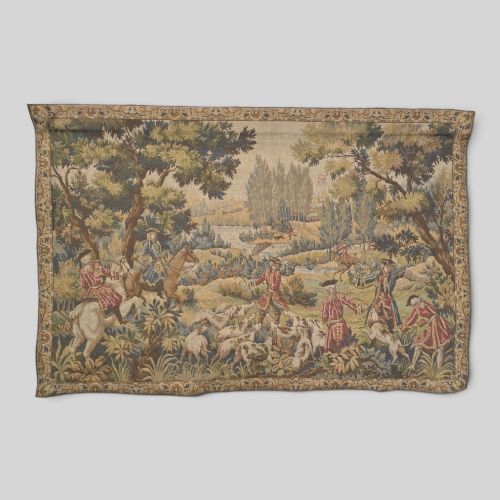
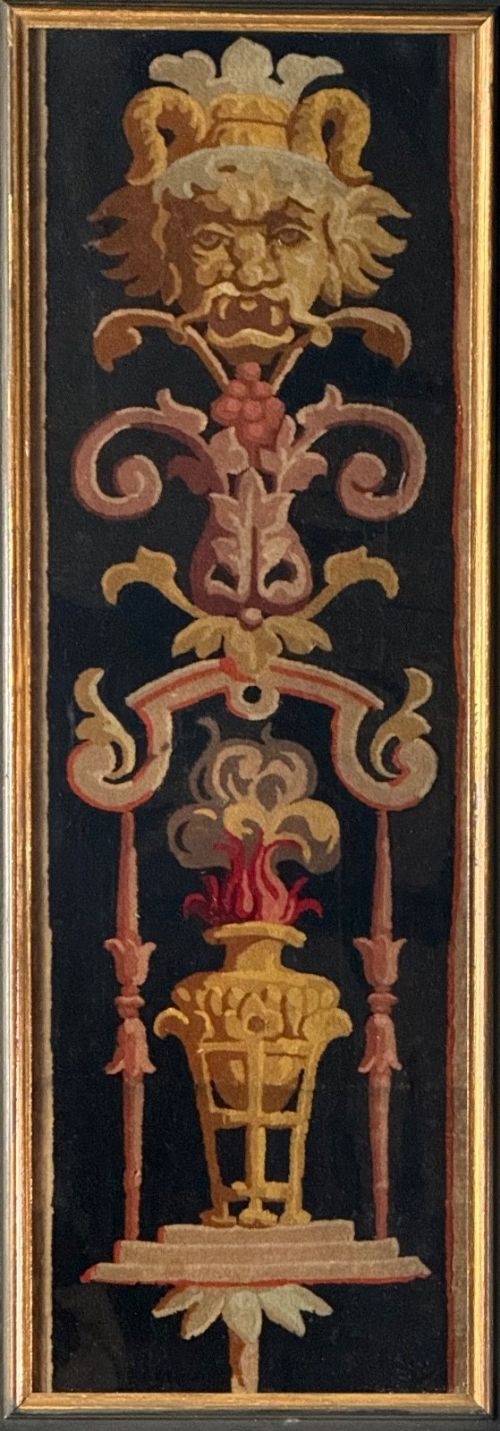
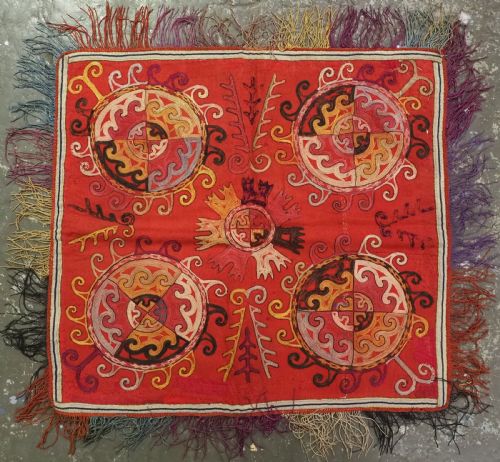
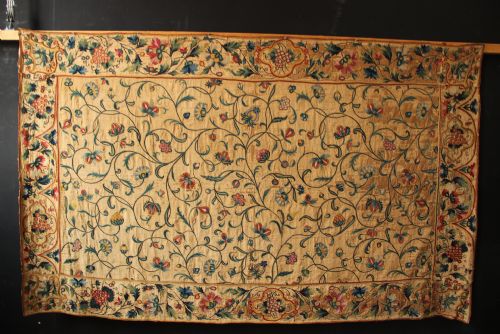
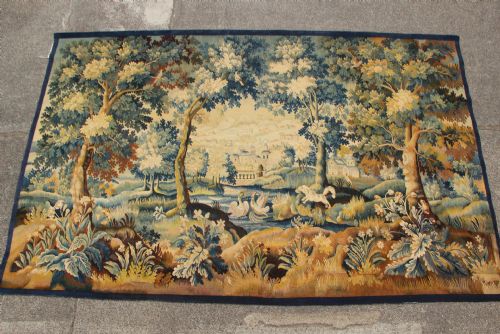
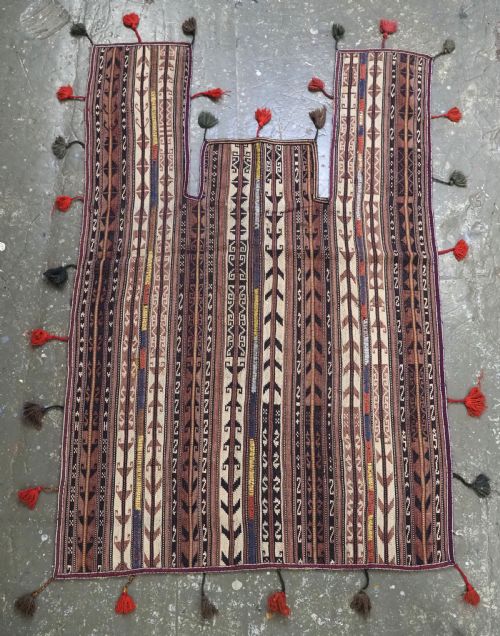
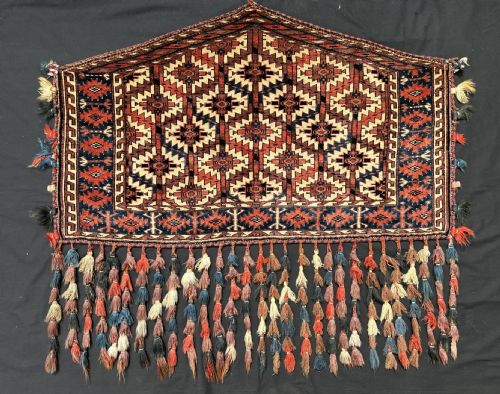
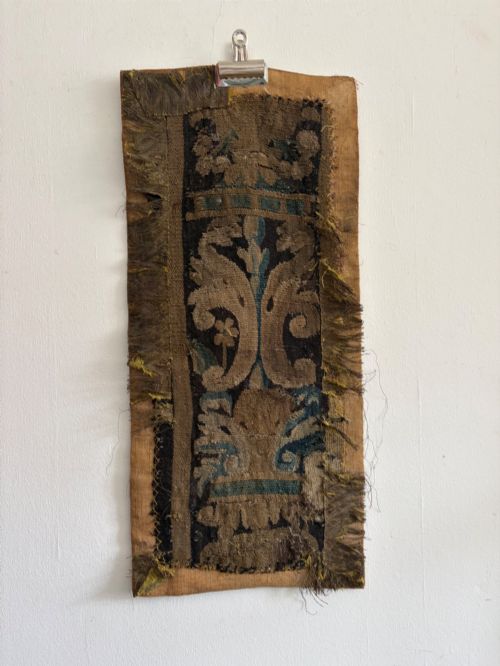
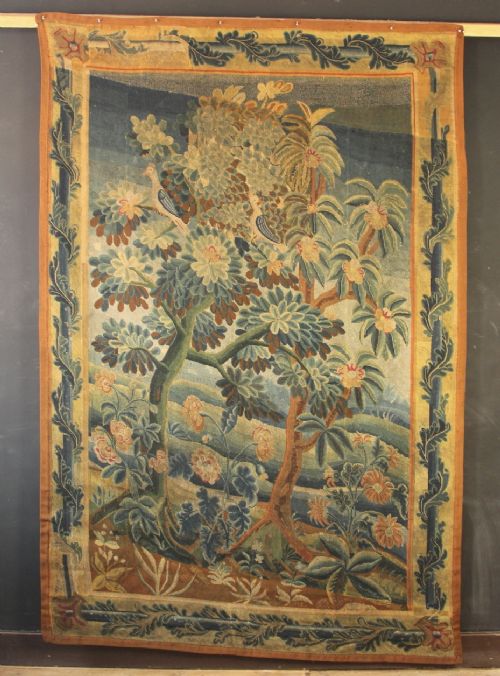
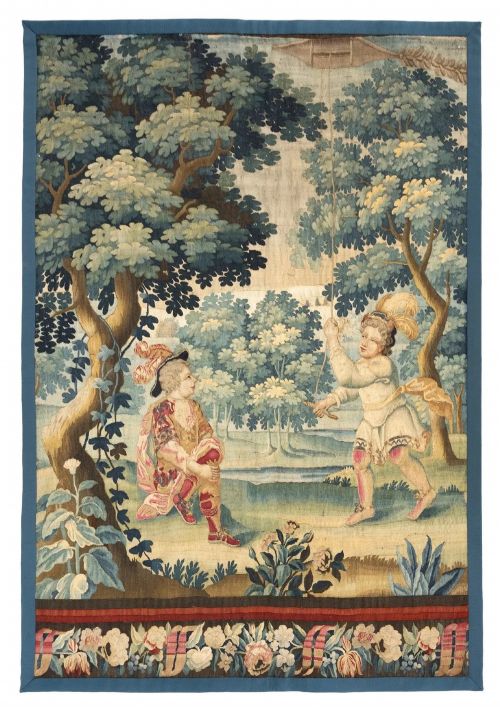
The category ranges from grand Flemish verdure landscapes and French Aubusson pastoral scenes to intricate tribal dowry embroideries and ceremonial horse covers. Large-scale architectural panels sit alongside modest fragments mounted to linen, offering distinct formats for varied interior schemes.
How They Were Made
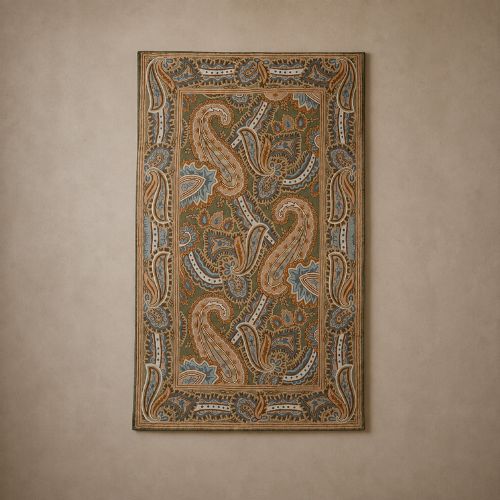
Makers constructed these pieces primarily using natural wool, silk, linen, and cotton yarns, often worked onto sturdy canvas or felt backings. Weavers employed complex hand-weaving techniques for pictorial wall coverings, whilst needlework, crewelwork, and flatweave methods yielded richly textured surface designs.
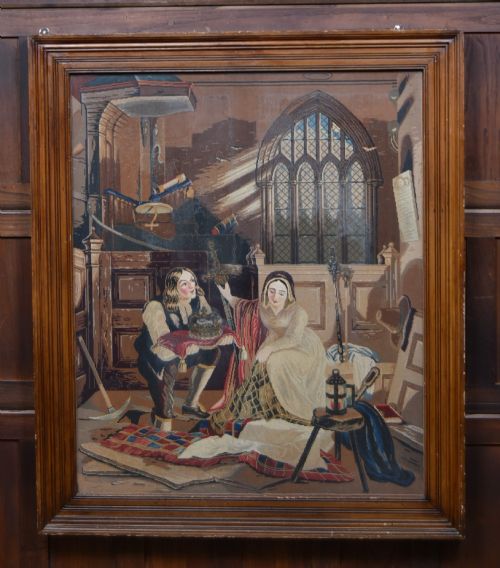
Many works incorporate supplementary materials such as wooden frames or glass mounts to support and protect the textile. Artisans dyed yarns with organic pigments, creating durable colours that endured through centuries of domestic use.
Materials recorded across the inventory include wool, silk, cotton, linen, wood, canvas, glass, and felt.
What Varies in Quality
Quality rests upon the fineness of the weave or embroidery and the precision of the pictorial composition. Dense knotting and intricate needlework allow for sharper facial expressions, foliage details, and architectural lines within the narrative scene.
The integrity of the surviving textile fibres and the stability of the original structure dictate the overall standard. Pieces retaining their full scale, vibrant natural dyes, and minimal structural restoration represent the higher tier of the medium.
The Wool Tapestry Wall Hanging Glossary
- Verdure
- A style of tapestry featuring green, leaf-heavy landscapes populated by trees, plants, and occasionally animals. These scenes dominated European wall decorations during the seventeenth and eighteenth centuries.
- Crewelwork
- A type of embroidery executed using wool yarn on a plain-weave fabric foundation. Artisans utilised this technique to build dense, colourful floral and scrolling patterns.
- Asmalyk
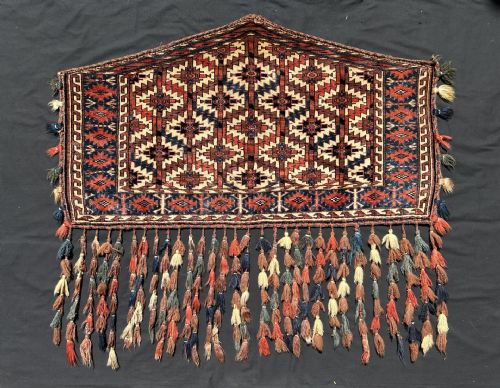
- A pentagonal trapping produced by Turkmen tribes, traditionally hung on the flank of a camel during wedding processions. Collectors value them for their geometric tribal motifs.
- Aubusson
- A town in France renowned for producing woven tapestries and carpets since the seventeenth century. Pieces from this origin typically display refined pastoral or classical compositions.
- Needlework
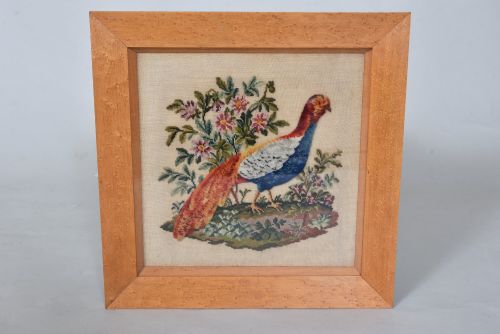
- A hand-stitched textile created by working thread through an existing mesh ground using a needle. This method includes fine petit point work seen in framed pictorial panels.
Wool Tapestry Wall Hanging: Frequently Asked Questions
How were these tapestries originally displayed?
Historic households hung large tapestries directly onto stone walls to insulate rooms against cold draughts and to display status and wealth.
Smaller panels and tribal embroideries served as functional domestic furnishings, dowry items, or ceremonial covers before transitioning to wall display.
How should I hang a heavy textile safely?
Mounting requires a qualified professional to distribute the weight evenly across the top edge using a supportive linen backing or a concealed wooden batten.
Avoid hanging textiles directly from stitched loops, which can pull and distort the historic fibres over time.
Can I place a tapestry in direct sunlight?
Ultraviolet light degrades natural wool, silk, and cotton fibres whilst causing historic organic dyes to fade permanently.
Position wall hangings on interior walls away from direct windows to preserve the integrity and colour of the piece.
How do I distinguish between European and tribal pieces?
European works from Flanders, France, and England generally feature classical, pastoral, or mythological pictorial scenes rendered in refined weaves.
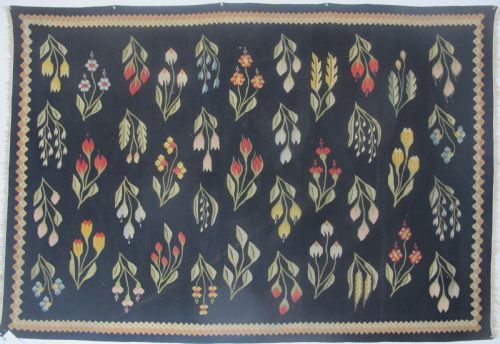
Nomadic pieces from Central Asia display geometric guls, tribal emblems, and embroidered flatweave designs rooted in indigenous craft traditions.