


Antique French Textile
An antique french textile brings centuries of woven artistry, rich silk velvet, and pastoral verdure scenes directly into modern interiors.
Antique French Textile
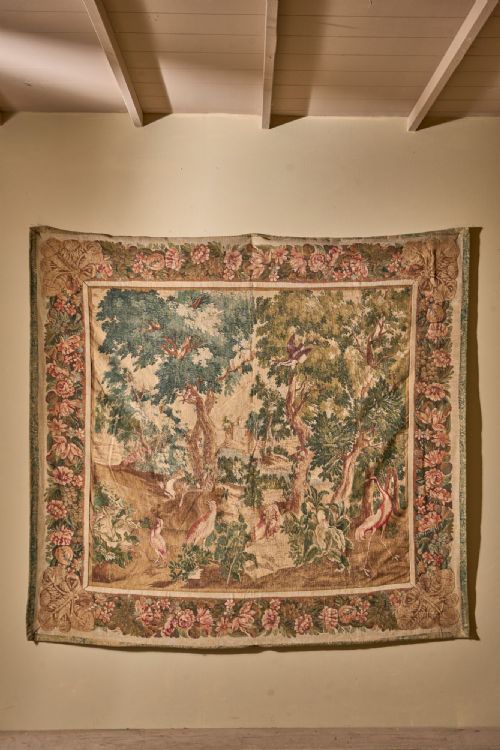
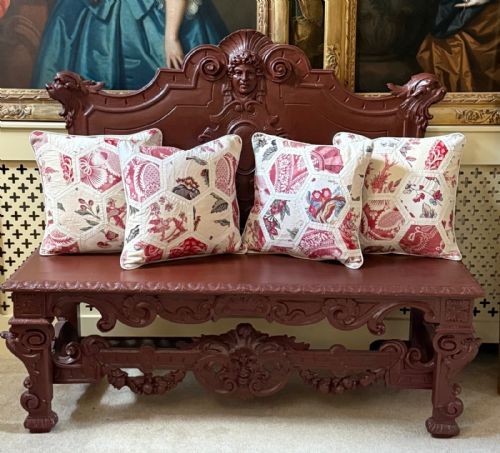
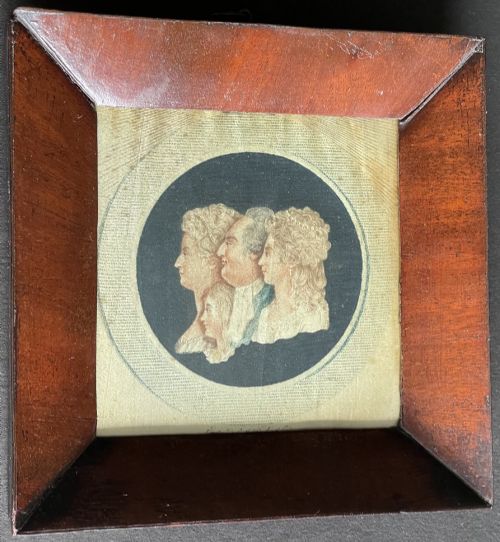
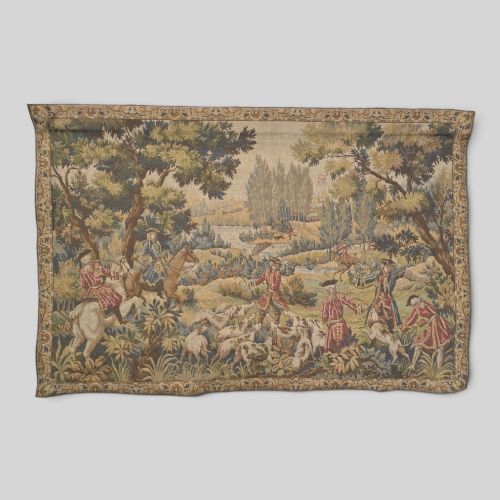
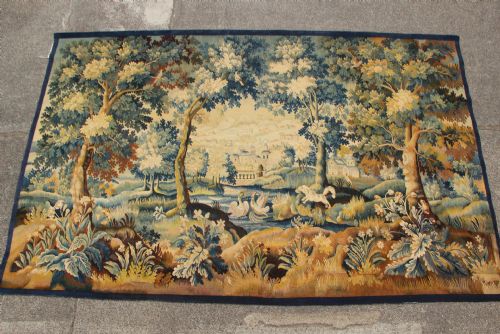
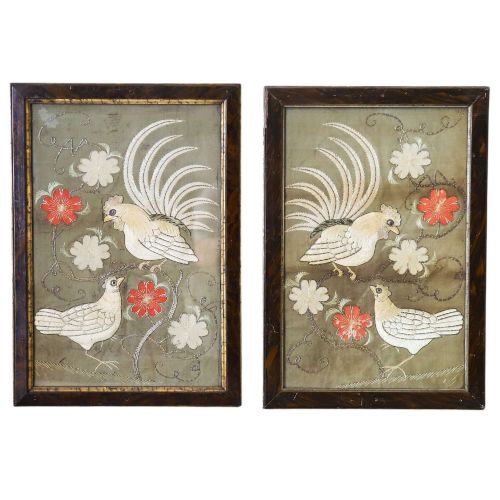
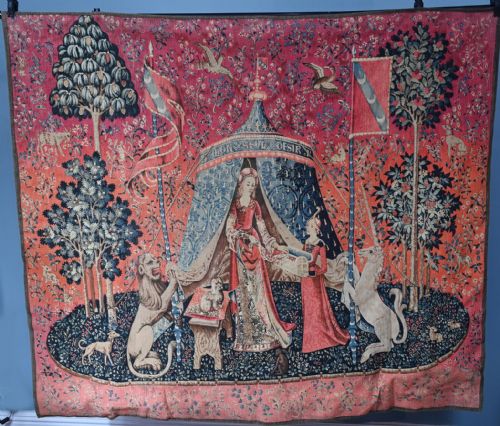
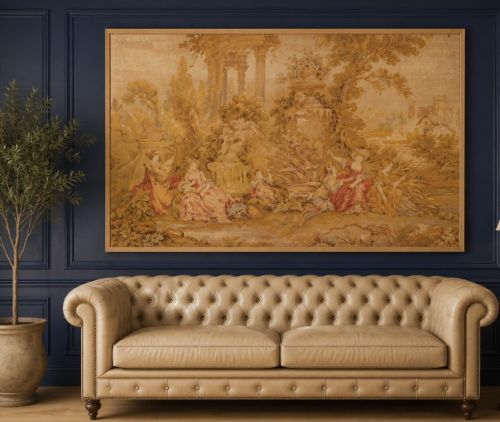
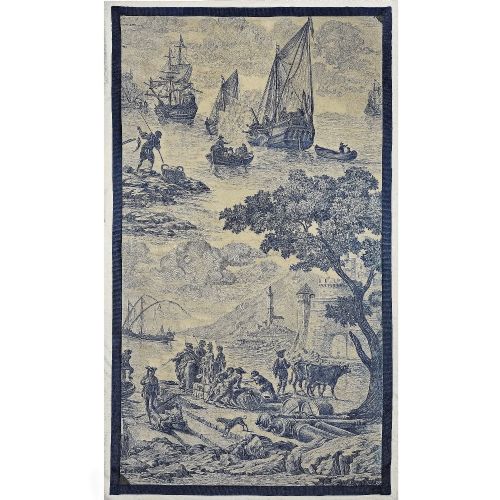
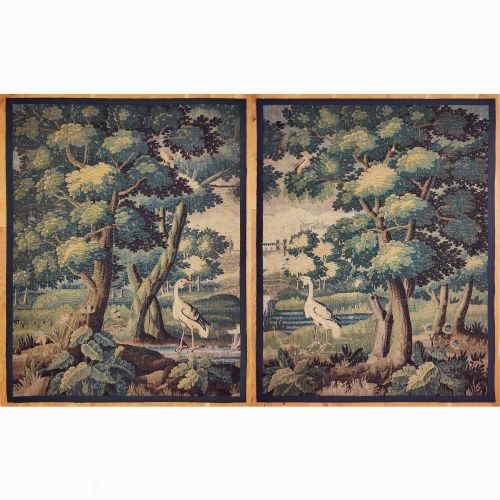
An antique french textile encompasses a diverse range of historic woven works, from large wall hangings and verdure tapestries to delicate silk embroideries, lace samplers, and cushion covers. Pieces span multiple centuries, with significant representation from the seventeenth, eighteenth, and nineteenth periods, alongside decorative elements mounted on linen or framed in wood and gilt. Buyers searching for an antique french textile will frequently encounter grand pastoral scenes, Aubusson panels, and patterned silk lampas designed to adorn walls or furnish period seating.
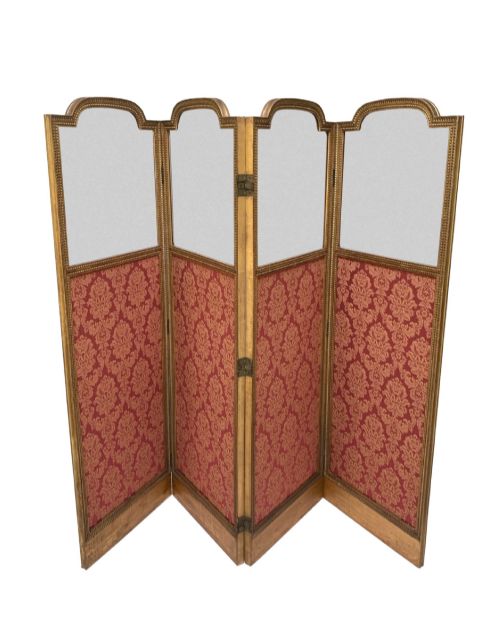
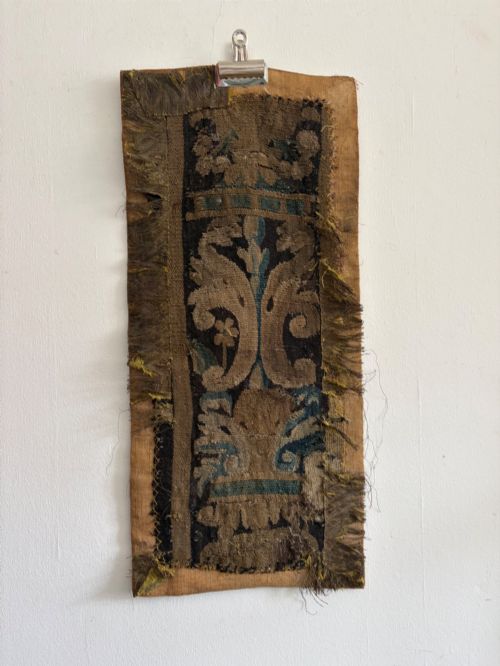
The objects take many forms, including wall art, room dividers, and pilaster hangings, reflecting the shifting interior tastes of French chateaux and salons. Smaller domestic items such as lace makers pillow holders and cushion covers appear alongside monumental tapestries depicting biblical or pastoral subjects. This variety allows collectors to select either large architectural statements or smaller framed needlework panels depending on their specific decorative requirements.
What Varies in Quality
The distinction between tiers rests upon the density of the weave, the complexity of the pictorial design, and the survival of the original ground materials. Finer examples display meticulous attention to botanical detail in verdure scenes or precise facial expressions in figurative needlework pictures, whereas simpler items show broader, less defined execution.
Condition and originality dictate standing within the field, separating intact historic panels from heavily restored fragments or later adaptations. Superior pieces retain their original scale, vibrant dye colours, and authentic framing such as period giltwood or faux tortoiseshell.
The Antique French Textile Glossary
- Verdure Tapestry
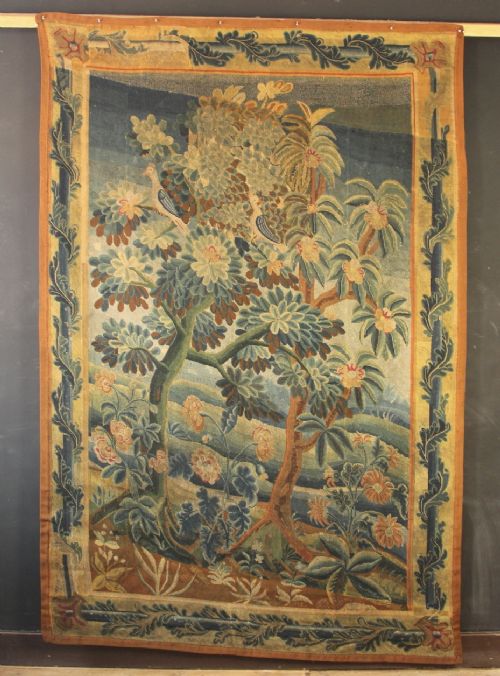
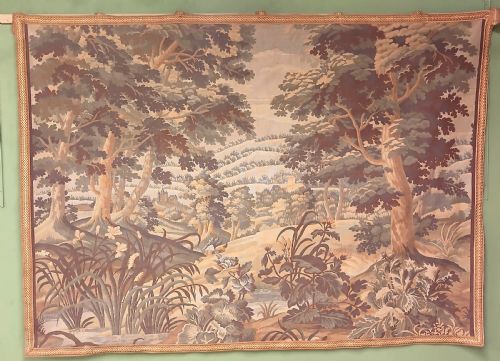
- A woven wall hanging dominated by lush foliage, trees, and landscape scenery, frequently featuring birds or animals hidden among the leaves. These pieces were highly popular in seventeenth and eighteenth-century French workshops.
- Aubusson
- A style of tapestry woven in the town of Aubusson in central France, known for pastoral landscapes and architectural motifs. They often translate classical paintings into woven textile art.
- Lampas
- A complex woven fabric featuring a background weave overlaid with a secondary warp or weft pattern, often utilising silk and metallic threads. This technique produced rich, contrasting surface textures seen in eighteenth-century French textiles.
- Ciselé Velvet
- A velvet fabric where the pile is cut in certain areas and left uncut in others to create a patterned design. It provides a rich tactile surface utilised in luxury hangings and upholstery.
- Needlework Panel
- A piece of fabric decorated with hand-stitched embroidery using wool, silk, or cotton threads on a supportive ground. These panels capture detailed pictorial scenes independent of a loom.
Antique French Textile: Frequently Asked Questions
How were antique french textiles displayed historically?
Large tapestries and wall hangings were traditionally mounted on stone or plaster walls within chateaux and formal reception rooms to provide insulation and visual splendour. Smaller needlework panels and silk embroideries were frequently framed under glass or utilised as upholstery for seating.
Over time, interior placement shifted from entire room coverings to focal decorative art pieces displayed on prominent walls or integrated into room dividers.
What is the difference between a verdure tapestry and a pastoral tapestry?
A verdure tapestry focuses primarily on botanical elements, foliage, trees, and natural landscapes, often with small birds or architectural ruins nestled within the greenery. Pastoral scenes emphasise human activity, shepherds, and romanticized rural life set against natural backdrops.
Both styles originated largely from French and European workshops during the seventeenth and eighteenth centuries but serve different visual roles in interior decoration.
How do you care for antique textiles at home?
Preserving historic fabrics requires shielding them from direct sunlight to prevent natural dyes from fading and degrading delicate silk or wool fibres. Maintaining stable indoor humidity levels prevents the brittle dryness that affects centuries-old linen and cotton grounds.
Professional mounting on supportive backing materials helps distribute weight evenly across large wall hangings, reducing structural strain on the original weave.
Can I date a textile by its materials?
Materials offer strong clues to a piece's age, as specific techniques and fibre combinations predominated during certain stylistic periods. For instance, seventeenth and eighteenth-century pieces frequently feature hand-spun wool and silk combinations, while later nineteenth-century works introduced different chemical dyes and mechanical enhancements.
Combining material analysis with stylistic motifs such as Rococo curves or neoclassical figures helps narrow down the production era.