




Multicolour Wool Tapestry
These multicolour wool tapestry pieces range from tribal flatweaves to European needlework panels, bringing warmth and texture to any interior.
Multicolour Wool Tapestry
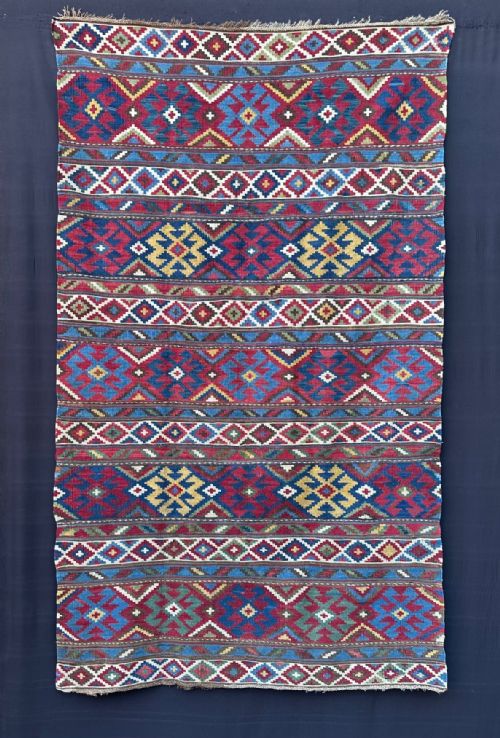
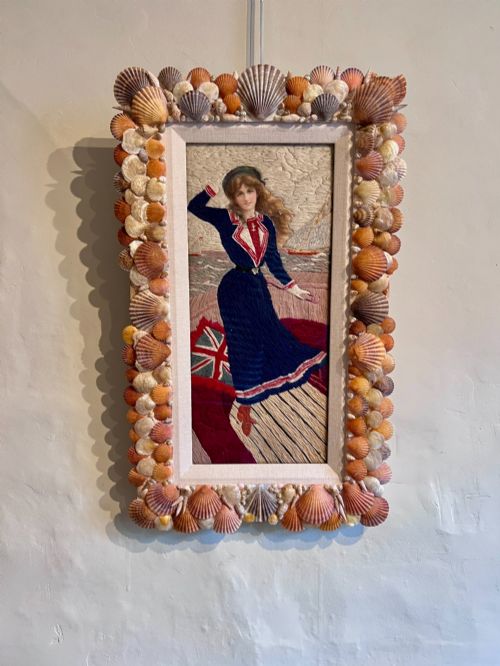
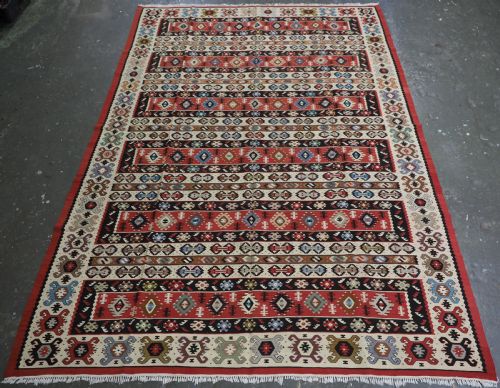
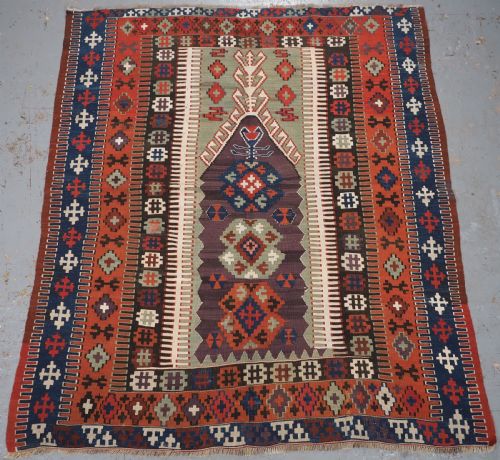
When you search for a multicolour wool tapestry, you encounter a diverse selection of textiles spanning several centuries and origins. The items range from Caucasian and Persian kilims to French needlework panels and Victorian woolwork pieces.
The selection includes regional pieces such as Shirvan kilims, Qashqa'i cradles, and Uzbek horse covers. Each item reflects the specific domestic or ceremonial traditions of its makers.
How they were made
The construction relies heavily on wool and cotton yarns, frequently combined with canvas, silk, fabric, and leather foundations. Artisans utilised traditional weaving and embroidery techniques to build dense, durable surfaces.
Regional workshops and nomadic weavers employed flatweave methods, needlepoint, and woolwork stitches. Natural and early synthetic dyes produced the varied palettes seen across the centuries.
What varies in quality
The fineness of the weave and the complexity of the design determine the standing of an individual textile. Tightly packed wool yarns and precise pictorial or geometric execution separate standard domestic items from finer examples.
Condition and integrity of the materials dictate the overall character of the piece. Well-preserved textiles retain structural stability in their foundations alongside strong, coherent colour schemes.
The Multicolour Wool Tapestry Glossary
- Kilim
- A flatwoven carpet or rug produced in countries of the former Persian Empire, the Caucasus, and Central Asia. These textiles are made without a pile.
- Needlepoint
- A type of canvas work embroidery where yarn is stitched through a mesh canvas ground. It forms dense pictorial panels and cushion covers.
- Aubusson
- A style of tapestry and carpet originating from French towns of the same name. They often depict pastoral or floral scenes in a classical manner.
- Woolie
- A piece of maritime folk art embroidered predominantly in wool yarn by sailors. They frequently portray nineteenth-century ships and figures.
- Flatweave
- A textile formed by interweaving warp and weft threads without knotting yarn to create pile. This construction yields a thin, reversible fabric.
Multicolour Wool Tapestry: Frequently Asked Questions
How do I hang a heavy textile safely?
Distribute the weight evenly across the top edge using a padded sleeve or a specialist Velcro mounting system. Avoid hanging textiles directly by small loops or nails that can distort the wool foundation.
Keep the piece away from direct sunlight and damp environments to protect the natural fibres and prevent dye transfer over time.
Can these flatweaves be used on the floor?
Many kilims and flatweaves function well as floor coverings in areas with moderate foot traffic. Placing an appropriate underlay beneath the textile prevents slipping and reduces friction against the wool yarns.
Consider the age and fragility of the piece before placing it on the floor, as delicate needlework panels and older silk-inclusive textiles are better suited to wall display.
What is the difference between a kilim and a tapestry?
Kilims are flatwoven utility textiles created by interlocking coloured weft threads through warps to form geometric patterns. They originate primarily from tribal and village traditions in regions like the Caucasus and Persia.
Tapestries and needlework panels are generally pictorial works meant for display on walls or furniture, executed with needle and thread on a stretched canvas or fabric ground.