




French Needlepoint Tapestry
These pieces of french needlepoint tapestry bring centuries of hand-stitched artistry into an interior through historic wall panels, cushions, and upholstered seating.
French Needlepoint Tapestry
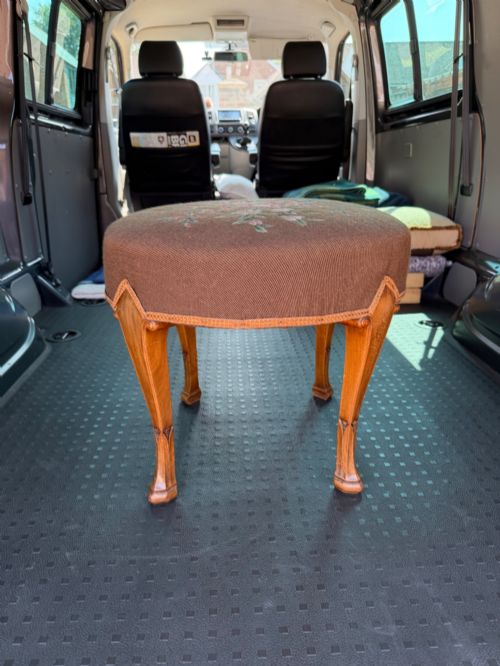
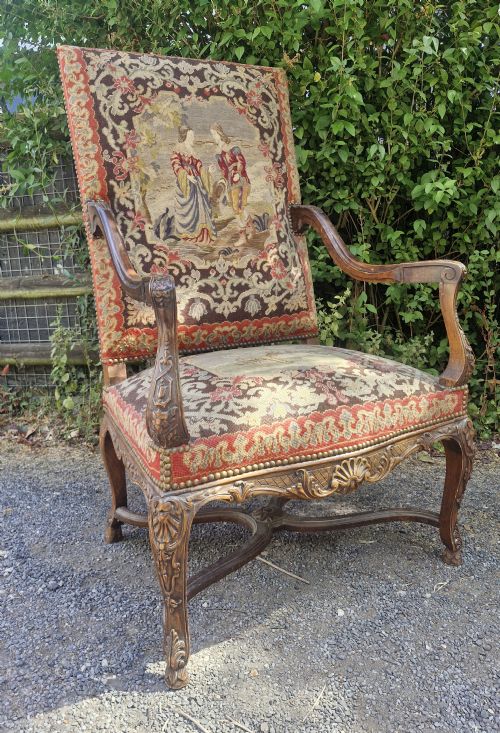
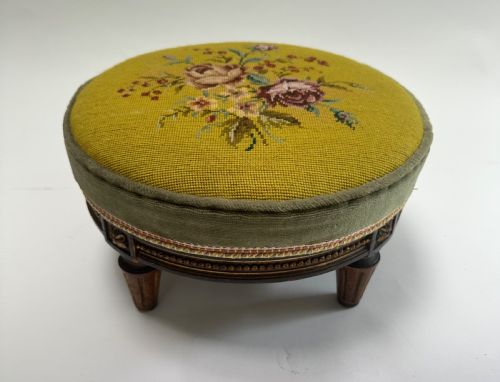
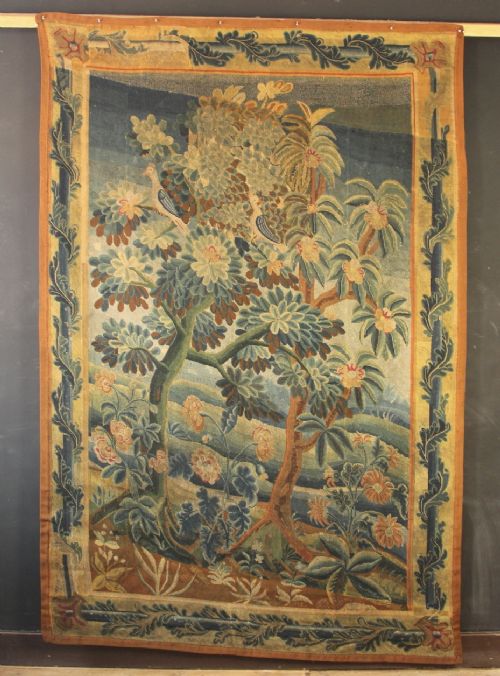
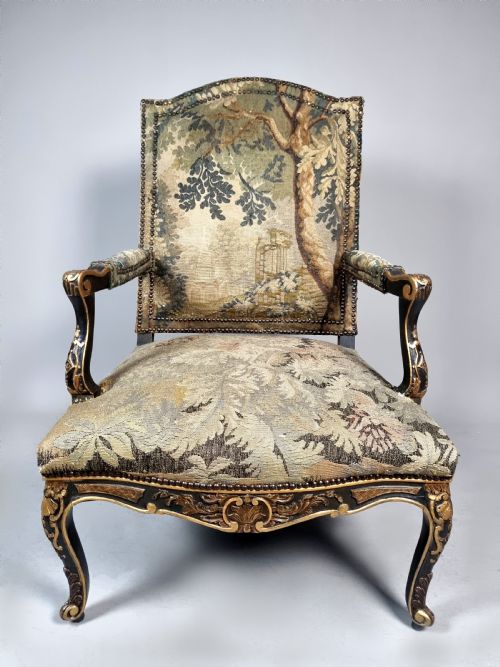
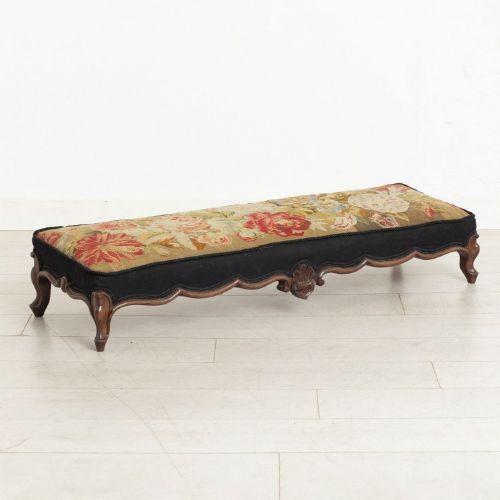
When buyers search for french needlepoint tapestry, they encounter a range of historic textiles and furniture transformed by stitched wool and silk. The selection spans structural furnishings like open armchairs, fauteuils, and footstools alongside decorative wall art, panels, and cushions.
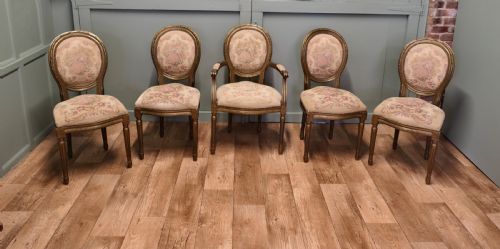
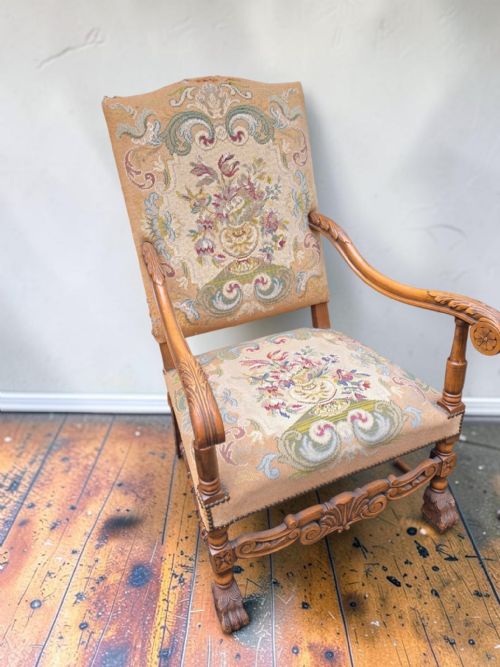
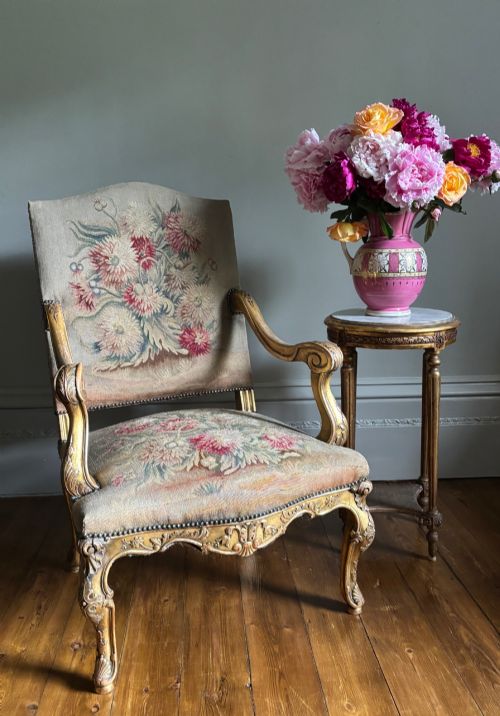
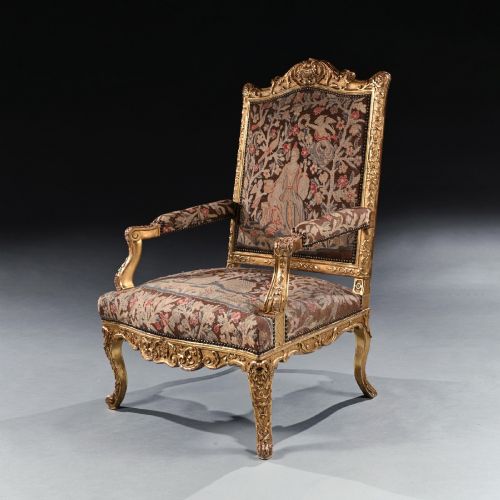
Seating pieces frequently feature carved walnut, painted wood, or giltwood frames supporting original needlework upholstery. Wall art and textile panels present historical scenes, panoramic views, and traditional subjects derived from classical designs.
The material archive covers pieces originating from the eighteenth and nineteenth centuries, alongside revival interpretations from later decades. Buyers meet items varying from small decorative cushions to extensive salon suites and room dividers.
Materials and construction
Makers utilised wool and silk yarns stitched onto textile backings to create dense, pictorial surfaces and floral patterns. These needlework panels were then mounted onto frames of walnut, beech, and giltwood.
Structural elements rely on traditional joinery methods suited to armchairs, side chairs, and footstools, with carved details defining styles such as Louis XV and Regence. Upholstered components secure the tapestry panels directly to the wooden foundations.
Napoleon at Pont d’Arcole makes a surprising appearance in stitched thread.
Judging quality in needlework and frames
The fineness of the stitching and the complexity of the design separate standard items from superior works. Pieces executed in petit point utilise tighter stitches to achieve greater detail in facial expressions and figurative elements.
The craftsmanship of the supporting wooden frame contributes significantly to the overall merit of upholstered seating. Original carved giltwood or walnut structures with crisp detailing command attention alongside well-preserved textile panels.
The French Needlepoint Tapestry Glossary
- Petit point
- A needlework technique executed on a single-mesh canvas using tent stitch to produce fine, highly detailed pictorial panels.
- Fauteuil
- An open-armed wooden armchair originating in France, typically featuring upholstered back and seat panels.
- Giltwood
- Timber treated with a thin layer of gold leaf, frequently applied to ornate eighteenth and nineteenth-century frames.
- Aubusson
- A style of tapestry and carpet weaving associated with the French town, known for floral and pictorial wall coverings.
- Prie Dieu
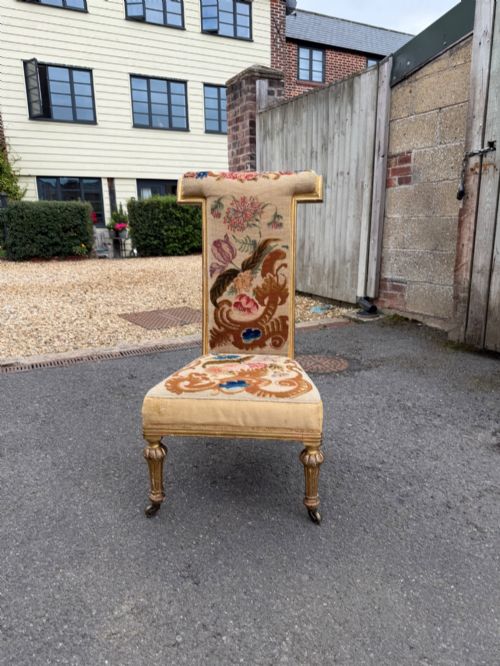
- A devotional prayer chair designed with a kneeling platform and a low upper shelf for the arms.
French Needlepoint Tapestry: Frequently Asked Questions
How do I clean antique needlepoint?
Historic textiles require delicate handling and professional conservation rather than standard washing methods. Gentle surface dusting with a soft brush preserves the integrity of old wool and silk threads.
Moisture and harsh cleaning agents damage fragile fibres and aged backings. Consult a specialist restorer for any deep cleaning requirements.
Are these tapestries original antiques?
The material encompasses authentic eighteenth and nineteenth-century works alongside later revival pieces produced in established stylistic traditions. Examination of the backing materials, dyes, and wood construction reveals the age of each item.
Period listings record specific dates and centuries to help buyers identify the era of manufacture. Consulting the listed details confirms whether a piece originates from the 1700s or later decades.
How were tapestry panels used historically?
Textile panels served both decorative and functional roles in grand interiors, insulating stone walls and upholstering fine furniture. Large wall hangings provided warmth and displayed narrative scenes or pastoral views.
Smaller panels covered the seats and backs of armchairs, footstools, and screens. This integration of textile art into everyday furnishings defined traditional French interior design.
Can I use needlepoint chairs daily?
Historic seating requires thoughtful placement to balance daily use with the preservation of fragile antique textiles. Low-traffic settings protect delicate wool and silk stitching from excessive wear.
Sturdy wooden frames remain durable, but the aged upholstery benefits from careful treatment. Many collectors enjoy these chairs as occasional seating in reading rooms or drawing rooms.