



French Needlework Tapestry
These french needlework tapestry pieces are hand-worked textile panels and upholstered furnishings that bring rich colour and historic texture into a room.
French Needlework Tapestry
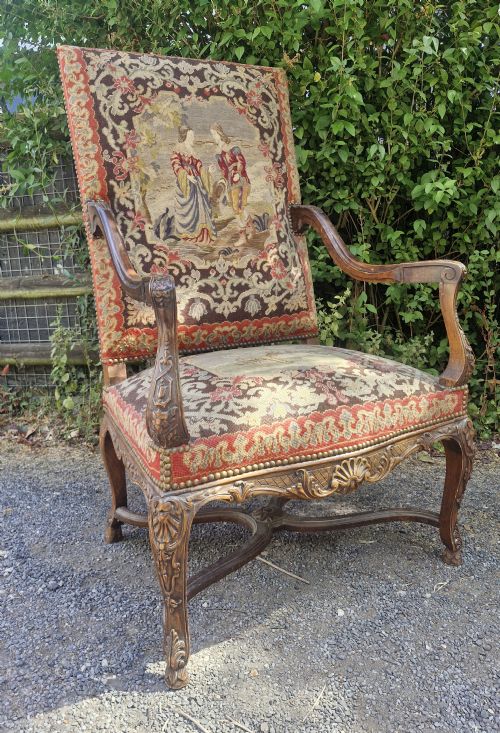
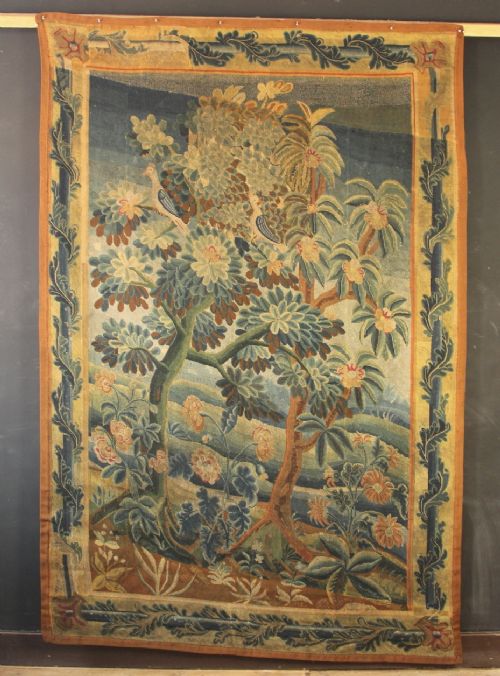
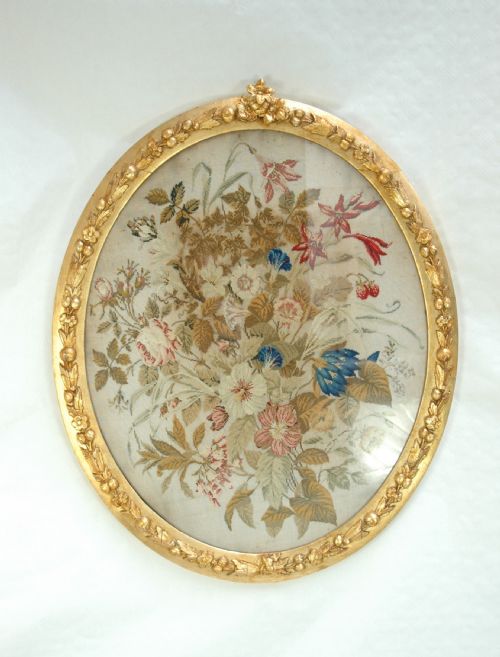
When you search for french needlework tapestry, you encounter a range of textile art and upholstered furniture spanning several centuries. The selection includes large wall hangings, framed panels, cushion covers, and seating such as armchairs, footstools, and ottomans.
The pieces on this page originate from periods ranging from the seventeenth century through to the early twentieth century. You will frequently find eighteenth-century panels and pictures alongside nineteenth-century revival chairs and large wall tapestries.
How they were made
These items are constructed using traditional textiles and supporting structures of wood, canvas, and brass. Artisans worked wool and silk threads onto canvas grounds to create detailed pictorial and decorative scenes.
Many examples are mounted within carved or painted wooden frames, or incorporated directly as upholstery onto armchairs and stools. The combination of fine needlepoint work and sturdy timber frames ensured both decorative appeal and functional longevity.
Listings feature textiles utilising wool, silk, and linen across wall art, cushion covers, and upholstered armchairs.
What varies in quality
Quality in these textiles depends heavily on the finesse of the needlework and the complexity of the design. Finer stitching, often utilising petit point techniques with silk and wool, allows for greater detail and subtle shading in the pictorial scenes.
The integrity of the supporting materials also defines the tier of a piece, from simple pine frames to elaborately carved or painted wood structures. The preservation of the original canvas and the vibrancy of the remaining threads further distinguish finer examples.
The French Needlework Tapestry Glossary
- Petit point
- A form of needlepoint worked on single-thread canvas using fine stitches to achieve high detail. This technique allows for intricate facial expressions and delicate botanical motifs.
- Aubusson
- A traditional style of tapestry originating from a French town renowned for its woven wall art. These pieces typically depict pastoral landscapes, floral arrangements, or historic scenes.
- Baroque
- An ornate artistic style spanning the seventeenth and eighteenth centuries characterised by dynamic movement and rich decoration. Furniture and tapestries from this period display grand, dramatic composition.
- Rococo
- A lighter, more playful French style succeeding the Baroque, featuring asymmetrical scrolls and naturalistic floral motifs. This aesthetic often appears on eighteenth-century chairs and panels.
French Needlework Tapestry: Frequently Asked Questions
How do I hang a textile panel?
Wall panels and tapestries require careful mounting to distribute their weight evenly across the fabric. A professional framer can secure the textile behind glass or mount it onto a padded, fabric-covered board.
For larger wall hangings, a concealed wooden batten or sleeve sewn to the reverse allows the piece to hang flat against the wall without straining the historic threads.
Where should I place an upholstered armchair?
Needlework upholstered seating functions best in low-traffic areas where it receives minimal physical friction. Placing chairs away from direct sunlight protects the wool and silk threads from fading over time.
These pieces add historic character to studies, drawing rooms, or bedrooms as occasional seating rather than heavy daily-use furniture.
How do I tell an eighteenth-century piece from a later revival?
Eighteenth-century examples often display hand-spun threads, natural dyes, and subtle signs of age within the canvas and framing. The subjects frequently reflect contemporary classical or pastoral tastes of the period.
Later nineteenth-century revival pieces tend to utilise machine-sawn timber frames, brighter synthetic dyes, and styles that imitate earlier Baroque or Rococo aesthetics with heavier construction.