




Historic Embroidered Panel
A historic embroidered panel brings centuries of needlework skill into a room, offering tangible connections to past domestic textile arts.
Historic Embroidered Panel
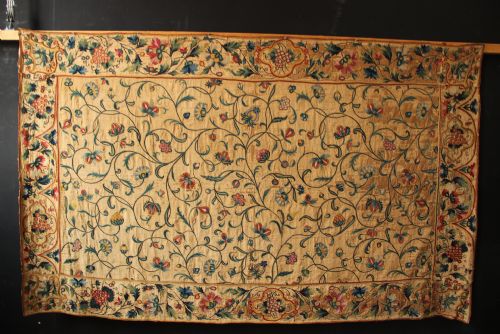
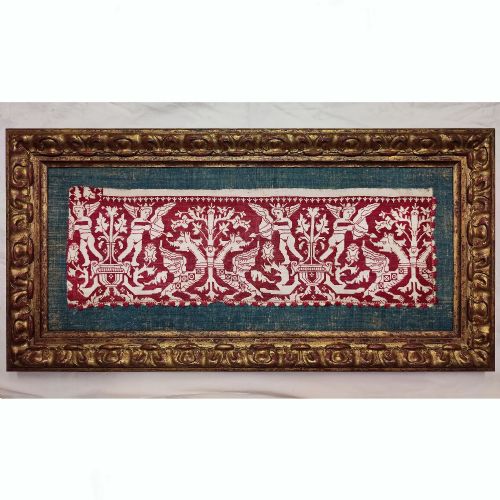
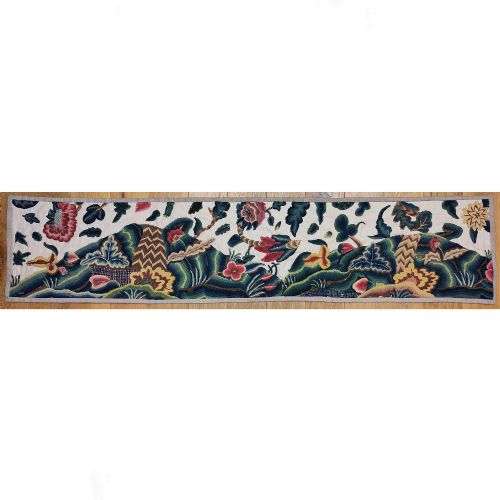
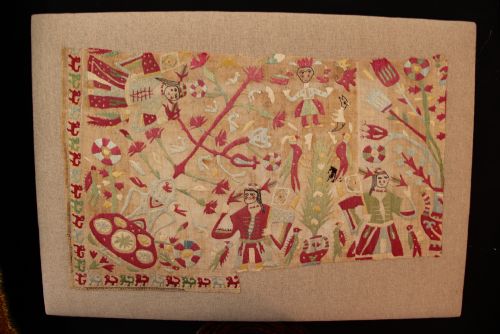
A historic embroidered panel encompasses textile art, needlework samplers, and framed wall art originating from periods spanning the seventeenth through the nineteenth centuries. These pieces present varied regional styles including English crewelwork, Italian borders, and Greek Island bedsheet borders.
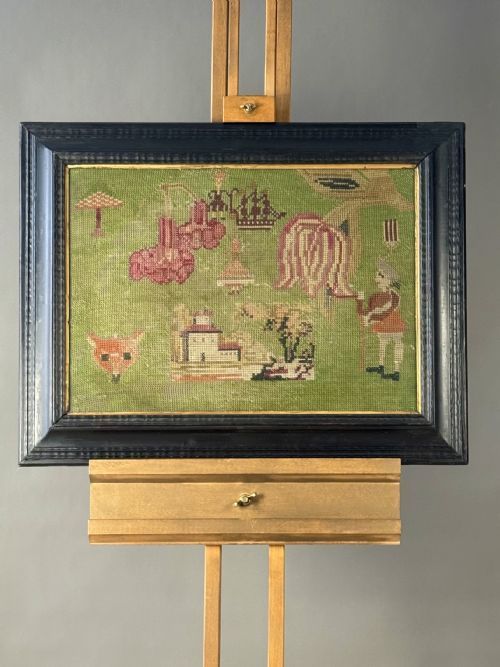
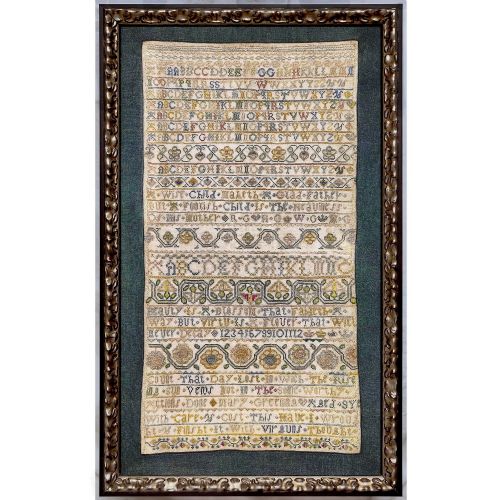
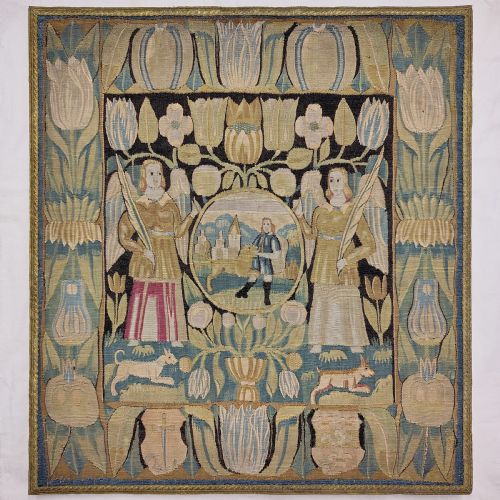
The version most commonly met on this page is the framed needlework sampler or mounted picture panel, often worked by named makers such as Mary Greening or Ann Hodson. These textile works typically feature wool, silk, or linen grounds housed within wooden or gilded wood frames.
Originating from British, Italian, French, and Greek traditions, these panels showcase domestic stitching techniques developed across Georgian, Victorian, Jacobean, and Stuart periods. Buyers encounter both large wall hangings and miniature framed works representing centuries of needlecraft.
How they were made
Maker execution relies primarily on linen, silk, wool, and thread combined to form complex embroidered surfaces. Artisans applied silk thread and wool yarn across woven linen grounds to build pictorial scenes and alphabets.
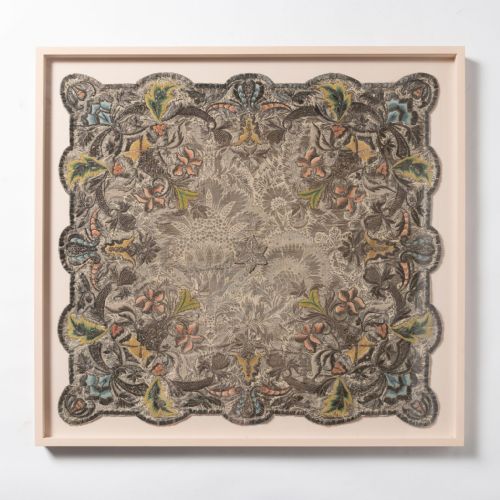
Framing methods frequently incorporate wood and glass to protect fragile textiles, occasionally utilising gilded wood frames for eighteenth-century silk embroidery. Structural mounting secures these historical fabrics within wall art formats.
Current listings span the 17th, 18th, and 19th centuries, featuring linen, silk, wool, and glass materials.
What varies in quality
Stitch density and fineness separate standard examples from works described as super fine crewelwork. The complexity of the needlecraft and the precision of the underlying design define the upper tier of these textiles.
Material preservation and frame integrity distinguish individual panels. Original glass and period wooden frames contribute to the historical completeness of the textile art.
Mary Greening·Ann Hodson·Margaret Ann Blackow·Sarah Baker·Martha Hall·Jane Pattinson
The Historic Embroidered Panel Glossary
- Crewelwork
- Embroidery executed using wool yarn on a linen ground. This technique creates textured surface designs seen in seventeenth-century English pieces.
- Sampler
- A piece of needlework produced to demonstrate proficiency in various stitches and alphabets. These works frequently include the maker name and date.
- Band sampler
- A long, narrow textile format displaying horizontal rows of distinct embroidery patterns. These linear arrangements date predominantly to the seventeenth and eighteenth centuries.
- Needlepoint
- Embroidery stitched onto a stiff grid canvas rather than directly into a woven linen ground. This technique forms dense pictorial surfaces.
Historic Embroidered Panel: Frequently Asked Questions
How old are these embroidered panels?
The pieces span from the seventeenth century through the nineteenth century, encompassing Jacobean, Georgian, and Victorian eras.
Specific dates often appear directly on samplers alongside the maker name and age.
How were samplers used historically?
Makers stitched samplers to record patterns, alphabets, and numbers as references for domestic embroidery.
Over time, completed works transitioned into decorative household items displayed within frames on walls.
Are these panels framed?
Many examples are mounted and presented behind glass within wooden or gilded wood frames.
This framing protects the fragile silk, wool, and linen threads from environmental damage.
What materials make up the panels?
Surviving examples use linen as a foundation fabric combined with silk thread, wool, and metallic elements.
Support structures involve wood and glass for framed textile presentations.