



Wool Needlework Panel
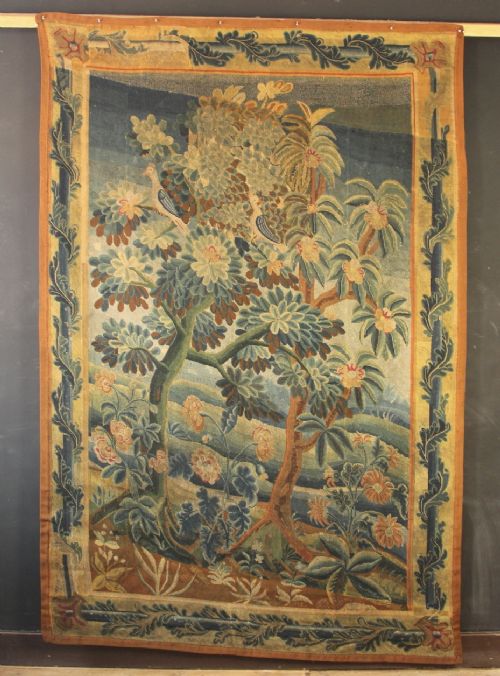
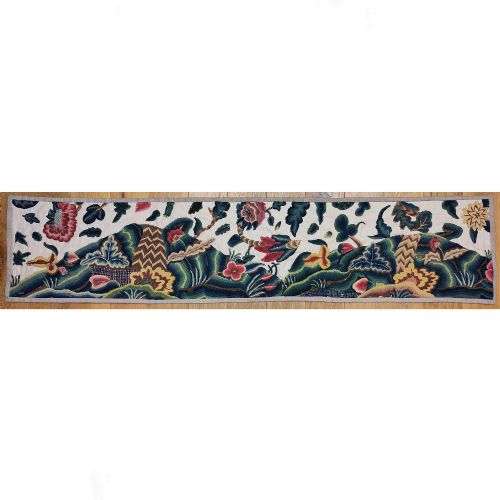
A wool needlework panel brings centuries of tactile human labour and narrative expression directly onto a wall.
Wool Needlework Panel
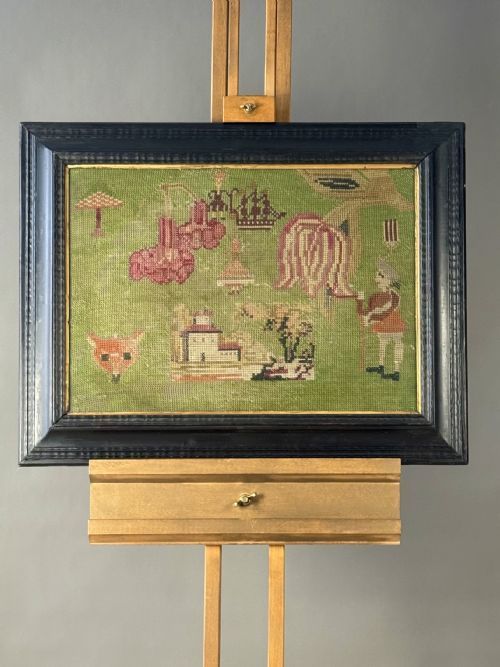
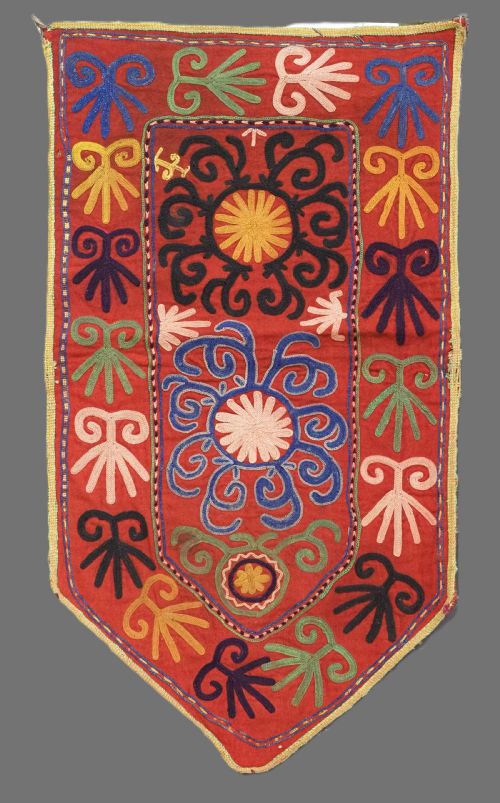
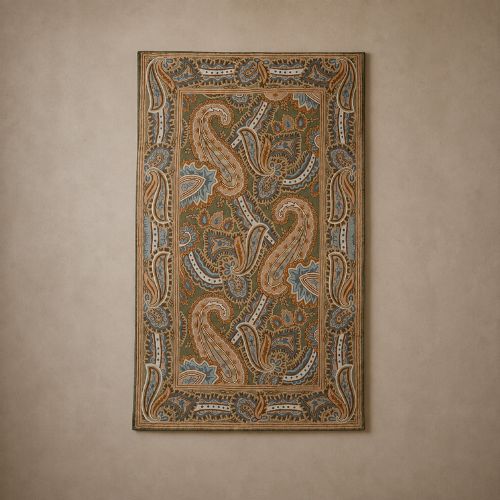
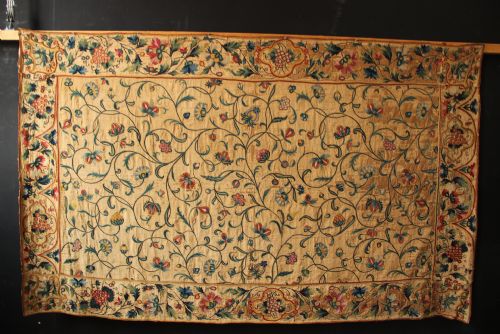
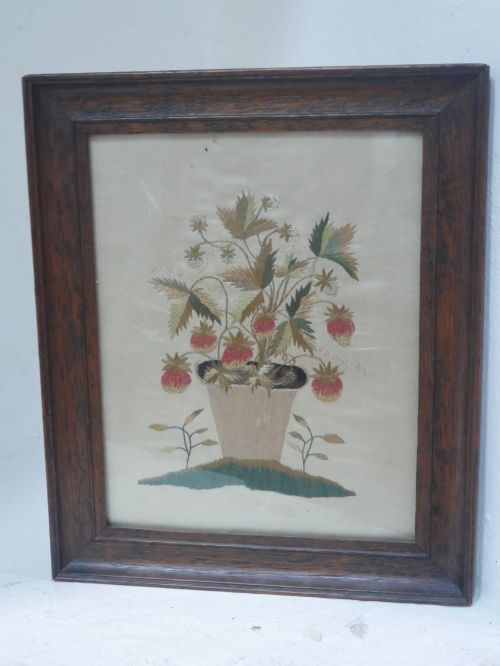
A wool needlework panel encompasses framed pictures, wall hangings, samplers, and cushion covers created from stitched textiles. The examples found here span the seventeenth century through to the twentieth century, originating from English, continental European, Persian, and Central Asian traditions.
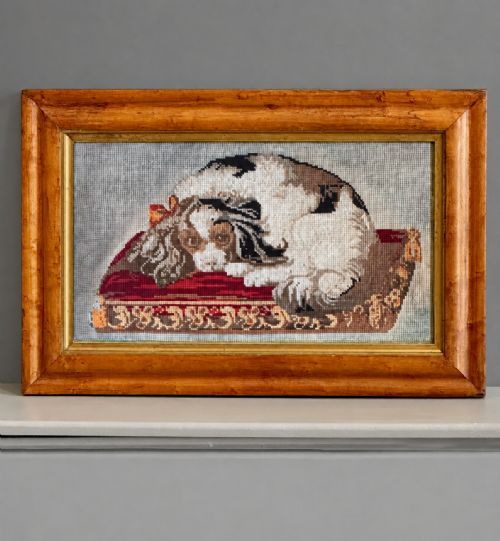
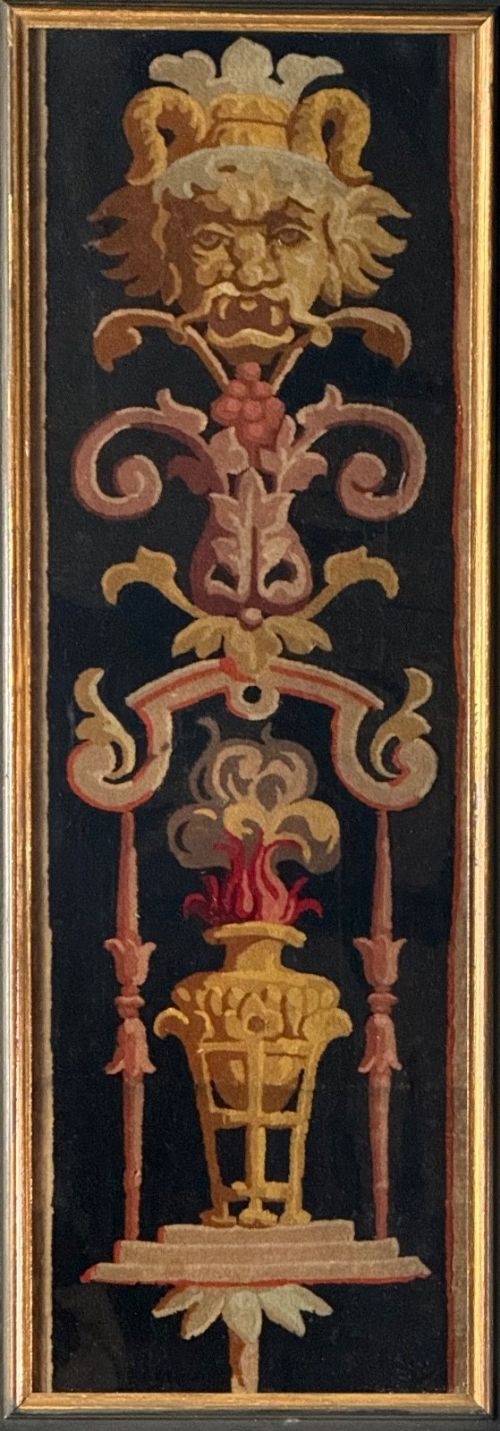
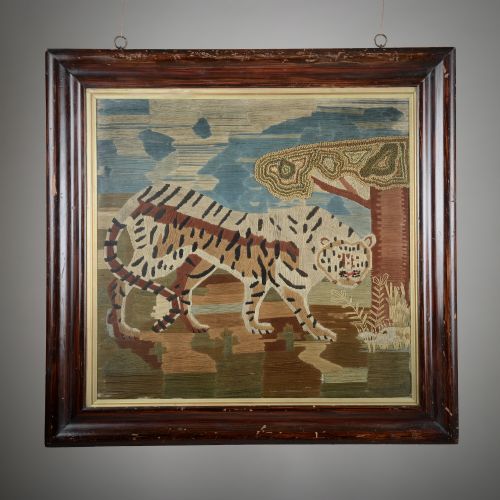
Buyers encounter depictions ranging from pastoral farming scenes and classical grotesques to floral medallions and animals such as King Charles spaniels or tigers. These textiles frequently arrive set within period frames like burr maple, carved oak, or giltwood.
How they were made
Needlework panels rely on wool, silk, and cotton threads worked onto foundational supports of linen, canvas, or felt grounds. Techniques span crewelwork, gros-point, Berlin work, and applique work, utilising various stitches to build texture and colour.
Many works incorporate wooden frames, glass protection, and occasionally gold leaf details to house and preserve the textile art.
Wool Needlework Panel Retail Price Guide 2026
Typical asking prices for wool needlework panel among the pieces listed under this phrase on Sellingantiques today, from the lower quarter to the upper quarter. They describe what is for sale here now, not the wider market.
Object types on this page include framed pictures, wall hangings, samplers, firescreens, and cushion covers.
What varies in quality
Quality rests upon the fineness of the stitch execution, the complexity of the design, and the integrity of the surviving materials. Early English crewelwork or continental classical panels demonstrate high technical control through dense, intricate pictorial composition.
The preservation of the original ground material and the depth of colour within the wool and silk threads distinguish superior examples from simpler folk samplers.
The Wool Needlework Panel Glossary
- Crewelwork
- Embroidery executed with wool yarn on a linen or cotton ground. This technique creates textured, flowing designs often seen in early English panels and wall hangings.
- Berlin work
- A style of needlepoint popular in the nineteenth century that used brightly coloured wools worked from printed gridded patterns. It frequently depicts animals, portraits, or sentimental subjects.
- Gros-point
- A coarse type of needlepoint stitch worked on canvas using wool thread. It forms a durable, firm surface suitable for tapestry cushions and framed pictures.
- Sampler
- A piece of needlework produced to demonstrate skill in various stitches and alphabets. They range from formal schoolgirl exercises to folky commemorative pieces.
- Applique
- A needlework technique where pieces of fabric, such as silk or felt, are sewn onto a larger background ground. This method appears in Persian Rasht embroideries and Central Asian tribal hangings.
Wool Needlework Panel: Frequently Asked Questions
How should I hang a wool needlework panel?
Keep textile panels away from direct sunlight and damp environments to protect the natural wool and silk fibres from degradation.
Support heavier framed wall art securely on the wall, utilising professional fixings suited to the weight of the wood and glass.
Are these panels framed?
Many examples are mounted within period surrounds such as burr maple, carved oak, or giltwood frames that complement the textile.
Others exist as unmounted wall hangings, cushions, or loose fragments ready for specific interior display methods.
How do I identify the age of a panel?
Dating relies on stylistic clues, framing materials, subject matter, and regional stitching techniques recorded across the periods.
Needlework styles shifted from seventeenth-century classical grotesques and early crewelwork to nineteenth-century Berlin work and twentieth-century folk samplers.
What is the difference between a tapestry and needlework?
Tapestries are traditionally woven on a loom as part of the fabric structure, whereas needlework is stitched onto an existing woven ground fabric.
Both terms often overlap in historic descriptions, particularly regarding continental panels and cushion covers.