






Antique Botanical Needlepoint
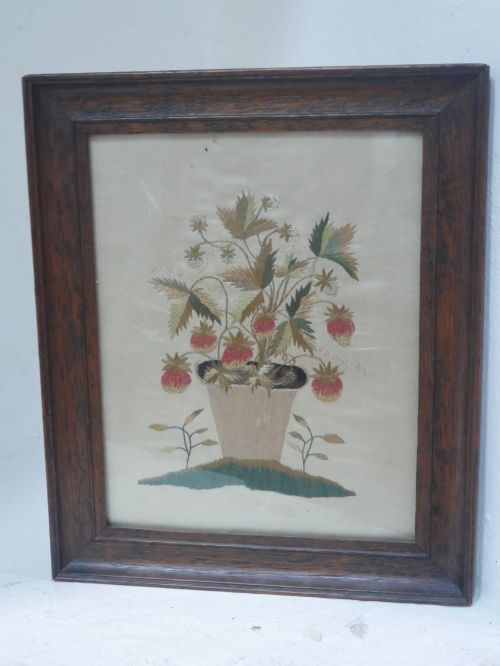
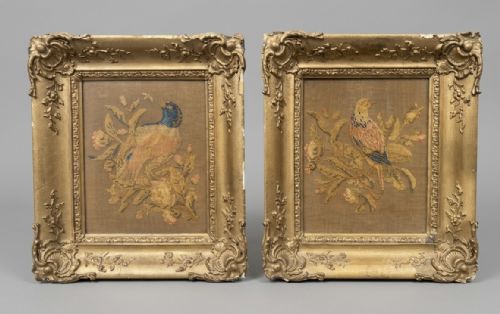
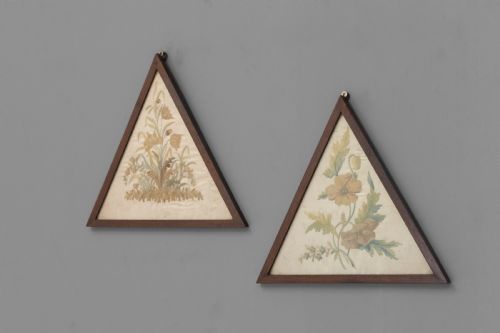
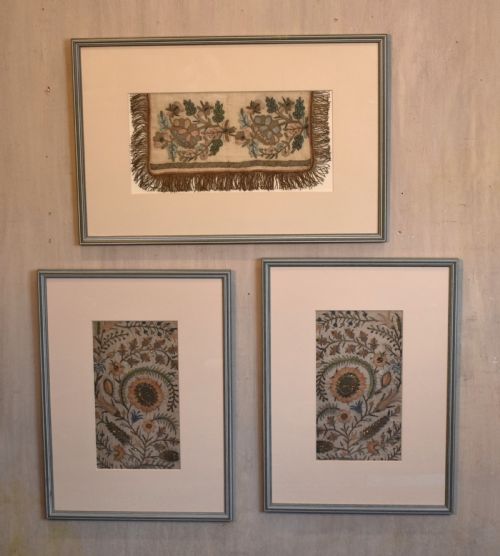
These antique botanical needlepoint pieces bring garden birds, potted strawberries and floral panels onto the wall.
Antique Botanical Needlepoint
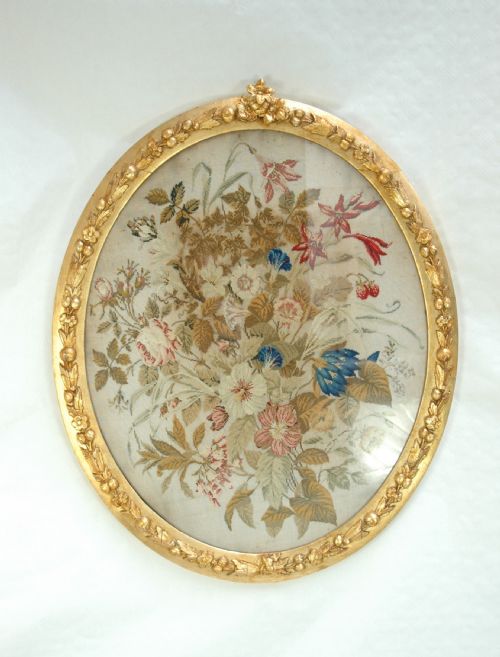
When you search for antique botanical needlepoint, you are looking at stitched textile art, wall art, framed artwork, tapestries and rugs that capture natural subjects. The selection includes framed wall art, embroidered panels, tapestry cushion covers and framed textile art spanning from the seventeenth century through to the twentieth century.
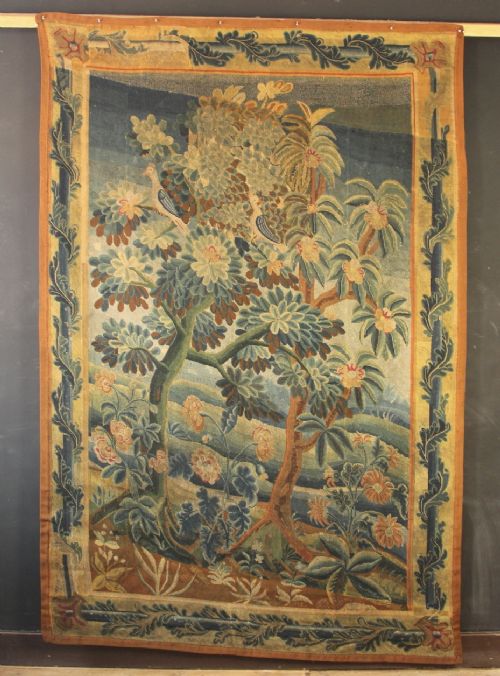
You are most likely to meet framed pictures and panels featuring birds, garden subjects and floral motifs created across diverse periods. The inventory ranges from small octagonal gilt wood frames to large European needlework tapestries.
The regional origins of these works vary widely, encompassing English, French, Portuguese, Chinese and American pieces. Each item reflects the domestic craft traditions and decorative tastes of its specific period and origin.
How they were made
Maker's hands worked with silk, wool and linen threads stitched onto canvas grounds to build up the botanical and avian designs. These textiles were often mounted within wooden, glass and giltwood or gilt wood frames.
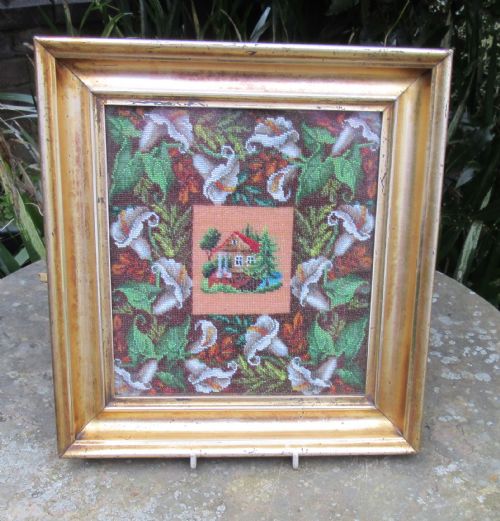
Techniques range from traditional needlework and tapestry weaving to fine beadwork and embroidery. The makers constructed both small framed pictures and large room-scale tapestries using these core textile materials.
Mandarin ducks and garden birds quietly share wall space with stitched pots of strawberries across the centuries.
What varies in quality
The distinction between a standard piece and a finer example lies in the intricacy of the stitching and the handling of the subject matter. Finer works display meticulous control over silk and wool threads to render natural details with precision.
The quality of the surrounding frame, whether giltwood, gilt wood or glass-fronted wood, contributes significantly to the overall presence of the textile art. Superior execution in both the embroidery and the original framing elevates the piece.
The Antique Botanical Needlepoint Glossary
- Needlepoint
- A type of embroidery stitched on a canvas mesh ground. It forms the primary technique for many of the framed pictures and panels.
- Tapestry
- A form of textile art woven by hand on a loom or stitched densely to cover the foundation. These works often depict large pictorial scenes or decorative patterns.
- Giltwood
- Wood that has been coated with a thin layer of gold leaf or gilt. It frequently frames eighteenth and nineteenth century needlework pictures.
- Beadwork
- Embroidery work incorporating small glass beads alongside traditional threads. This technique creates textured, light-reflecting surfaces on specific framed pictures.
Antique Botanical Needlepoint: Frequently Asked Questions
How are antique needlepoint pictures framed?
Many of these textiles are preserved behind glass within wooden or giltwood frames. This housing protects the delicate silk and wool threads from dust and environmental wear.
Larger tapestries and cushion covers are often displayed unglazed or mounted directly onto supportive backing materials to maintain their structural integrity.
Where should I hang these textiles?
These framed artworks suit studies, drawing rooms and hallways where direct sunlight can be minimised. Placing them away from harsh light preserves the dyed colours of the wool and silk threads.
Smaller panels and bird pictures work well grouped together or paired as symmetrical sets on a wall.
How do I identify the period?
Period attribution relies on the style of the stitching, the framing materials and the subject matter depicted. Seventeenth and eighteenth century works often feature distinct colour palettes and canvas grounds compared to nineteenth or twentieth century pieces.
Examining the reverse of the frame and the backing materials also provides clues regarding the age of the piece.
Were these always wall art?
While many surviving pieces were created specifically as framed pictures for display, others began life in different forms. Some items served as tapestry cushion covers before being transitioned into decorative display pieces.
Needlework panels were also worked as upholstery elements or decorative screens prior to later framing.