




18th Century Needlework Picture
These 18th century needlework picture examples offer a tangible link to Georgian domestic arts, bringing delicate embroidered scenes directly into your room.
18th Century Needlework Picture
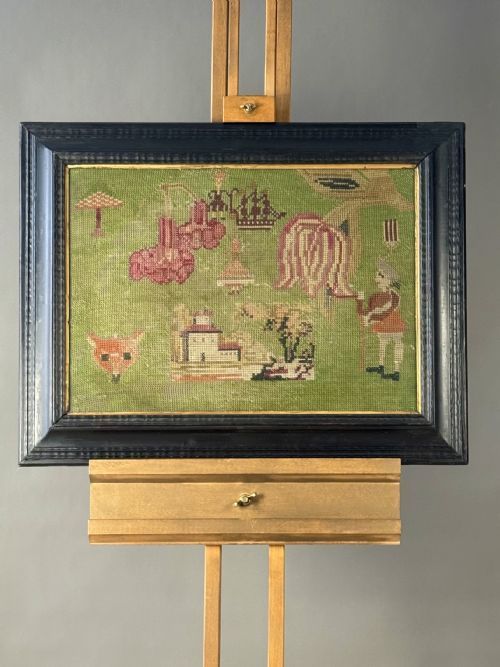
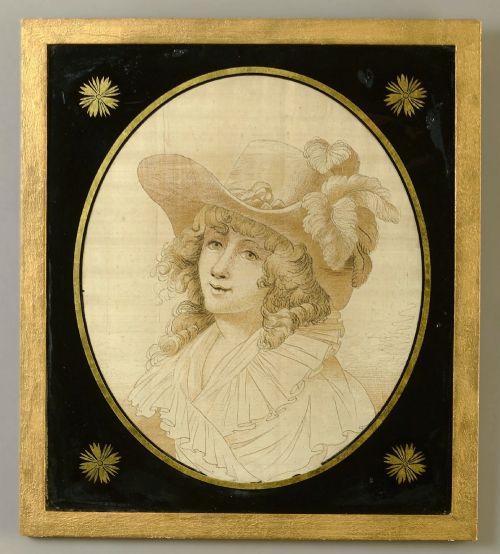
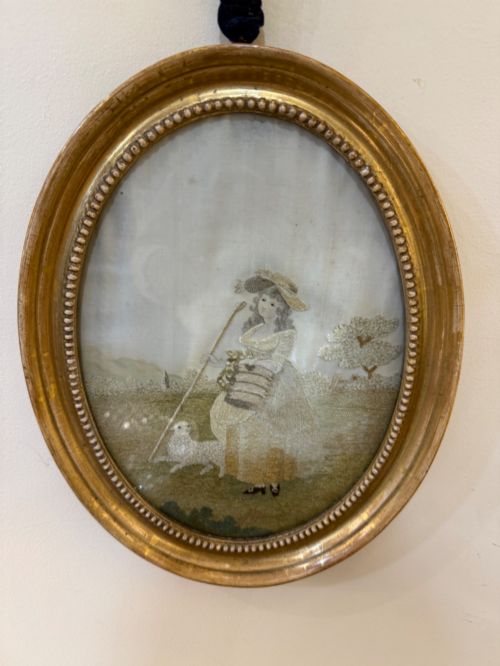
An 18th century needlework picture represents a centuries-old textile art form executed on linen or silk grounds, capturing subjects from pastoral farming scenes to portraits and religious themes. You are most likely to encounter framed needlework pictures and samplers produced during the Georgian and George III periods, often housed in period wooden or giltwood frames.
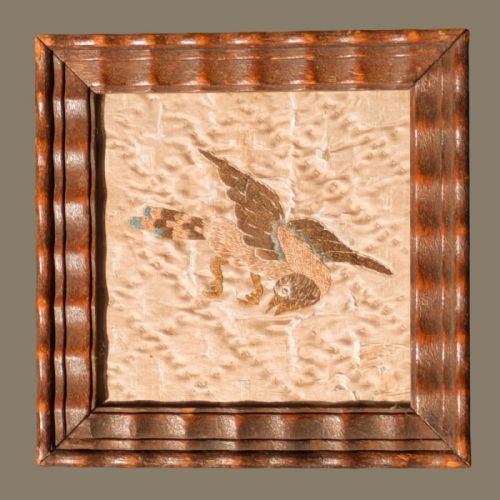
The material palette of these works typically relies on silk floss, wool, and linen threads, occasionally paired with reverse glass prints or housed within octagonal and oval gilt frames. Originating from English, French, and Italian workshops, these textile artworks span secular domestic subjects, bird motifs, and architectural landmarks like Claremont House.
What varies in quality
The distinction between ordinary and exceptional examples rests in the complexity of the needlework, the preservation of the silk and wool threads, and the integrity of the original frame. Superior pieces demonstrate intricate pictorial detail, such as facial expressions in portraits or nuanced shading in pastoral landscapes, executed with high-grade silk floss.
Framing also dictates overall quality, with water gilded oval frames or octagonal giltwood housings commanding greater interest than standard replacement borders. The clarity of the linen ground and the stability of the embroidery yarns determine the longevity and visual impact of the piece.
Listings for this phrase include works spanning the 18th century, Georgian era, and 19th century, utilising silk, wool, linen, and giltwood.
Susan Mary Williams
The 18th Century Needlework Picture Glossary
- Sampler
- A piece of textile work produced as a demonstration or test of skill in various stitches. These often feature alphabets, motifs, and maker details.
- Giltwood
- Wood that has been treated and coated with gold leaf or a gold-coloured substance. This finish is frequently found on period frames enclosing needlework.
- Silk floss
- Untwisted silk thread used for smooth, lustrous embroidery work. It provides a soft sheen characteristic of finer Georgian textile art.
- Reverse glass print
- An image created on the reverse side of a piece of glass, sometimes associated with domestic scenes alongside needleworks. It creates a glossy, reflective surface.
- Water gilding
- A traditional framing technique using animal glue and gesso before applying gold leaf. This allows the gold to be burnished to a high shine.
18th Century Needlework Picture: Frequently Asked Questions
How should I hang an 18th century needlework picture?
Protect fragile silk threads and antique wooden frames by keeping the textile art away from direct sunlight and damp environments. Stable indoor humidity prevents the linen ground and giltwood from deteriorating.
Secure the piece using appropriate wall anchors matched to the weight of the timber frame. Professional framing support ensures the historic fabric remains properly tensioned.
What subjects appear in these antique textiles?
Needlework pictures frequently depict pastoral farming scenes, domestic employment, religious subjects, and portraits of fashionable figures. Birds and architectural landmarks also feature among the surviving examples.
Samplers often display alphabets and decorative motifs alongside the maker's signature or initials. Each subject reflects the educational and decorative pursuits of the period.
How do I identify a Georgian needlework picture?
Look for characteristic materials such as silk floss, wool, and linen grounds housed within period wooden, gilt, or water gilded frames. The stylistic conventions align with Georgian and George III aesthetics.
Documentation or inscriptions on the backing, such as maker names or specific locations, can further clarify the date. Comparing stitch density and subject matter against known examples helps confirm the era.
Are these works usually framed?
Most surviving needlework pictures retain their period frames, ranging from simple wood surrounds to octagonal and oval giltwood designs. Glass fronts are frequently present to shield the delicate textiles from dust and handling.
Original frames contribute significantly to the character of the piece. Buyers often encounter them ready for wall display in domestic settings.