







Framed Silk Panel Artwork
These framed silk panel artwork pieces bring centuries of needlework, painting and textile craft to your walls.
Framed Silk Panel Artwork
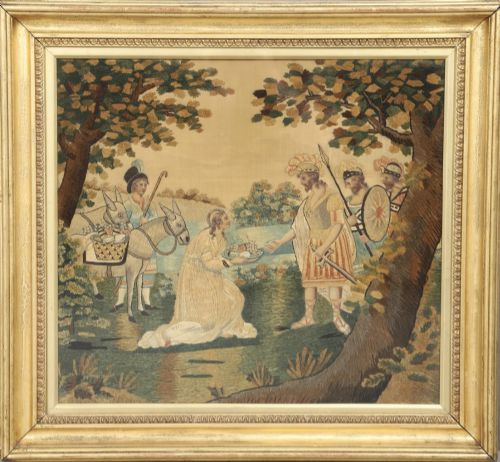
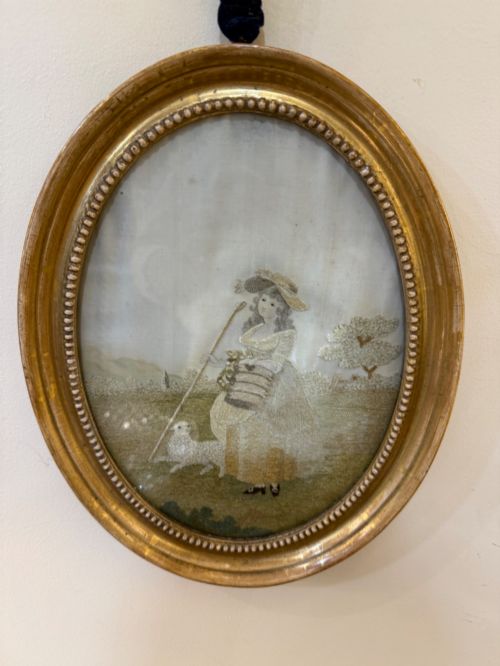
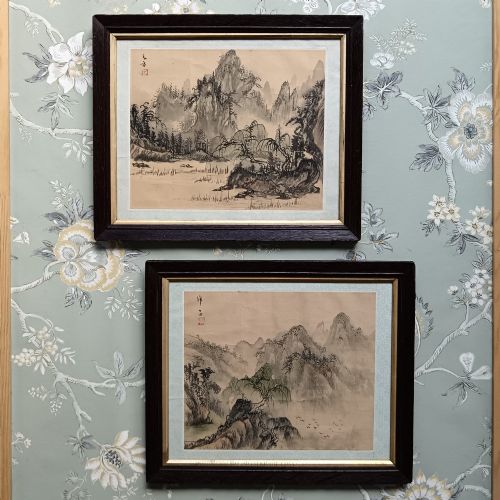
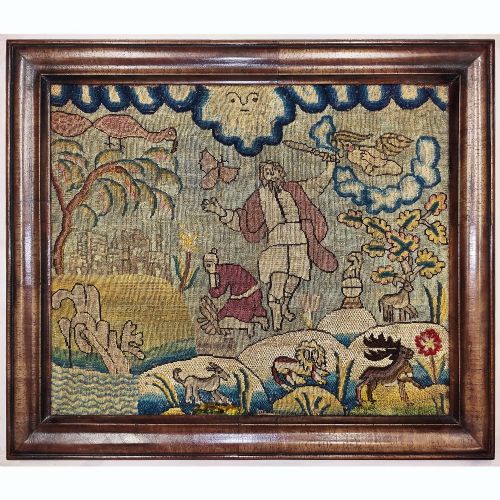
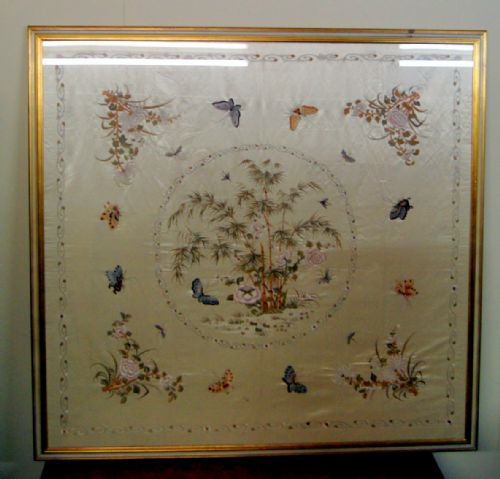
When you search for framed silk panel artwork, you enter a diverse field spanning centuries of textile craft and painting. The pieces gathered here range from early English needlework pictures to traditional Chinese embroidered panels and Japanese silk paintings.
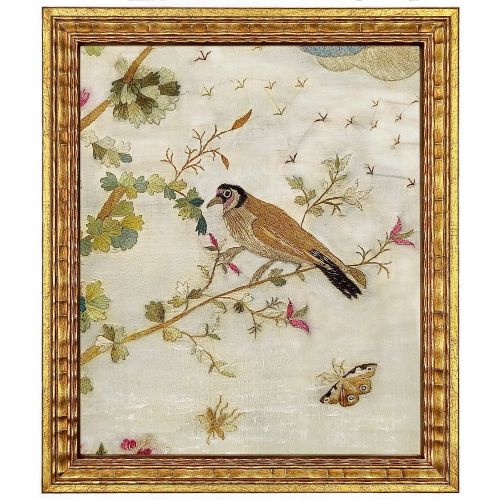
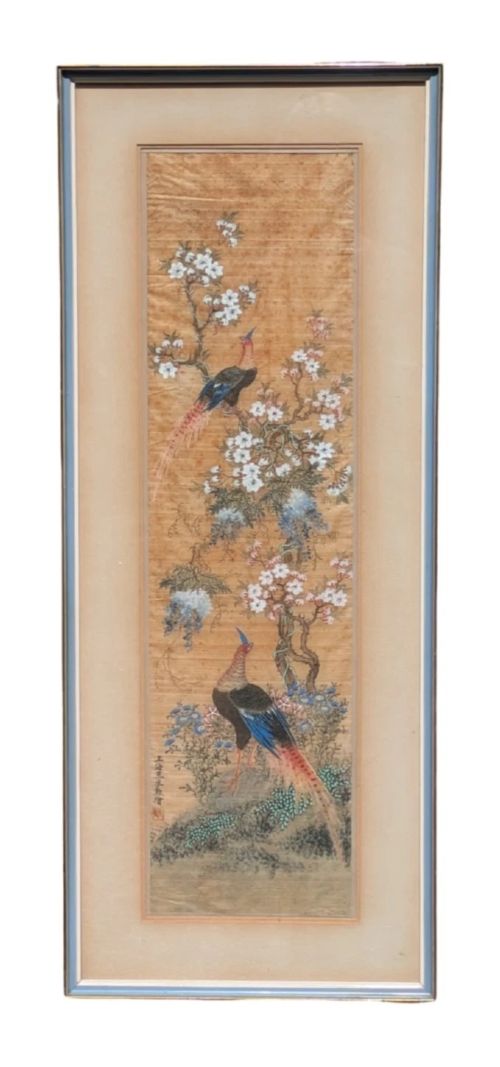
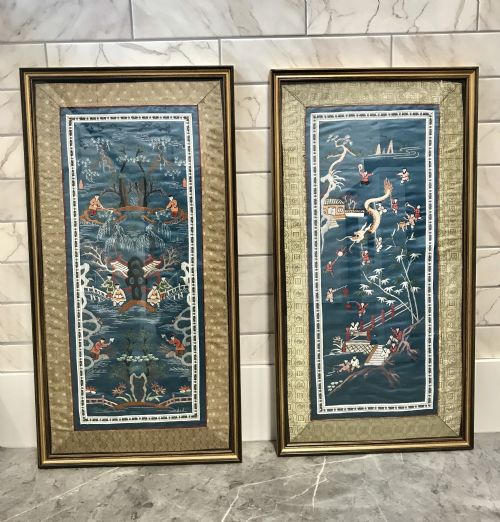
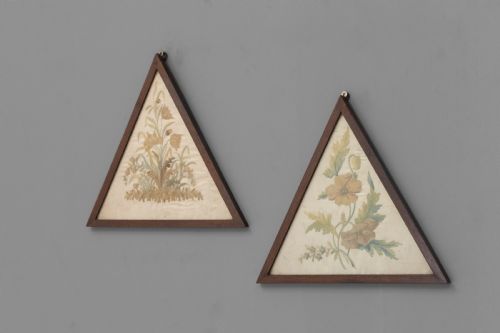
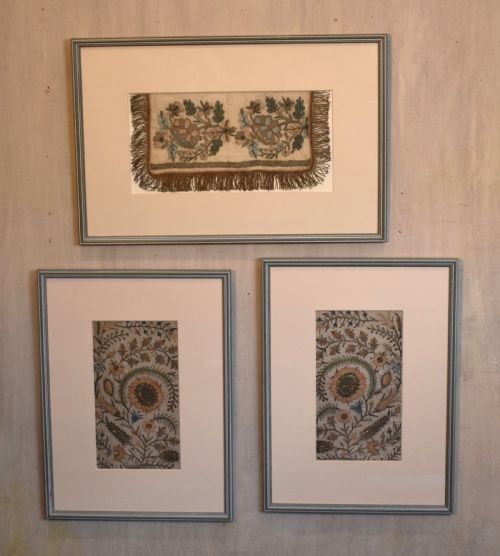
English country house examples often feature detailed needlework and crewel work, while Asian works showcase hand-sewn figures, dragons, flowers and scenic Shan Shui landscapes. You are most likely to meet framed embroideries and paintings protected beneath glass in original wooden or giltwood frames.
The selection covers a broad chronological span, moving from seventeenth-century needleworks through Georgian and nineteenth-century pieces up to mid-twentieth-century Oriental works. Each object reflects the prevailing decorative taste and textile techniques of its period of origin.
Materials and construction
The foundation of these works relies on fine silk fabric, linen or wool, combined with coloured threads, ink and pigment. Artisans used meticulous hand-sewing and embroidery techniques to build up intricate pictorial surfaces, frequently pairing needlework with delicate watercolour painting.
Framing is integral to the survival of these delicate textiles, with wood, glass and giltwood serving to protect the fabric from dust and handling. Many pieces retain their original frames, which help date the artwork and preserve the fragile panels within.
Framed Silk Panel Artwork Retail Price Guide 2026
Typical asking prices for framed silk panel artwork among the pieces listed under this phrase on Sellingantiques today, from the lower quarter to the upper quarter. They describe what is for sale here now, not the wider market.
Materials recorded across the inventory include silk, wool, linen, glass, wood, giltwood, ink and pigment.
Factors of quality
Quality in these textile works rests on the precision of the hand-stitching, the complexity of the design and the preservation of the material. Fine needlework exhibits tight, uniform stitches and sophisticated shading that brings figures, birds and floral motifs to life.
The condition of the silk and the integrity of the original frame heavily influence the character of the piece. Works that retain vibrant pigment, intact glass protection and stable mounting demonstrate superior craftsmanship and enduring care.
The Framed Silk Panel Artwork Glossary
- Shan Shui
- Traditional Chinese painting style featuring natural scenery such as mountains, rivers and waterfalls. These landscapes are often rendered in ink and pigment directly onto silk panels.
- Crewel work
- A type of surface embroidery using wool or silk thread on a linen or cotton ground. It creates textured, decorative designs popular in early English needlework pictures.
- Giltwood
- Wood carved and coated with a thin layer of gold leaf or gilt powder. This material is frequently seen on frames from the eighteenth and nineteenth centuries.
- Needlework picture
- A pictorial composition created with a needle and thread on a textile ground. These works were often framed and hung as wall art in domestic interiors.
Framed Silk Panel Artwork: Frequently Asked Questions
How do I hang framed silk panels safely?
Keep textile artworks away from direct sunlight to prevent the silk and pigments from fading over time. Ensure the hanging wall is free from dampness to protect the delicate fabric and wooden frames.
Use sturdy picture hooks suited to the weight of the frame and glass. Professional framing with UV-filtering glass provides an extra layer of conservation for older pieces.
How are different periods identified?
Dating relies on stylistic clues within the textile design, the framing materials and the type of stitch work used. Eighteenth-century pieces often show specific English needlework conventions or classical European subjects.
Asian panels frequently align with Qing Dynasty aesthetics or late nineteenth-century export styles. Examining the reverse of the panel and the construction of the frame reveals further clues about the manufacturing era.
What subjects appear on these panels?
The subject matter varies widely between European and Asian traditions. English and European pieces often feature religious scenes, botanical studies or traditional needlework figures.
Asian panels frequently depict garden birds, mandarin ducks, dragons, flowers and expansive landscape views. Some unusual examples even capture whimsical subjects like animal battles on silk.