



Vintage Silk Embroidery Frame
A vintage silk embroidery frame holds centuries of hand-worked textile art, bringing historic needlework, silk panels and framed samplers onto the wall.
Vintage Silk Embroidery Frame
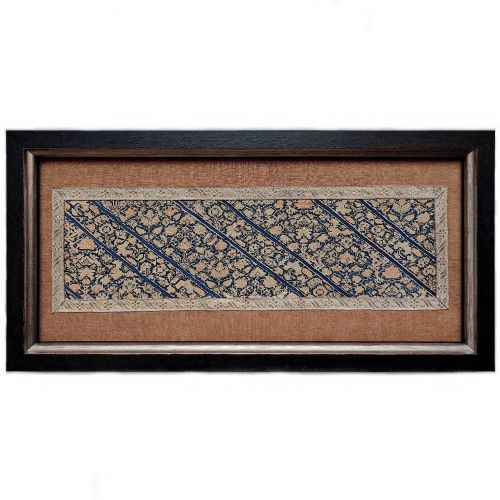
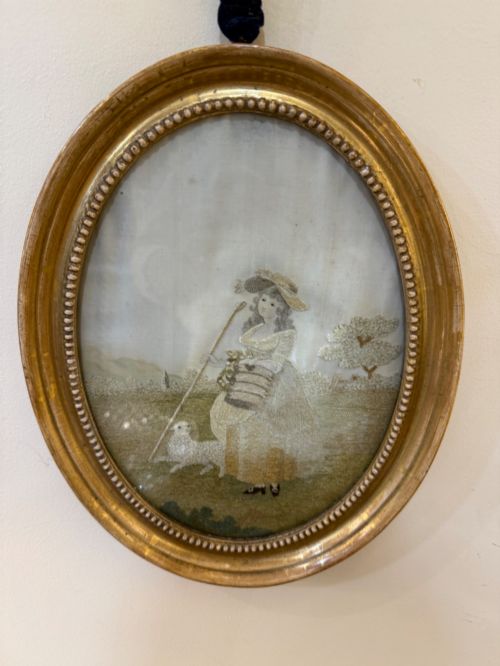
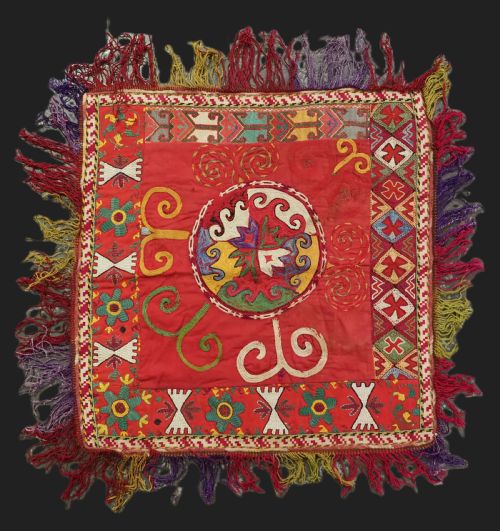
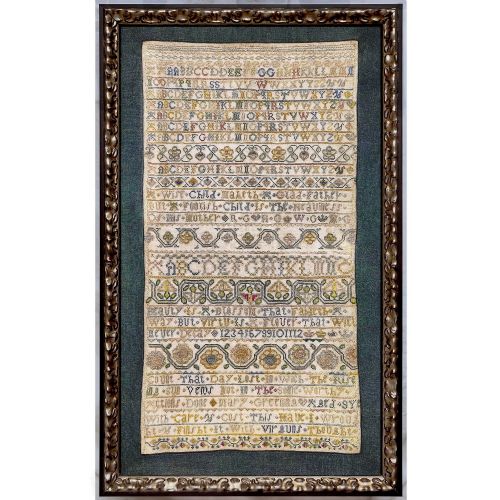
A vintage silk embroidery frame encompasses historic needlework pictures, framed textiles and wall art spanning from the seventeenth century through to the twentieth century. These pieces display diverse global origins, ranging from English band samplers and needlework pictures to Persian, Indian, Ottoman, Chinese and Greek island textiles.
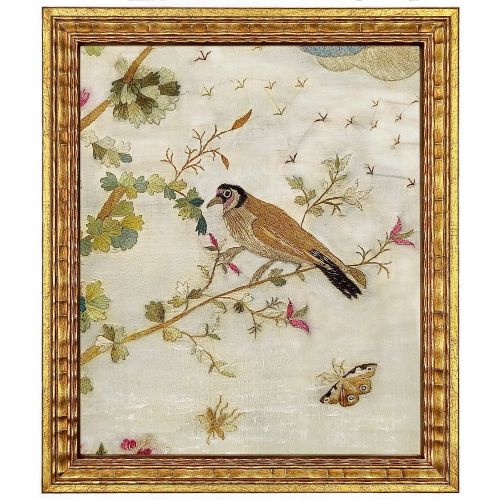
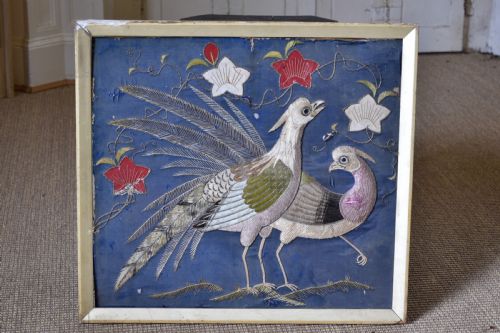
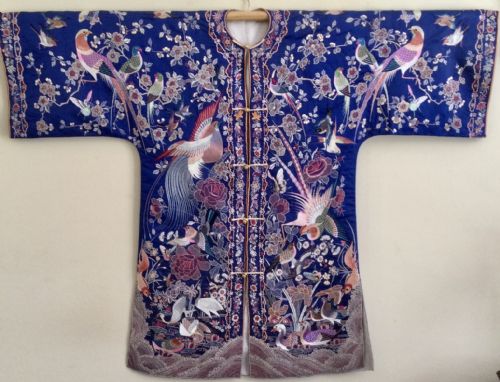
English needlework pictures and eighteenth-century samplers sit alongside tribal dowry embroideries, Chinese garden bird panels and Qajar Persian work. This variety offers collectors numerous regional traditions and historical periods within framed textile art.
Materials and construction
These works utilise silk, linen, wool, cotton and metallic thread stitched onto base textiles like linen or silk grounds. Makers incorporated glass for protection and wood or giltwood for the surrounding frames.
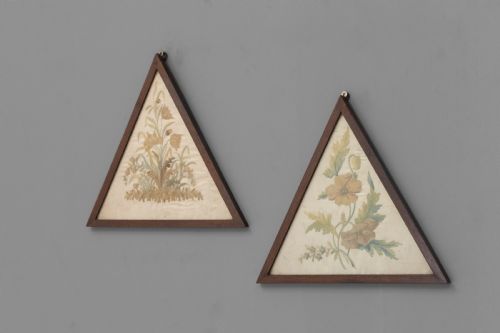
Techniques range from fine needlepoint and crewel work to intricate gold embroidery and traditional regional needlework methods. Selected pieces combine silk embroidery with painted elements such as watercolours on paper or fabric.
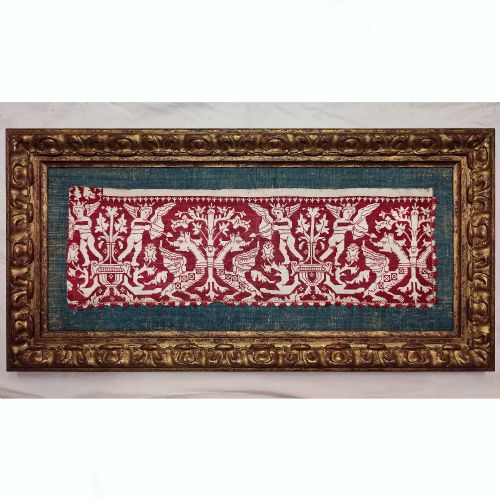
Makers mounted fragile antique fragments and complete textile panels into protective glazed wooden frames, frequently incorporating carved stands or hanging mounts for display.
Vintage Silk Embroidery Frame Retail Price Guide 2026
Typical asking prices for vintage silk embroidery frame among the pieces listed under this phrase on Sellingantiques today, from the lower quarter to the upper quarter. They describe what is for sale here now, not the wider market.
A youthful Mary Greening and a determined Ann Hodson left their ages and needlework stitches stitched permanently into history.
Distinguishing quality in historic needlework
Quality rests upon the intricacy of the needlework technique, the complexity of the design and the preservation of the delicate silk and metallic threads. Finer works display meticulous stitch control and sophisticated pictorial composition.
The condition of the textile ground and the vibrancy of surviving coloured silks determine the visual strength of the piece. Superior examples retain their original framing materials, whether carved giltwood or period wooden surrounds.
The Vintage Silk Embroidery Frame Glossary
- Sampler
- A piece of needlework produced as a demonstration or test of skill in various stitches, often featuring alphabets, numbers and motifs. Samplers frequently include the maker name and date.
- Band sampler
- A narrow, horizontal strip of linen worked with various repeating embroidery stitches and patterns. These early English pieces showcase technical proficiency.
- Giltwood
- Wood that has been treated with a thin layer of gold leaf or gold paint. Frames of this material often house finer needlework pictures.
- Crewel work
- Embroidery executed with wool yarn on a fine linen or twill ground. This technique creates textured, organic designs.
- Needlework picture
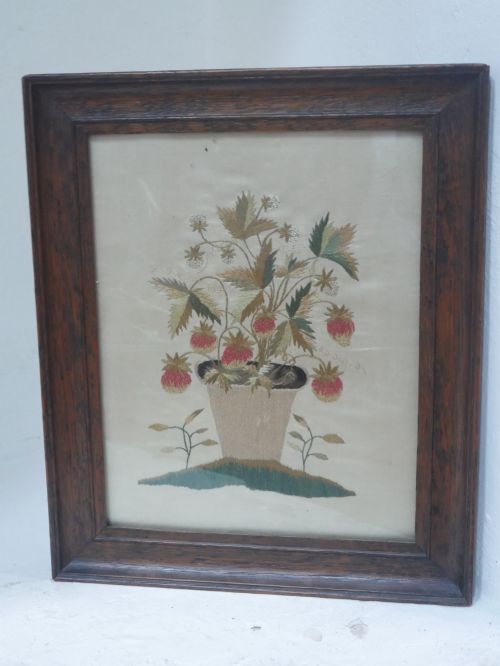
- A pictorial composition worked in thread rather than painted with pigments. These framed textile artworks often depict landscapes, figures or botanical subjects.
Vintage Silk Embroidery Frame: Frequently Asked Questions
How do I date an antique embroidery frame?
Dating relies upon stylistic clues within the textile, such as the typography of alphabets on samplers, costume details in figures and regional design motifs. Supporting evidence often appears in inscribed names, dates and framing methods typical of specific centuries.
Material analysis of the backing fabrics, threads and framing construction also helps narrow the period of origin. Comparing the piece against documented examples from English, European or Asian traditions confirms the likely era.
What is the difference between a sampler and a textile panel?
A sampler is a练习 piece created to demonstrate various stitches, patterns and alphabets, often signed and dated by the maker. They serve as historical records of needlework education.
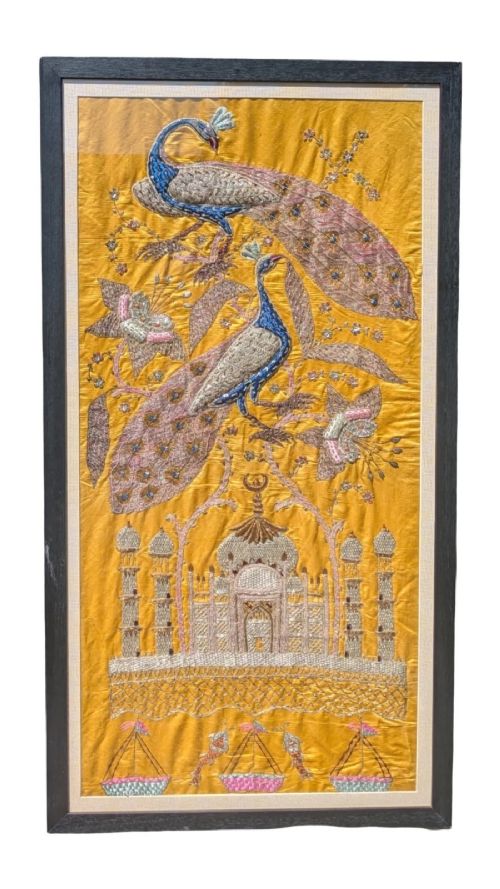
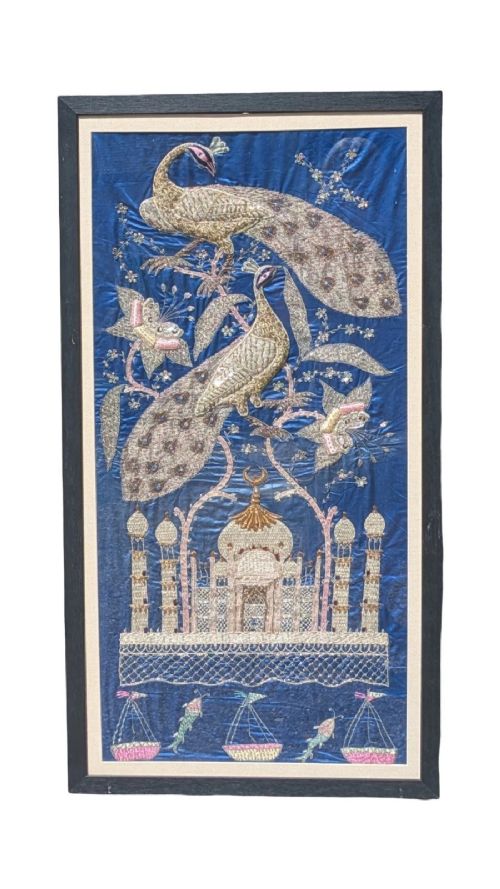
A textile panel or picture is a completed decorative artwork designed for display rather than practice. These feature pictorial scenes, birds, florals or architectural subjects like the Taj Mahal.
How should I care for framed silk embroidery?
Framed textiles require placement away from direct sunlight and strong artificial light to prevent the silk and metallic threads from fading. Maintaining stable indoor humidity protects both the historic fabrics and the wooden frames.
Glazing protects the delicate embroidery from dust and atmospheric pollution. Professional framing using conservation materials ensures the textile remains secure without touching the glass surface.
Where were these embroidered panels made?
The listings encompass a wide geographical spread reflecting international needlework traditions. Origins include England, China, Japan, Persia, India, the Ottoman Empire and the Greek islands.
Each region utilises distinct materials, colour palettes and stitch techniques, from English band samplers to Chinese silk robes and Ottoman gold-embroidered jackets.