



Framed Silk Needlepoint Art
These framed silk needlepoint art pieces bring centuries of hand-stitched colour and narrative directly to your walls.
Framed Silk Needlepoint Art
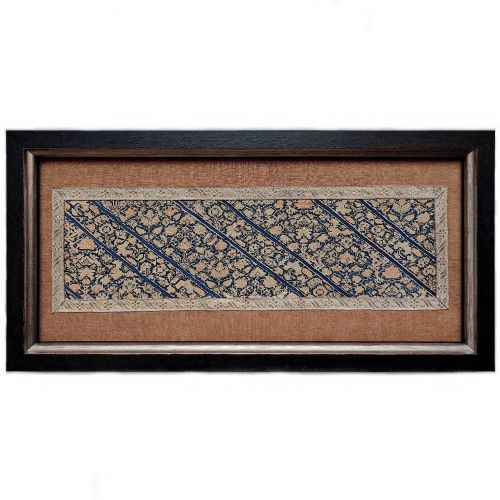
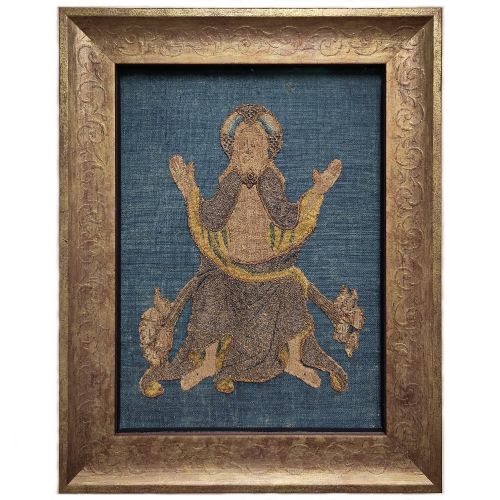
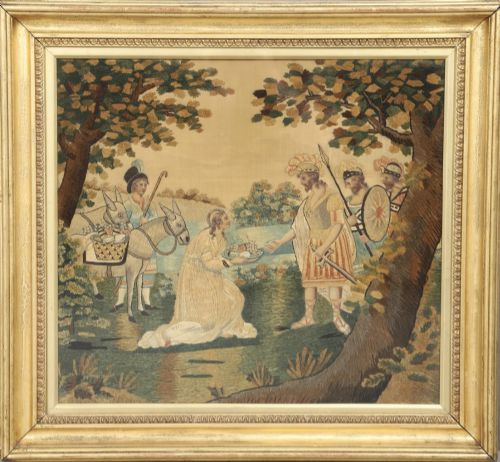
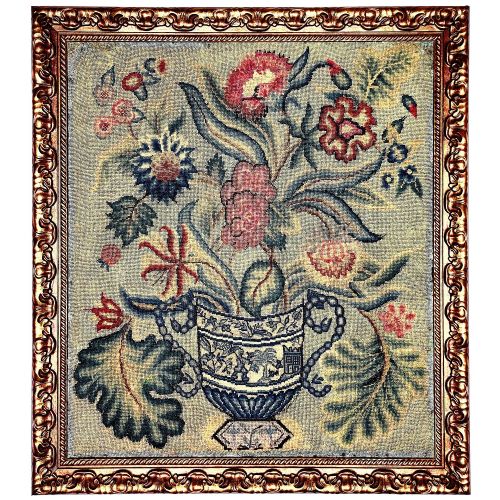
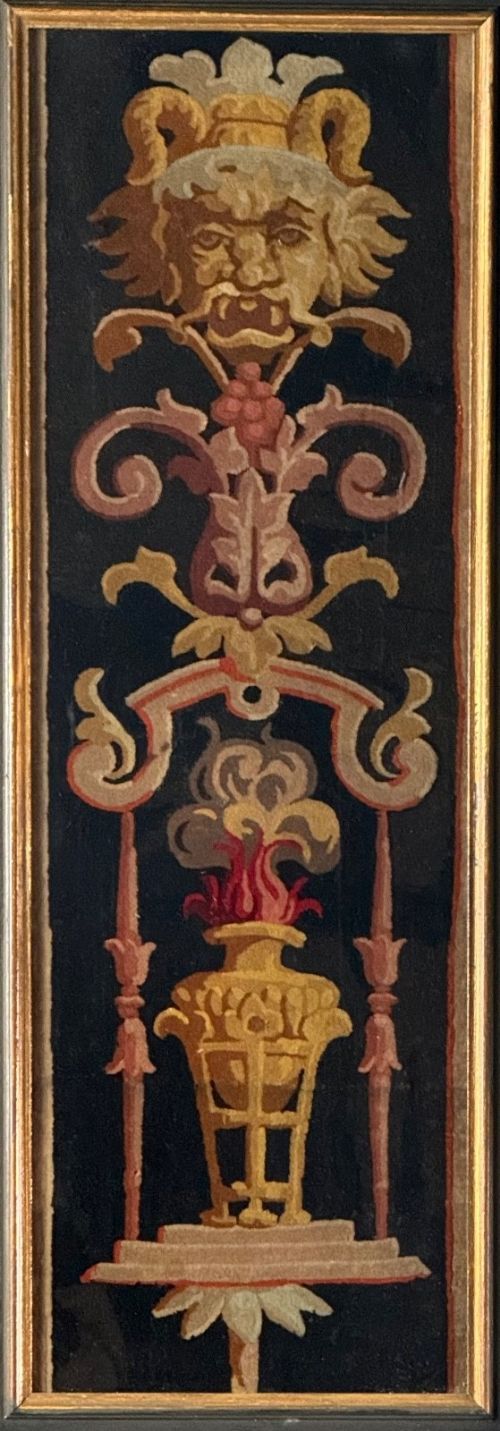
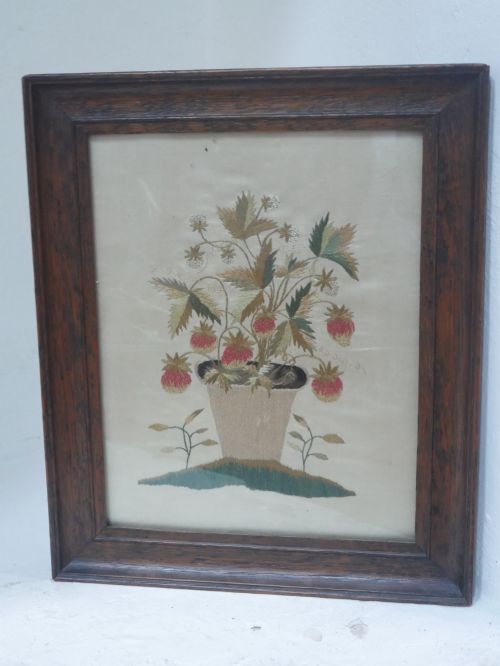
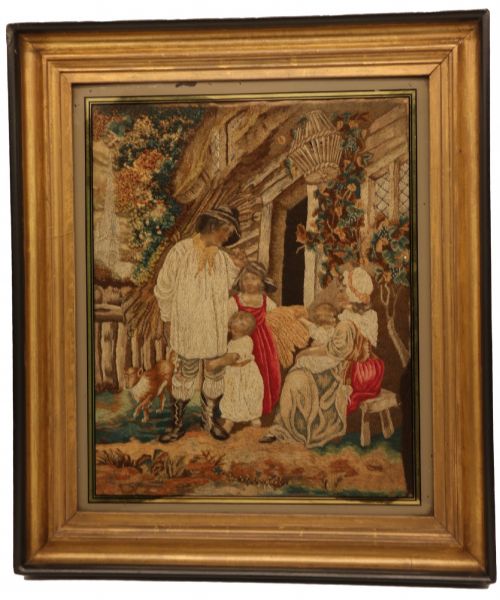
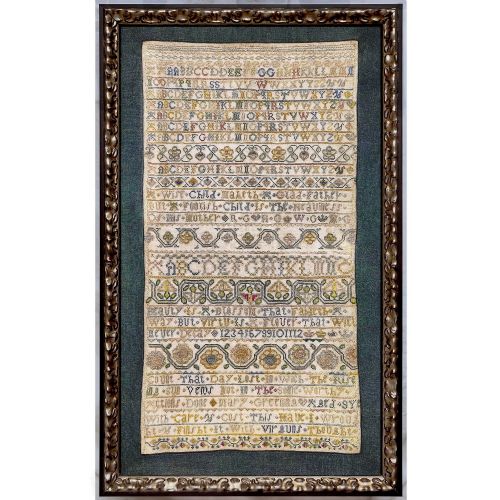
When you search for framed silk needlepoint art, you encounter historical textile works spanning the seventeenth century through to the early twentieth century. These pieces encompass detailed pictorial scenes, botanical studies, maps, and sampler panels created by both adults and young makers.
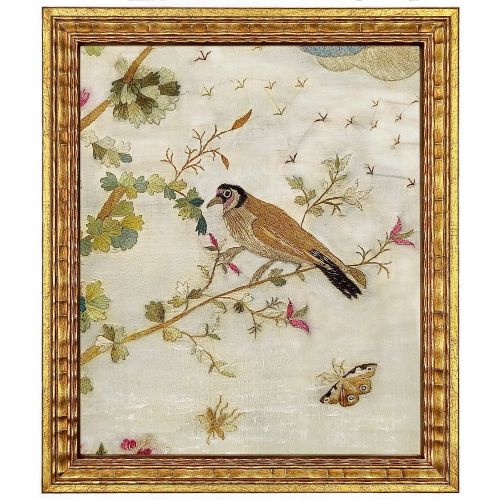
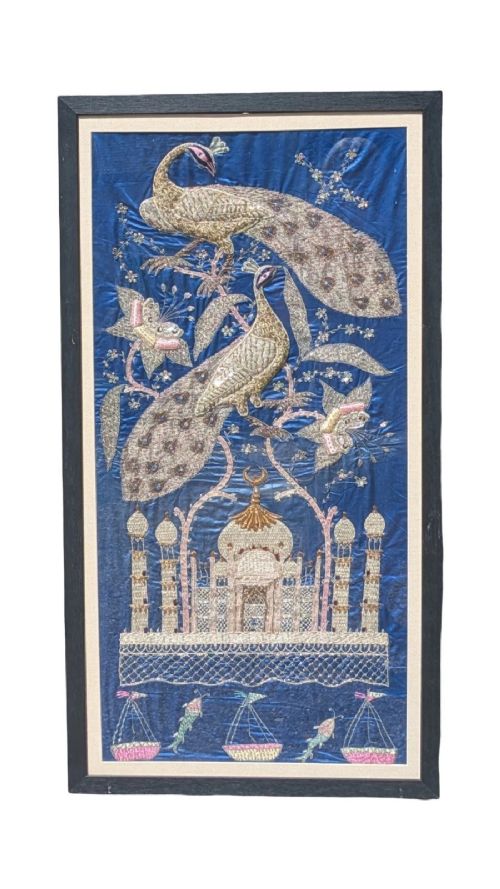
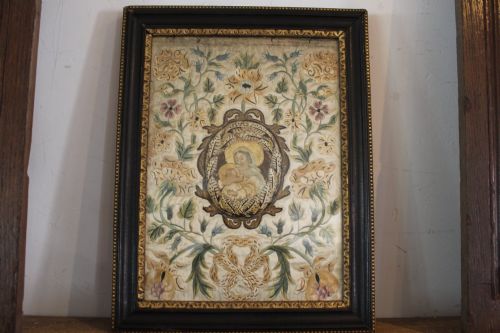
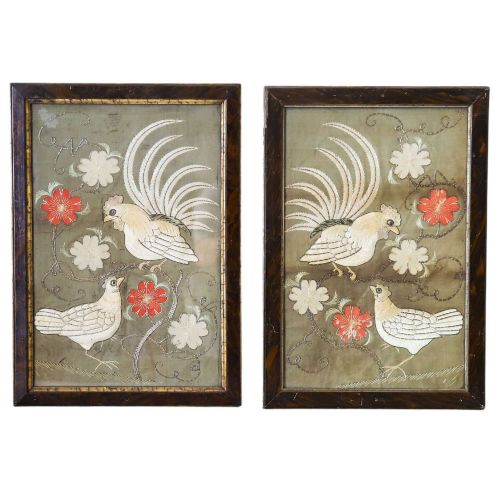
The most common examples on this page are eighteenth and nineteenth-century English embroidered silk pictures and samplers. You also find continental European panels, Persian and Indian works, and framed needlework depicting birds, architectural subjects, and historical or literary narratives.
Object forms range from small oval woolwork pictures and long stitch pairs to large framed wall art panels. Each piece brings together textile art and protective framing, often retaining glass and period surrounds that preserve the delicate stitches within.
Materials and execution
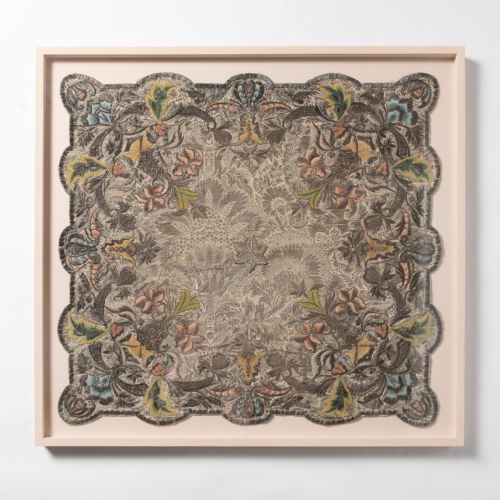
Protection and presentation relied heavily on period enclosures such as giltwood, faux tortoiseshell, and verre églomisé glass frames. These enclosures were selected to shield fragile silk fibres from dust and light while complementing the domestic interiors of the Georgian and Victorian eras.
Framed Silk Needlepoint Art Retail Price Guide 2026
Typical asking prices for framed silk needlepoint art among the pieces listed under this phrase on Sellingantiques today, from the lower quarter to the upper quarter. They describe what is for sale here now, not the wider market.
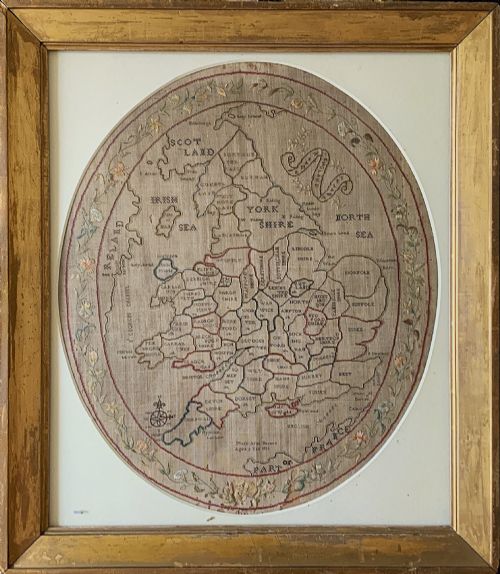
Mary Banion stitched her map of England and Wales at age nine, inadvertently creating a cartographic geography lesson with a needle.
Distinctions in execution
Quality rests in the precision of the stitch work and the complexity of the rendered subject. Finer pieces demonstrate meticulous control over long stitch, tent stitch, and silk floss shading to achieve realistic perspective and depth in pictorial scenes.
Condition and originality dictate the standing of a panel. Examples that retain their original frames, stable silk grounds, and vibrant unblemished thread colours stand apart from pieces requiring extensive conservation or showing significant fibre loss.
The Framed Silk Needlepoint Art Glossary
- Sampler
- A piece of needlework produced as a demonstration or test of skill, often featuring alphabets, numerals, and motifs.
- Verre églomisé
- A process of applying design and gilding to glass panels, frequently used for decorative borders on picture frames.
- Long stitch
- An embroidery technique where stitches are worked closely together in elongated vertical or horizontal rows to cover the ground.
- Silk floss
- Untwisted or loosely twisted silk fibres used in needlework to create smooth, lustrous areas of colour.
- Metal thread
- Fine wire or wrapped metallic thread utilised in embroidery to add reflective highlights and formal detail.
Framed Silk Needlepoint Art: Frequently Asked Questions
What periods do these framed needlework pieces cover?
The selection includes works from the seventeenth, eighteenth, and nineteenth centuries, alongside early twentieth-century examples.
English pieces predominate, accompanied by continental European, Greek Island, and Asian textile panels.
How were these textile panels originally displayed?
Historic needlework was mounted behind glass within wood, giltwood, or specialised frames to protect delicate silk and metal threads from environmental damage.
Owners hung these framed works in parlours and drawing rooms as displays of domestic accomplishment and refinement.
How do I care for framed silk needlework?
Keep framed textile art away from direct sunlight to prevent the silk threads from fading and the fabric grounds from degrading.
Maintain stable indoor humidity levels and avoid hanging pieces in damp areas such as kitchens or unheated rooms.
Can I identify the person who made a piece?
Some samplers and pictorial works include stitched names, ages, and dates, providing a direct record of the maker.
Many other panels remain anonymous, identifiable primarily by their regional style, framing techniques, and period materials.