





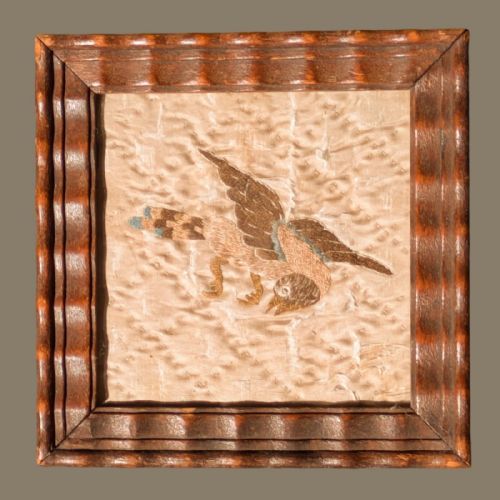


Georgian Embroidery Textile Picture
A georgian embroidery textile picture brings tactile depth and historic storytelling straight to your wall.
Georgian Embroidery Textile Picture
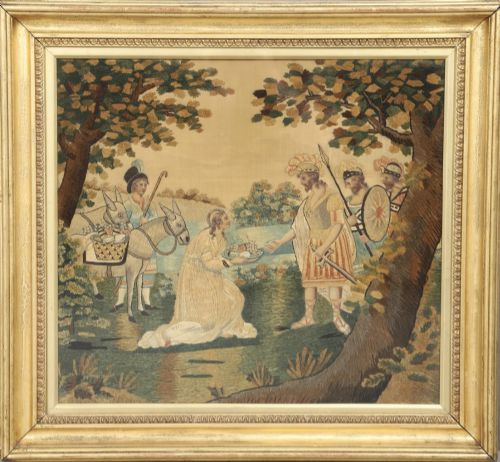
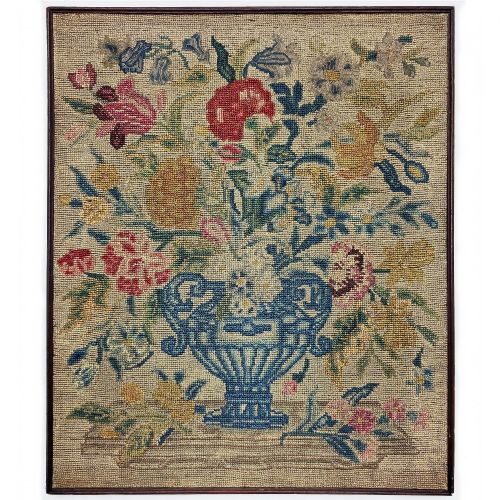
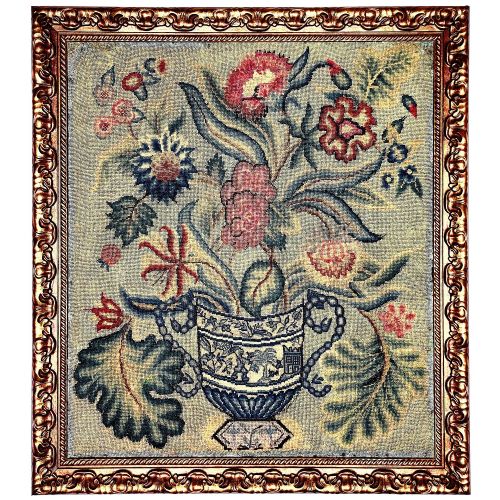
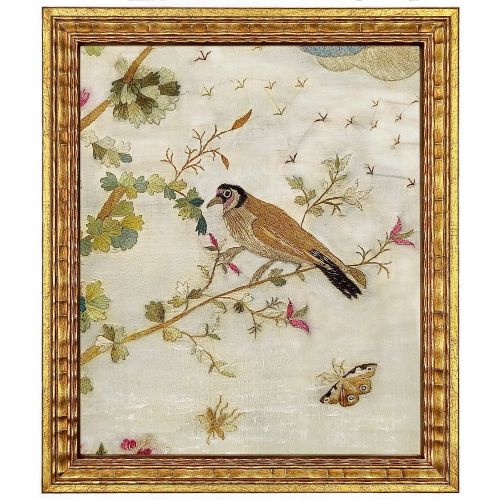
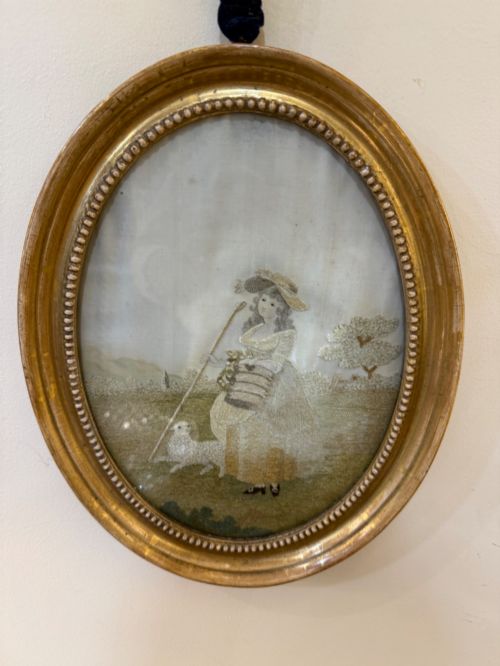
A georgian embroidery textile picture comprises needlework art created across the eighteenth and nineteenth centuries, often taking the form of framed wall hangings, silk pictures, and samplers. These pieces frequently depict pastoral scenes, literary subjects, maps, and religious motifs worked by hand on linen or silk foundations.
The versions most commonly met on this page include eighteenth-century English needlework panels and early nineteenth-century silkwork pictures. Makers utilised wool, silk thread, and felt to build textured surfaces that capture historical narratives and domestic scenes.
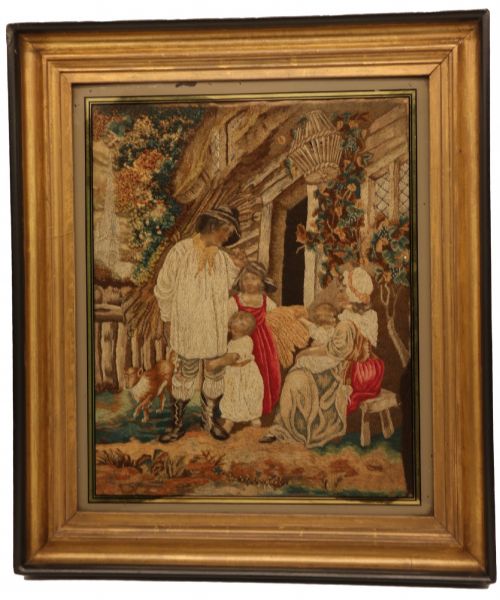
Framed examples frequently retain period surrounds such as octagonal giltwood or verre églomisé frames. These historic housings protect the delicate textiles while providing the distinct aesthetic of the Georgian and Regency eras.
Materials and construction
Artisans built these textiles using fine linen or woven silk as a base ground for detailed needlework. Silk floss and wool yarns were then applied using varied stitches to render figures, foliage, and architectural elements with dimensional effect.
Makers enclosed the delicate needlework behind protective glass within frames styled to the period, such as oval gilt Mezzotint surrounds. This method secured the fragile silk and wool fibres from environmental wear while displaying the artwork.
Georgian Embroidery Textile Picture Retail Price Guide 2026
Typical asking prices for georgian embroidery textile picture among the pieces listed under this phrase on Sellingantiques today, from the lower quarter to the upper quarter. They describe what is for sale here now, not the wider market.
Current listings feature pieces spanning the eighteenth and nineteenth centuries, utilising silk, wool, and linen framed in giltwood and verre églomisé.
Distinctions in quality
The distinction between ordinary and superior works rests upon the complexity of the needle technique and the preservation of the materials. Finely executed silk embroidery retaining vibrant thread colour and stable ground linen stands apart from simpler, faded compositions.
The sophistication of the subject matter and the inclusion of hand-painted details elevate certain panels above standard alphabet samplers. Superior pieces often feature narrative depth, such as literary scenes or detailed topographical map work.
Original period framing contributes significantly to the integrity of the piece, particularly when paired with water-gilded or verre églomisé surrounds. Matching pairs also command greater interest through their matched execution and shared history.
The Georgian Embroidery Textile Picture Glossary
- Verre églomisé
- A process of cold painting and gilding on the reverse face of glass. This technique provides decorative, reflective borders for framing historic textile pictures.
- Silk floss
- Unspun silk filaments utilised for smooth, glossy embroidery work. It creates a luminous surface texture in eighteenth and nineteenth-century pictorial panels.
- Crewel work
- Embroidery executed using fine wool yarn on a linen ground. This technique creates robust, heavily textured surfaces common in early textile pieces.
- Sampler
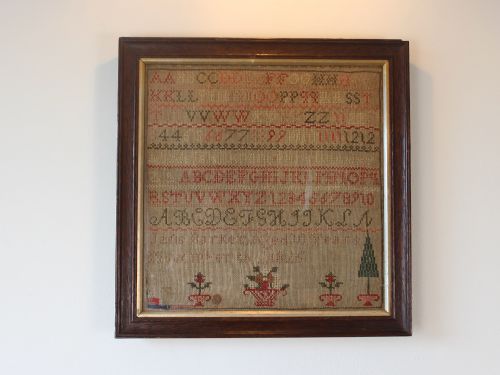
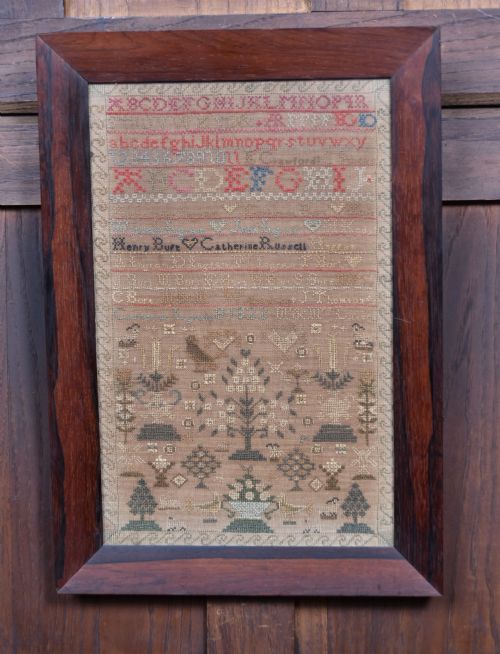
- A piece of needlework demonstrating various stitches and alphabets, often worked by young makers. These works record educational progress alongside decorative motifs.
- Water gilding
- A traditional framing technique applying thin gold leaf over wet gesso. This process produces a soft, matte metallic finish found on period picture frames.
Georgian Embroidery Textile Picture: Frequently Asked Questions
What subjects do these textile pictures show?
These works depict a wide variety of subjects ranging from pastoral figures in gardens to scenes drawn from popular stories like Jack and the Beanstalk. Map samplers, religious narratives, and commemorative military pieces also appear frequently.
Maker details occasionally emerge through signatures or names inscribed alongside dates, offering a direct link to the individual who stitched the panel.
How should I care for a silk picture?
Protect antique textiles by hanging them away from direct sunlight, which fades delicate silk thread and wool work over time. Maintaining stable indoor humidity prevents the historic backing linen and paper components from becoming brittle.
Keep the original glass and frame intact to shield the delicate embroidery fibres from dust and physical handling.
Are these works signed by the makers?
Some samplers and pictorial panels include stitched signatures, initials, or the age of the maker alongside dates from the Georgian and Regency periods. Schoolgirl works often record the name of the establishment where the needlework was taught.
Many decorative panels remain unsigned, attributed instead through material analysis, style, and the construction of their original frames.
How do I identify a Regency period frame?
Regency frames often feature distinct decorative treatments such as verre églomisé glass panels or gilt Mezzotint mouldings. These surrounds use water gilding over gesso bases to create rich metallic surfaces.
Oval and octagonal formats are typical for this era, designed specifically to complement the proportions of the embroidered silk pictures within.