




Georgian Silk Thread Embroidery
Georgian silk thread embroidery brings eighteenth and nineteenth-century needlework into the home, prized for delicate pictorial scenes and detailed samplers.
Georgian Silk Thread Embroidery
When you search for georgian silk thread embroidery, you encounter textile art created primarily during the eighteenth and nineteenth centuries. These works include framed pictures, band samplers, and sewing accessories made by hand.
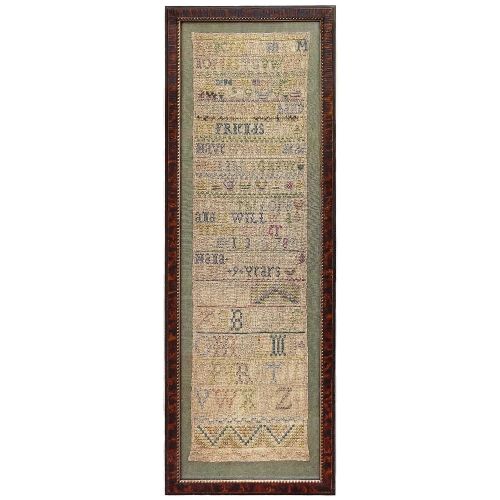
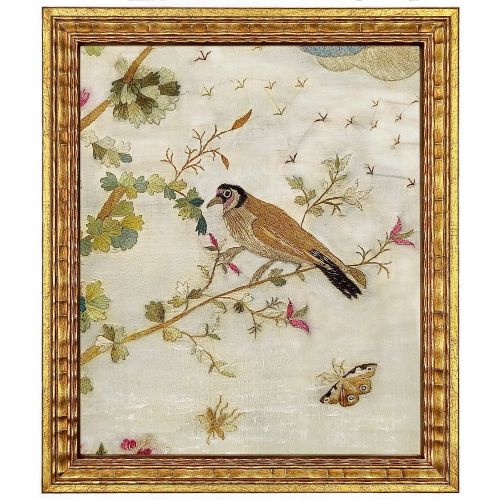
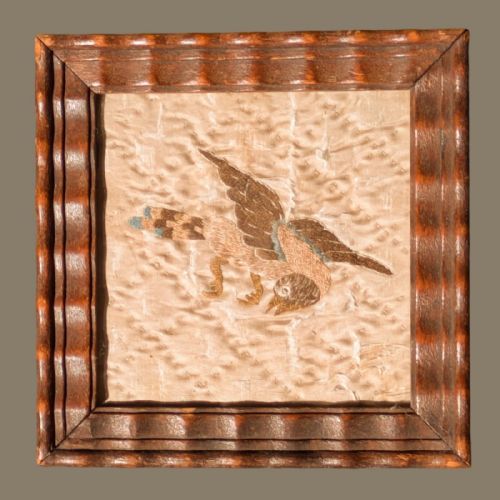
The pieces on this page span the Georgian, Regency, and Victorian periods. You will frequently find framed needlework panels depicting birds, religious subjects, or figure studies such as oyster sellers.
Makers ranged from schoolgirls completing samplers to skilled artisans producing framed textile art. Commemorative works, such as those dedicated to the Royal Artillery, also appear within these categories.
How they were made
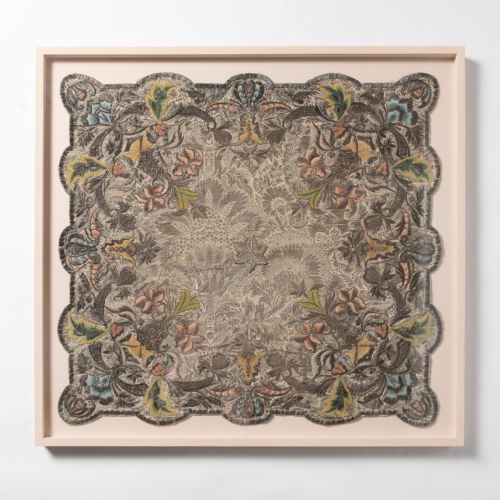
These works rely on silk thread and linen backgrounds, often utilising long stitch and varied needlework techniques to build pictorial depth. Artisans combined fine threads with painted backgrounds or worked entirely in stitchery.
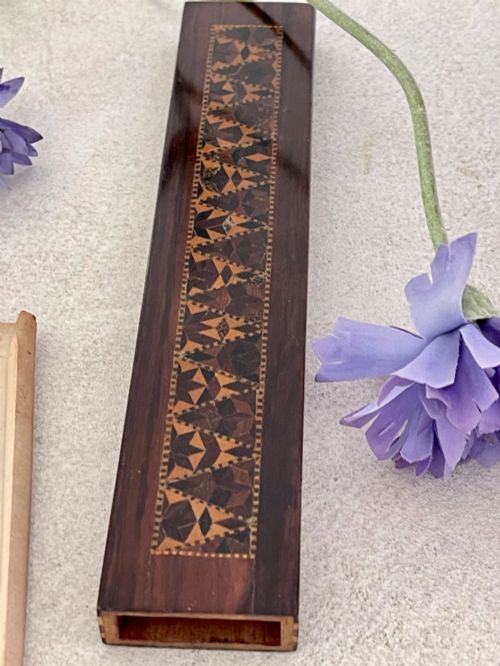
Framing materials reflect the period, incorporating wood, rosewood, giltwood, and protective glass to preserve the delicate textiles. Sewing accessories like silk skein holders demonstrate turned woodwork and Tunbridge Ware decoration.
Georgian Silk Thread Embroidery Retail Price Guide 2026
Typical asking prices for georgian silk thread embroidery among the pieces listed under this phrase on Sellingantiques today, from the lower quarter to the upper quarter. They describe what is for sale here now, not the wider market.
Listings feature silk, linen, wood, rosewood, and giltwood across eighteenth and nineteenth-century items.
What varies in quality
Quality rests in the precision of the stitching and the preservation of the silk threads over centuries. Fading and thread loss alter the visual impact of pictorial scenes.
The sophistication of the composition separates standard schoolgirl samplers from accomplished needlework pictures. Original frames in rosewood or giltwood also enhance the overall integrity of a piece.
The Georgian Silk Thread Embroidery Glossary
- Band sampler
- A narrow piece of linen worked with various embroidery stitches in horizontal bands, often signed and dated by the maker. These served as reference pieces or demonstrations of skill.
- Silk work
- Embroidery executed primarily using silk threads upon a woven ground. The material catches the light and allows for subtle tonal gradations in pictorial scenes.
- Long stitch
- An embroidery technique where stitches are laid parallel and long to cover the ground quickly and create smooth pictorial areas. It is frequently seen in Regency silk pictures.
- Tunbridge Ware
- Small wooden objects decorated with minute mosaic patterns made from naturally coloured woods. These items often accompanied needlework pursuits.
Georgian Silk Thread Embroidery: Frequently Asked Questions
What is georgian silk thread embroidery?
These works are hand-stitched textile pieces created using fine silk threads, often mounted as framed wall art or samplers. They capture domestic, religious, and commemorative subjects from the eighteenth and nineteenth centuries.
Surviving examples demonstrate the needle skills of the period, executed on linen grounds and preserved behind glass within period frames.
How do I date these embroideries?
Dating relies on stylistic clues, framing materials, and inscribed dates or makers' names worked directly into samplers. Costume details and lettering styles also indicate whether a piece originates in the eighteenth century or the Regency era.
Many works explicitly record the maker and date, providing a clear point of reference for the period of execution.
How were these pieces displayed?
Historically, embroidered pictures were framed and hung on parlour walls to demonstrate the accomplishment and taste of the household. They functioned as domestic decoration alongside paintings and prints.
Protection behind glass was essential to shield the delicate silk threads from dust, soot, and light damage.
How do I care for silk embroidery?
Protection from direct sunlight is crucial to prevent the silk threads from fading and losing their original colour. Keeping pieces away from moisture and high humidity preserves the fragile linen and wooden frames.
Professional framing with conservation materials helps maintain the stability of antique textiles over time.