

Framed Tapestry Art
Framed tapestry art brings centuries of hand-stitched narrative and textile craft directly onto the wall, offering collectors a rich slice of historical domestic skill.
Framed Tapestry Art
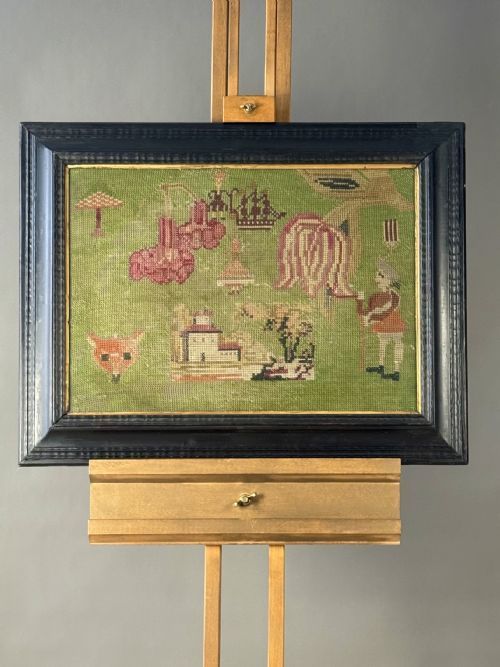
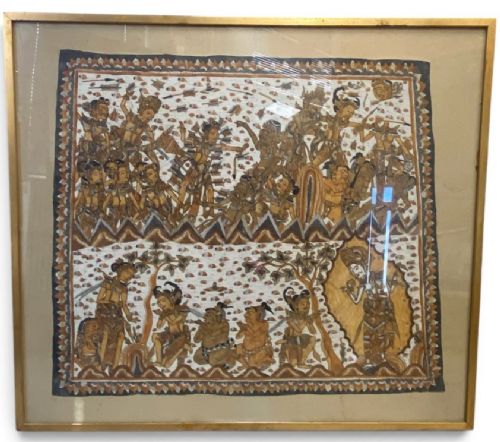
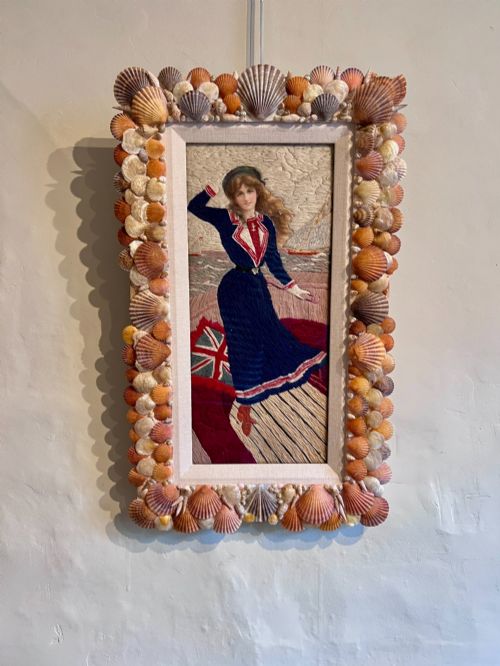
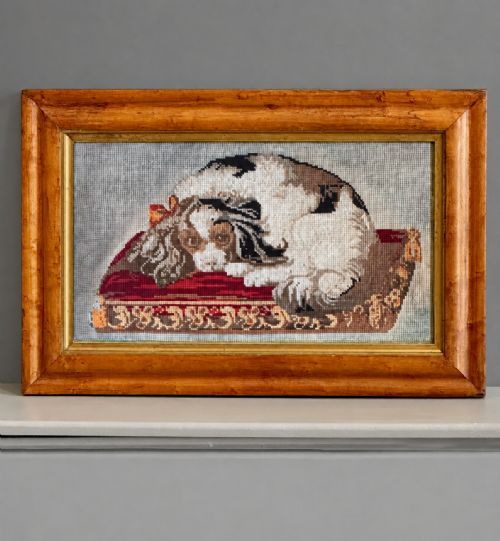
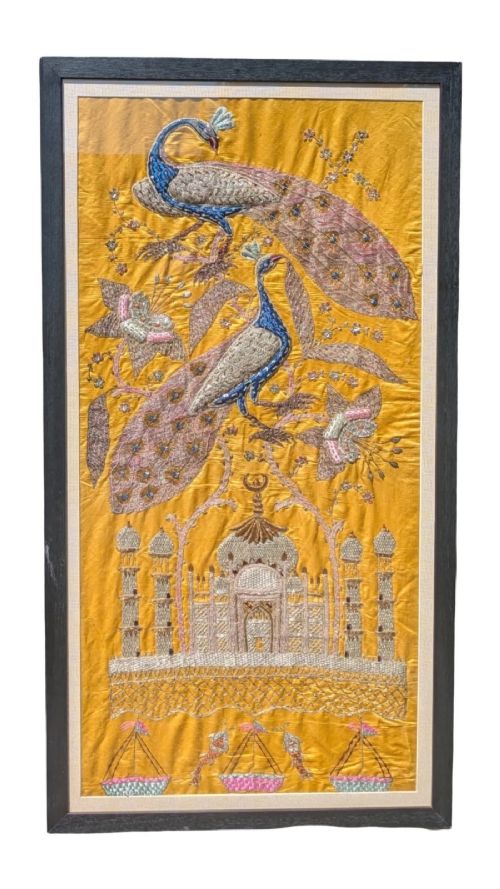
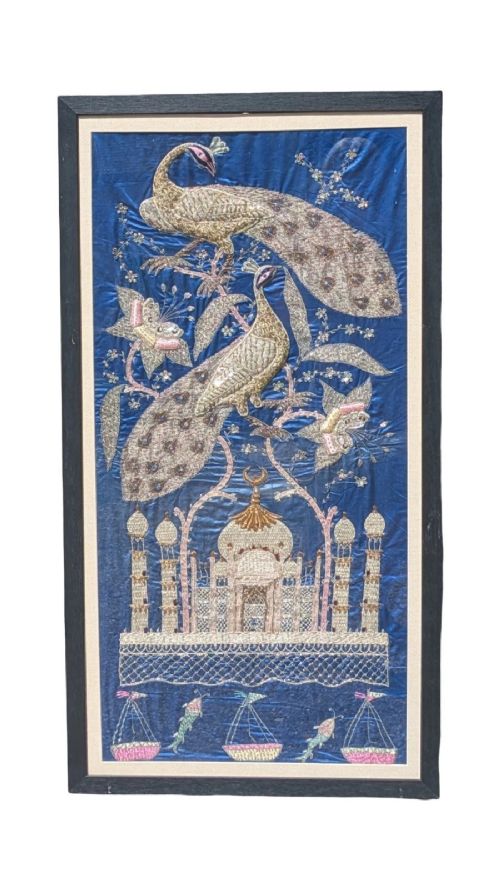
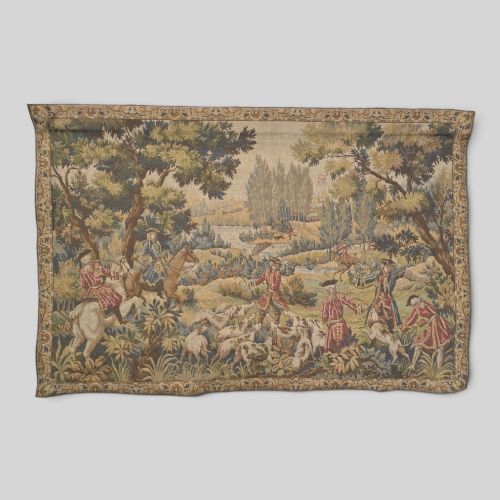
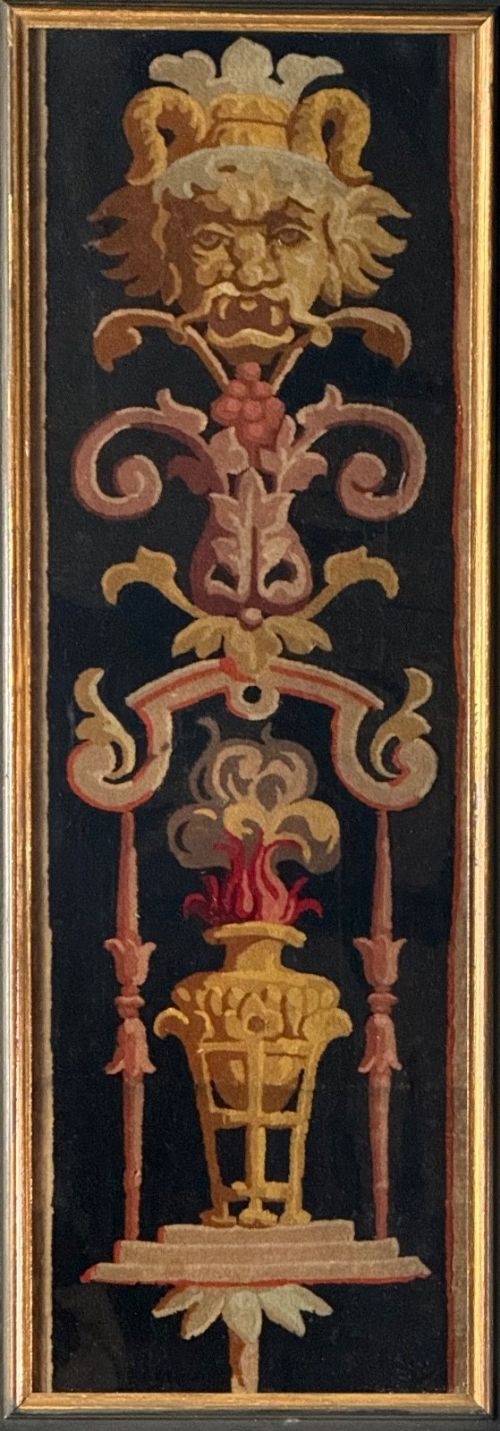
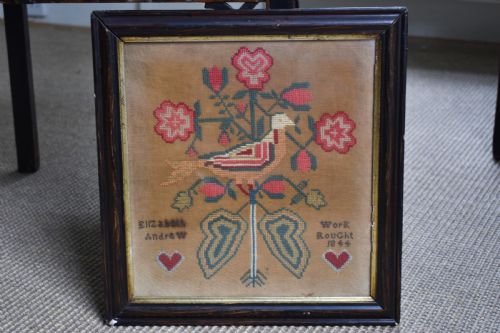
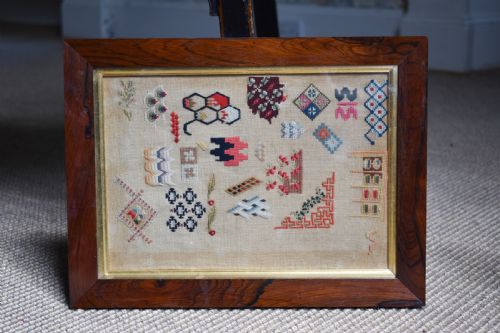
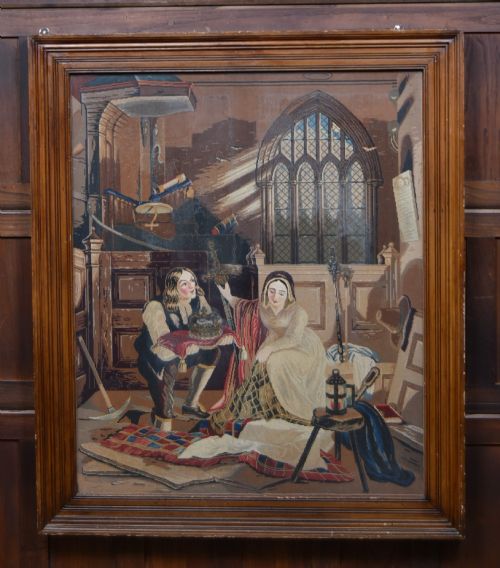
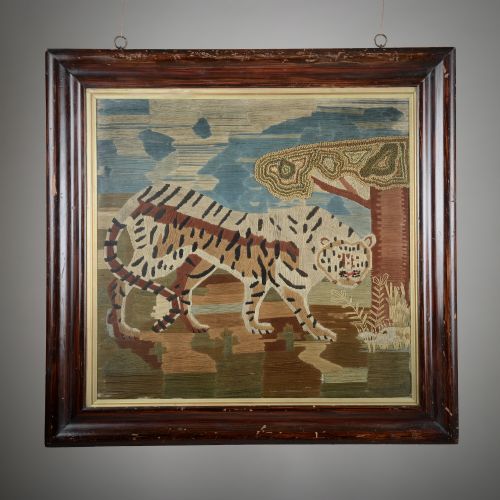
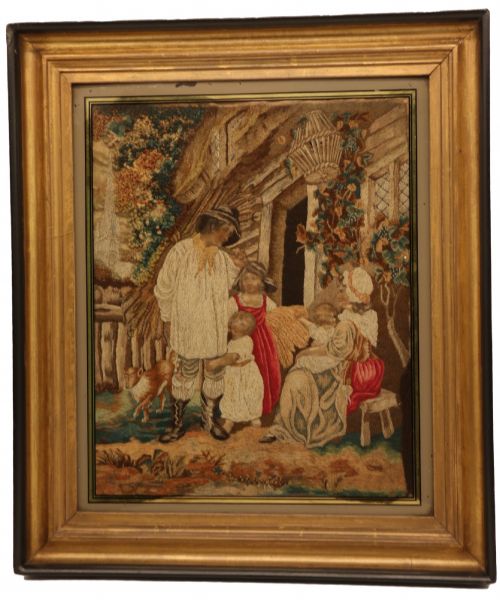
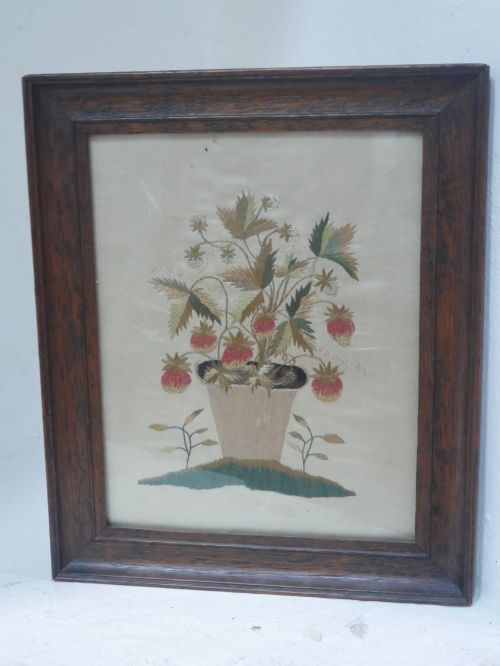
When you search for framed tapestry art, you meet a diverse selection of needlework, samplers, woolwork pictures, and woven textile panels mounted behind glass or set into timber mouldings. These pieces span from the seventeenth century through to the early twentieth century, showing global origins from Britain and France to Asia and Bali.
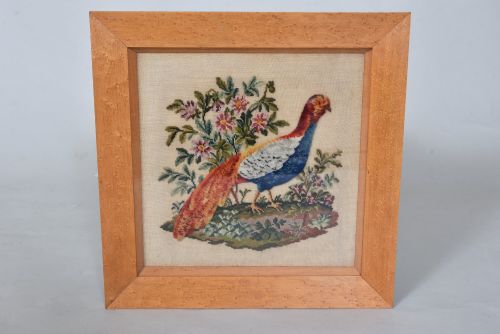
The most common examples on this page are nineteenth-century woolwork pictures, Victorian needlework samplers, and detailed silk embroideries. Whether you encounter a grand French woven panel or a humble floral needlepoint, each object retains the deliberate hand of its maker within a protective frame.
Materials and construction methods
These works rely primarily on natural fibres such as wool, silk, and linen, worked upon canvas or heavy backing fabrics using various needle techniques. Silk and wool threads provide colour and texture, occasionally augmented with metal thread or beads to catch the light within the composition.
Makers housed these fragile textiles behind glass, mounting them onto linen or stretching them over wooden frames to prevent sagging and environmental damage. Many pieces retain period surrounds made from giltwood, burr maple, or simple turned wood, which secure and define the textile artwork.
Listings span several centuries, featuring wool, silk, and linen textiles framed in wood and giltwood.
Factors of quality and execution
Quality in these textiles rests upon the density of the stitching, the precision of the draughtsmanship, and the complexity of the narrative depicted. Finer works display meticulous needle control, subtle shading in the wool or silk threads, and a strong compositional balance that survives the translation into textile.
The integrity of the mounting and the survival of the original frame also influence the standing of a piece. Examples preserved under glass with minimal fading and intact wooden or gilt surrounds command greater appreciation among collectors.
The Framed Tapestry Art Glossary
- Sampler
- A piece of needlework produced as a demonstration or test of skill, often featuring alphabets, numbers, and various stitch types.
- Berlin work
- A popular nineteenth-century style of needlepoint worked in wool on canvas using charted patterns printed on grid paper.
- Gros-point
- A coarse needlepoint stitch executed on canvas, often used for the background or heavier details of a tapestry picture.
- Verdure tapestry
- A woven textile design featuring landscape elements, foliage, trees, and occasionally animals or birds.
- Plushwork
- A textile technique utilising raised, cut pile loops to create a three-dimensional velvet-like texture on the surface of the work.
- Verre églomisé
- A process of applying gold or silver leaf to glass along with painting and etching to create an ornate decorative border.
Framed Tapestry Art: Frequently Asked Questions
How should I hang framed textile art?
Keep textile art away from direct sunlight and damp environments to protect the fragile organic fibres from fading or deterioration.
Use sturdy picture hooks suited to the weight of the timber or giltwood frame rather than relying on adhesive strips.
Are these antique textiles cleaned professionally?
Most historic textiles survive best with minimal intervention to preserve the original fibres and historical stitching materials.
Surface dust can be gently removed with a soft brush, but wet cleaning should be left to textile conservators.
What is the difference between a sampler and a tapestry?
A sampler is typically a practice piece displaying various alphabets, numbers, and decorative motifs worked by a single stitcher.
A tapestry is a pictorial wall hanging, either woven on a loom or embroidered, designed to depict a specific scene or narrative.
How do I identify the age of a needlework picture?
Dating relies on stylistic clues within the clothing, subjects, and framing materials, alongside any inscribed dates or signatures on the work.
Examining the backboards, nails, and backing canvas provides further physical evidence of the period of assembly.