




Framed Wool Embroidery
Framed wool embroidery brings centuries of domestic handwork to the wall, offering tactile pastoral scenes, portraits and samplers preserved beneath glass.
Framed Wool Embroidery
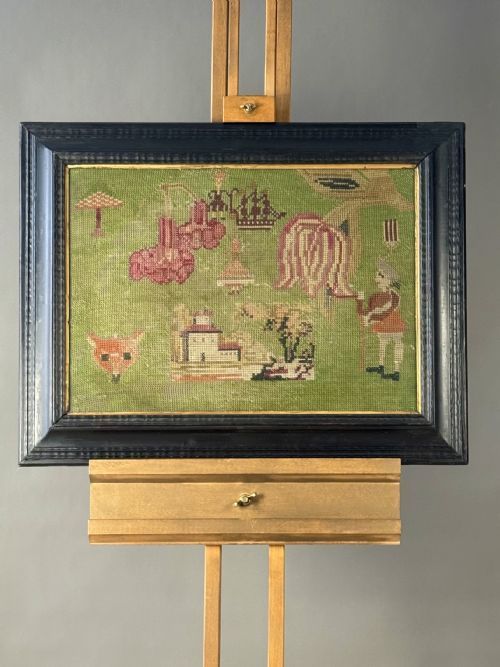
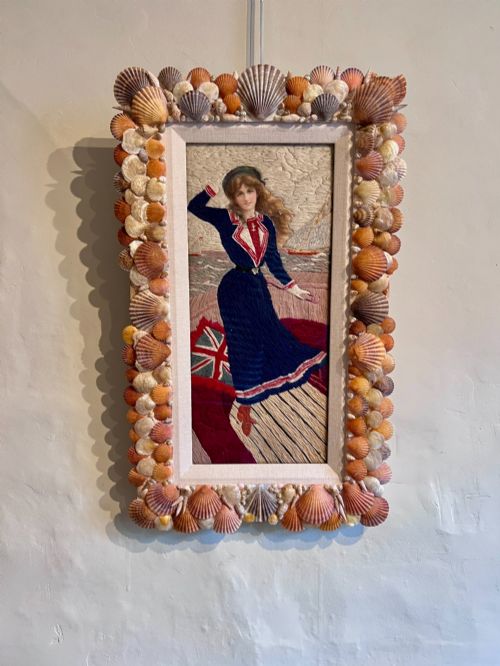
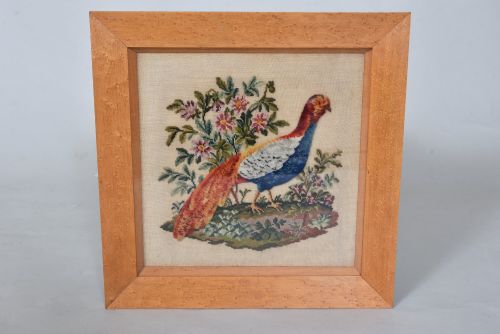
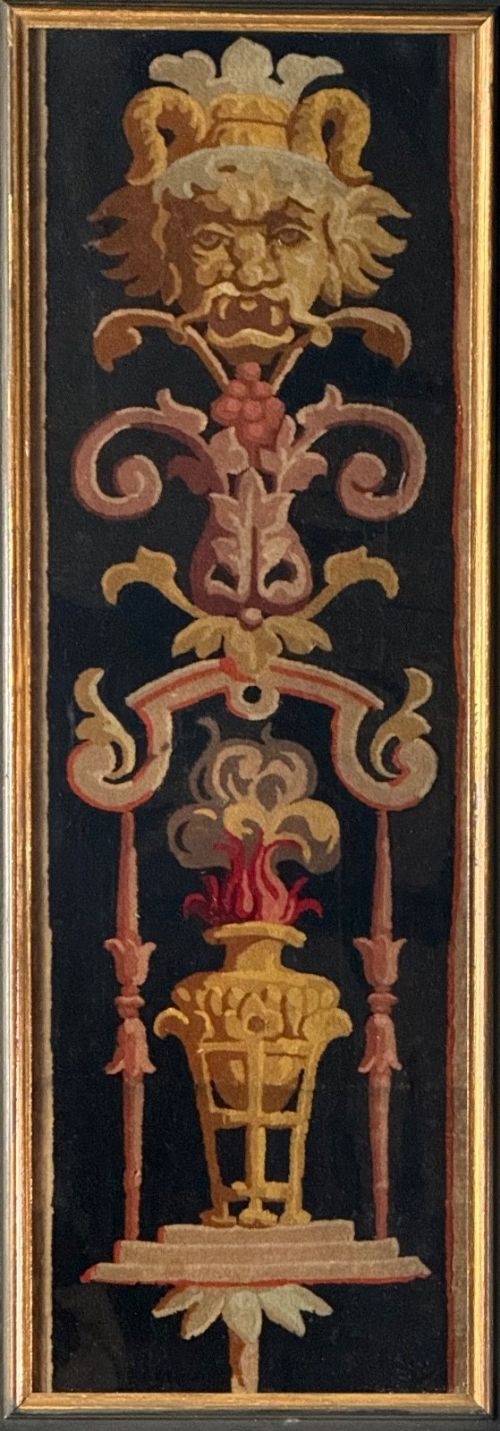
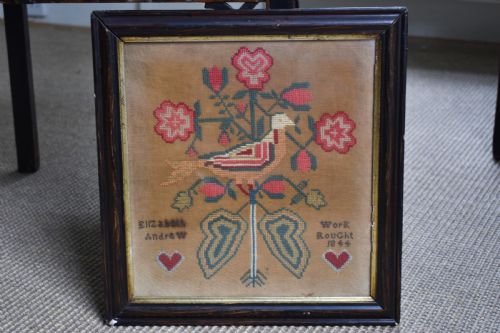
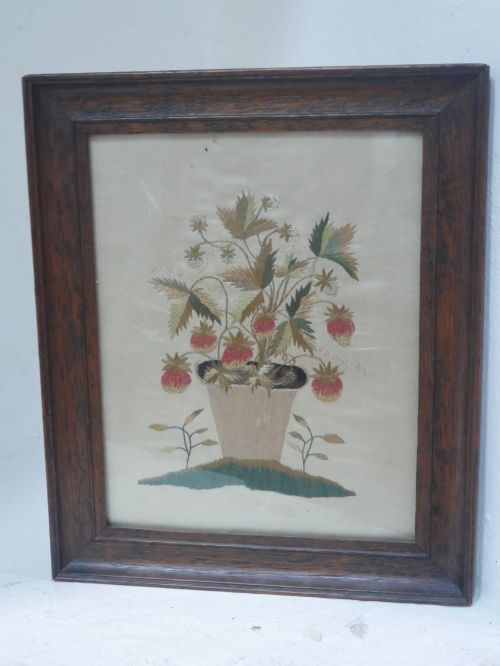
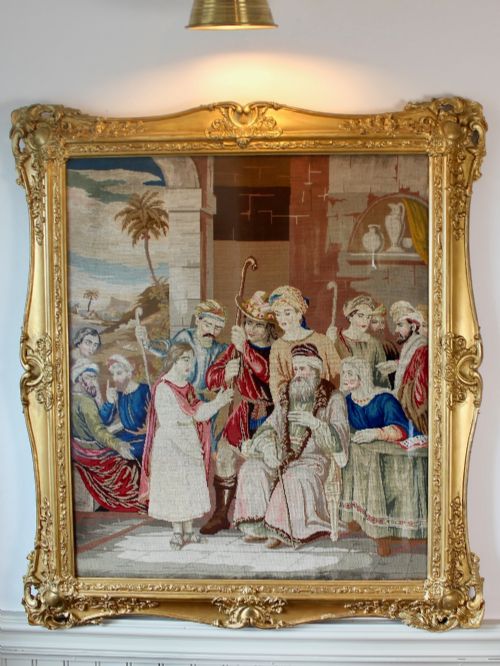
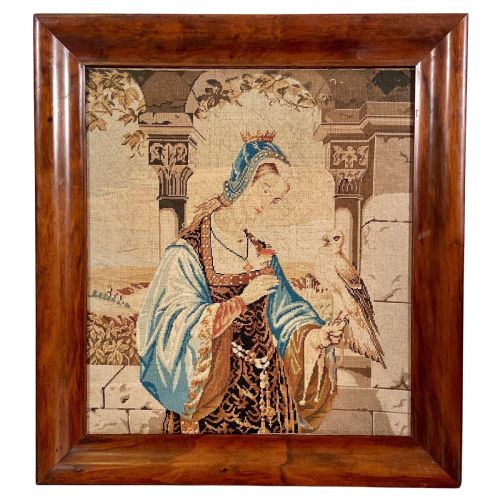
When you search for framed wool embroidery, you encounter historical textile art spanning from the seventeenth century to the early twentieth century. These wall hangings and pictures capture subjects ranging from classical figures and religious scenes to botanical studies and sailors' woolies.
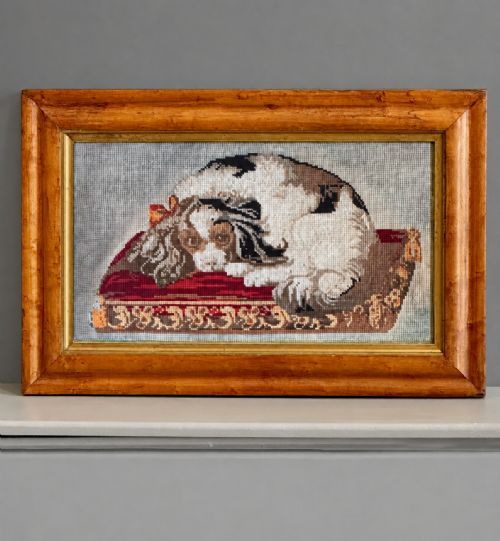
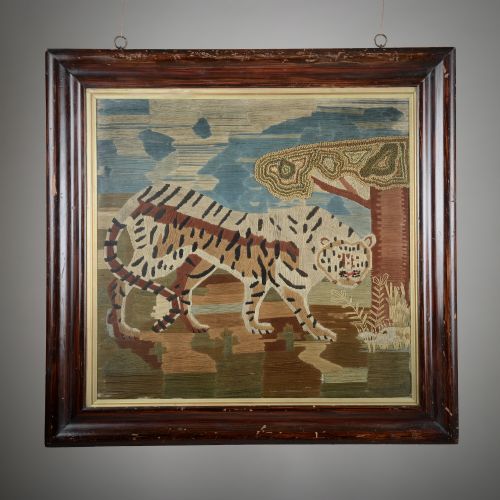
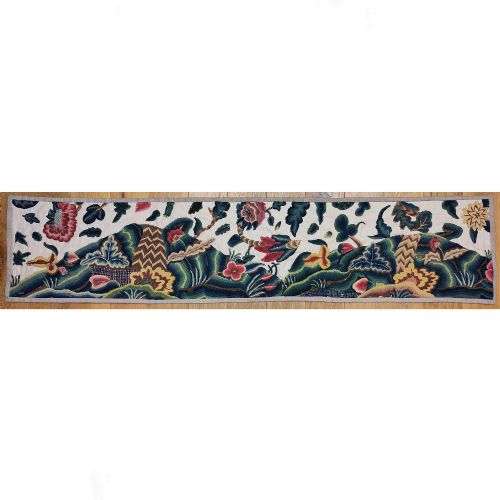
The Victorian era supplies a large share of these pieces, particularly Berlin wool work pictures, plushwork animals and commemorative samplers. Earlier examples from the eighteenth and seventeenth centuries tend to present pastoral farming subjects, crewelwork panels or detailed needlework pictures.
Most pieces arrive preserved within period surrounds such as burr maple, giltwood or verre églomisé frames. They function primarily as wall art, bringing deep texture and subdued historic palettes to interior spaces.
How They Were Made
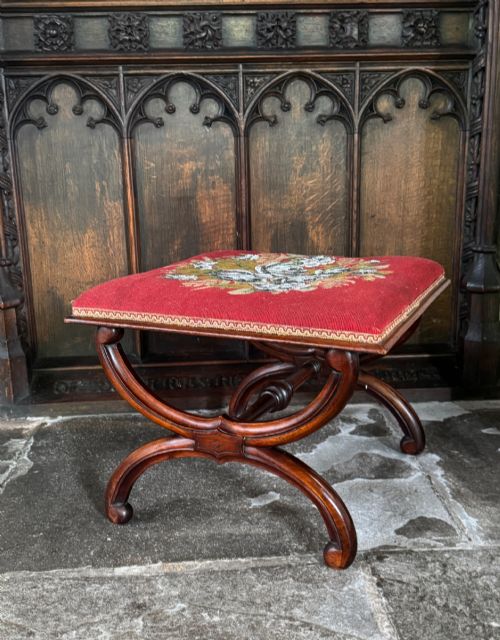
Maker's work relied on wool yarn stitched onto supportive grounds of linen, canvas or silk. Artisans employed various counts and techniques, including gros-point and Berlin wool work, building dense coloured pictorial surfaces.
Completed needlework required protection, leading to mounting behind glass within wooden frames of mahogany, oak, walnut or gilt finish. Many frames incorporate original details like verre églomisé glass panels or giltwood moulding.
Materials recorded across the inventory include wool, silk, linen, canvas, glass, wood, giltwood and gold leaf.
What Varies in Quality
Execution and proportion set individual pieces apart, separating hurried domestic practice from accomplished professional or skilled amateur needlework. The precision of the stitch work and the complexity of the colour shading determine the visual depth of the picture.
The survival of the original frame contributes significantly to the integrity of the piece. Contemporary framing diminishes historical coherence, whereas burr maple, period giltwood or verre églomisé surrounds elevate the complete object.
The Framed Wool Embroidery Glossary
- Berlin wool work
- A style of needlepoint popular in the nineteenth century that used charted patterns and brightly coloured wool yarns to create elaborate pictorial wall hangings.
- Crewelwork
- Embroidery executed with two-ply wool yarn on linen fabric, frequently seen in seventeenth-century English panels depicting floral and organic motifs.
- Verre églomisé
- A process of applying cold gilding and painting to the reverse of glass, often utilised for decorative borders on nineteenth-century picture frames.
- Plushwork
- A variant of needlework where loops of wool are left uncut or sheared to create a raised, velvety pile surface, seen on Victorian animal depictions.
- Gros-point
- A coarse needlepoint stitch executed on canvas that provides a durable, textured ground for large nineteenth-century tapestry pictures.
Framed Wool Embroidery: Frequently Asked Questions
How do I hang antique wool embroidery safely?
Keep framed textile art away from direct sunlight to prevent the wool yarns from fading. Position them on interior walls where humidity and temperature remain relatively stable.
Ensure the hanging wire and wall fixings support the weight of the timber frame and glass safely. Professional framing tape on the reverse helps keep dust away from the fabric.
What is a sailor's woolie?
A sailor's woolie is a nineteenth-century embroidered picture created by British sailors during long voyages at sea. They typically depict naval ships under full sail using coloured wool yarns.
These pieces often display naive charm and are prized for their maritime history. They usually appear housed in simple wooden frames.
How do I date a needlework picture?
Examine the style of the stitching, the subject matter and the accompanying frame for period clues. Eighteenth-century pieces frequently show pastoral or classical motifs, while Victorian examples often feature Berlin work or religious subjects.
Materials also offer guidance, as seventeenth-century work often utilises crewelwork on linen grounds. Frame construction and backing boards provide additional chronological markers.