




Victorian Needlework Picture
A victorian needlework picture brings hand-stitched colour and texture to a wall, offering a direct link to nineteenth-century domestic art.
Victorian Needlework Picture
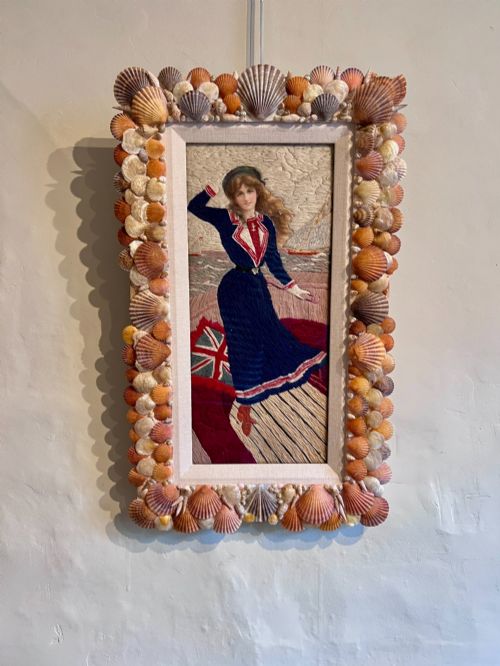
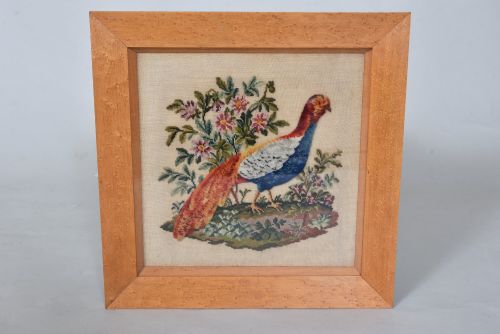
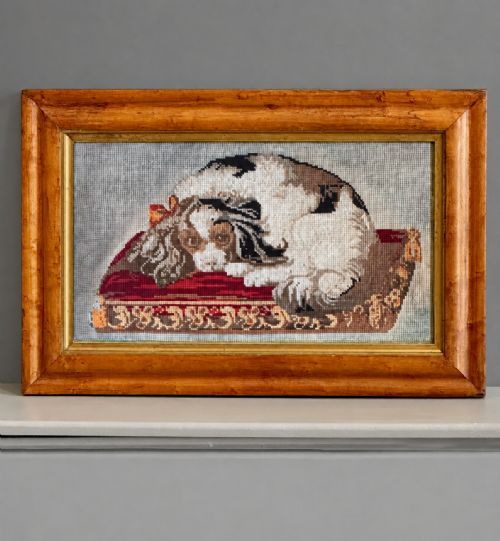
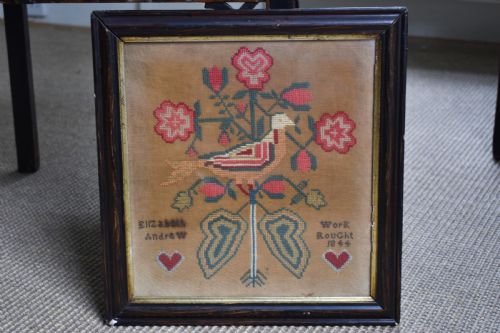
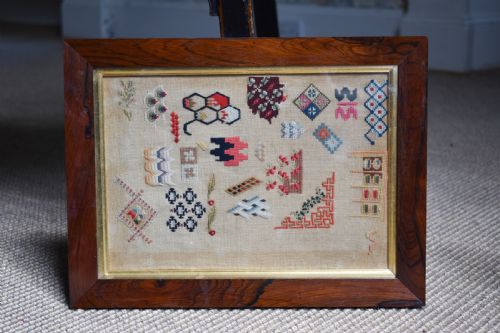
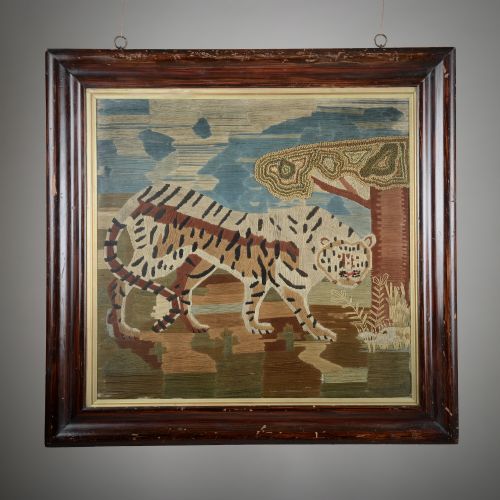
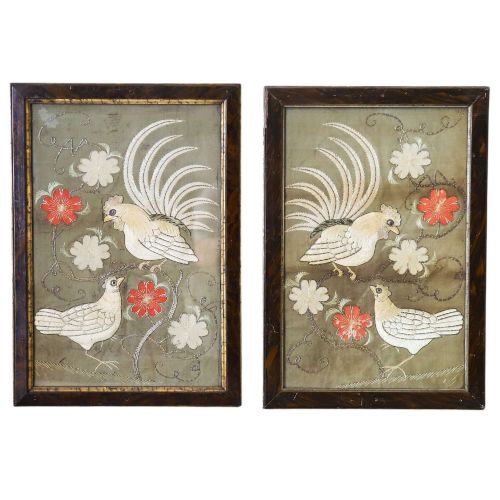
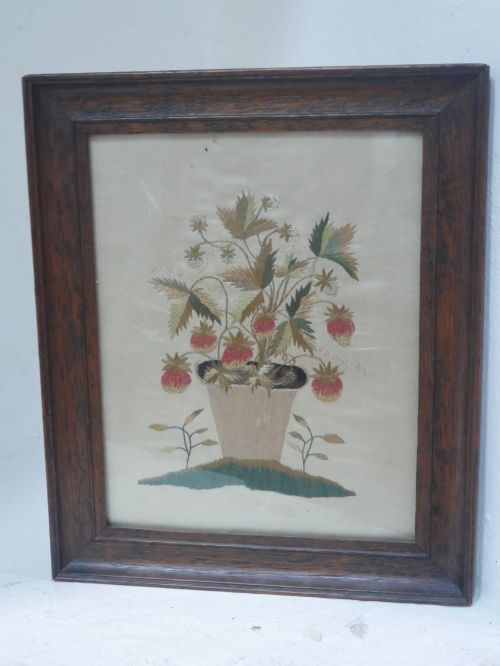
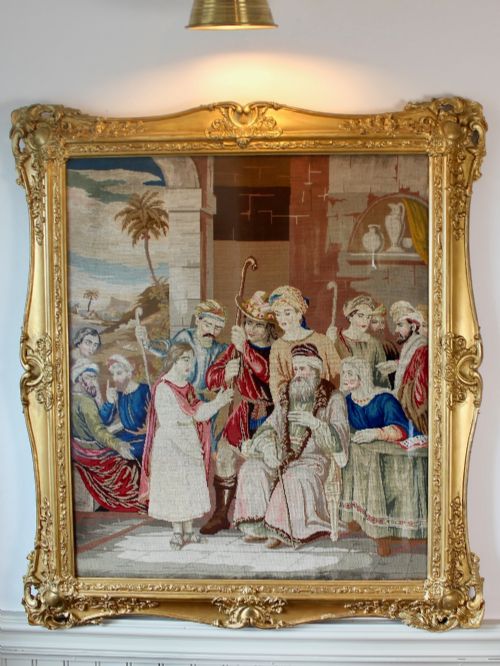
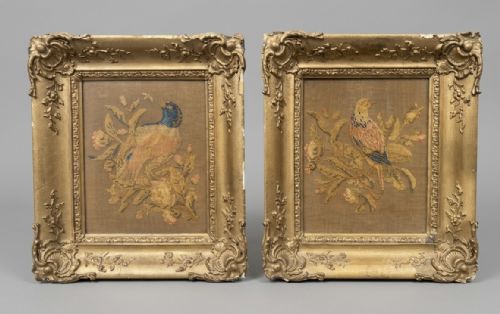
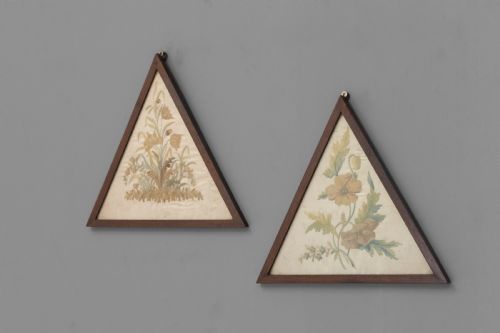
A victorian needlework picture encompasses framed textile art produced across the nineteenth century, including woolwork tapestries, samplers, and silk embroideries. Buyers encounter diverse subjects ranging from classical figures and sporting scenes to flora, fauna, and maritime woolies.
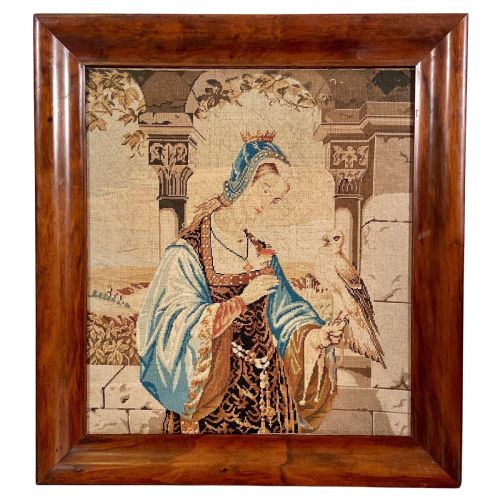
The pieces often feature traditional techniques such as Berlin wool work, gros-point, and silk embroidery mounted in period frames of burr maple, rosewood, or giltwood. Most examples reflect English country house taste alongside continental and occasional Japanese textile imports.
Materials and technique
These works rely on foundation materials like canvas, linen, and silk stretched over panels or frames, stitched with dyed wool, silk thread, or beads. Coloured wools dominate Berlin wool work and gros-point pieces, while fine silk embroidery captures intricate details in portraits and landscapes.
Many surviving examples retain their original surrounds, utilising burr maple, rosewood, or carved giltwood and gesso frames. Glazing often protects the delicate textile surfaces from dust and environmental wear.
Victorian Needlework Picture Retail Price Guide 2026
Typical asking prices for victorian needlework picture among the pieces listed under this phrase on Sellingantiques today, from the lower quarter to the upper quarter. They describe what is for sale here now, not the wider market.
Materials recorded across the inventory include wool, silk, linen, canvas, glass, rosewood, burr maple, and giltwood.
Evaluating quality and execution
Quality rests upon the precision of the needlework, the complexity of the design, and the fidelity of the colour palette. Finer canvas work and silk embroideries display sophisticated tonal shading and anatomical accuracy in human and animal figures.
Iida Takashimaya Company·Richard Ansdell·John Crossley
The Victorian Needlework Picture Glossary
- Berlin wool work
- A style of needlepoint popular in the nineteenth century, worked in coloured wool on canvas using printed grid patterns. This technique allowed makers to create richly shaded pictorial scenes and portraits.
- Sampler
- A piece of needlework produced to demonstrate proficiency in various stitches and alphabets, often including dates and the maker's age. These works serve as charming historical records of domestic education.
- Gros-point
- A coarse needlepoint stitch executed on canvas, producing a durable and raised surface texture. It frequently appears in larger nineteenth-century tapestries and wall hangings.
- Burr maple
- A wood veneer valued for its mottled, swirling grain patterns, commonly utilised for nineteenth-century picture frames. It provides a warm, decorative border that suits domestic needlework.
Victorian Needlework Picture: Frequently Asked Questions
How do I care for a textile picture?
Keep the artwork away from direct sunlight to prevent the wool and silk threads from fading. Maintaining stable indoor humidity levels also protects the underlying canvas and wooden frame.
Dust the glass gently with a dry microfibre cloth and avoid hanging textile pieces in damp areas such as kitchens or bathrooms.
Are these works signed by the maker?
Most antique needlework pictures remain unsigned, though samplers frequently record the maker's name, age, and a specific date. Professional tapestries and silk works typically originated from commercial workshops or pattern books rather than individual artisans.
Historical context and framing styles often provide the best clues regarding the origin and period of anonymous pieces.
What frames are original to these pieces?
Original frames commonly feature burr maple, rosewood, or moulded giltwood and gesso, matching the aesthetic of the nineteenth century. These surrounds were chosen to complement the domestic or formal character of the stitched artwork.
Examining the backboards and fixings helps determine whether the frame has remained with the textile since its creation.
How do I distinguish mid-nineteenth century work?
Mid-nineteenth century examples often utilise Berlin wool work charts, vibrant wool palettes, and dense gros-point stitching. Subjects frequently include religious narratives, domestic animals, and classical figures popular during the Victorian era.
Materials such as hand-spun wool and early canvas provide further indicators of the manufacturing period.