
Antique Needlework Art
Antique needlework art comprises centuries of textile pieces designed for display, bringing historic stitchcraft and woven detail directly to your walls.
Antique Needlework Art
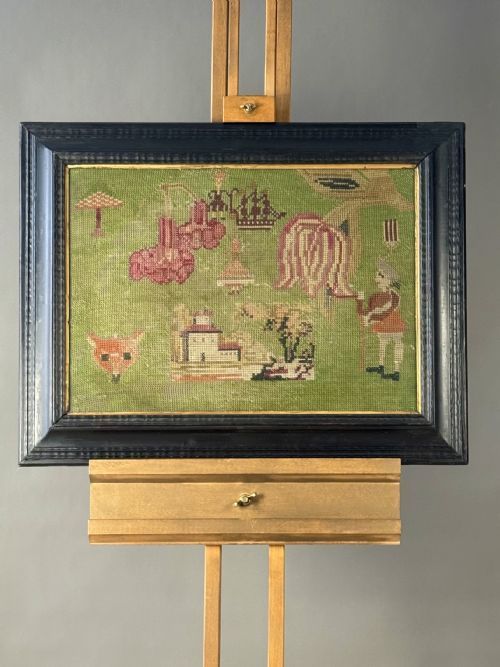
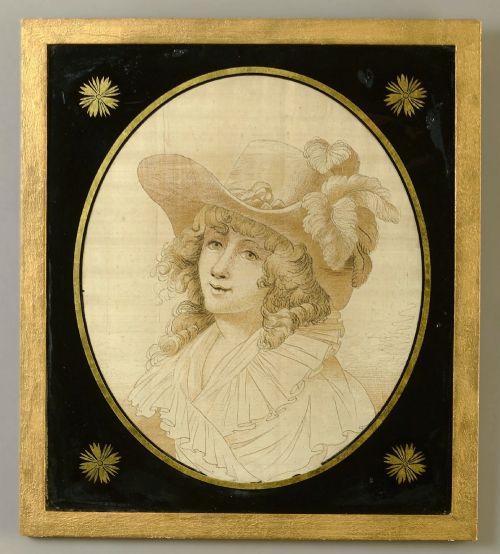
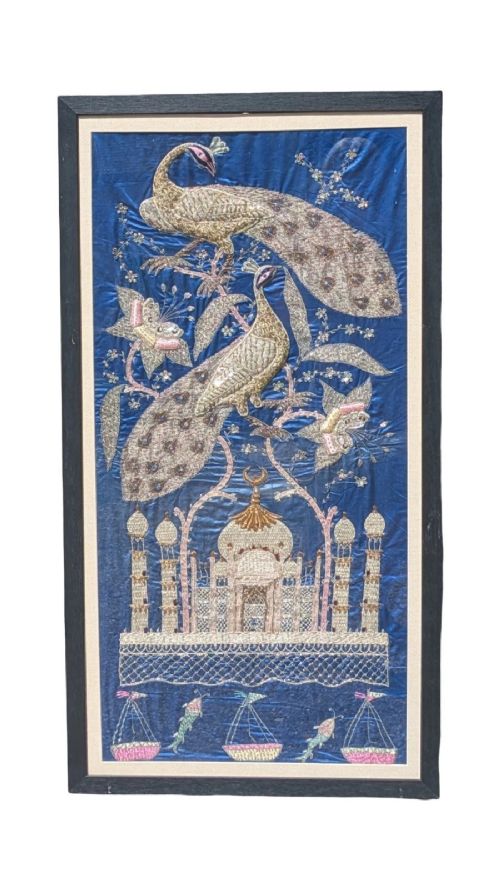
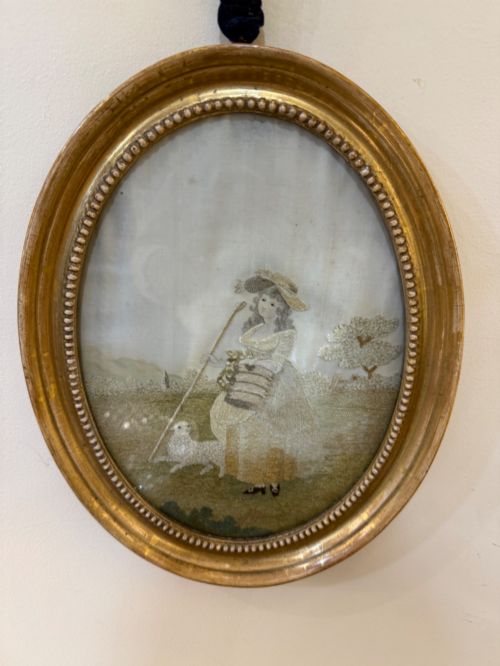
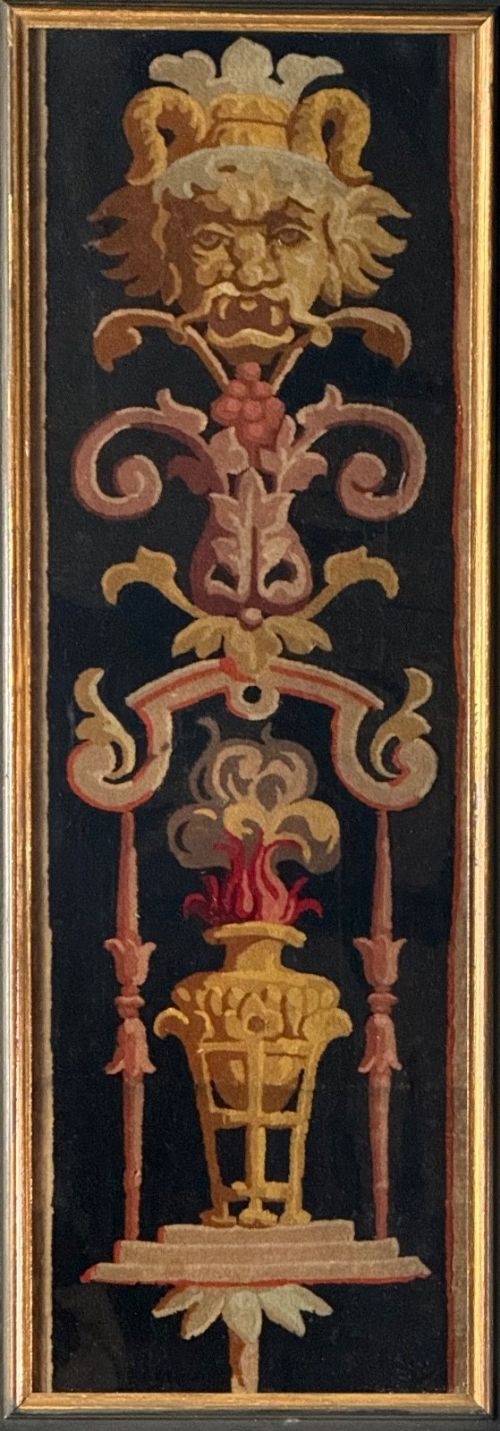
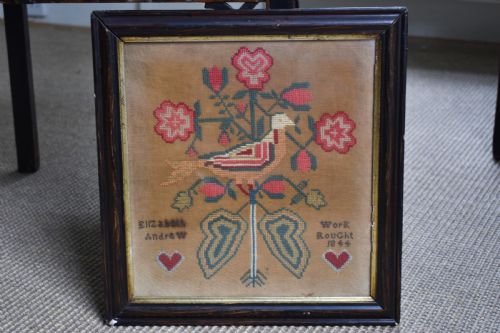
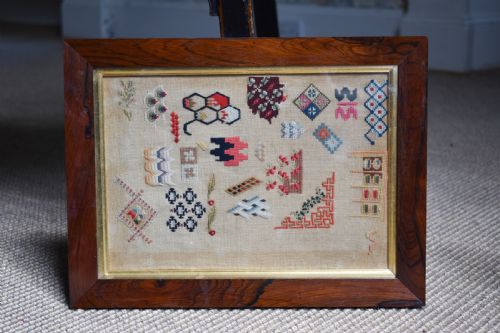
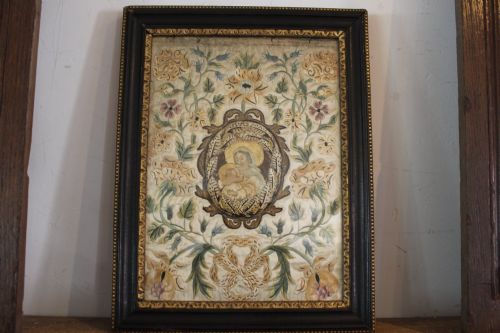
When you search for antique needlework art, you encounter historical textiles transformed into wall hanging pieces, framed pictures and tapestries. These works range from early seventeenth-century Stuart stumpwork and European needlework panels to Georgian silk samplers and Victorian wool work pictures.
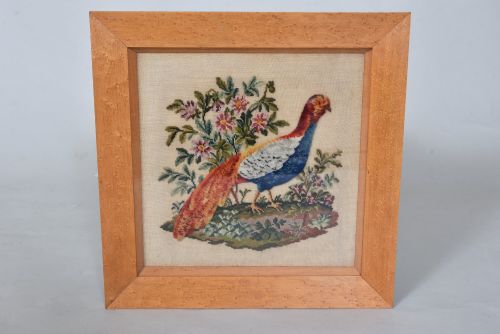
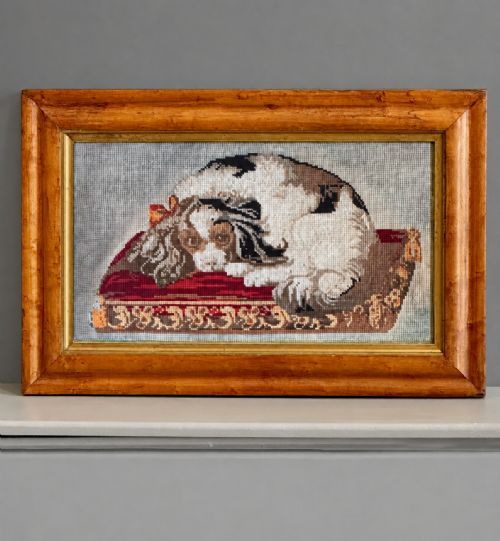
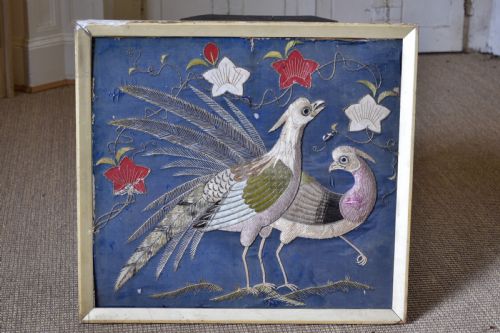
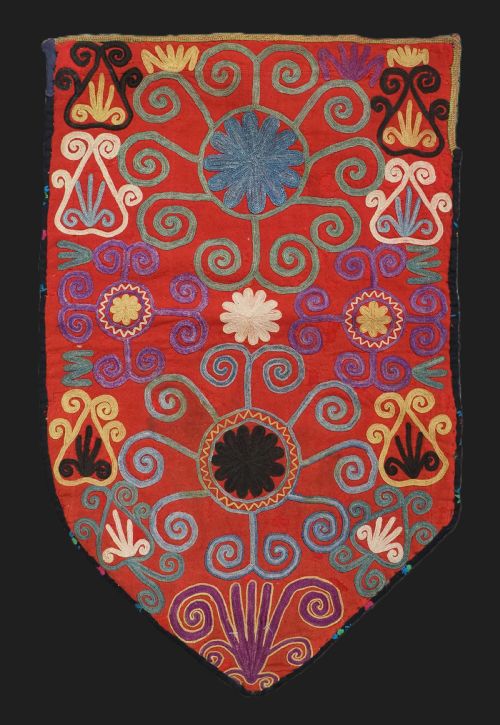
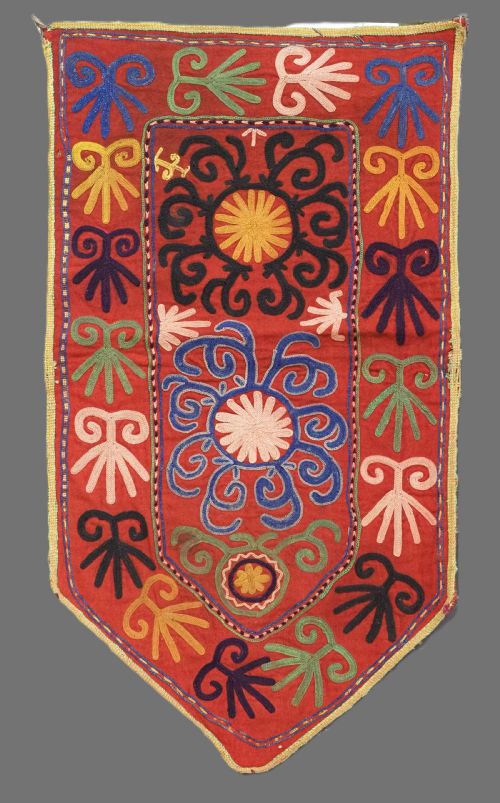
You are most likely to meet nineteenth-century Berlin wool work, framed samplers and embroidered animal or pastoral scenes on this page. The selection spans domestic schoolgirl exercises alongside sophisticated professional embroideries from England, France, Italy and Central Asia.
These items primarily function as wall art, preserved behind glass within period frames made of burr maple, gilt wood or faux tortoiseshell. Their survival depends heavily on past framing protecting fragile silk, wool and cotton fibres from light and handling.
How they were made
The making of these pieces relies on natural textile grounds such as linen, cotton and canvas stitched with silk floss, wool and metal threads. Makers utilised specialised techniques including Berlin work, plushwork, crewelwork and stumpwork to build texture and dimension.
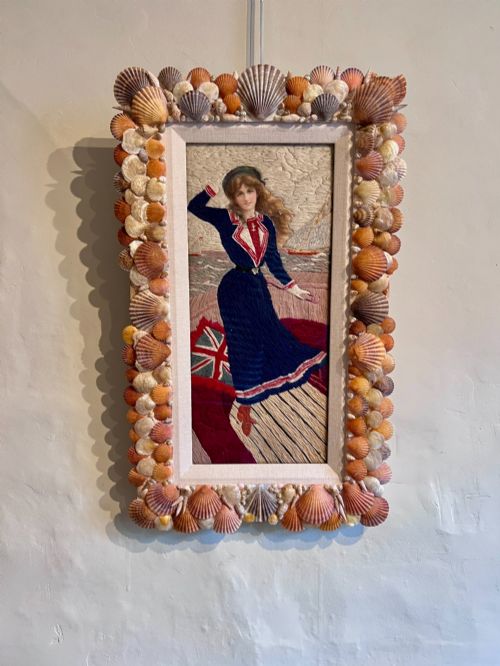
Many examples combine needlework with hand-painted silk sections or incorporate beads and metal thread to catch the light. Finished panels were then stretched and mounted into timber frames, sometimes retaining their original wooden or gilded housings.
Listings feature textile pieces spanning the seventeenth to the twentieth century, created using silk, wool, linen and cotton.
What varies in quality
Quality in these textiles rests upon the precision of the stitcher and the complexity of the design, from simple alphabet layouts to elaborate pictorial scenes depicting historical or natural subjects. Superior pieces display tight, even tension and sophisticated colour blending that creates depth and perspective.
The condition of the textile fibres and the originality of the mounting also determine the standing of a piece. Tightly woven grounds that retain vibrant natural dyes without excessive fading or loss to the silk and wool threads command greater regard.
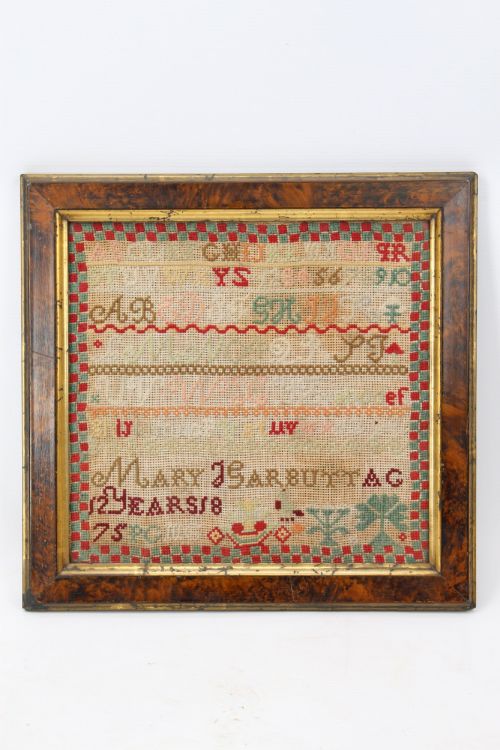
Sir James Dromgole Linton·Mary J Garbutt·Mary Banion·Mary Greening
The Antique Needlework Art Glossary
- Sampler
- A piece of needlework produced as a demonstration or test of skill in various stitches, frequently featuring alphabets, numerals and motifs. Young girls often worked these to prove their proficiency in domestic needlecraft.
- Berlin work
- A type of needlepoint embroidery popular in the nineteenth century, worked in coloured wools on canvas from charted patterns. It often depicted animals, biblical scenes or sentimental subjects in vivid hues.
- Stumpwork
- A raised embroidery style popular in the seventeenth century that used padded understructures to create three-dimensional figures and elements. Silk and metal threads were frequently combined with seed pearls and wire.
- Crewelwork
- Embroidery executed with crewel wool on a stout linen or cotton twill fabric, traditionally used for decorative wall hangings and furnishings. The technique creates robust, tactile floral and foliate designs.
- Plushwork
- An embroidery method incorporating looped stitches that were subsequently cut to form a velvet-like pile. This technique added literal depth and texture to animal coats and foliage.
Antique Needlework Art: Frequently Asked Questions
What is antique needlework art?
Antique needlework art includes framed samplers, tapestries, embroidered panels and textile pictures created by hand across several centuries. These works utilise materials like silk, wool and metal thread on linen or canvas foundations.
Such pieces reflect both domestic handcraft traditions and professional needle art, offering a direct link to historical textile techniques and decorative styles.
How do I date antique needlework?
Dating relies on stylistic clues, framing materials, and sometimes inscriptions stitched directly into the fabric by the maker. Samplers frequently include specific years alongside the maker's name and age.
Examining the backing materials, canvas weave and type of thread also helps narrow down the period of production from the seventeenth century through to the Edwardian era.
How should I hang textile art?
Textile art should be mounted away from direct sunlight and strong artificial light sources to prevent the silk and wool fibres from fading. Professional framing behind conservation glass protects the delicate embroidery from dust and moisture.
Maintaining stable room temperatures prevents humidity changes from damaging the original fabric and wooden frames.
What is a band sampler?
A band sampler is an early form of needlework consisting of horizontal bands of differing stitch patterns arranged in rows. Embroiderers used them as reference archives for complex stitches rather than pictorial displays.
These pieces typically date from the seventeenth and eighteenth centuries and show meticulous geometric or floral needlecraft.