


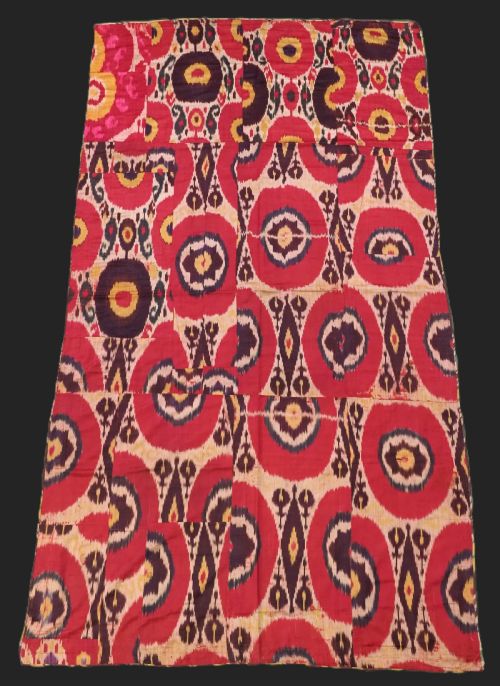


19th Century Silk Tapestry
A 19th century silk tapestry brings rich textile art, wall hangings and embroidered panels into a room through historic craft and vibrant regional design.
19th Century Silk Tapestry
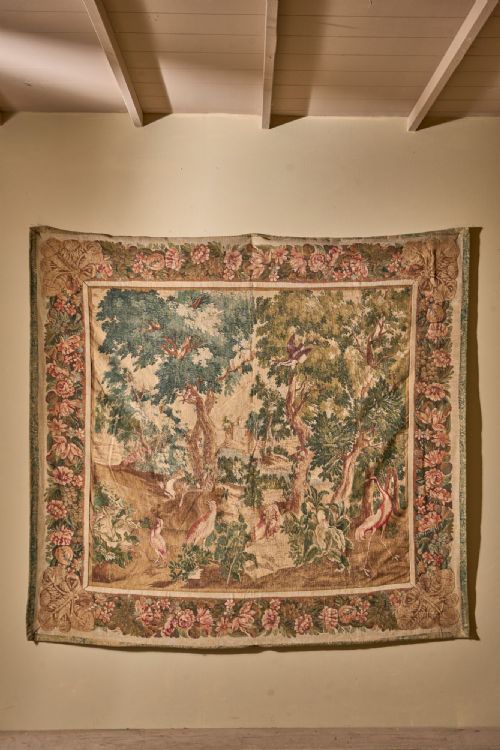
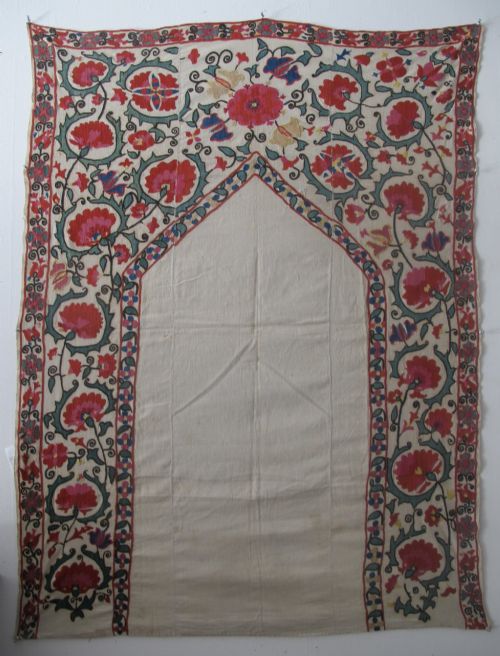
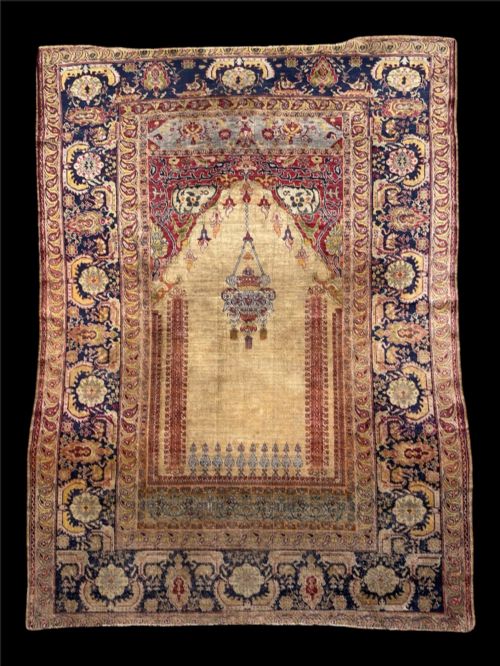
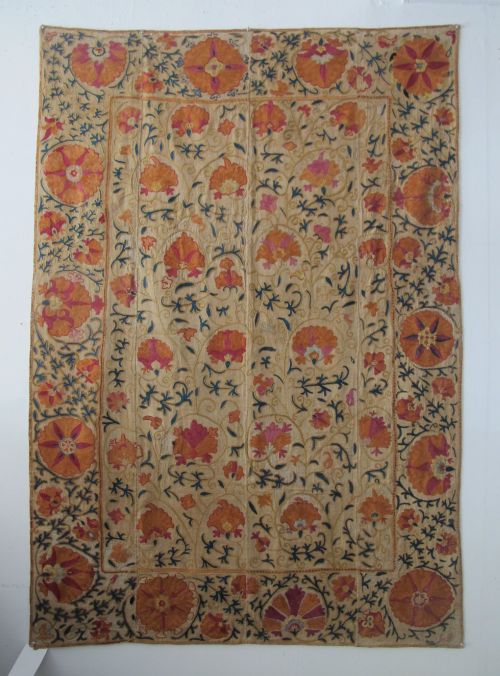
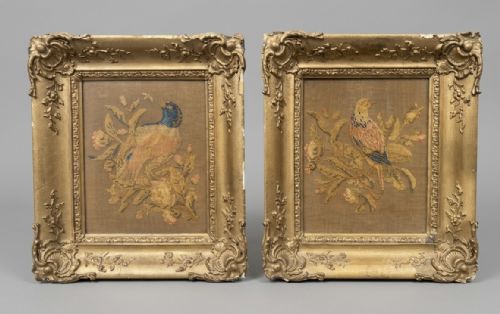
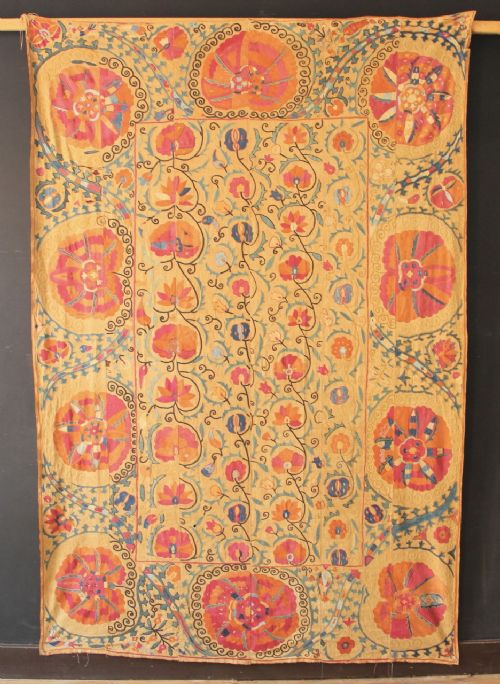
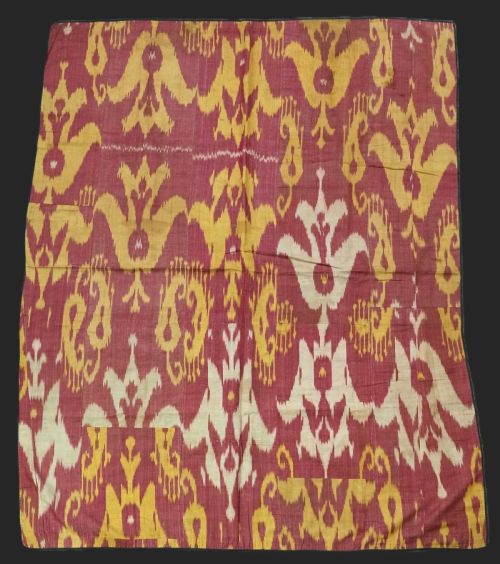
A 19th century silk tapestry encompasses a diverse array of textile art, wall hangings, and decorative panels originating from Central Asia, Persia, and Europe. Buyers searching this phrase encounter everything from large Central Asian suzanis and ikat fabric panels to framed English needlework pictures and samplers.
The selection ranges widely in form and regional origin, featuring Uzbek tribal embroideries alongside Victorian needlework and Georgian samplers. Wall hangings and large textile panels dominate the pieces found on this page.
Geographic provenance shapes these textiles significantly, moving from the bold floral motifs of Bokhara and Tashkent to traditional European crewel work and hand-painted silk pictures.
How they were made
Maker execution relies heavily on silk embroidery threads worked onto cotton, wool, linen, or felt grounds, often incorporating metallic threads and beadwork. Artisans utilised intricate needlework techniques, including applique and hand painting on silk.
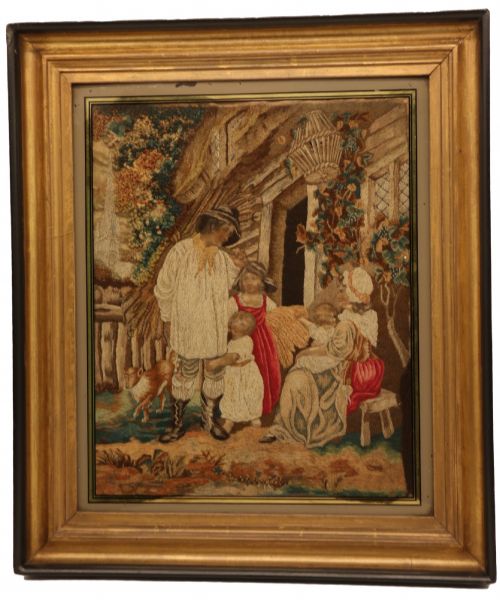
Many Central Asian and Persian examples employ complex dyeing methods for ikat panels and fully embroidered palak suzanis. Framing often utilises giltwood, wood, and specialised glass methods such as verre églomisé to preserve delicate needlework.
Young embroiderer Jane Wettmore immortalised her needlework skills in 1847, leaving her stitched name to charm collectors centuries later.
What varies in quality
Execution depth and density of the embroidery separate standard examples from finer works, particularly in fully embroidered suzanis and detailed pictorial panels. The precision of traditional needlework and the complexity of regional medallion variants dictate the tier of a textile.
Material preservation and the vibrancy of surviving silk and cotton grounds play a vital role in determining overall character. Original framing using period glass or giltwood enhances the presentation of mounted picture panels.
The 19th Century Silk Tapestry Glossary
- Suzani
- An embroidered tribal textile from Central Asia, traditionally made in Uzbekistan as part of a bride's dowry. These large wall hangings display striking floral and medallion designs.
- Ikat
- A dyeing technique where yarns are tie-dyed before weaving to create distinctive feathered patterns on fabric panels. This method produces vibrant geometric and abstract designs.
- Sampler
- A piece of needlework produced to demonstrate proficiency in various stitches and lettering, frequently dated and signed by young makers. English examples often include educational or familial details.
- Verre églomisé
- A process of applying cold painting and gold leaf to the reverse side of glass to create an ornate decorative border for framed pictures. This technique protects the delicate artwork underneath.
- Crewel work
- Embroidery executed with wool yarn on a heavy linen or cotton ground, producing textured surface patterns. This historic technique appears frequently in traditional English wall art.
19th Century Silk Tapestry: Frequently Asked Questions
What is a suzani wall hanging?
A suzani is a large, hand-embroidered textile originating from Central Asia, created primarily in Uzbekistan during the nineteenth century. These pieces were traditionally worked in silk on cotton or linen grounds as part of traditional dowries.
Today, collectors value these bold textiles as decorative wall hangings that introduce vibrant regional colour and historic craft traditions into modern interiors.
How do I care for antique silk textiles?
Antique silk textiles require protection from direct sunlight and high humidity to prevent the fibres and natural dyes from degrading over time. Keeping them away from direct heat sources helps maintain the integrity of the historic materials.
Displaying them behind protective glass or mounting them professionally on acid-free backing supports their weight and preserves the delicate needlework.
What is the difference between an ikat and a suzani?
An ikat is a fabric panel created through a rigorous tie-dyeing process applied to the threads before the weaving stage begins. This technique yields characteristic blurred, organic pattern edges across the material.
A suzani, by contrast, is a textile featuring surface embroidery stitched by hand directly onto a woven ground cloth, often displaying dense floral or star medallions.
Where were nineteenth century needlework samplers made?
Nineteenth century needlework samplers were produced extensively in England, often by young girls attending national schools or private academies. These pieces served as practical exercises to demonstrate mastery over various embroidery stitches and alphabets.
Maker names, dates, and ages are frequently stitched directly into the composition, providing a direct record of the young artisan.
How are antique textile panels usually displayed?
Antique textile panels are frequently mounted flat on padded conservation boards and hung directly on walls as textile art. Smaller framed embroideries and needlework pictures use traditional wood or giltwood frames with protective glass.
Larger wall hangings distribute their weight evenly across a concealed backing system to prevent strain on the historical silk and cotton foundation fabrics.