


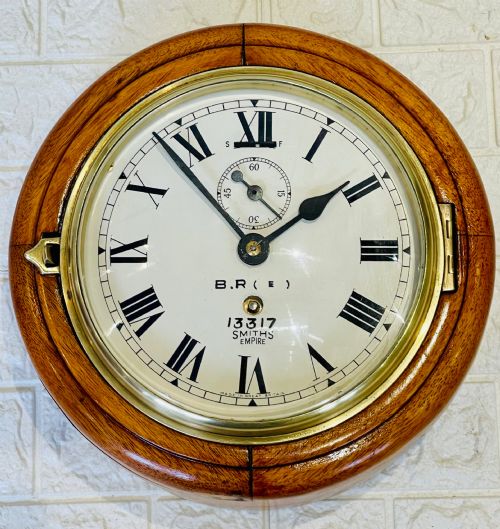
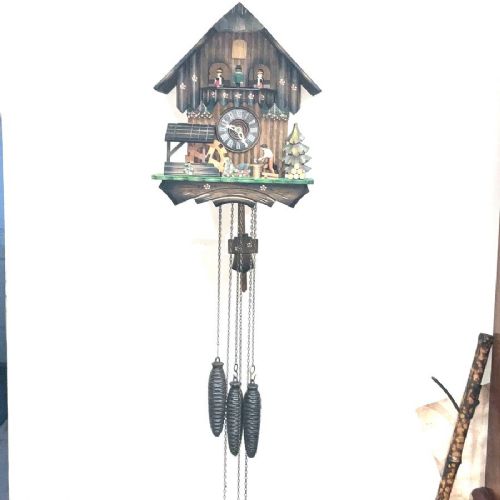
Wooden Mechanical Clock
A wooden mechanical clock brings timekeeping alive through the quiet rhythm of visible gears and the warmth of polished timber.
Wooden Mechanical Clock
A wooden mechanical clock combines traditional cabinet-making with intricate gear trains to measure hours through weight-driven or spring-driven movements.
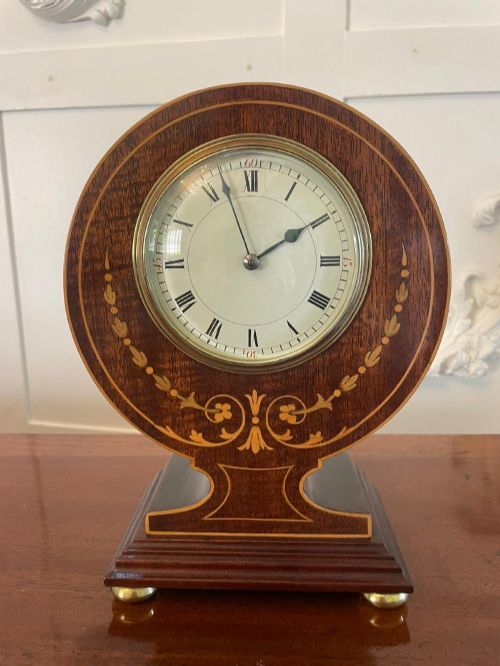
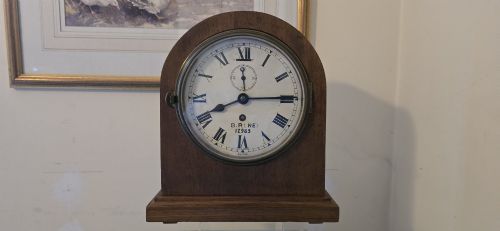
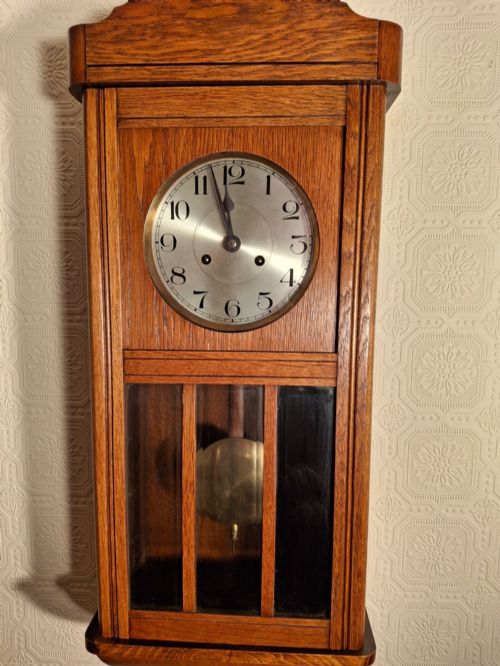
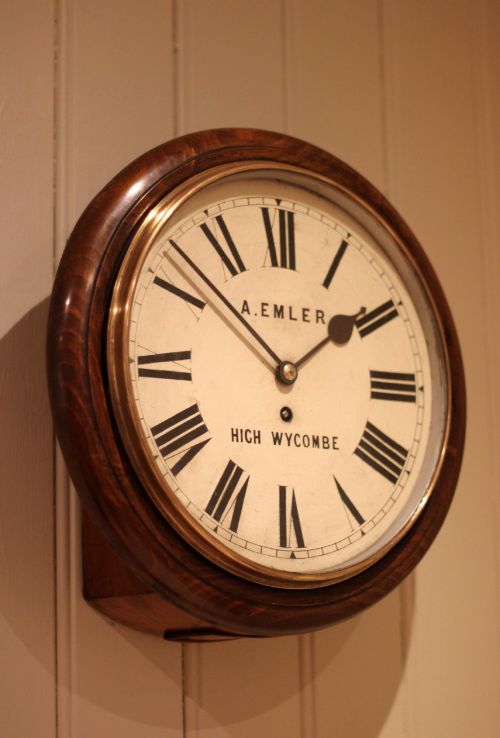
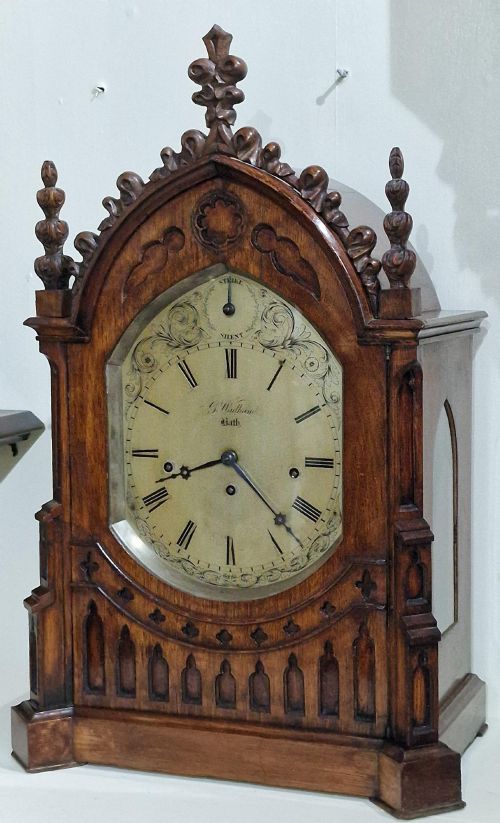
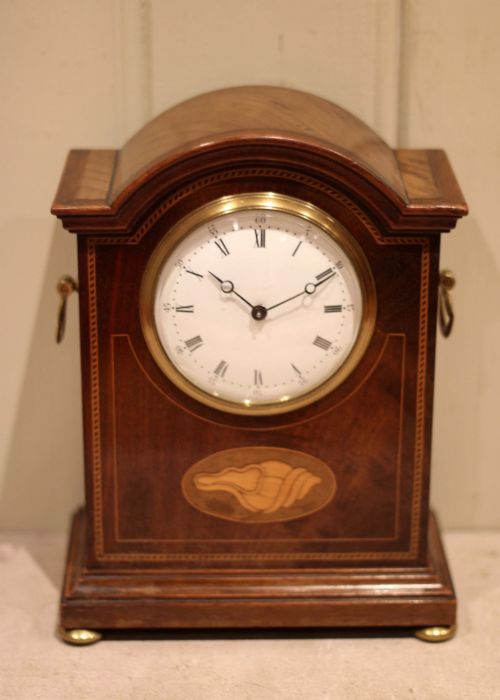
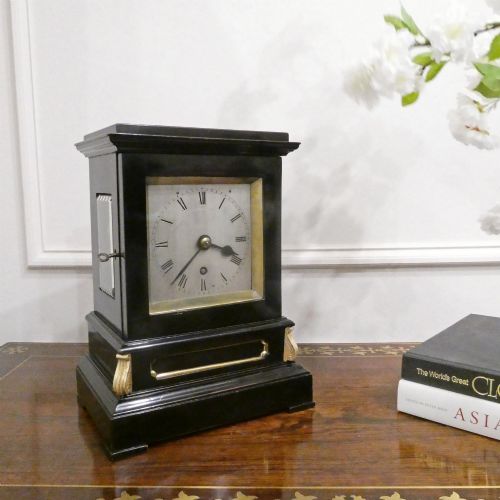
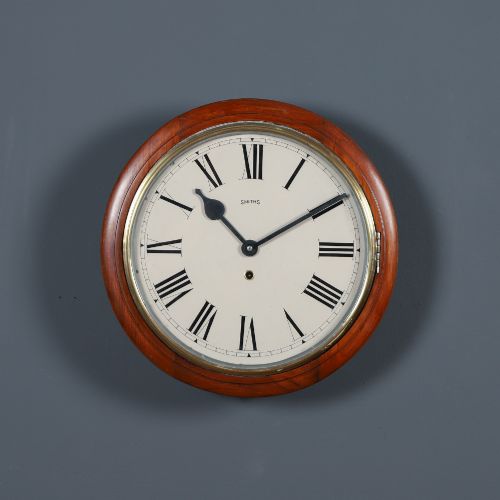
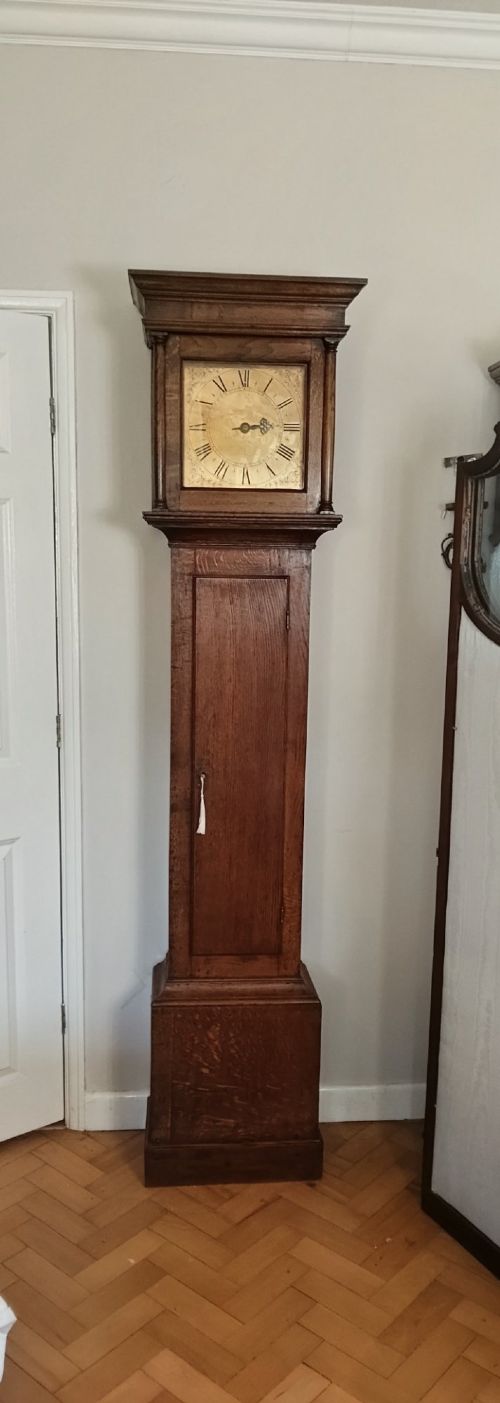
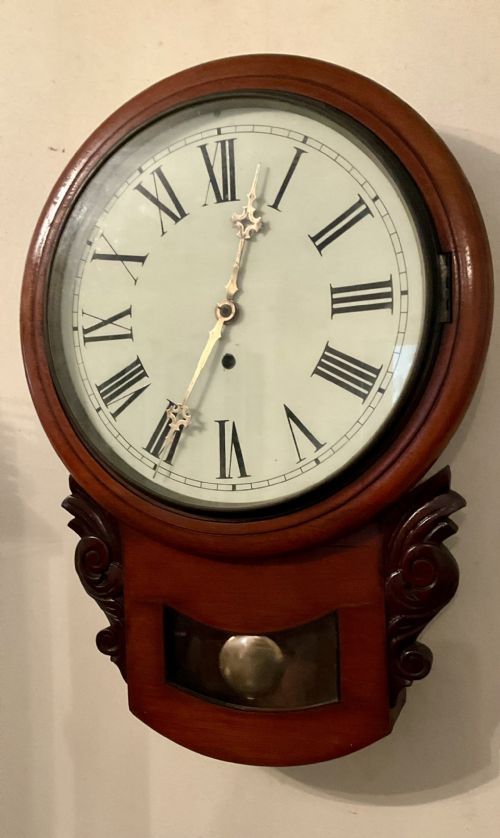
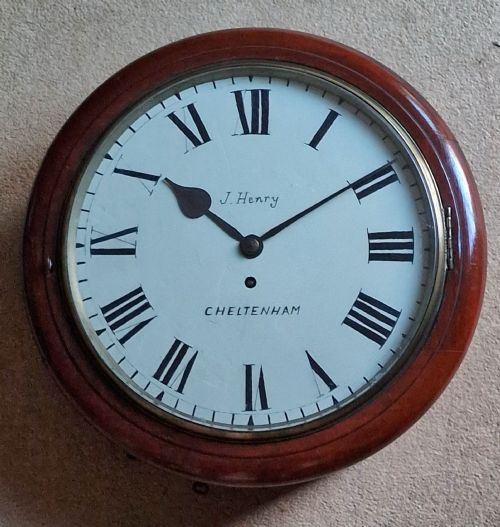
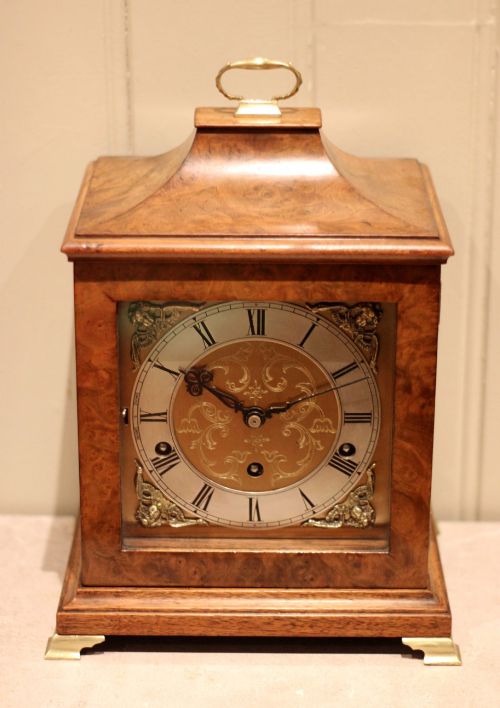
The pieces on this page span wall clocks, mantel clocks, bracket clocks, and longcase grandfather or granddaughter clocks.
Origins range from Victorian railway stations and British workshops to continental Black Forest carvers and Art Deco studios.
How they were made
Cabinet makers utilised solid woods and veneers including mahogany, oak, walnut, beech, and ebonised timber to house the movements.
Clockmakers fitted brass movements, fusee chains, and dial faces of glass, enamel, and brass numerals within the wooden casings.
Carved details, inlaid satinwood, and convex wooden bezels completed the presentation of these functional objects.
Listings feature woods like mahogany, oak, walnut, beech, and ebonised timber paired with brass mechanical movements.
What varies in quality
The distinction between tiers rests upon the crispness of timber carving, the choice of cabinet veneers, and the precision of the brass mechanical movement.
Subtleties in dial finishing, original matching hands, and the integrity of the fusee drive separate standard workshop output from finer signed pieces.
George Wadham·J Henry·Mappin And Webb·D And J Wellby·L Vick·Engström By Zenith·Philipp Haas·John Walker
The Wooden Mechanical Clock Glossary
- Fusee
- A conical pulley used with a chain or cord to maintain even power as the mainspring unwinds. This mechanism improves timekeeping accuracy across the power reserve.
- Dial
- The face of the clock where hours and minutes are displayed. Dials on these pieces incorporate painted metal, brass numerals, or convex wooden surfaces.
- Bracket clock
- A portable clock designed to sit on a bracket or table. These spring-driven pieces often feature striking mechanisms and carrying handles.
- Granddaughter clock
- A smaller scale version of a longcase or grandfather clock. They house weight-driven mechanical movements in tall wooden floor cases.
- Bezel
- The ring of brass or wood that holds the glass protecting the dial. It often hinges open to allow for hand setting and winding.
Wooden Mechanical Clock: Frequently Asked Questions
How do I wind a mechanical clock?
Wind the clock using the designated key inserted into the winding holes on the dial face. Turn gently until resistance is met, taking care not to overwind.
Ensure the pendulum hangs evenly and the clock stands level on its wall or shelf to keep the beat steady.
What is the difference between a timepiece and a striking clock?
A timepiece simply tells the time without any sound or chime complications. Its movement focuses entirely on driving the hands around the dial.
A striking clock includes an additional gear train that chimes the hours or quarters using bells or gongs.
Where should I hang a wall clock?
Hang your wall clock on a sturdy internal wall away from direct sunlight, excessive moisture, and temperature fluctuations. Secure it firmly to a wall plug or timber stud to support the weight of the timber case.
A stable wall prevents vibrations that can interfere with the pendulum swing and mechanical beat.
How do I identify the period of a wooden clock?
Examine the timber species, veneer patterns, dial materials, and overall aesthetic style of the case. Victorian railway clocks often feature simple oak or mahogany surrounds with painted dials, while Art Deco pieces utilise geometric golden oak and striking shapes.
Signatures on the dial or movement backplate can also point directly to the maker and operational era.