



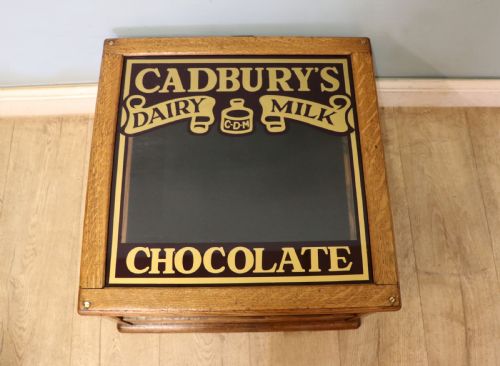

Wooden Haberdashery Box
A wooden haberdashery box brings traditional storage and display into daily use, offering fitted interiors and practical compartments for sewing and small items.
Wooden Haberdashery Box
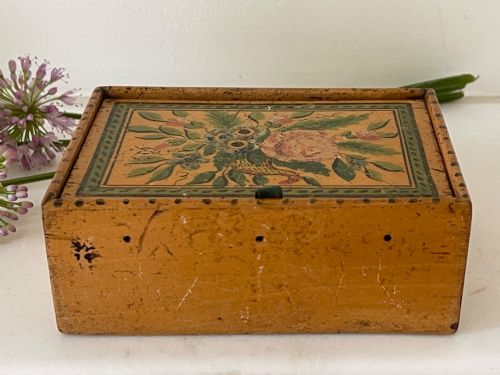
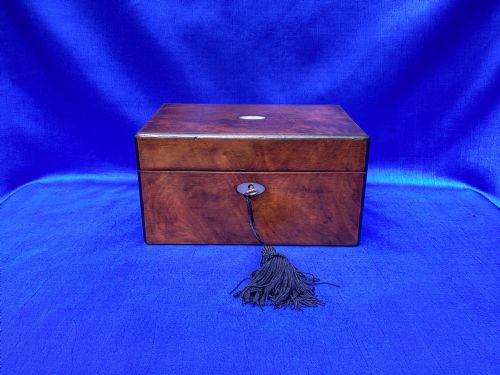
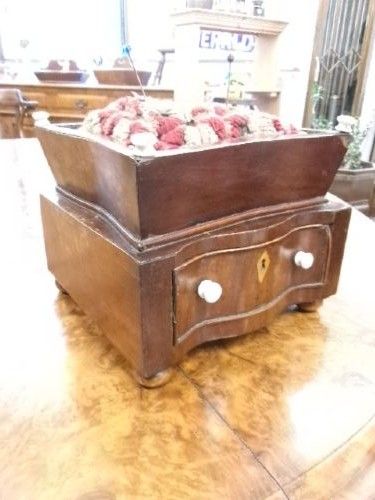
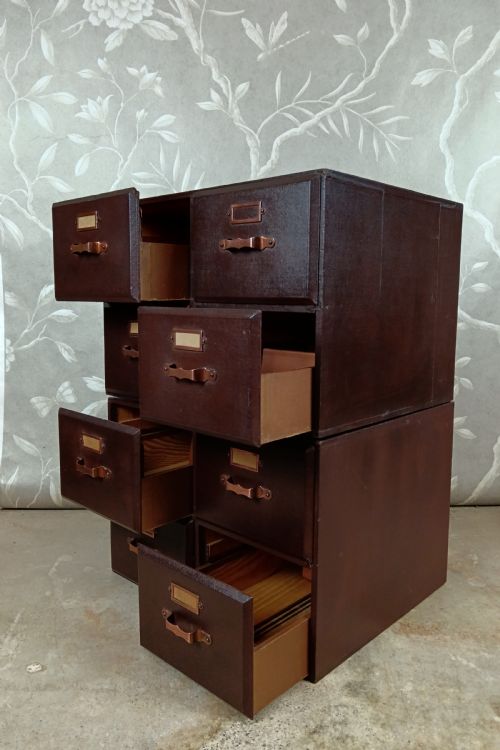
A wooden haberdashery box encompasses items designed for organising threads, buttons, sewing accessories, and small goods. The pieces gathered here range from Georgian and Victorian sewing boxes to Edwardian and 1920s countertop display cabinets and drawer sets.
Buyers will encounter various forms, including fitted sewing boxes with internal compartments, countertop display cases, and small cabinets or chests used by watch repairers and merchants. Materials and styles shift from early Tunbridge Ware and mahogany to later industrial filing drawers and display dispensers.
How they were made
Construction relies primarily on hardwoods such as mahogany and oak, frequently paired with glass panels for display cases and brass for hinges, handles, and small fittings. Internal sections utilise timber trays, silk linings, and bone or mother-of-pearl details for specialised storage.
Surface treatments include polished wood finishes, painted lettering for commercial display cabinets, and intricate Tunbridge Ware mosaic patterns inlaid into the lids of boxes.
The listings span multiple periods from the Georgian era through the Victorian period and into the 1920s, utilising mahogany, oak, coromandel-wood, and glass.
What varies in quality
Quality shows in the precision of the joinery, the intactness of internal fitted trays, and the preservation of delicate surface decoration like mother-of-pearl inlay or mosaic Tunbridge Ware. Pieces retaining original glass, hardware, and commercial signage stand apart from altered examples.
The sophistication of the internal mechanism or layout dictates the distinction between standard utilitarian storage and finer pieces intended for personal display or gentleman's study use.
The Wooden Haberdashery Box Glossary
- Tunbridge Ware
- A form of woodworking originating in Kent featuring mosaic patterns made from tiny wood blocks of different natural colours. It decorates the lids of boxes and small caskets.
- Haberdashery
- The trade and sale of small sewing items such as threads, buttons, ribbons, and pins. Cabinets and boxes built for this purpose often feature multiple small drawers or glass fronts.
- Mother-of-pearl
- The iridescent inner layer of certain mollusc shells used for decorative inlay on boxes and sewing accessories. It provides contrasting white and shimmering highlights against dark woods.
- Fitted interior
- An organised internal arrangement within a box, featuring removable trays, lidded compartments, and specialised slots for spools and needles.
Wooden Haberdashery Box: Frequently Asked Questions
What were haberdashery boxes used for originally?
These boxes and cabinets stored sewing threads, buttons, pins, and small dry goods for domestic use or retail trade. Display cases additionally served shops to showcase goods like sewing cottons and writing materials.
Over time, collectors and users have repurposed them for organising modern craft supplies, jewellery, or stationery.
How do I date a wooden haberdashery box?
Dating relies on the timber used, the style of construction, and period-specific hardware like brass locks and hinges. Georgian and Victorian pieces often feature mahogany and elaborate inlays, while 1920s examples show industrial or commercial display designs.
Makers' marks, sign-writing, and original interior fittings also help narrow down the period of manufacture.
Are the glass panels usually original?
Display cabinets and countertop cases from the nineteenth and early twentieth centuries sometimes retain their early glass, though replacements occur due to accidental breakage. Examining the glass for subtle surface irregularities and bubbles helps indicate age.
Matching the glass thickness to the rebate in the wooden frame provides further clues regarding originality.
How should I care for an antique wooden box?
Keep wooden boxes away from direct sunlight and extreme humidity changes to prevent the timber from warping or splitting. Occasional light dusting and minimal waxing preserve the finish without damaging delicate inlays or painted signage.
Internal silk linings and paper elements should remain dry and protected from excessive handling.