
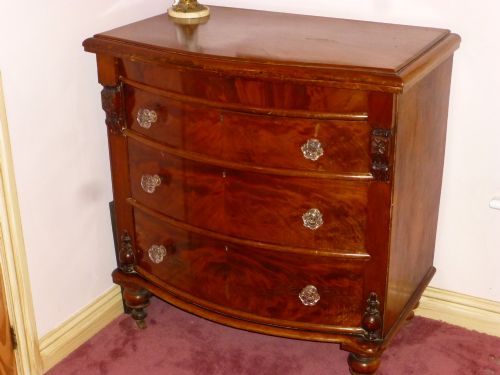
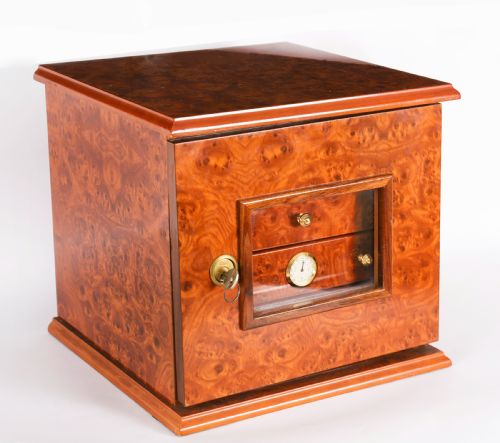


Antique Glass Front Chest
An antique glass front chest brings refined display space to a room, offering glazed doors to showcase contents while keeping dust at bay.
Antique Glass Front Chest
When you search for an antique glass front chest, you encounter a diverse group of specialist storage furniture spanning the Georgian, Victorian and Edwardian eras. These pieces bridge the gap between practical storage and visual display, often taking the form of specialised cabinets, bookcases, secretaires and vitrines.
Originating across the eighteenth, nineteenth and twentieth centuries, these cabinets range from architectural George III library pieces to compact painted Dutch vitrines. They suit modern interiors equally well, offering disciplined organisation paired with the warmth of aged timber and polished brass hardware.
How they were made
Cabinet makers relied heavily on solid hardwoods and decorative veneers, selecting mahogany, walnut and burr elm for their strength and grain patterns. Flame mahogany veneer and painted timber surfaces also appear, showcasing the cabinet maker's mastery over both natural wood figures and applied finishes.
Construction techniques combined robust carcase framing with delicate glazing bars to hold the glass panes securely. Brass fixtures such as locks, hinges and drop-front mechanisms provided durable operational hardware that complemented the darker tones of the surrounding timber.
The listings here span the eighteenth, nineteenth and twentieth centuries, featuring timbers such as mahogany, walnut, burr elm and oak alongside painted timber finishes.
What varies in quality
The standard of craftsmanship shows in the selection of timber veneers and the precision of the joinery around the glazed doors and internal drawers. Cabinets utilising finely figured burr elm or flame mahogany display a superior level of material choice compared to plainer timber examples.
Internal complexity and original hardware dictate much of the distinction between pieces, with secret drawers, working keys and specialised compartments elevating a piece. The crispness of the carving and the original condition of the glass panels further separate standard utility items from finer bespoke commissions.
Ermen and Roby
The Antique Glass Front Chest Glossary
- Vitrine
- A glass-fronted cabinet or display case specifically designed for showing fine objects or porcelain. These pieces often feature painted or polished timber frames.
- Secretaire
- A piece of furniture incorporating a writing drawer with a drop-down front that conceals small pigeonholes and drawers. They frequently sit beneath bookcase sections.
- Burr elm
- A highly prized timber obtained from the wart-like growths on elm trees, known for its swirling and intricate grain patterns. It creates a striking decorative surface on smaller cabinets.
- Glazing bars
- The wooden strips that hold individual panes of glass within a door or window frame. Finer bars allow for larger glass areas and better visibility.
- Collectors cabinet
- A specialist piece fitted with numerous shallow drawers designed to hold specimens such as insects, coins or microscope slides. They often feature locking glass doors for security.
Antique Glass Front Chest: Frequently Asked Questions
What were glass front chests used for?
These cabinets served multiple purposes depending on their internal layout, ranging from housing substantial libraries to storing delicate scientific specimens.
Smaller examples accommodated specific items such as sewing cottons, cigars, jewellery or microscope slides, keeping valuable collections organised and visible.
How do I date a mahogany cabinet?
Dating relies on observing construction methods, timber choice and stylistic cues characteristic of Georgian, Victorian or Edwardian periods.
Earlier pieces from the eighteenth century often display hand-cut dovetails and distinct architectural proportions, while later nineteenth-century examples incorporate machine assistance and different hardware styles.
Can I use a vitrine in a modern room?
These glass-fronted pieces integrate smoothly into contemporary spaces by providing vertical display height without heavy visual bulk.
The warmth of aged mahogany or walnut contrasts effectively with minimalist interiors while securely housing books, glassware or collections.
What is a secretaire bookcase?
A secretaire bookcase combines a shelved upper storage section with a central drawer that folds down to create a writing desk.
This dual function made them popular in nineteenth-century libraries and studies where floor space was at a premium.