





Haberdashery Display Box
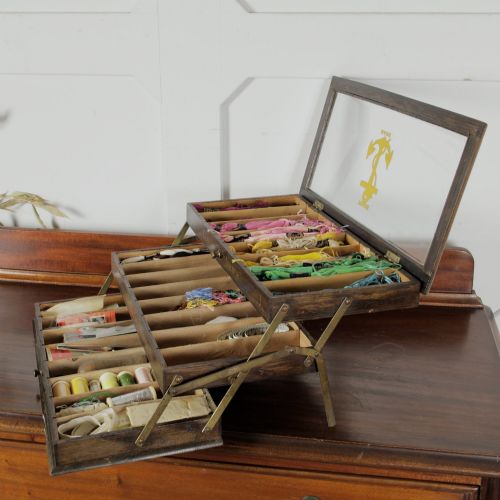
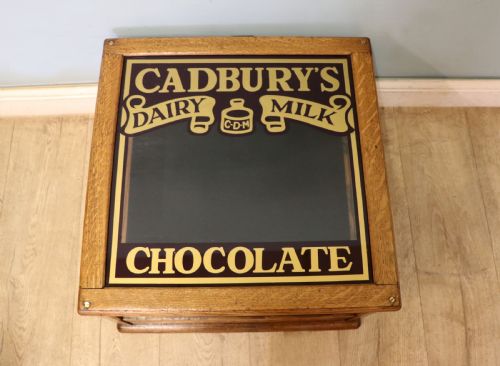
A haberdashery display box is a shop counter showcase built to hold threads, buttons, and confectionery, and collectors prize them for their crisp lettering and glass fronts.
Haberdashery Display Box
A haberdashery display box is a countertop shop showcase designed to hold small retail goods like cottons, chocolates, and buttons. You will most frequently meet oak and hardwood countertop cabinets on this page, often bearing period sign-writing.
The evidence spans the Victorian period through to the nineteen-thirties, taking in commercial and domestic shop fittings. Many items preserve original branding from makers such as Cadbury, Rowntree, and various cotton manufacturers.
Forms range from dedicated button box holders and pencil dispensers to larger apothecary and sweet shop countertop display cases. These pieces served behind counters to tempt customers with neatly arranged wares.
How they were made
Makers constructed these display boxes using sturdy timbers including oak, mahogany, pine, and hardwood to withstand daily retail use. Glass panels formed the viewing areas, allowing customers to inspect contents without opening the container.
Brass fittings provided hinges and handles, while paper and painted lettering applied branding directly to the glass or wood surfaces. These materials combined structural resilience with clear visibility for shop counters.
Haberdashery Display Box Retail Price Guide 2026
Typical asking prices for haberdashery display box among the pieces listed under this phrase on Sellingantiques today, from the lower quarter to the upper quarter. They describe what is for sale here now, not the wider market.
Venus pencils once found their customers through countertop dispensers, proving that even lead pencils deserved a proper shop showcase.
What varies in quality
Quality rests upon the preservation of original brand sign-writing and the integrity of the timber framing. Crisp, legible lettering on glass or wood elevates a piece significantly above plain or later re-painted examples.
The choice of materials also divides the range, with solid mahogany and oak frames representing more robust construction than simpler pine versions. Original brass hardware and undamaged glass panes further distinguish superior examples.
Chadwick·Ermen & Roby·Rowntree·Cadbury·Venus·Dewhurst·Alexanders of Glasgow
The Haberdashery Display Box Glossary
- Countertop
- A descriptive term for furniture built to sit upon shop counters for customer viewing. These pieces have shallow depths to maximise retail surface space.
- Sign-written
- Painted lettering applied by hand to advertise specific goods or manufacturers upon glass or wood. This lettering often names cotton mills or chocolate brands.
- Hardwood
- Dense timber derived from broad-leaved trees, utilised for durable shop display framing. Oak and mahogany are common examples seen in this category.
- Display case
- A glazed container used in retail environments to exhibit stock while protecting items from handling and dust. These incorporate glass viewing panels on the top or sides.
Haberdashery Display Box: Frequently Asked Questions
What were haberdashery display boxes used for?
Shopkeepers utilised these glazed wooden boxes on counters to store and advertise small dry goods such as sewing cottons, buttons, and pencils. The glass tops and fronts allowed buyers to inspect merchandise while keeping stock clean.
Over time, merchants adapted similar countertop display cases for confectionery like chocolates, expanding their commercial utility beyond sewing supplies.
How do I identify a Victorian display box?
Victorian examples rely on heavier timber construction, typically utilising oak or mahogany combined with traditional hand-joinery techniques. These pieces often pre-date the lighter commercial styles of the nineteen-twenties.
Examining the internal structure and hardware provides clues to the period, as Victorian joinery differs distinctly from later twentieth-century manufacturing methods.
Are the brand names on these boxes original?
Many display boxes retain their original factory sign-writing, applied directly to the glass or wood to promote specific period brands. Some pieces feature later sign-writing applied after initial manufacture.
Looking closely at the wear patterns within the paint helps determine whether the branding dates from the active retail period of the cabinet.
Where should I place a display box at home?
These shallow countertop cabinets suit placement on sideboards, desks, or kitchen counters where natural light highlights the glass panels. Their compact footprints make them practical for displaying small collections.
Placing them away from direct heat sources protects the antique wood and prevents undue stress on the original glass and brass fittings.