


Wooden Sliding Lid Box
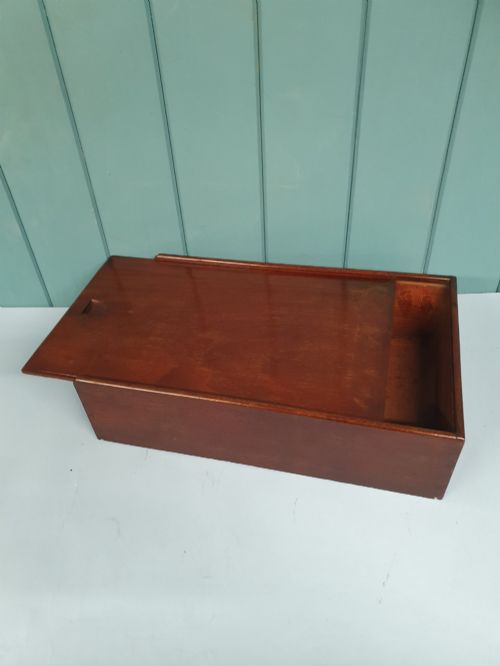
A wooden sliding lid box is a practical container built to slide open for contents ranging from deeds to spices.
Wooden Sliding Lid Box
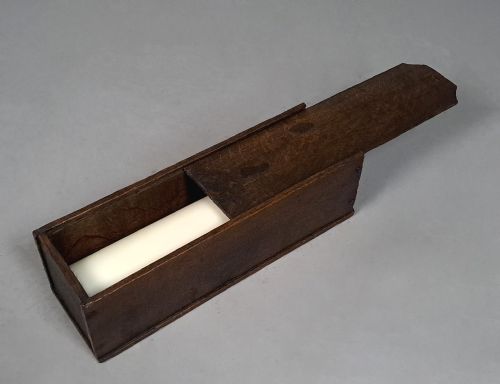
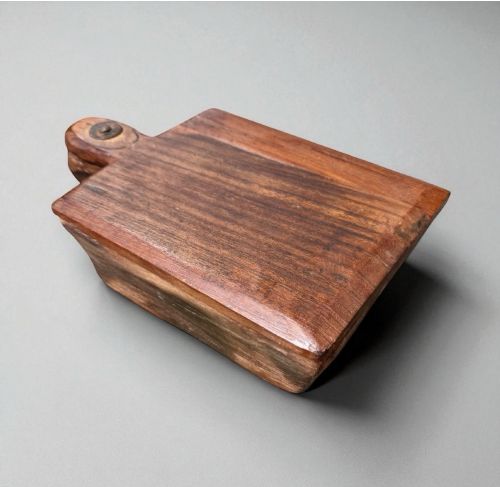
When you search for a wooden sliding lid box, you encounter pieces designed for storage and small items across several centuries. The selection includes document boxes, spice containers, candle boxes, and snuff boxes from Georgian, Regency, and Victorian periods.
Oak and mahogany dominate the offerings, spanning simple vernacular items to refined presentation cases. These containers serve distinct household functions, from wall-hanging candle holders to desk storage.
Most examples originate from English workshops or vernacular traditions, showing straightforward joinery intended for daily utility.
How they were made
Carpenters utilised native and imported timbers, shaping oak and mahogany into durable containers with fitted lid grooves. Boxwood and iron occasionally appear for hardware, hinges, or decorative inlay.
Simple sliding mechanisms rely on precisely planed channels cut directly into the timber walls, allowing the lid to move smoothly without metal tracks.
One tiny box holds a miniature chess set, proving that small containers often housed surprisingly intricate pastimes.
What varies in quality
The standard of timber selection and joint construction separates everyday utility boxes from finer presentation pieces. Grain alignment and the tightness of the sliding lid groove indicate the maker's skill.
Age and original surface patination contribute significantly to the character of each box, where untouched wooden surfaces hold greater interest than heavily restored examples.
The Wooden Sliding Lid Box Glossary
- Vernacular
- Objects made by local craftsmen for everyday use rather than high-style urban workshops. These pieces reflect regional traditions and practical utility.
- Treen
- Small handmade wooden household objects. Collectors value these items for their tactile qualities and historic domestic functions.
- Tinder box
- A container holding flint, steel, and charred material used to strike a spark for lighting fires. They often include integrated compartments for candles.
- Snuff box
- A small pocket-sized container used to hold powdered tobacco. They frequently feature intricate carving or inlaid decoration.
Wooden Sliding Lid Box: Frequently Asked Questions
What were wooden sliding lid boxes used for?
These boxes held household commodities like candles, spices, documents, and snuff.
Their sliding lids provided quick access while keeping contents secure during daily handling.
How do I date an old wooden box?
Dating relies on timber species, construction methods, and tool marks left by the maker.
Georgian and eighteenth-century examples often display hand-sawn board marks and simpler joinery than later Victorian pieces.
Are sliding lid boxes fragile?
Solid timber construction makes most of these containers robust for everyday display and light use.
Changes in humidity can affect the sliding groove mechanism, so stable room conditions help preserve the wood.