





18th Century Candle Box
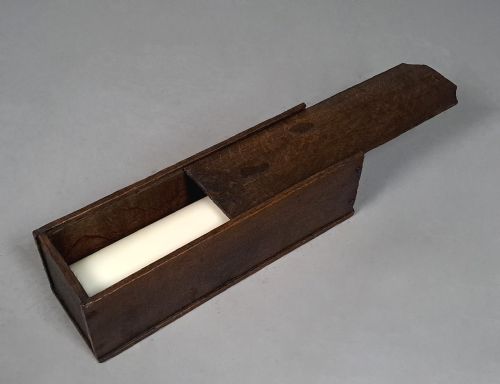
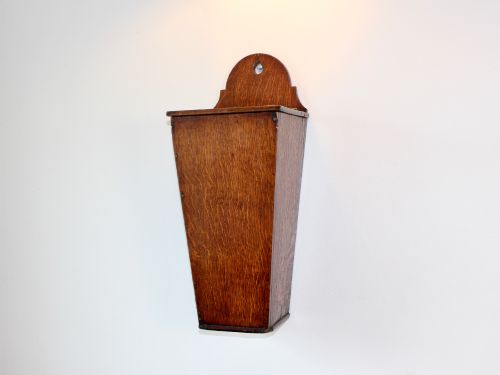
An 18th century candle box is a practical wooden wall receptacle designed to keep domestic tapers safe, dry, and ready for use.
18th Century Candle Box
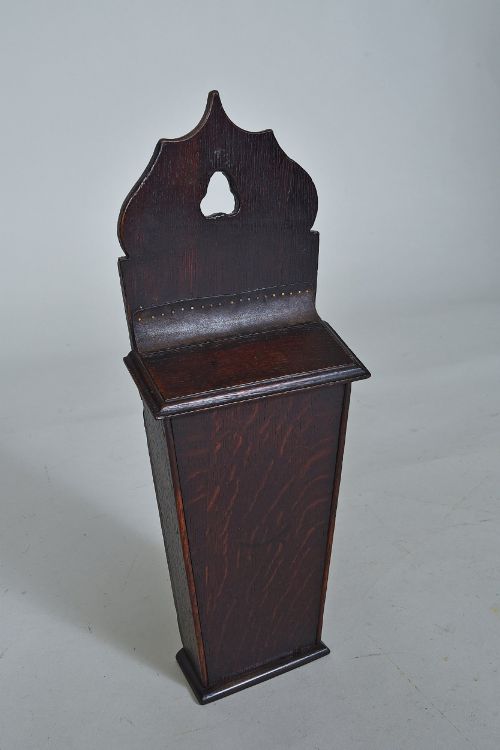
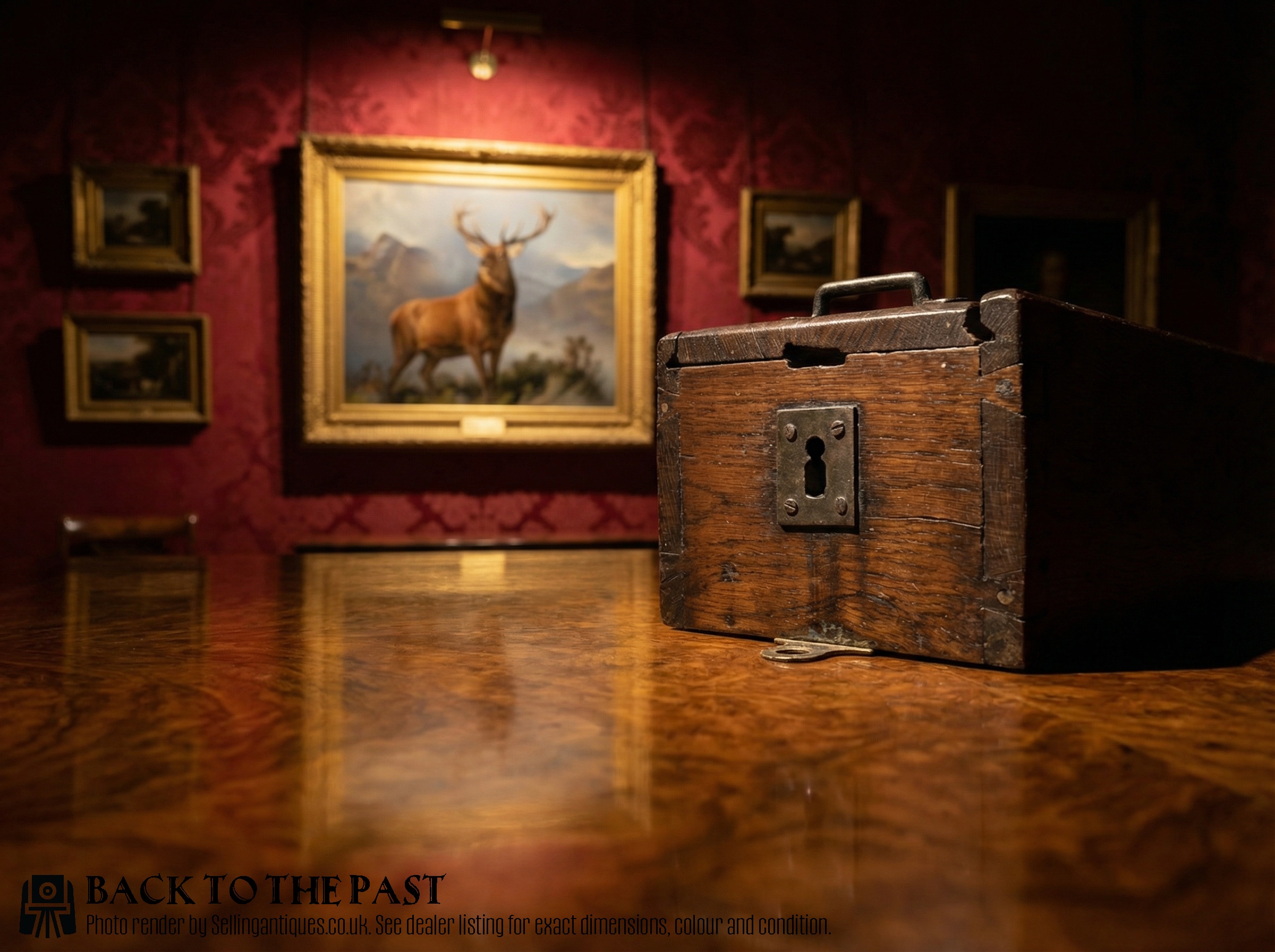
When searching for an 18th century candle box, collectors encounter wall-hanging storage pieces designed to protect fragile tallow or wax candles from dampness and pests in period homes. These utilitarian items were frequently mounted near hearths or doorways where illumination was needed quickly.
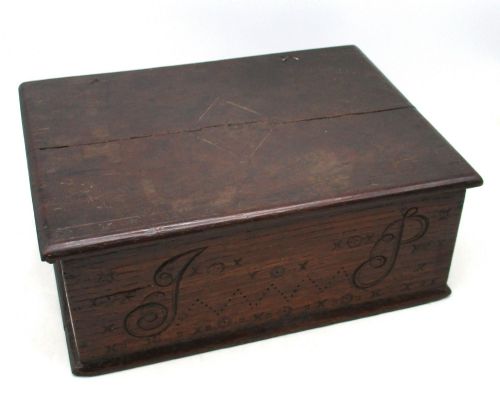
The majority of pieces seen here are fashioned from sturdy oak, often reflecting regional English or Welsh vernacular traditions. Alongside dedicated hanging boxes, some examples appear as internal compartments within larger panelled coffers and chests.
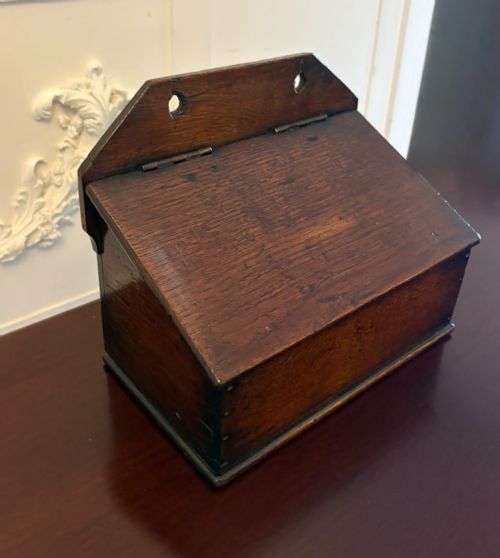
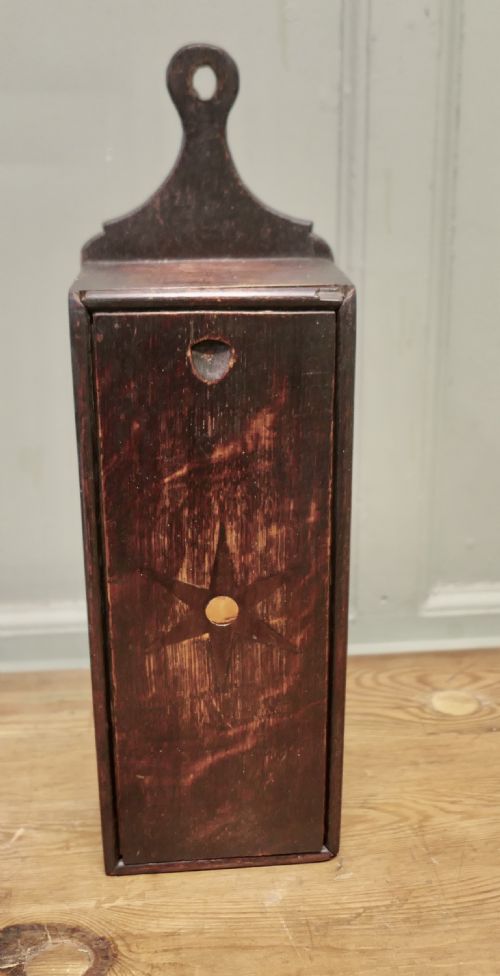
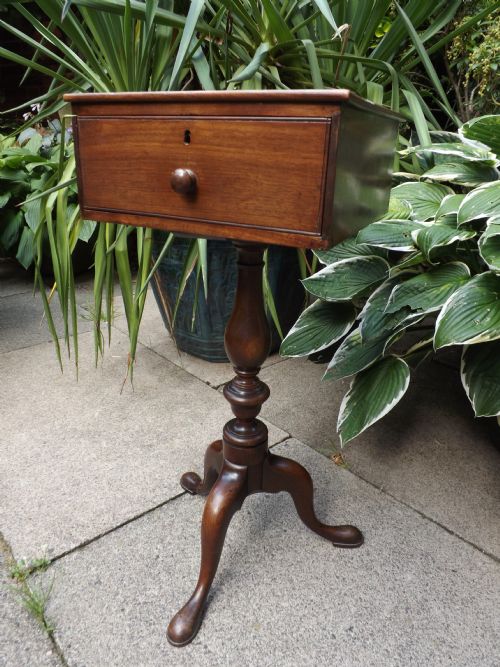
While the core form remains a tall, tapered body with a hinged lid and a notched backboard for hanging, variations span simple primitive construction to refined Georgian mahogany designs.
How they were made
Cabinet makers and vernacular craftsmen utilised solid native timbers, predominantly oak and mahogany, shaped with basic hand tools. Boards were joined with pegged mortise and tenon joints or simple overlapping construction suitable for everyday household objects.
Metal components played a crucial functional role, incorporating original iron hinges, latches, and brass details. Surfaces were frequently left untreated or finished with traces of early paint and natural wax polish developed through decades of handling.
18th Century Candle Box Retail Price Guide 2026
Typical asking prices for 18th century candle box among the pieces listed under this phrase on Sellingantiques today, from the lower quarter to the upper quarter. They describe what is for sale here now, not the wider market.
What varies in quality
Quality in these domestic containers rests upon the integrity of the original timber and the survival of secondary elements like hanging loops and hinges. Pieces retaining untouched surfaces and early hardware command greater interest than those with replaced lids or reconstructed backs.
The degree of hand craftsmanship separates standard utility items from finer examples. Sharply carved panels, well-proportioned tapered profiles, and honest patination distinguish superior vernacular work from later adaptations.
The 18th Century Candle Box Glossary
- Treen
- Small handmade wooden household objects. These items display the utility and turning skills of past domestic life.
- Cofer
- A large wooden chest used for storage. Many early examples incorporate an internal compartment specifically for candles.
- Vernacular
- Everyday objects made by regional craftsmen rather than urban cabinet makers. These pieces follow traditional local forms and materials.
- Patina
- The surface sheen and colour developed over centuries through use and waxing. This finish indicates the genuine age of the wood.
- Taper
- A slender candle or wax-dipped wick used for lighting rooms or sealing letters. Boxes were specifically sized to hold these items.
18th Century Candle Box: Frequently Asked Questions
Where were candle boxes hung?
These containers were typically mounted on walls near hearths or entranceways. This placement ensured a reliable source of light was immediately accessible in the darkest parts of the home.
The suspension was made possible by a pierced backboard designed to hang securely from a peg or nail.
What woods were used?
Oak is the predominant timber found in these domestic objects, reflecting regional British vernacular traditions. Walnut, cherry wood, and mahogany also appear in examples from the Georgian period.
Metal elements such as iron and brass were utilised for hinges, handles, and hanging loops.
How do I spot a reproduction?
Authentic pieces display genuine wear patterns, tool marks appropriate to the period, and dry patination on the interior surfaces. The construction methods should align with eighteenth-century cabinet making.
Inspect the hardware for signs of age, as modern screws or machine-cut hinges indicate a later date.
Did they hold anything else?
While primarily designed for tallow or wax tapers, some variations doubled as salt boxes or receptacles for matches and spills. These multi-use containers served general hearthside needs.
Document boxes and small chests occasionally shared similar tapered wall-hanging formats.
Are all candle boxes wall-mounted?
The majority of standalone examples feature shaped backboards with hanging holes for wall placement. However, candle boxes also exist as internal compartments within larger coffers and storage chests.
Table-top and tripod variations occasionally appear from the later Georgian era.