





Oak Wall Hanging Box
An oak wall hanging box is a sturdy domestic container meant to keep household goods off tables and close at hand.
Oak Wall Hanging Box
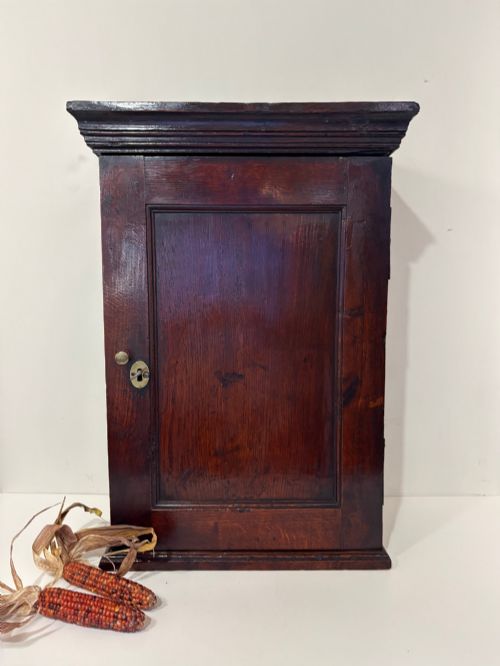
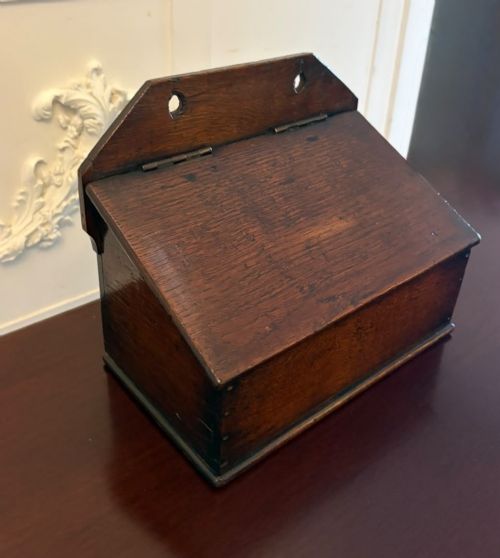
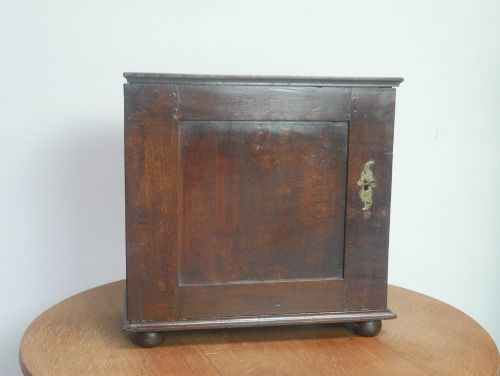
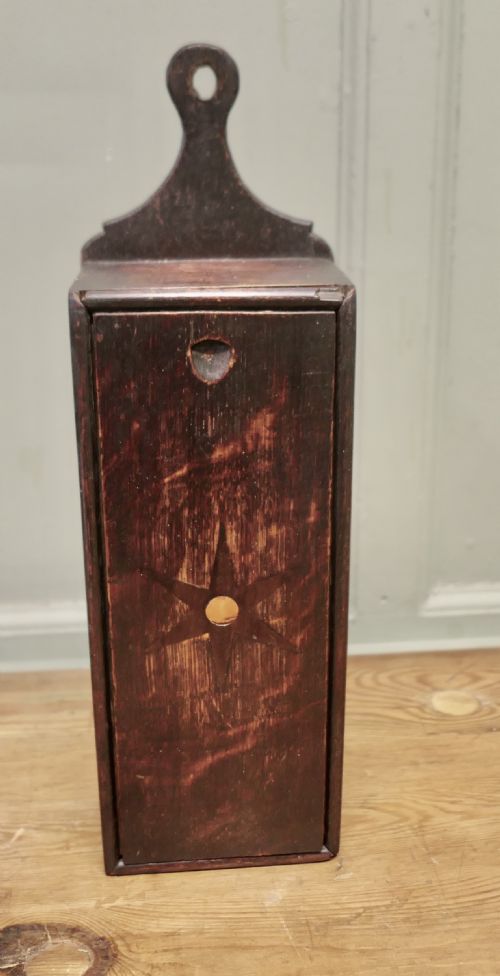
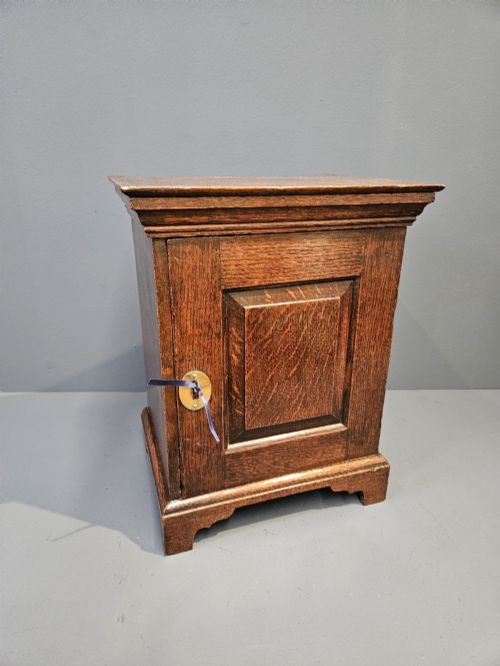
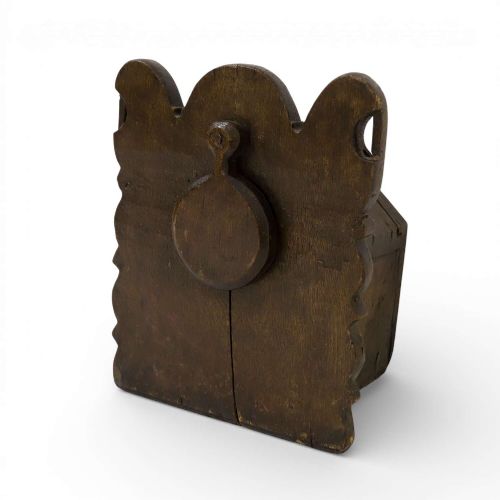
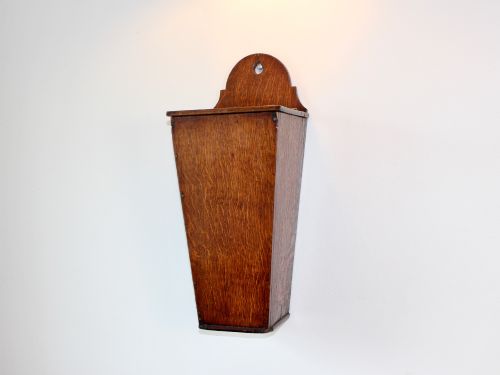
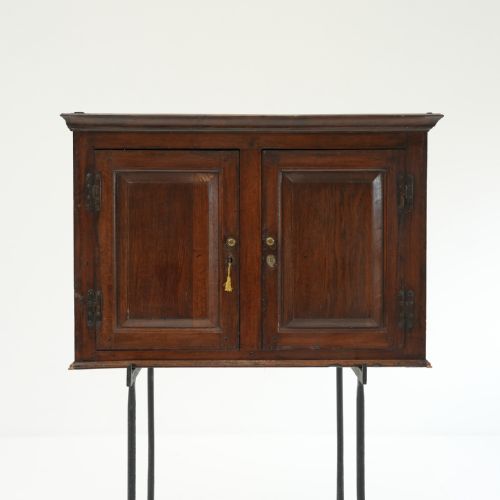
An oak wall hanging box serves multiple domestic purposes, appearing frequently as a candle box, spice cupboard, salt box, or small wall cabinet. These pieces date across the seventeenth, eighteenth, and nineteenth centuries, spanning Georgian and Victorian eras, alongside country styles.
The most common formats you encounter are candle boxes with slanted lids and small spice cupboards fitted with doors and drawers. They were built to hang securely on kitchen or hallway walls, saving precious surface space in older homes.
How they were made
Makers constructed these pieces primarily from solid oak, sometimes combining secondary woods like pine for internal partitions or backboards. Panels were joined using traditional methods suited to the demands of daily household use.
Hardware played a crucial functional role, incorporating brass and iron, often including original hinges, latches, and hooks for mounting. Surface decoration ranged from plain boards to carved details, wood inlay, and occasional traces of early paint.
What varies in quality
Quality rests in the selection of timber, the crispness of any carving, and the survival of original components such as iron hinges, latches, and backboards. Finer examples display thoughtful proportions and careful joinery that has endured centuries of use.
The presence of untouched surfaces, original hardware, and period-appropriate regional characteristics elevates certain pieces above standard utilitarian boxes. Later alterations or replaced mounts alter the integrity of the object.
The Oak Wall Hanging Box Glossary
- Treen
- Small handmade wooden household objects. These items include kitchen utensils and small storage pieces made for everyday domestic tasks.
- Spice cupboard
- A small wall-mounted cabinet with internal drawers or shelves. They were designed to hold expensive dried goods and seasonings securely.
- Salt box
- A slanted lidded container meant to keep salt dry. They typically feature a high backboard with a pierced hole for wall hanging.
- Candle box
- A specialised storage container shaped to hold tallow or wax dips. Many feature hinged lids designed to protect candles from dust and pests.
- George II
- An architectural and decorative style period dating from the mid eighteenth century. Pieces from this era often show robust classical proportions.
Oak Wall Hanging Box: Frequently Asked Questions
What were oak wall boxes used for?
These boxes stored everyday consumables like candles, salt, and spices safely away from dampness and pests. Their wall-mounted design kept them accessible in busy working kitchens.
Over time, households adapted them to hold keys, writing materials, or small personal valuables as domestic needs shifted.
How do I hang a heavy oak box safely?
Most pieces retain their original iron mounting rings or pierced backboards designed for wall pegs. You should inspect these points to ensure the wood remains solid before hanging.
Distributing the weight properly onto wall studs prevents strain on the antique timber and old joints.
How can I tell an eighteenth century box from a later copy?
Examine the construction marks, timber shrinkage, and the wear patterns around the hanging points and lid hinges. Eighteenth-century pieces show hand-cut joinery and aged patination consistent with centuries of handling.
Hardware is also telling, as forged iron or early brass fixtures differ significantly from modern machine-made replacements.
Did these boxes come from specific regions?
Many examples originate from distinct areas like Wales or regional English counties, showing local preferences in construction and decoration. Welsh pieces occasionally feature specific lid shapes or distinct proportions.
Local timber availability also influenced whether makers combined oak with secondary woods like pine.
How do I clean and maintain antique oak?
Dust the surfaces gently with a dry, soft cloth and avoid commercial polishes that build up sticky residues. Maintaining stable room humidity protects the oak from splitting.
Preserving the dry surface patination retains the historical character of the wood.