

Antique Wooden Wall Box
An antique wooden wall box brings domestic history straight to eye level, offering compact storage with centuries of utilitarian charm.
Antique Wooden Wall Box
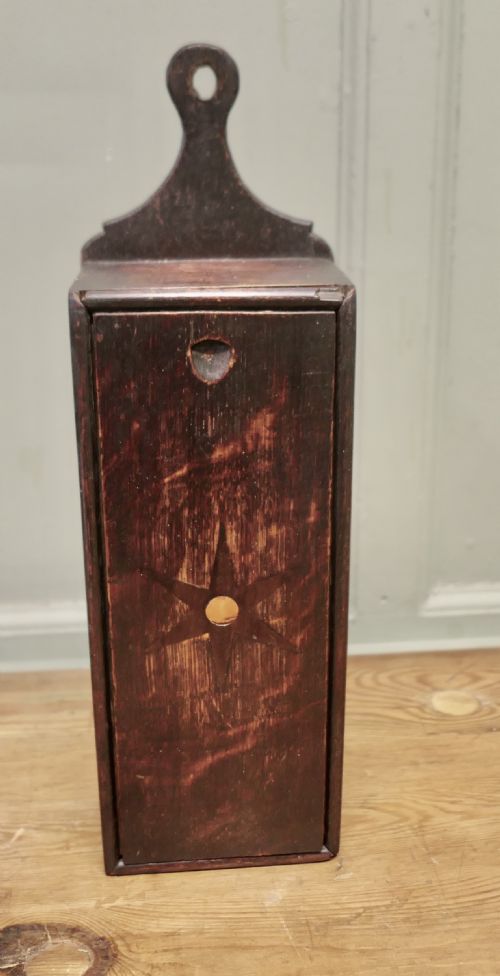
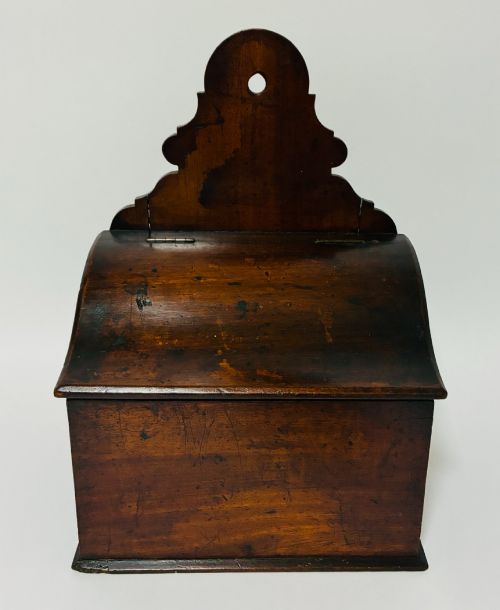
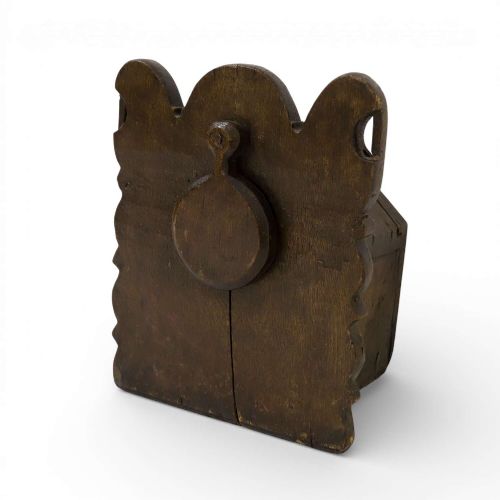
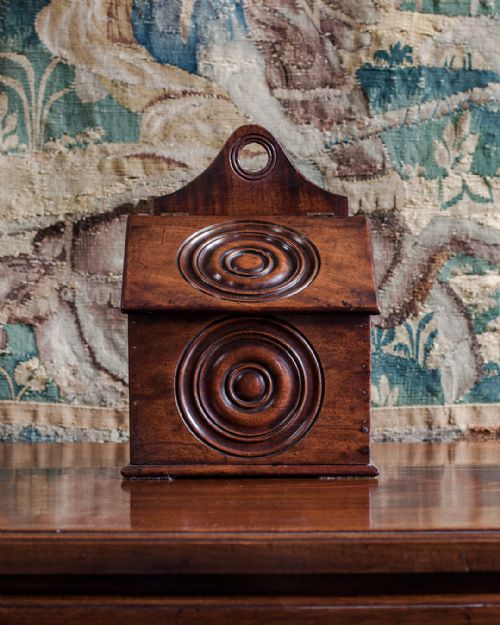
An antique wooden wall box is primarily represented here by 18th-century and 19th-century candle boxes, spice cupboards, and salt boxes designed to keep household essentials secure and within reach.
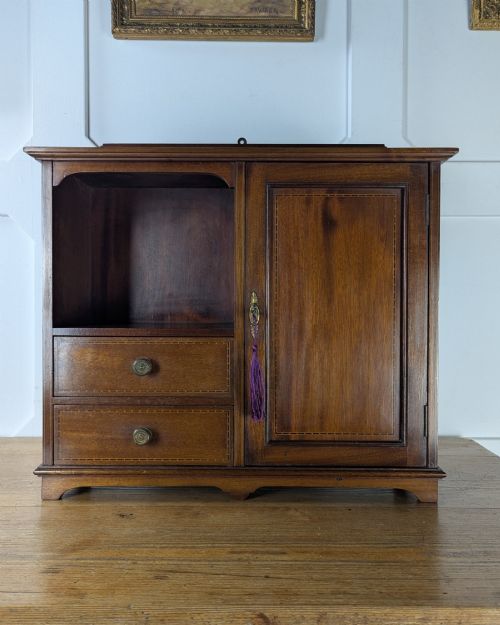
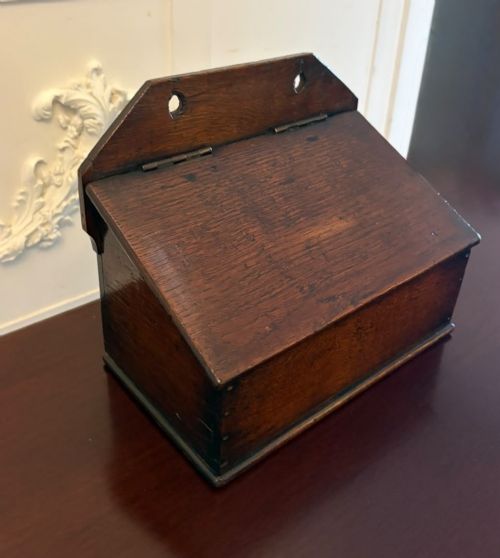
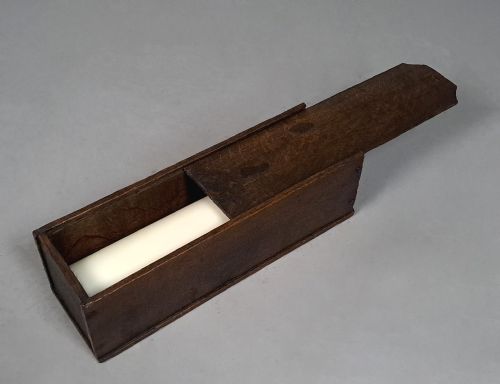
Buyers will frequently encounter Georgian mahogany and oak examples alongside Victorian country pieces, featuring practical sloping lids, sliding fronts, and pierced backboards for hanging.
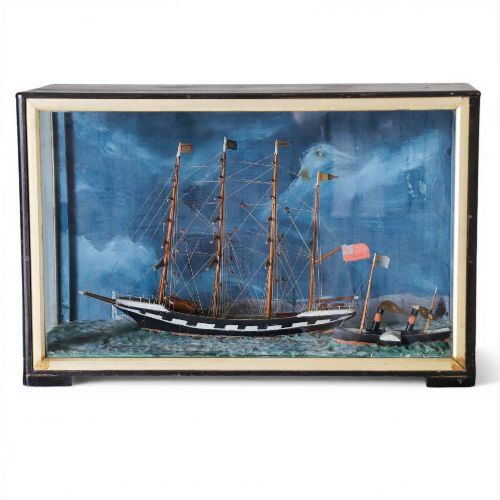
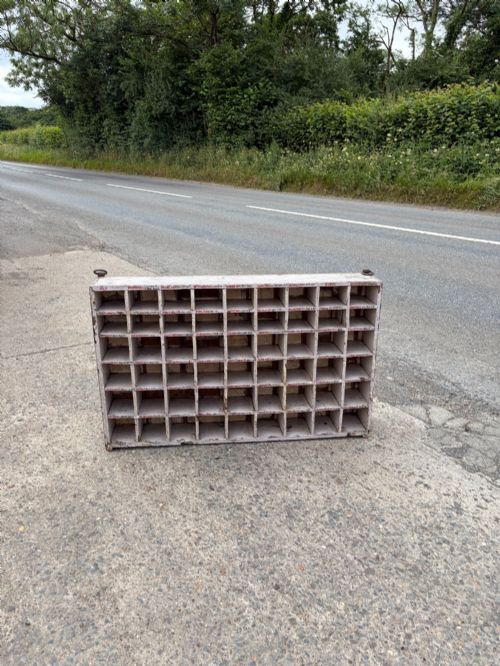
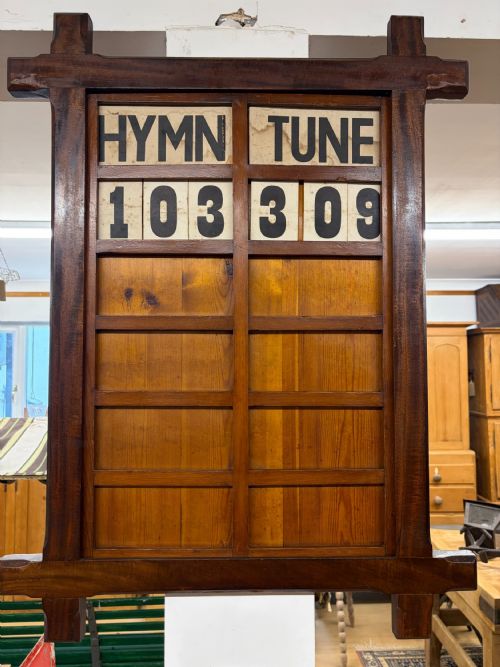
The selection extends into maritime folk art dioramas, key cabinets, and specialised utility boxes from the Edwardian and later periods, demonstrating how diverse domestic storage solutions were adapted for the wall.
Materials and Construction
Cabinet makers relied predominantly on native timbers like oak, mahogany, pine, and satinwood, frequently combining oak and pine for structural rigidity in wall-hung furniture.
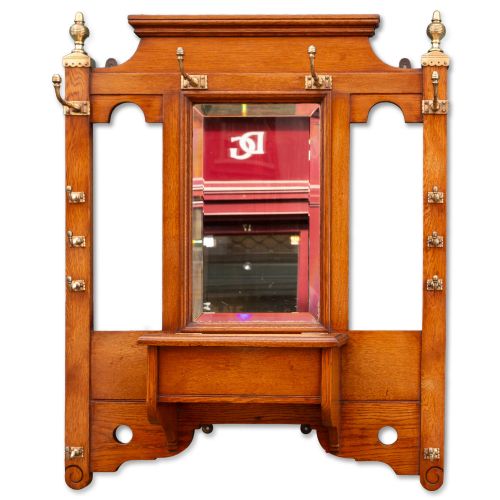
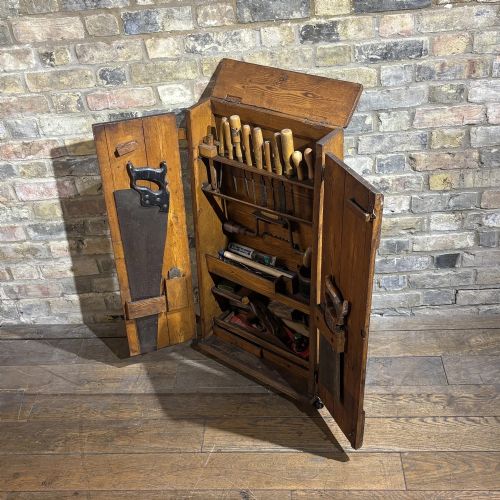
Hardware played an essential role in construction, utilising original iron hinges, brass hooks, and occasionally traces of historic red paint or decorative inlay to finish the surfaces.
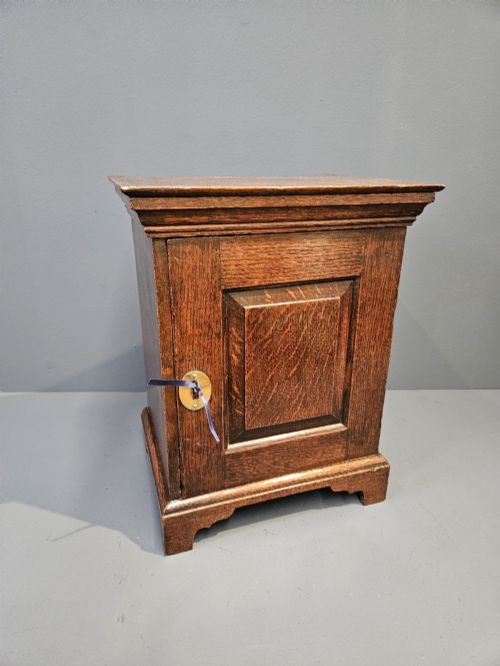
Several boxes doubled as night porters' key cupboards, ready to secure an establishment while the city slept.
Judging Quality
The distinction between ordinary utility items and superior pieces rests on the crispness of carving, the retention of original surface finishes, and the integrity of historic hardware like iron latches.
Proportion and timber selection dictate value, with closely figured burr walnut, finely dovetailed mahogany joints, and untouched patination marking out the finer workshops from basic country carpentry.
The Antique Wooden Wall Box Glossary
- Salt box
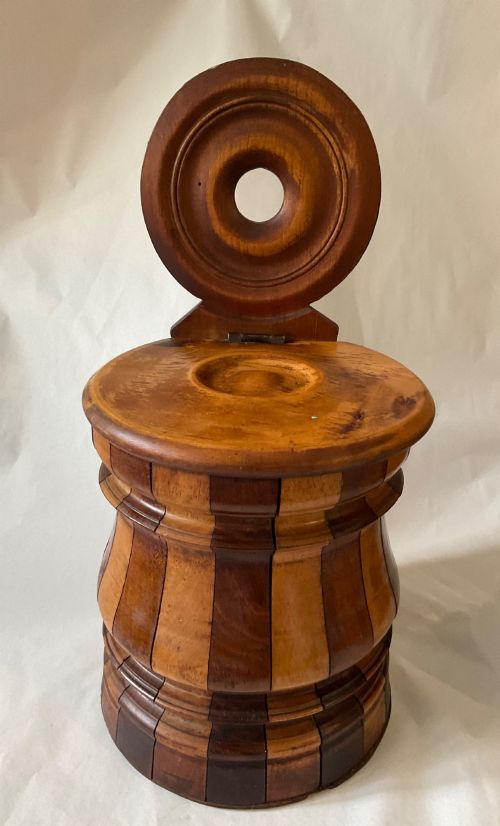
- A wall-mounted container historically used to keep salt dry near a hearth. These usually feature a sloping hinged lid and a high backboard with a hanging hole.
- Candle box
- A specialised wall receptacle designed to protect tallow or wax candles from dust and pests. They often display tapered rectangular profiles and sliding or hinged lids.
- Spice cupboard
- A small wall-hung cabinet enclosing multiple internal drawers or compartments for culinary provisions. They frequently date from the Georgian and 18th-century periods.
- Diorama
- A three-dimensional scenic display enclosed within a wall box or case. The evidence highlights maritime subjects such as sailing ships at sea.
- Tramp art
- A style of utilitarian woodwork created by itinerant artisans using notch-carving techniques on discarded packing materials. It results in heavily textured geometric box surfaces.
Antique Wooden Wall Box: Frequently Asked Questions
How were antique wall boxes used?
These boxes served specific utilitarian functions around the historic home, holding household commodities like salt, candles, and spices close to where they were needed.
Others functioned as secure storage for keys, tobacco, or documents, keeping vital items off crowded table surfaces and away from dampness.
What woods should I look for?
Oak and mahogany dominate the earlier Georgian and 18th-century pieces, offering robust structural integrity and deep natural patination over decades of handling.
Victorian and later examples frequently utilise pitch pine, satinwood, or walnut, sometimes incorporating brass fittings and glass panels for display purposes.
How do I date a wooden wall box?
Dating relies on construction methods, such as hand-cut dovetailing, timber choice, and the style of hardware like wrought iron hinges or brass latches.
Stylistic cues from specific periods, such as Georgian proportions or Victorian folk art carving, further help narrow down the decade of manufacture.
Can these boxes be hung safely today?
Most pieces were built with integrated hanging brackets or pierced backboards specifically designed to support their weight on a wall.
Buyers should inspect the original fixing points and ensure appropriate wall anchors are used to bear the weight of the timber safely.