



Antique Candle Box
An antique candle box is a utilitarian vessel built to protect tallow tapers from moisture and dust, now collected for its honest domestic craftsmanship.
Antique Candle Box
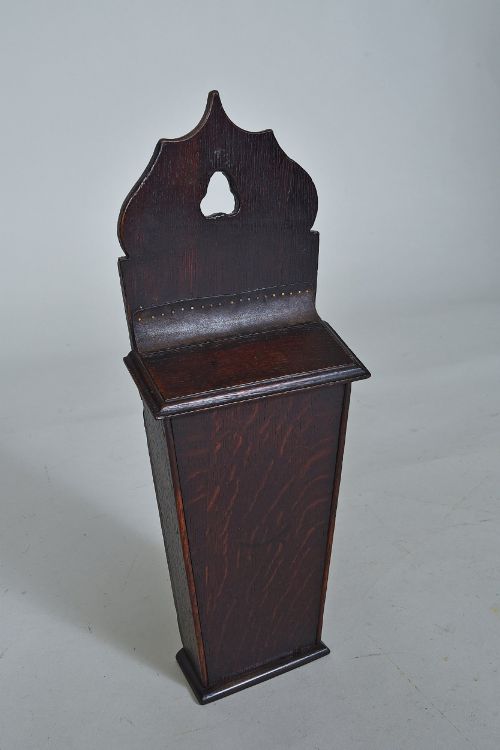
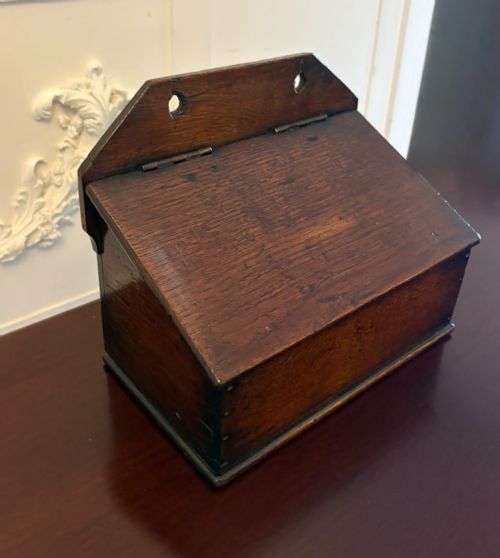
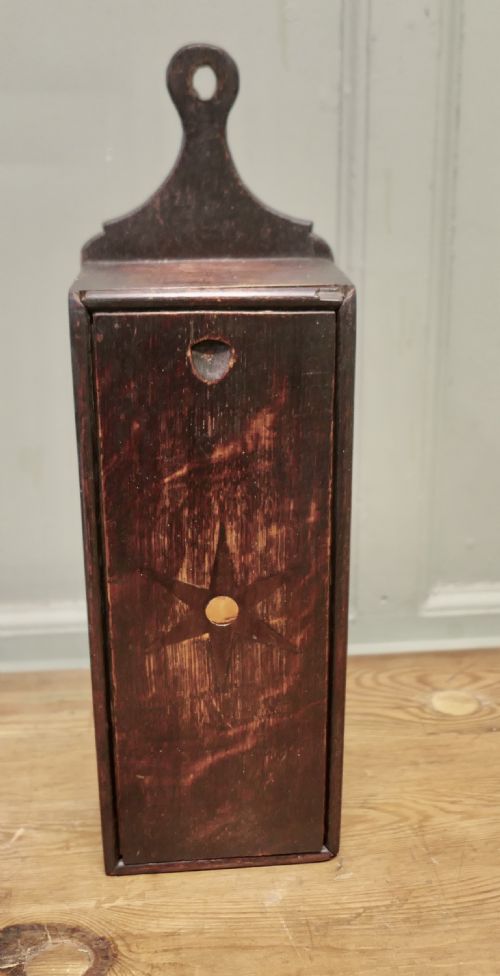
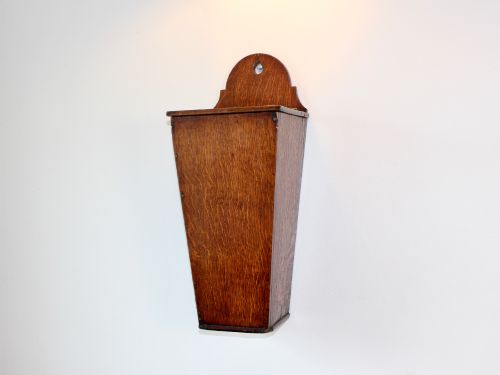
An antique candle box is primarily encountered as a wall-hanging wooden container featuring a sloped or shaped lid designed to shed dust and allow easy access to lighting. These pieces span from the seventeenth century through the Victorian era, reflecting shifts in domestic interior utility.
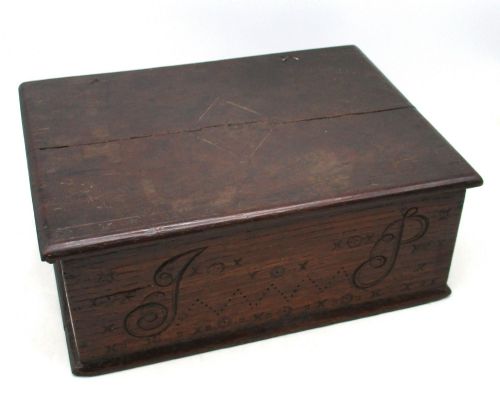
The most common examples on this page are fashioned from oak, often created with panelled backs intended for hanging near a hearth or hallway. Alongside dedicated wall boxes, the inventory includes internal compartments nestled within larger coffers or integrated salt boxes.
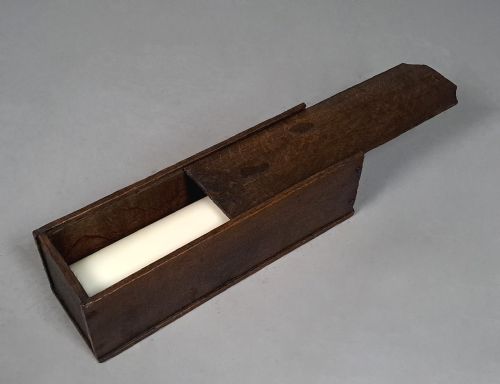
Regional variations emerge from English, Welsh, and continental workshops, ranging from primitive country pine to restrained Georgian mahogany. Certain formats incorporate sliding fronts, drawer sections, or dual compartments for tapers and spill lights.
Materials and Construction
Cabinetmakers and country joiners relied heavily on native timbers such as oak, pine, mahogany, and fruitwoods, frequently joining boards with pegged mortise-and-tenon joints or simple dovetails. Backboards typically incorporate pre-drilled hanging apertures or shaped crestings designed for wall mounting.
Hardware relies on durable domestic metals, utilising original iron hinges, latches, wire fixings, or brass details. Surface treatments range from unpolished natural timber showing honest patination to remnants of early red paint and decorative carved motifs.
Antique Candle Box Retail Price Guide 2026
Typical asking prices for candle box among the pieces listed under this phrase on Sellingantiques today, from the lower quarter to the upper quarter. They describe what is for sale here now, not the wider market.
The inventory records forms ranging from simple wall-hanging receptacles to internal compartments within large seventeenth-century coffers.
Evaluating the Pieces
Distinctions in quality rest upon the crispness of the joinery, the integrity of the timber surfaces, and the survival of original hardware. Boxes retaining their authentic sliding lids, hinges, and hanging brackets command greater appreciation among collectors.
Subtle design flourishes elevate certain examples, such as shaped heart decors, star wheel finials, bell-shaped lids, or carved panel detailing. The depth of the timber's patination and the natural warmth accumulated through centuries of handling distinguish superior vernacular pieces.
The Antique Candle Box Glossary
- Treen
- Small handmade wooden household objects created by turners and joiners. These items encompass domestic utensils, small boxes, and treen candlesticks collected for their tactile wooden surfaces.
- Tolerware
- Metalware objects made from lacquered or painted sheet steel or iron. These items were shaped into containers such as wall boxes designed to safely store household tapers.
- Coffer
- A large sturdy chest traditionally used for storing valuables, linens, or documents. Many period examples feature internal removable candle boxes built directly into the storage well.
- Spill
- A slender splinter of wood or rolled paper used to transfer a flame from a hearth fire to a candle or pipe. Spill boxes kept these lighting aids dry and close at hand.
- Patina
- The lustrous surface sheen developed on timber through decades of handling, exposure to light, and polishing. Good patination reveals the natural grain and deepens the colour of old oak or mahogany.
Antique Candle Box: Frequently Asked Questions
How were wall boxes mounted?
Most hanging boxes feature a shaped backboard containing a pre-drilled hole or a bracket slot near the top. This allowed households to hang the container securely on a wall peg near a fireplace or doorway.
Positioning the container close to the hearth kept the tallow dips warm and pliable while protecting them from dampness and household pests.
What is the difference between a candle box and a salt box?
Candle boxes generally feature enclosed sides and a protective lid to shield delicate wax or tallow tapers from dust. Salt boxes often feature an open front or an upright sloping hood designed to scoop coarse kitchen salt easily.
Despite their distinct primary uses, many period pieces served dual or interchangeable purposes within the kitchen, leading to combined nomenclature in historical records.
Did all period boxes have sliding lids?
Not all examples utilise a sliding front; lids varied considerably according to regional styles and maker preferences. Many wall-hanging varieties utilised hinged sloping lids secured with wire or wooden pins.
Sliding panels appeared frequently on fruitwood and country workshop pieces, allowing quick vertical access while preventing the lid from swinging loose on a wall.
How can I identify a seventeenth or eighteenth-century piece?
Early pieces display construction methods typical of pre-industrial joinery, including hand-riven boards, pegged joints, and forged iron hardware. Tool marks left by adzes and pit saws remain visible on the unexposed interior surfaces.
Stylistic markers such as shaped backboards, carved motifs, and deep natural patination also help differentiate early vernacular country furniture from later reproductions.