


Antique Wall Box
An antique wall box brings practical storage off the floor and onto the panelling, offering tactile utility shaped by centuries of domestic use.
Antique Wall Box
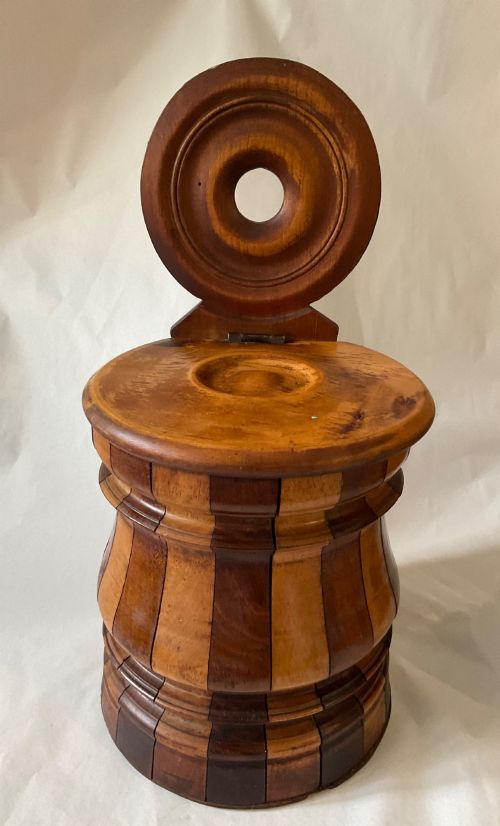
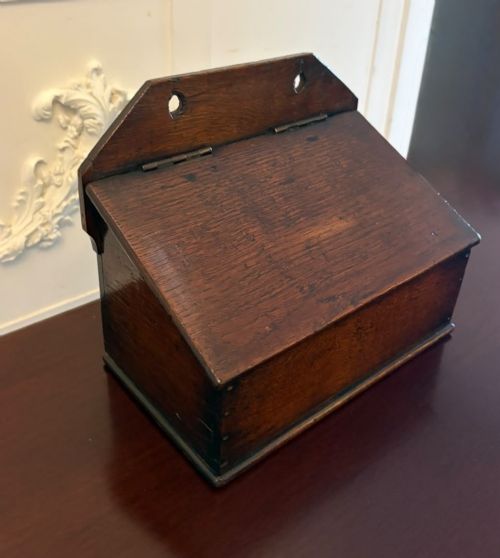
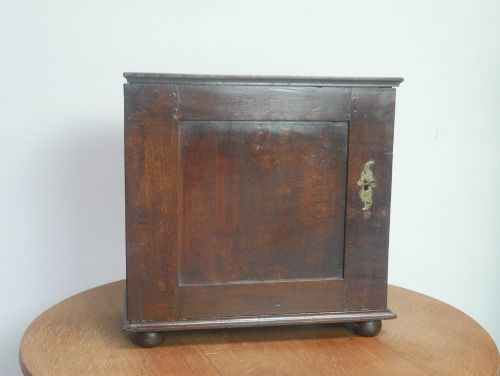
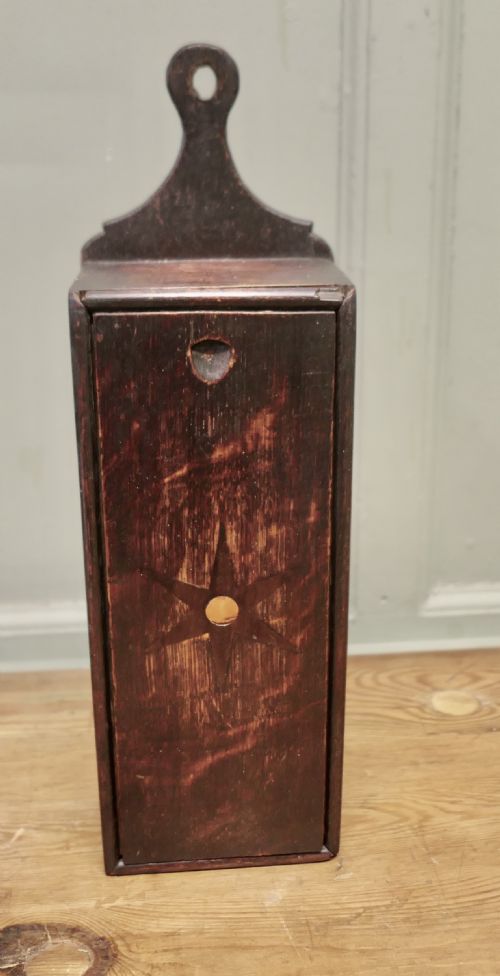
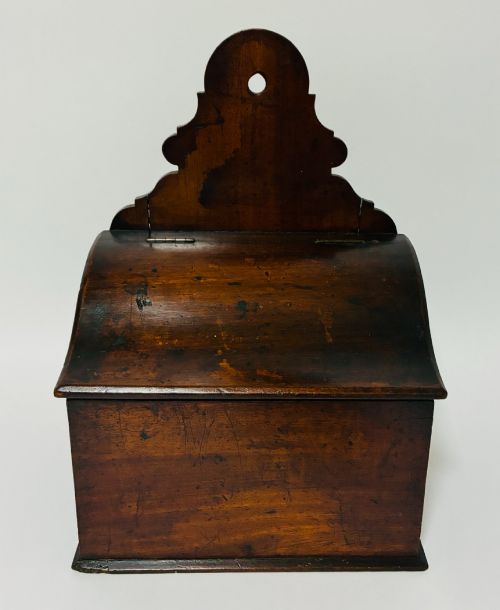
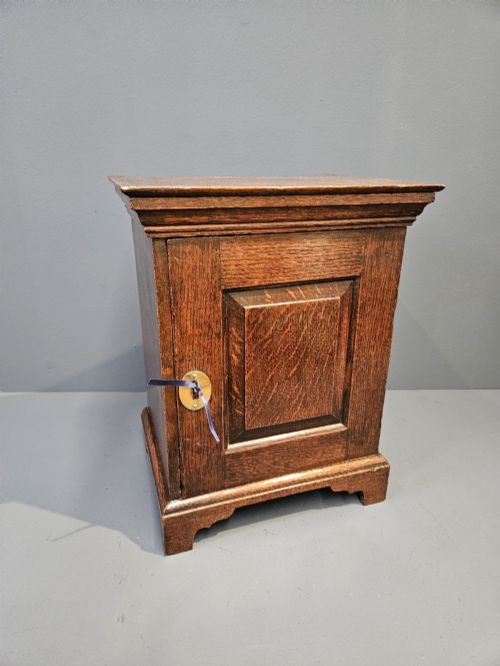
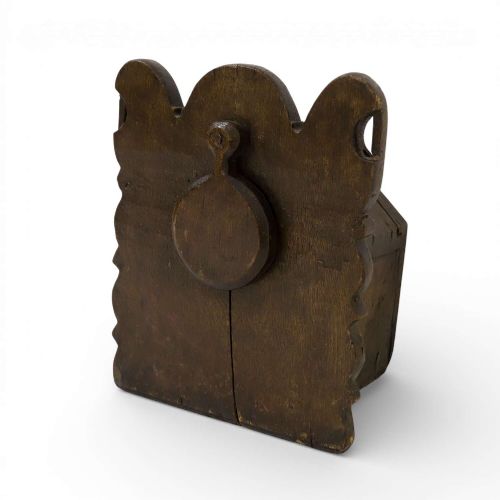
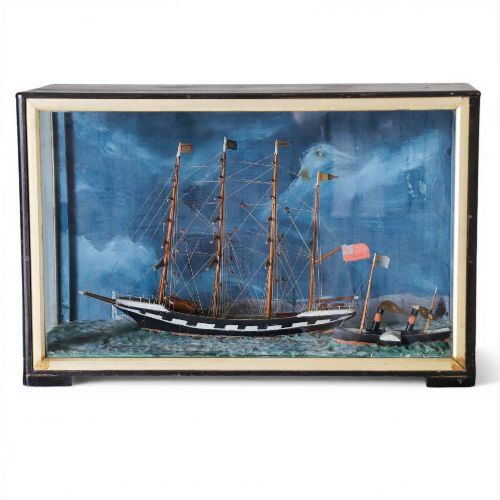
When you search for an antique wall box, you encounter a varied group of utilitarian vessels designed to hang in domestic spaces, workshops and halls. The selections range from deep candle and salt boxes of the seventeenth and eighteenth centuries to small spice cupboards, key cabinets and maritime dioramas.
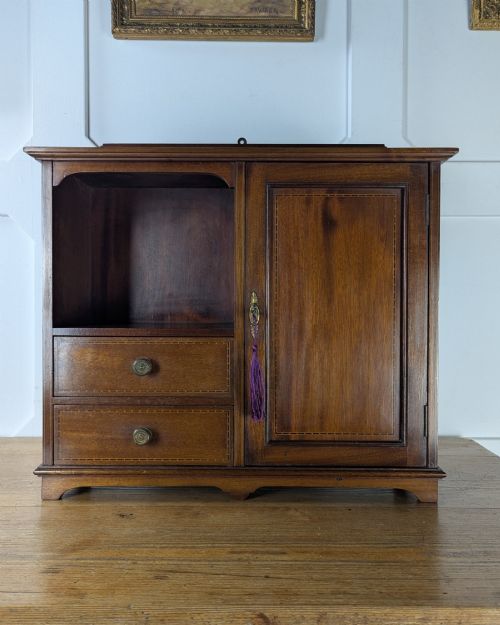
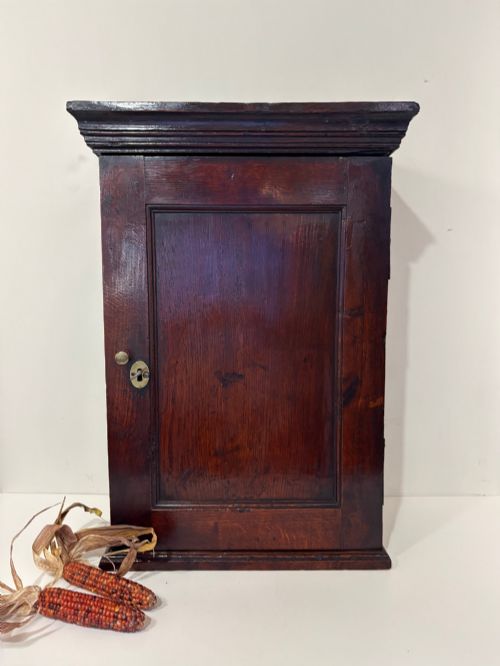
Oak predominates among the earlier pieces, joined by mahogany, fruitwood and pine as tastes and regional availability shifted. Forms vary from simple lidded pockets meant to hold taper candles to architectural spice cupboards fitted with small internal drawers.
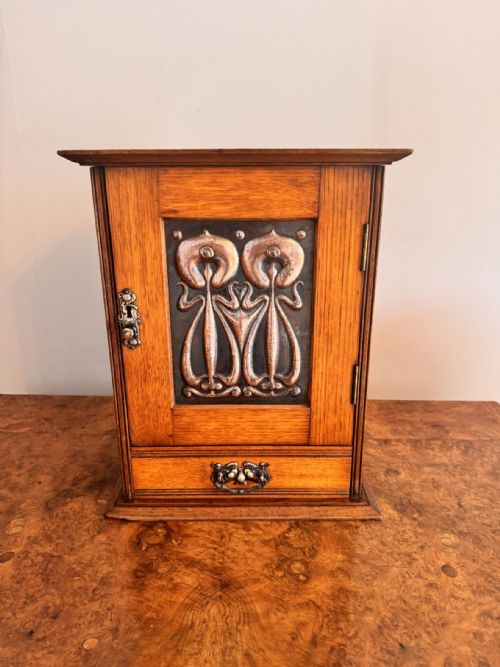
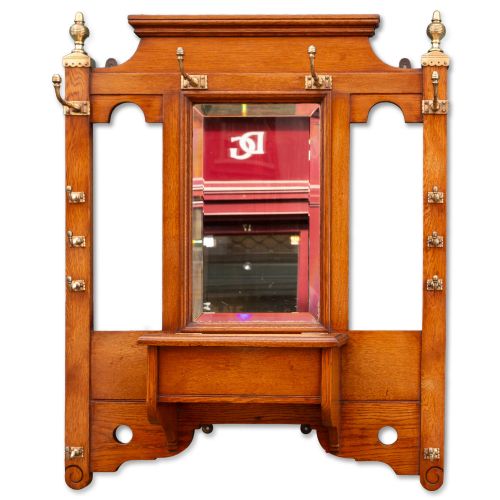
Victorian and later examples introduce specialised uses, including smokers cabinets, coat racks and shadow box dioramas, yet the core function remains the safe, wall-mounted containment of household goods.
Materials and Technique
Cabinet makers built these pieces using solid timbers such as oak, mahogany and elm, often employing pegged mortise and tenon joints or simple dovetailing on smaller compartments. Grain direction and timber selection determined how well a board withstood seasonal humidity changes against a plaster or wood wall.
Hardware played an essential structural role, with hand-forged iron hinges, latches and brass hooks providing the mechanical strength needed for daily opening and closing. Surfaces received varying treatments, from clear wax finishes that preserved the bare timber to traces of red paint and decorative inlay.
Listings feature oak most frequently among woods, followed by mahogany and pine across centuries of domestic production.
Evaluating Construction and Age
Quality rests upon the integrity of the timber and the retention of original components, particularly backboards, hanging loops and hardware. Replacements to hinges or lids alter the historical standing of a piece.
Subtleties of proportion and carving distinguish utilitarian items made by local joiners from finer urban productions. Crispness in the mouldings, the dovetail work on internal partitions and the depth of patination accumulated through generations of handling separate ordinary boxes from exceptional survivals.
The Antique Wall Box Glossary
- Candle Box
- A wall-hanging receptacle designed to store tallow or wax tapers safely away from household pests. These typically feature a sliding or hinged lid and a shaped backboard with a hanging hole.
- Spice Cupboard
- A small wall-mounted cabinet containing multiple internal drawers for storing valuable culinary spices. They frequently date to the seventeenth and eighteenth centuries in oak.
- Salt Box
- A lidded container used to keep kitchen salt dry near the hearth. Many surviving examples feature a sloping lid designed to deflect moisture.
- Diorama
- A three-dimensional scenic display enclosed within a glazed box. Maritime examples often depict sailing ships using painted backgrounds and detailed model rigging.
- Smokers Cabinet
- A small glazed or solid-door wall cupboard produced during the late nineteenth and early twentieth centuries to house pipes, tobacco and matches.
Antique Wall Box: Frequently Asked Questions
What did they store in wall boxes?
Households used these containers for perishable or fragile goods that required protection and immediate accessibility. Common contents included tallow candles, kitchen salt, spices, letters and personal keys.
Over time, specialised forms emerged for specific domestic tasks, transitioning from utilitarian kitchen vessels to decorative hall cabinets and smokers cupboards.
How do I hang an antique wall box safely?
Most antique wall boxes utilise original hanging loops, slot brackets or shaped backboards pierced with mounting holes. It is essential to distribute the weight across appropriate wall fixings rather than relying solely on the aged timber structure.
Checking the stability of the backboard joints ensures the box can support its own weight and any stored contents without placing undue stress on historical fixings.
How can I tell an 18th-century box from a later copy?
Examination of the timber surfaces, tool marks and construction methods reveals the chronological layer of a piece. Eighteenth-century examples often display hand-sawn board marks, pegged joints and forged iron hardware that match period manufacturing techniques.
Patination also plays a role, as genuine age produces a deep, uneven accumulation of wax and friction gloss around frequently touched areas like lids and hanging points.
Were these boxes made for kitchens or halls?
Placement depended entirely on the specific form and function of the box. Salt and candle boxes belonged near the hearth or kitchen workspace where fuel and seasoning were constantly required.
Conversely, key cabinets, mirror valets and glove boxes populated the hallway or boot room, serving guests and family members as they entered or left the house.