
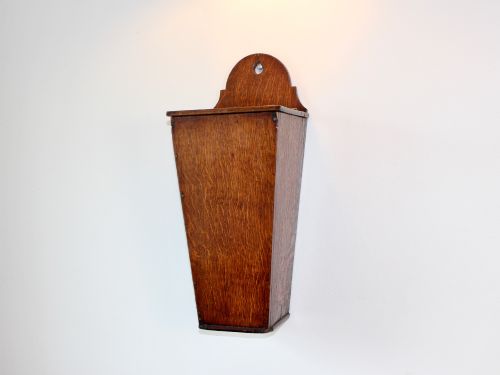


Antique Wall Candle Box
An antique wall candle box is a practical domestic hanging storage piece made to hold tallow dips safely away from mice, combining everyday utility with rich timber character.
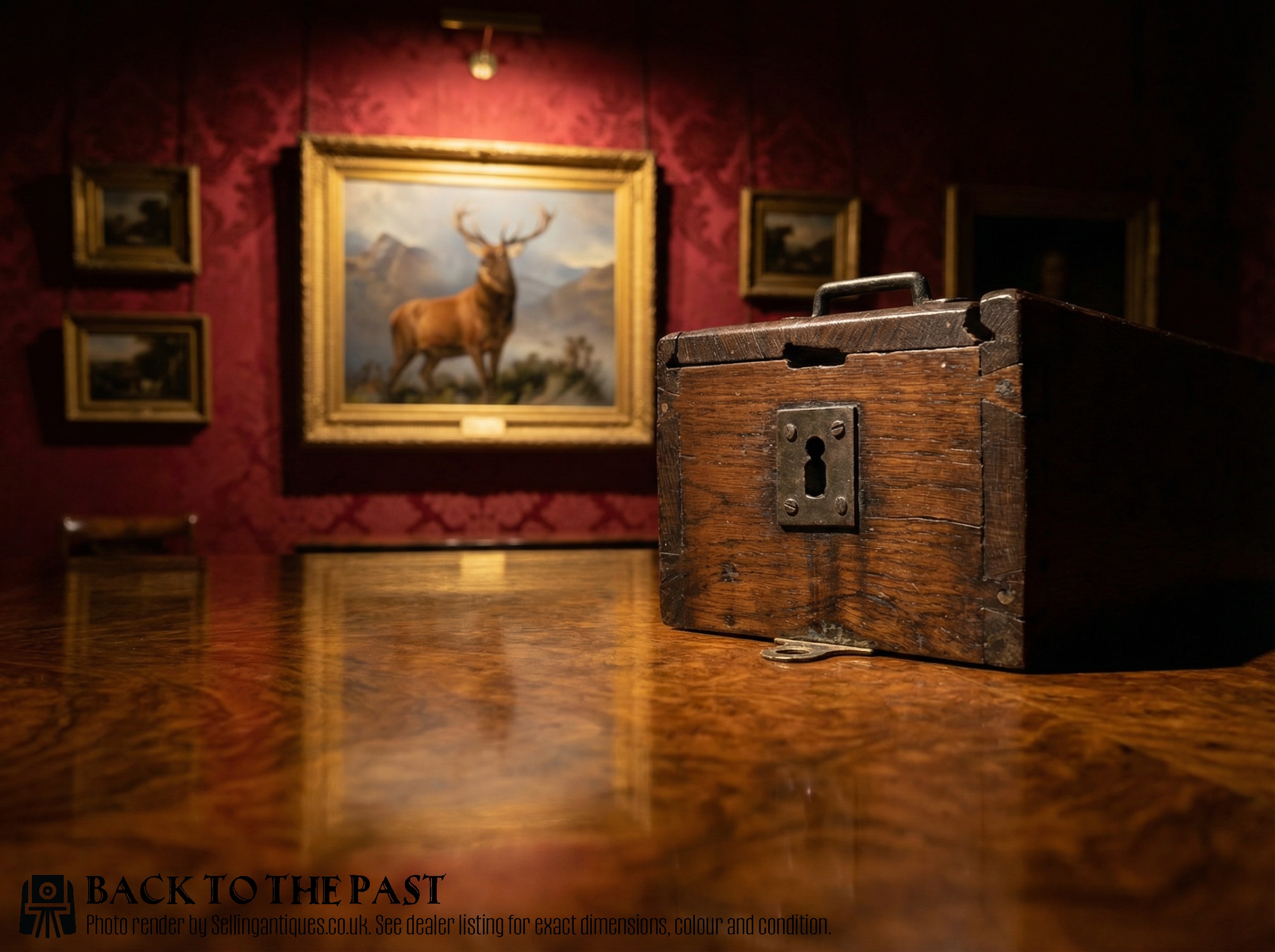
Antique Wall Candle Box
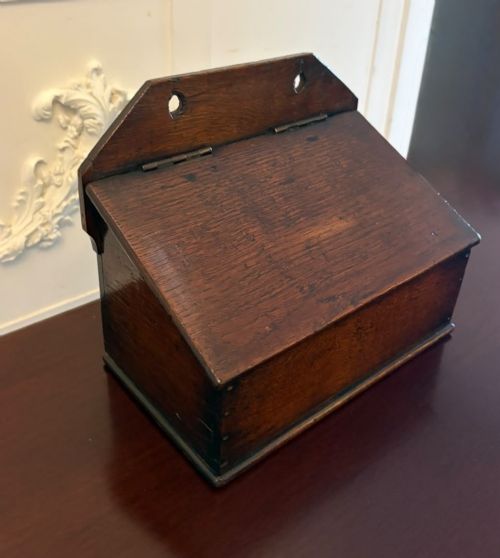
An antique wall candle box is a compact domestic storage container designed to hang securely from a wall, keeping fragile tallow or wax dips safe from household pests. The selection on this page centres predominantly on 18th century and Georgian examples, alongside later Victorian interpretations and continental pieces.
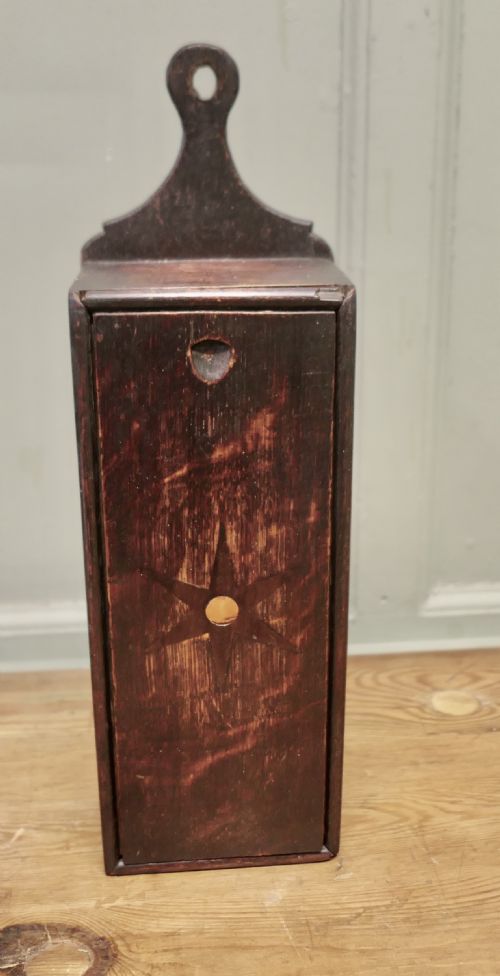
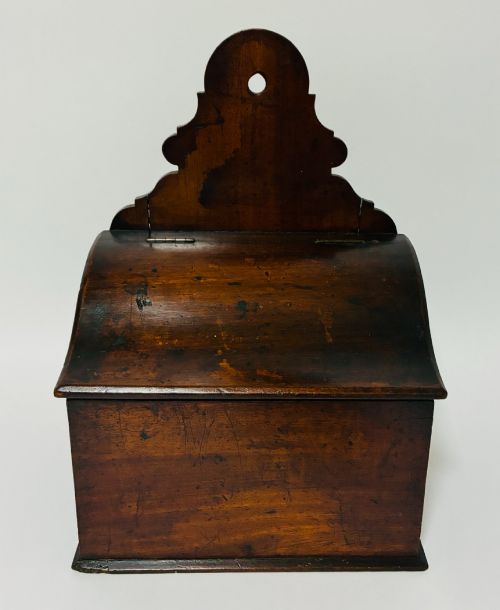
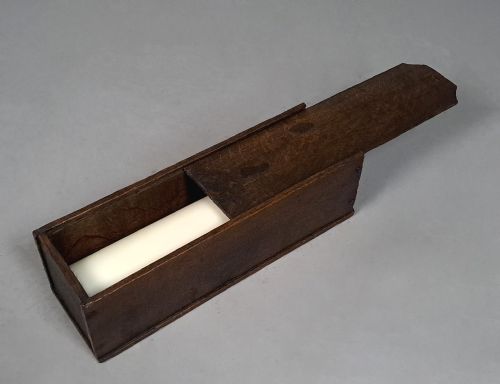
The dominant material across these listings is oak, accompanied by mahogany, pine, and occasional boxwood inlay, reflecting the domestic woods available to makers of the period. Forms range from simple tapered rectangular boxes to those featuring divided interiors, drawers, or shaped lids designed to shed dust.
These pieces served as essential household equipment before the general adoption of gas and electric lighting, often hung near the hearth or in hallways for easy access. Surviving examples demonstrate the vernacular ingenuity of English, Welsh, and Dutch makers who balanced robust construction with domestic convenience.
How they were made
Maker construction relied heavily on solid timber boards joined with traditional methods, utilising durable oak and pine fashioned into rectangular wall-hanging bodies. Iron hardware such as hinges and latches, along with occasional brass elements, provided functional strength for daily opening and closing.
Surface treatments included natural waxed finishes, traces of early red paint, and decorative boxwood inlay that elevated utilitarian objects into considered domestic furnishings. Carving appeared on later Victorian iterations, while earlier vernacular pieces relied on the natural grain and pegged joinery for visual interest.
What varies in quality
Quality in these pieces rests upon the integrity of the timber selection and the retention of original hardware, such as hinges, latches, and hanging brackets. Superior examples display thoughtful proportions, such as tapered rectangular bodies or distinctive lid shapes, rather than purely utilitarian assembly.
The presence of untouched surfaces, whether historic red paint traces or deep patinated oak, distinguishes better-preserved specimens from those stripped or heavily altered over time. Finer execution shows in crisp peg joinery and well-fitted interiors, including divided compartments or small storage drawers.
The Antique Wall Candle Box Glossary
- Taper
- A slender candle or wax-dipped wick used for lighting rooms or transferring a flame from the hearth. Tapers were frequently stored alongside standard candles in hanging wall boxes.
- Spill box
- A small vertical container designed to hold thin strips of folded paper or wood used to light pipes and fires. These are often found combined with candle box forms.
- Vernacular
- Everyday objects made by regional craftsmen for local use, following traditional local styles rather than high-fashion academic designs. Much of the oak and pine furniture here falls into this category.
- Treen
- Small handmade wooden household objects and utensils created before the advent of mass-manufactured plastics and metalwares. Candle boxes sit comfortably within this broad collector category.
Antique Wall Candle Box: Frequently Asked Questions
Where were candle boxes hung?
These boxes were typically positioned near fireplaces, doorways, or stairwells where artificial light was most frequently needed during evening hours. Hanging them high kept the valuable tallow or wax dips out of reach of household rodents.
Their placement ensured that family members could quickly grab a dip and a taper before moving through unlit rooms after dark.
Can I still use them for candles?
Many surviving examples remain structurally sound and capable of holding modern taper candles without issue. The original wall brackets and hanging holes allow them to be mounted securely in contemporary homes.
Care should be taken with older timber and historic surfaces, ensuring that modern mounting hardware does not stress the original backboards.
How do I spot an 18th century box?
Eighteenth-century examples generally feature pegged timber construction, hand-sawn board marks, and early forged iron hinges rather than modern screws. The patination on oak and pine develops a deep, mellow warmth over centuries of handling and exposure to hearth smoke.
Construction details tend to be utilitarian yet robust, reflecting the practical domestic requirements of the Georgian period.
What is a salt and candle box?
Some dual-purpose vernacular boxes feature divided interiors or compartments intended to hold both domestic salt and lighting dips. Salt required dry storage near the hearth to prevent caking, making the wall box a convenient shared vessel.
These combination pieces demonstrate the resourceful use of wall space in compact period kitchens and living quarters.