

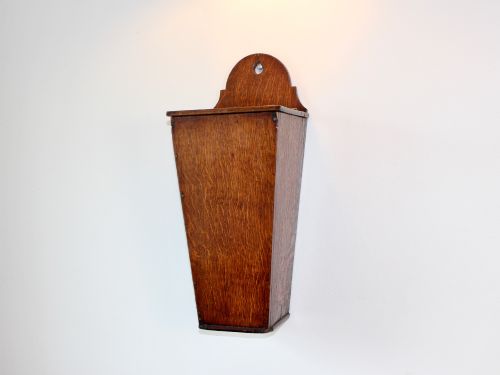


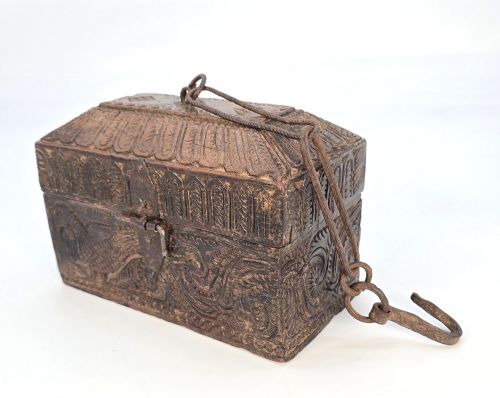


Hanging Wooden Box
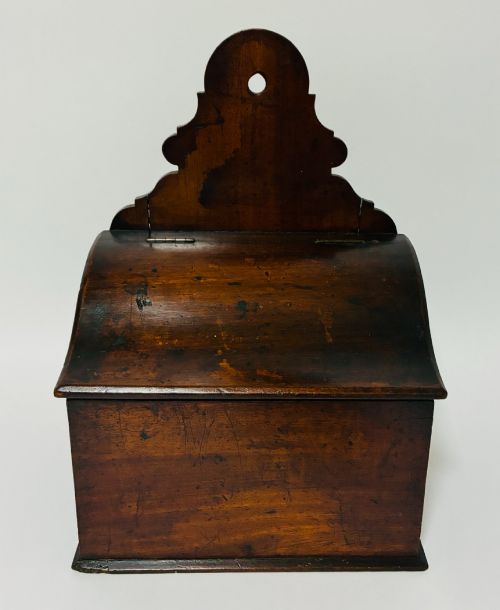
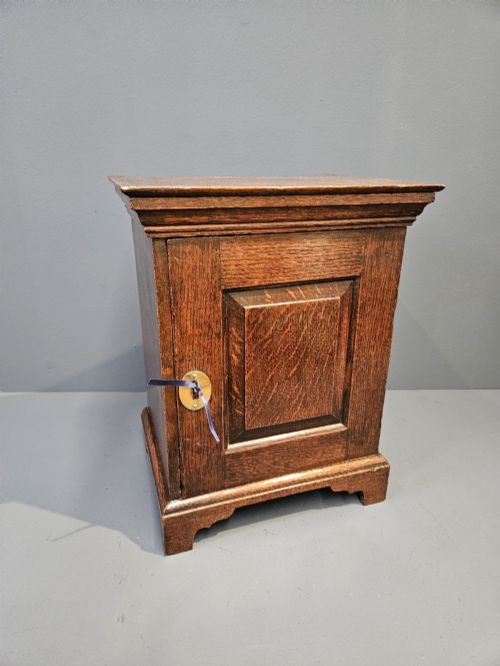
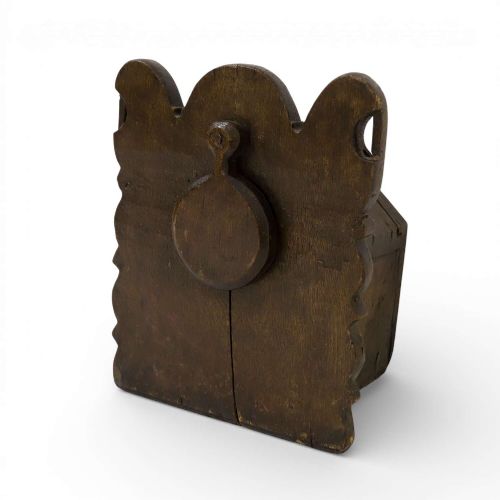
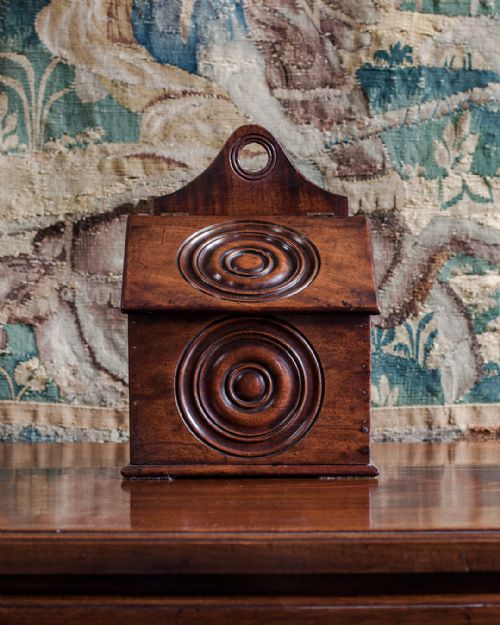
These hanging wooden box examples are functional wall storage vessels shaped by centuries of domestic utility.
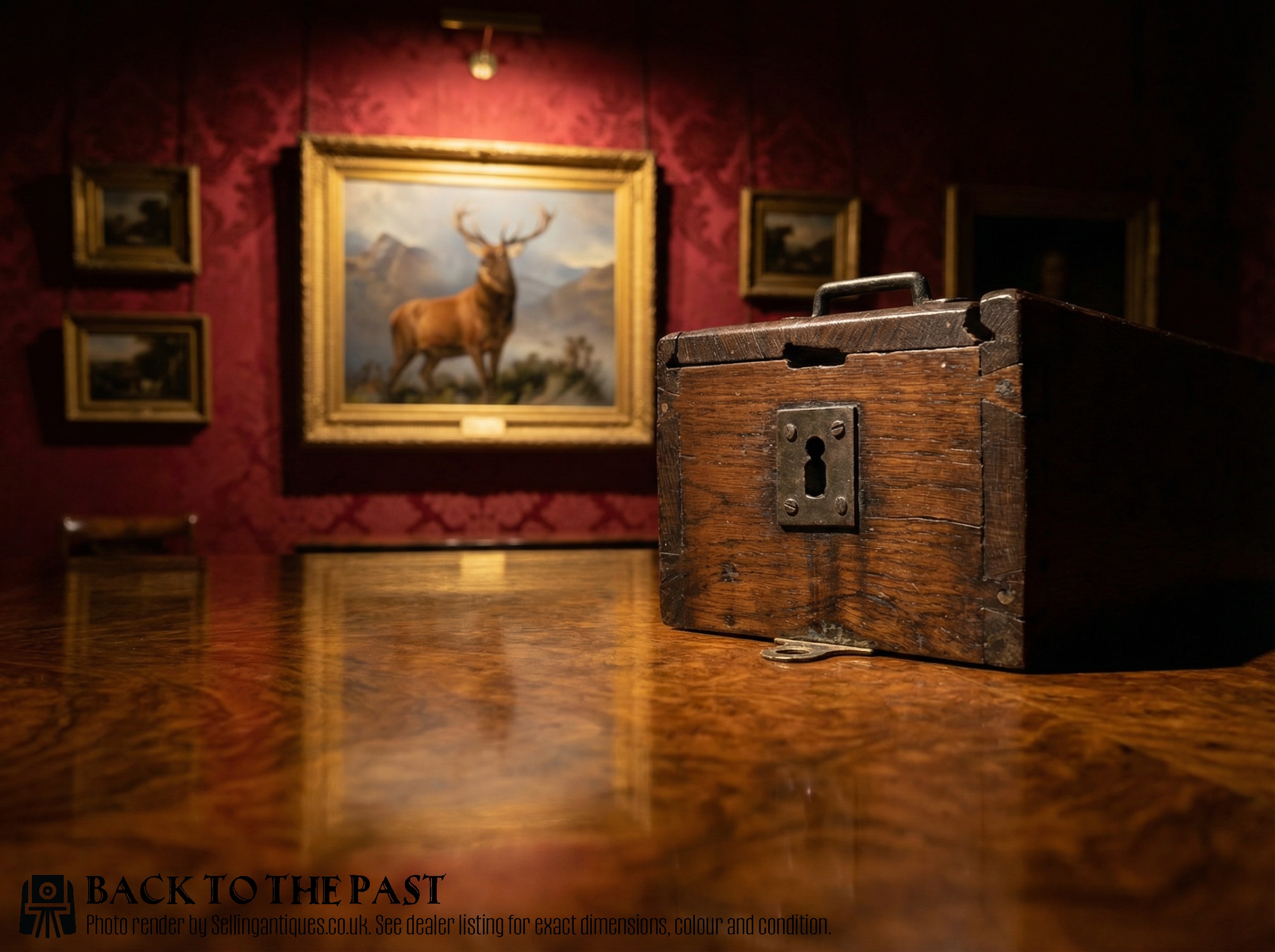
Hanging Wooden Box
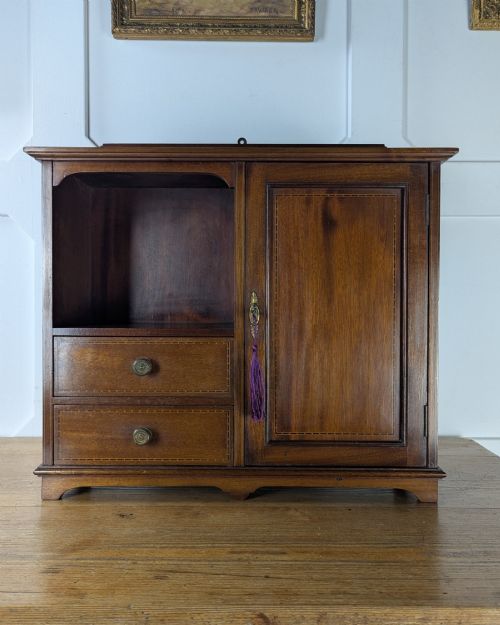
A hanging wooden box serves practical domestic storage needs, frequently taking the form of wall cabinets, candle boxes, salt boxes, and spice cupboards. These pieces originate across British, French, and Indian workshops spanning the seventeenth, eighteenth, and nineteenth centuries.
Materials and Construction
Carpenters relied predominantly on sturdy native timbers such as oak, mahogany, and pine to build these wall receptacles. Joinery methods matched the utilitarian purpose of each piece, keeping weight manageable for wall hanging.
Makers incorporated functional metal elements including brass and iron hardware, alongside glass panels in cabinetry. Occasional decorative choices included red paint traces, carved surface details, and satinwood inlay.
Object forms range from simple salt boxes and spice cupboards to complex dioramas and key cabinets.
Build and Integrity
Superior examples demonstrate crisp execution in carved elements and tighter tolerances in joinery. Timber selection also dictates grade, with finely figured mahogany and dense seventeenth-century oak holding higher regard.
The survival of original surface finishes, such as historic red paint traces or untouched patination, elevates an example. Retaining period iron hinges and brass latches preserves the original character of the hanging wooden box.
The Hanging Wooden Box Glossary
- Candle Box
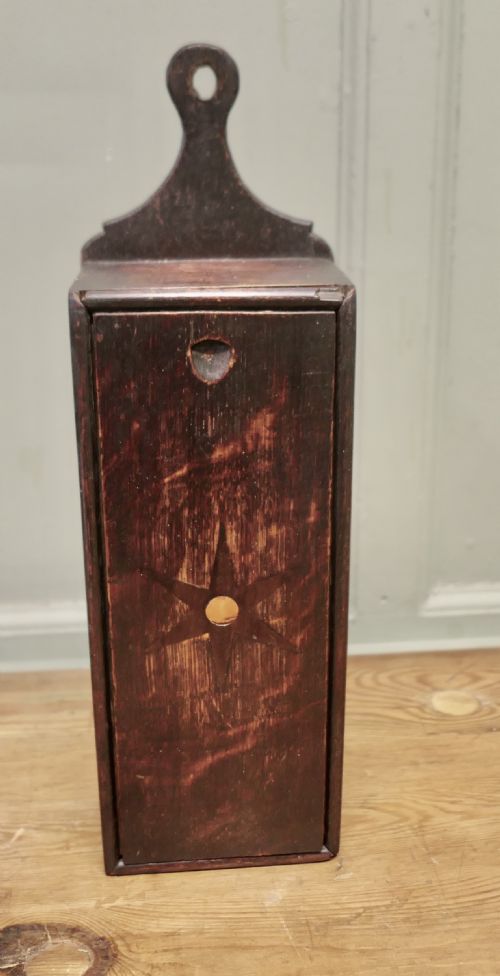
- A wall-mounted wooden receptacle designed to store tallow or wax candles safely away from pests. These pieces often feature a shaped backboard with a hanging hole.
- Salt Box
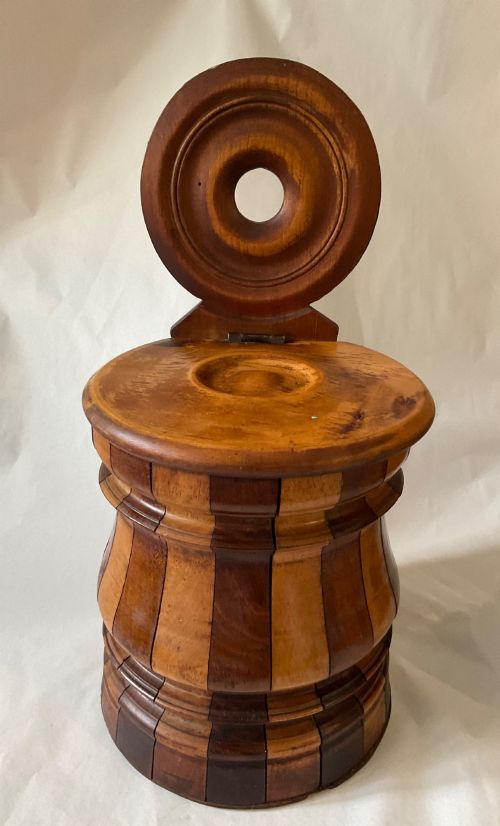
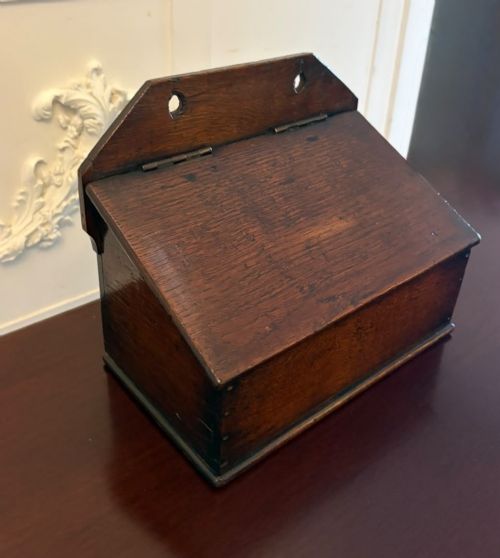
- A lidded domestic container utilised to keep kitchen salt dry near the hearth. They frequently display a sloping lid and a flat back for wall attachment.
- Spice Cupboard
- A small hanging cabinet enclosing numerous tiny internal drawers for culinary ingredients. Examples often date to the Georgian and earlier periods.
- Treen
- Small handmade wooden household objects created before the advent of modern plastics. This term covers items like boxes, spoons, and string holders.
- Mauveineware
- Souvenir wooden items decorated with photographic transfers and tartan patterns, popular during the nineteenth century. They are turned on a lathe from woods like maple.
Hanging Wooden Box: Frequently Asked Questions
What rooms suit a hanging wooden box?
These utility pieces fit naturally in kitchens or hallways where wall storage remains practical. Their compact footprints allow them to utilise vertical wall space effectively.
Historic candle and salt boxes bring warmth to modern interiors while serving as small organizers for everyday items.
How do I hang a heavy antique box safely?
Examine the original mounting points on the backboard to determine weight distribution. Ensure fixings anchor directly into wall studs rather than relying solely on plaster.
Professional wall brackets can support heavy oak cabinetry without altering the historic timber frame.
How are 18th century boxes told apart from 19th century ones?
Early pieces from the seventeen and eighteenth centuries typically display hand-cut joinery and heavy oak construction. Surface wear patterns often reveal decades of hearth use.
Nineteenth-century examples frequently incorporate machine-sawn elements, softer pine timbers, or decorative veneer work like satinwood inlay.
Did these boxes always hang on walls?
Most variants featured pierced backboards specifically engineered for wall suspension near fireplaces or doorways. This kept contents dry and away from floor dampness.
Certain spice cupboards and cabinet forms could alternatively sit flat on tabletops depending on kitchen layouts.
What maintenance do old wood boxes need?
Keep wooden surfaces away from direct sunlight and excessive humidity to prevent timber splitting. A light application of appropriate wax preserves the historic finish.
Avoid chemical cleaners that might strip original patination or historic paint traces.