
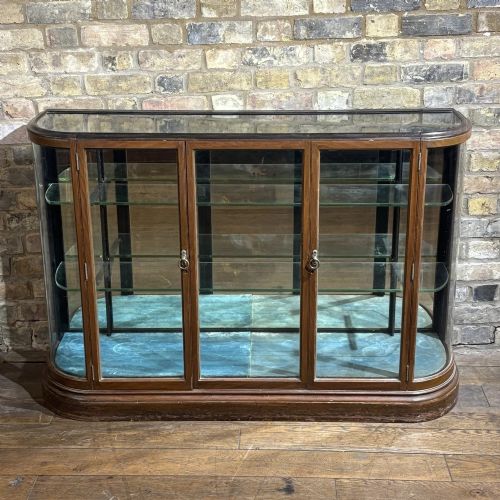


Edwardian Shop Display Counter
An edwardian shop display counter brings historic mercantile character into a room, offering glazed visibility and sturdy timber housing for cherished collections.
Edwardian Shop Display Counter
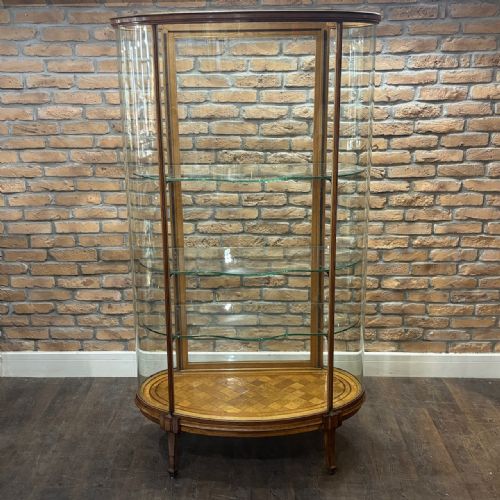
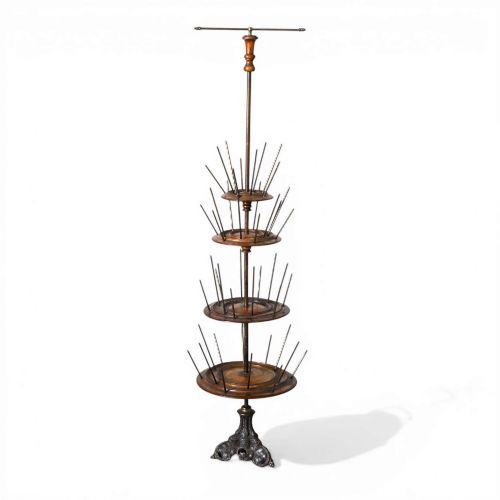
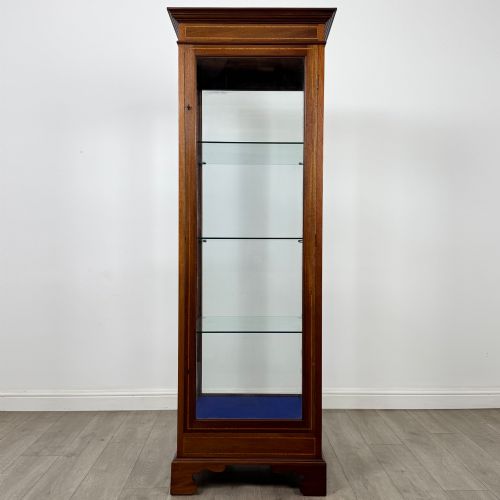
When you search for an edwardian shop display counter, you encounter pieces designed to showcase merchandise in retail spaces during the early twentieth century and surrounding decades. The selections span compact countertop glass cases to large freestanding shop display counters and haberdashery units.
Mahogany and oak form the primary timber framework across the Edwardian, Victorian, and 1920s eras. Makers constructed these items primarily for functionality in shops, utilising glass panels and mirrored interiors to maximise light on display.
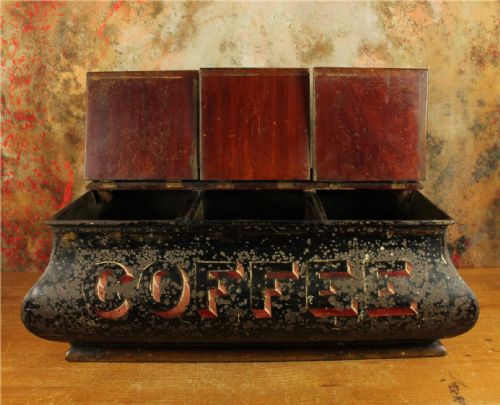
The objects on this page range from specialised apothecary and chocolate cabinets to general retail display stands and storage boxes. These survivors of commercial interiors now serve domestic settings as display furniture.
Materials and Construction
Makers built these commercial units using solid hardwoods like mahogany and oak, frequently housing them with large sheets of glass to protect goods while maintaining visibility. Brass hardware, cast iron supports, and velvet linings appear across the pieces.
Joinery methods prioritized durability for daily retail use, integrating sliding doors, drawers, and mirrored back panels. Some examples incorporate sign-written branding or gold leaf detailing associated with period confectioners and merchants.
Listings feature oak and mahogany construction alongside glass, brass, and cast iron elements from the Victorian and Edwardian periods.
Distinctions in Standard
The distinction between standard commercial units and superior examples rests in the refinement of the timber and the complexity of the glazing. Bow-end fronts and finely inlaid mahogany elevate the architectural presence of a cabinet.
Original signage, intact mirrored interiors, and specialised trade attribution distinguish exceptional shop fittings from utilitarian storage boxes. The integrity of the original glass and brass fittings determines the overall character.
F. Sage & Co·Manoah Rhodes & Sons Ltd
The Edwardian Shop Display Counter Glossary
- Haberdashery counter
- A long retail unit featuring multiple drawers and glazed compartments designed for selling small sewing goods and textiles. These counters provided efficient organisation in Edwardian drapery shops.
- Countertop display cabinet
- A smaller glazed case placed upon a main shop counter to entice customers with confectionery, jewellery, or tobacco. They lifted goods closer to eye level during transactions.
- Toleware
- Painted or japanned metalware utilised for storage and display boxes in commercial and domestic settings. The technique added durable colour and decoration to tin items.
- Bow end
- A curved glass or timber front that softens the corners of a display cabinet. This curved construction required skilled glazing techniques.
Edwardian Shop Display Counter: Frequently Asked Questions
Where were these counters used?
Merchants placed these units in drapery shops, grocery stores, and confectioners to hold and present stock. They stood behind or upon main service areas for customer viewing.
Today, collectors repurpose them in homes as display furniture for small items, jewellery, or kitchenware.
How do I clean the glass?
Use a gentle glass cleaner and a soft cloth, taking care near old timber frames and painted lettering. Avoid harsh chemicals that might damage antique finishes or gold leaf.
Inspect the edges where glass meets wood to ensure moisture does not seep into the old joinery.
Can I use a countertop case at home?
These smaller glazed cases sit easily on modern sideboards or tables to hold collections of ceramics or curiosities. Their glass panels keep dust away while keeping contents visible.
Ensure the surface supports the weight of the timber and glass structure safely.
What timber was used most?
Mahogany and oak dominate the construction of these commercial display pieces. Cabinet makers selected them for their structural strength and polished appearance.
Some pieces feature inlaid details or softer hardwoods depending on the maker and the intended retail environment.