
Wooden Clothes Press
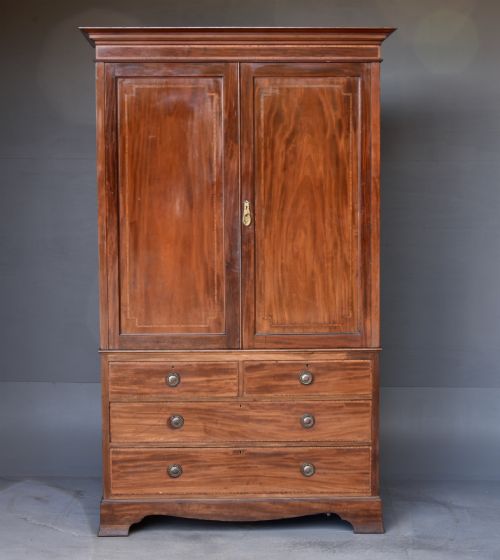
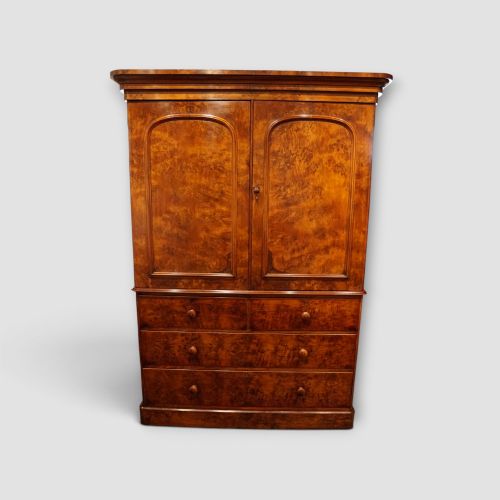
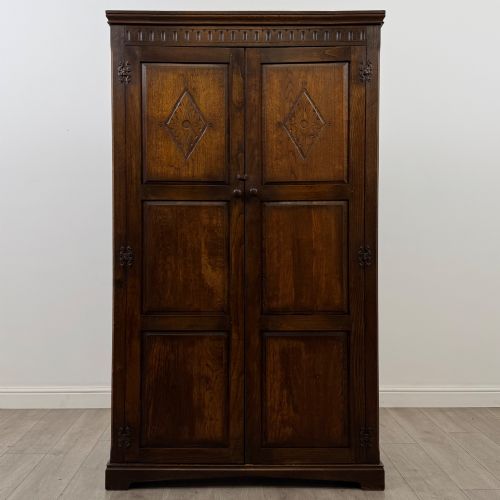
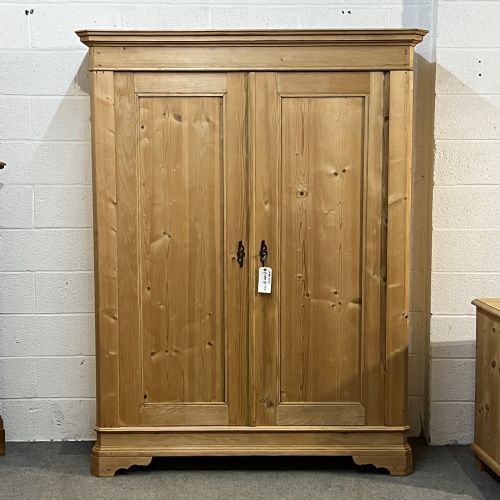
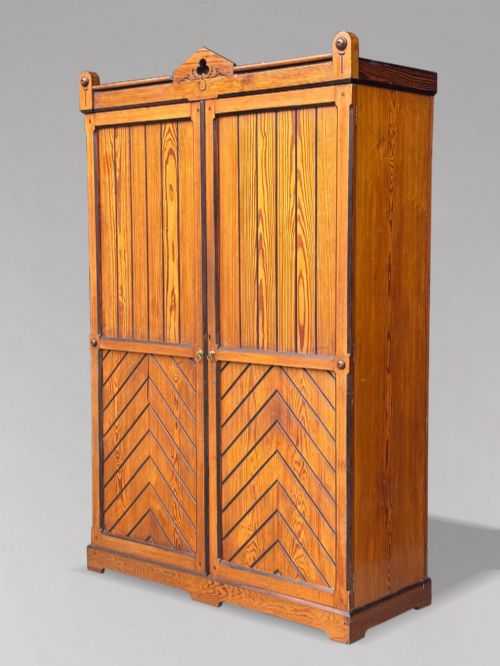
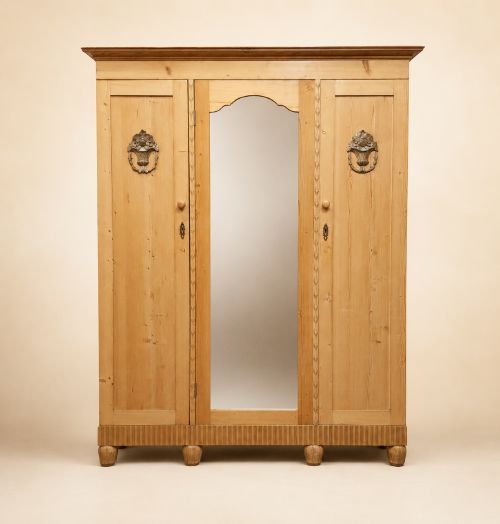
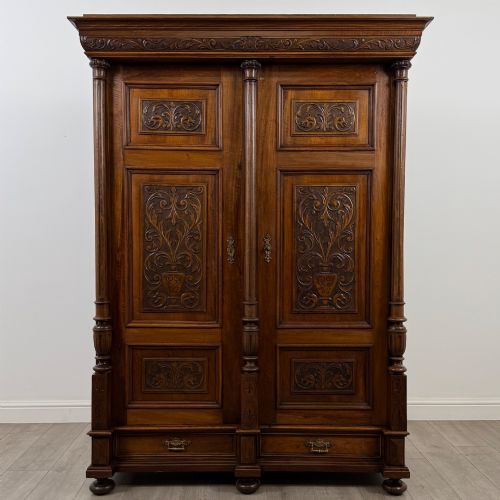
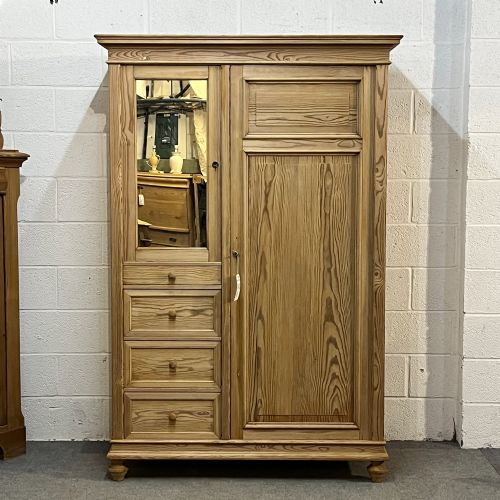
These wooden clothes press pieces offer substantial storage through fine period cabinetry, bringing historic character into a bedroom.
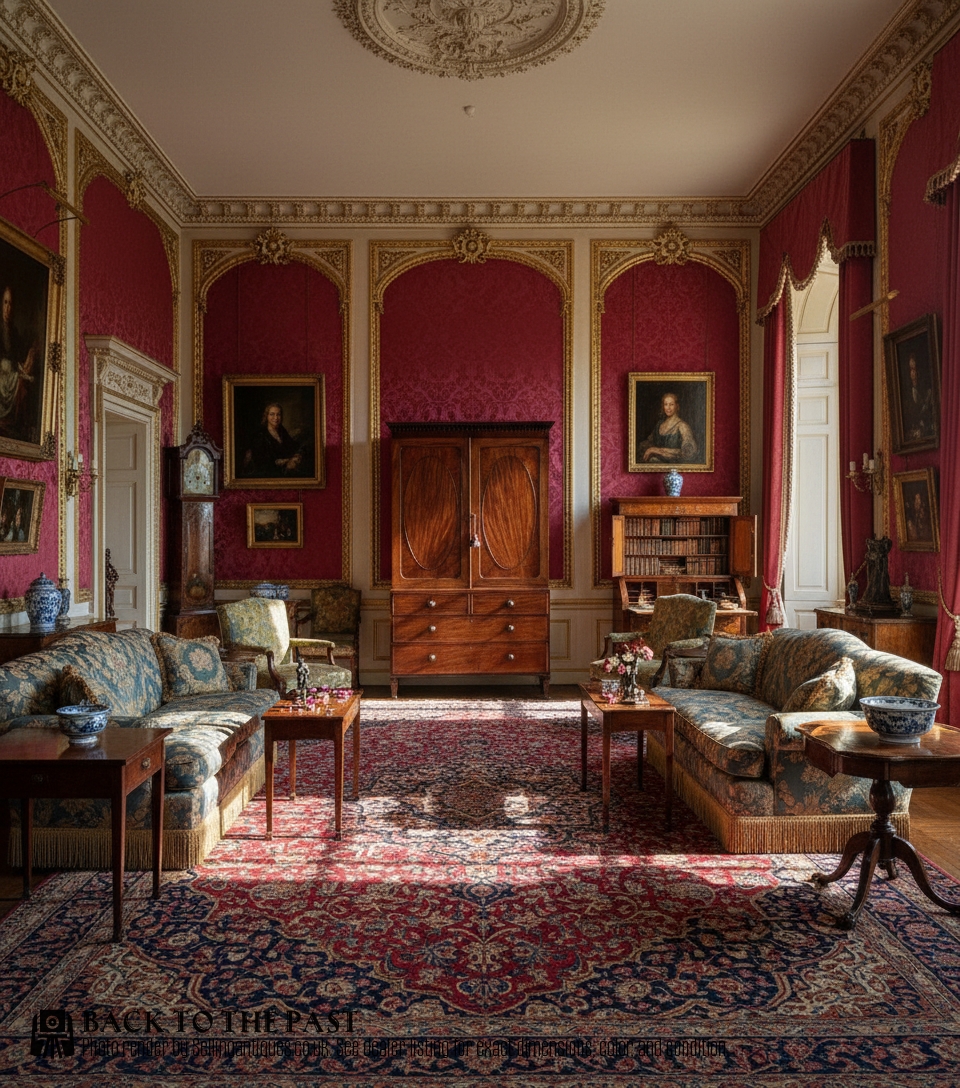
Wooden Clothes Press
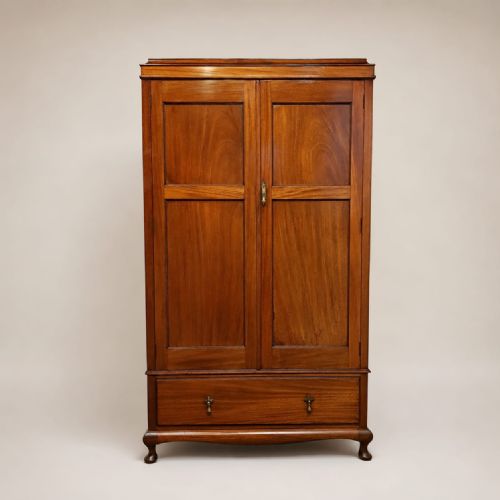
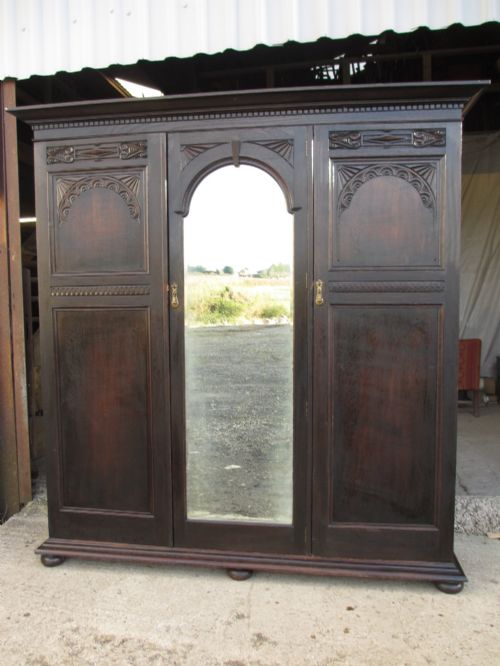
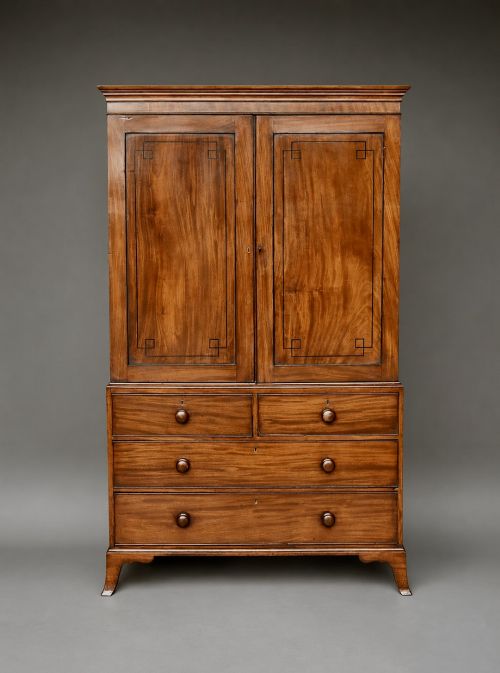
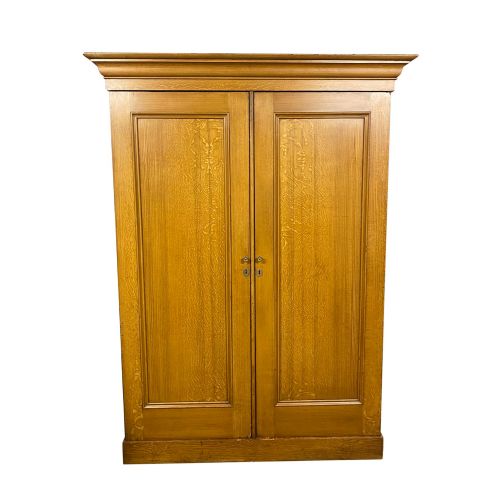
A wooden clothes press functions as a major storage cabinet for garments and linens, bridging the gap between traditional linen presses and modern wardrobes. When searching for a wooden clothes press, buyers encounter various large formats, including compactum wardrobes, gentleman's wardrobes, and traditional linen presses.
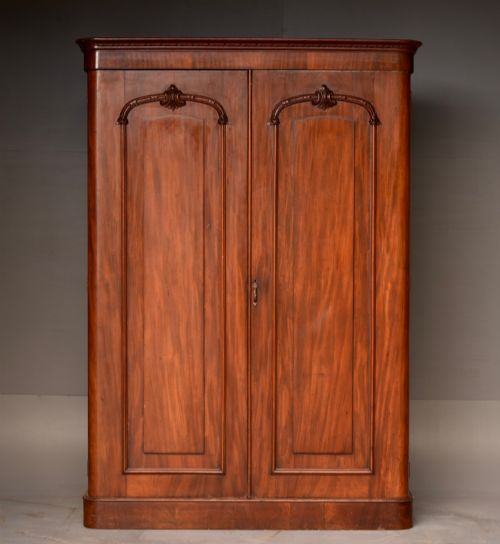
The selections span multiple centuries, with particular strength in Georgian, Victorian, and Edwardian examples. Pieces range from simple two-door pine cupboards to elaborate triple-door mahogany and burr walnut armoires fitted with internal drawers and hanging space.
Materials and construction
Cabinet makers utilised dense hardwoods like mahogany, oak, and walnut, frequently selecting flame mahogany veneers and burr walnut to create striking visual patterns on large doors. Softer timbers such as pine and ash appear in regional or vernacular pieces, sometimes treated with painted finishes or scumble faux oak effects.
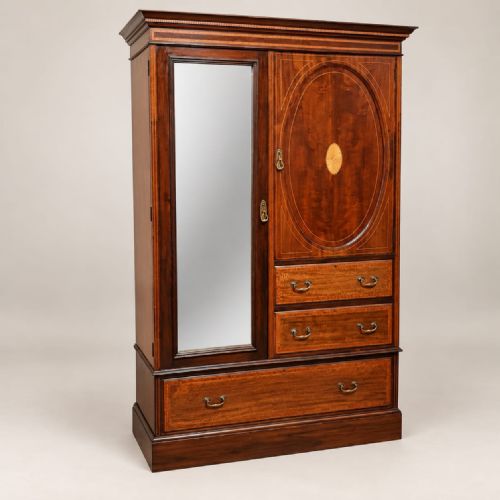
Joinery methods involved sturdy frame and panel construction designed to support heavy timber doors and internal sliding trays. Brass handles, glass mirror panels, and iron fittings complete the structural assembly of these substantial storage items.
Wooden Clothes Press Retail Price Guide 2026
Typical asking prices for wooden clothes press among the pieces listed under this phrase on Sellingantiques today, from the lower quarter to the upper quarter. They describe what is for sale here now, not the wider market.
Some nineteenth century pine pieces feature scumble paintwork, created when makers cleverly faked expensive oak grain using a brush and a steady hand.
Factors affecting quality
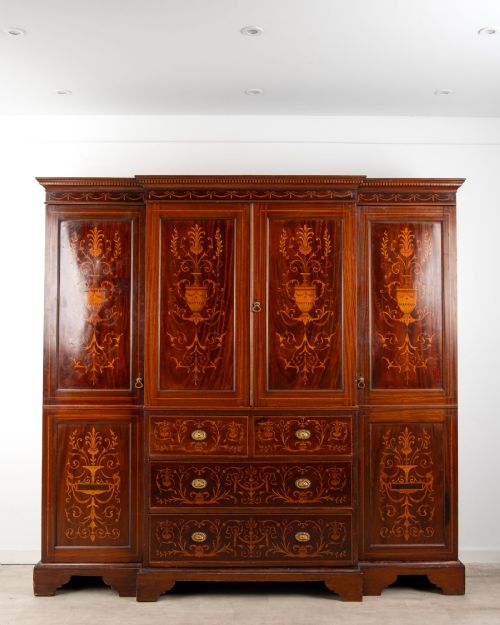
The refinement of the timber selection dictates the visual standing of each piece, distinguishing simple utilitarian cupboards from high-status cabinet work. Master craftsmen employed matched flame mahogany or intricate marquetry inlay, creating coherent facades that lesser workshops could not replicate.
Internal configuration and joinery precision also define superior examples, particularly where sliding linen trays, fitted drawers, and panelled partitions remain intact and smooth-running. The integration of architectural cornices, carved details, and original brass hardware indicates the original workshop investment.
maples & co·S & H Jewell
The Wooden Clothes Press Glossary
- Compactum
- A fitted wardrobe containing a combination of hanging space, drawers, and linen shelves within a single footprint. This clever layout maximises interior storage without demanding excessive floor area.
- Linen Press
- A tall storage piece traditionally designed with sliding trays or shelves in the upper section and drawers below. Originally intended for flat textiles, the form evolved to accommodate hanging garments.
- Gentleman's Wardrobe
- A specialised wardrobe divided internally to hold men's suits, shirts, and accessories. These pieces frequently incorporate internal drawers and tie rails behind panelled doors.
- Breakfront
- A cabinet design where the central section projects forward from the flanking wings. This architectural arrangement adds depth and shadow to large bedroom pieces.
- Scumble
- A decorative painting technique used to simulate natural wood grain on a plain timber base. Artisans applied a translucent glaze over a lighter ground colour to mimic expensive hardwoods.
Wooden Clothes Press: Frequently Asked Questions
How do I use a wooden clothes press today?
These large cabinets adapt well to modern bedrooms for hanging garments, folding knitwear, and storing bulky linens.
Internal configurations often combine hanging rails with traditional sliding trays, making them flexible primary wardrobes.
How do I identify a Georgian clothes press?
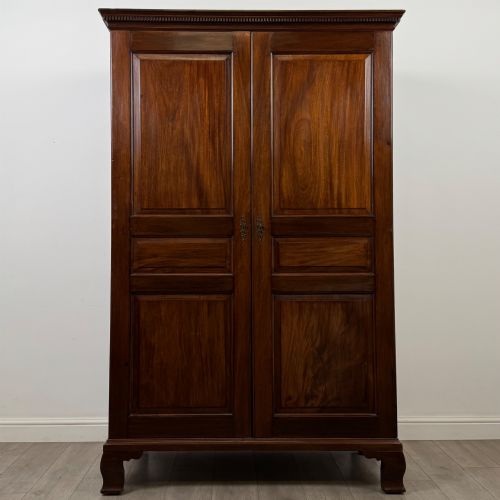
Georgian pieces display classical proportions, often executed in solid mahogany with bracket feet and dental moulding along the cornice.
Cabinet makers of this era focused on architectural dignity and fine timber grain rather than heavy carved ornamentation.
Will a large wooden clothes press fit in a modern room?
These pieces were built on a grand scale, particularly triple-door compactums and breakfront designs from the Victorian and Edwardian eras.
Ceiling height and hallway access require careful measurement before introducing such substantial furniture into a home.