
Victorian Clothes Cupboard
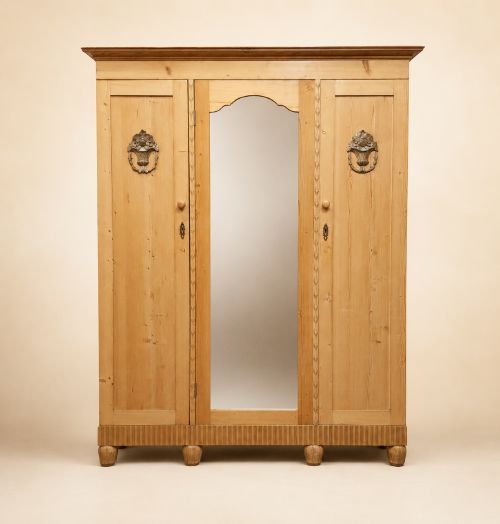
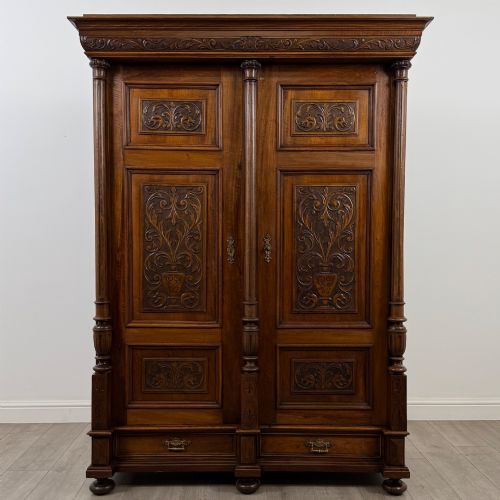
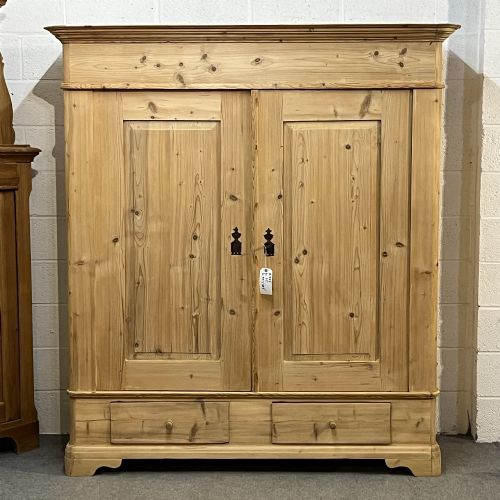
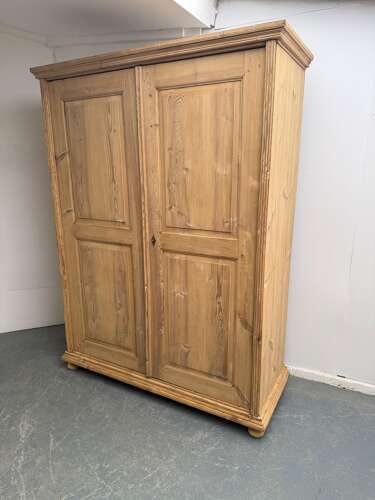
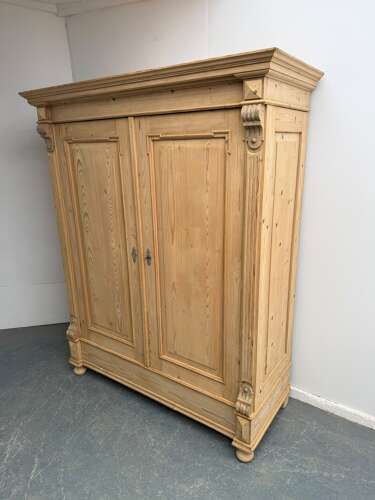
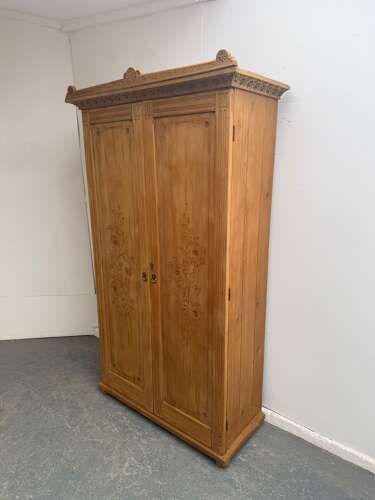
These victorian clothes cupboard designs are heavy timber storage pieces that bring architectural presence and deep utility to a bedroom.
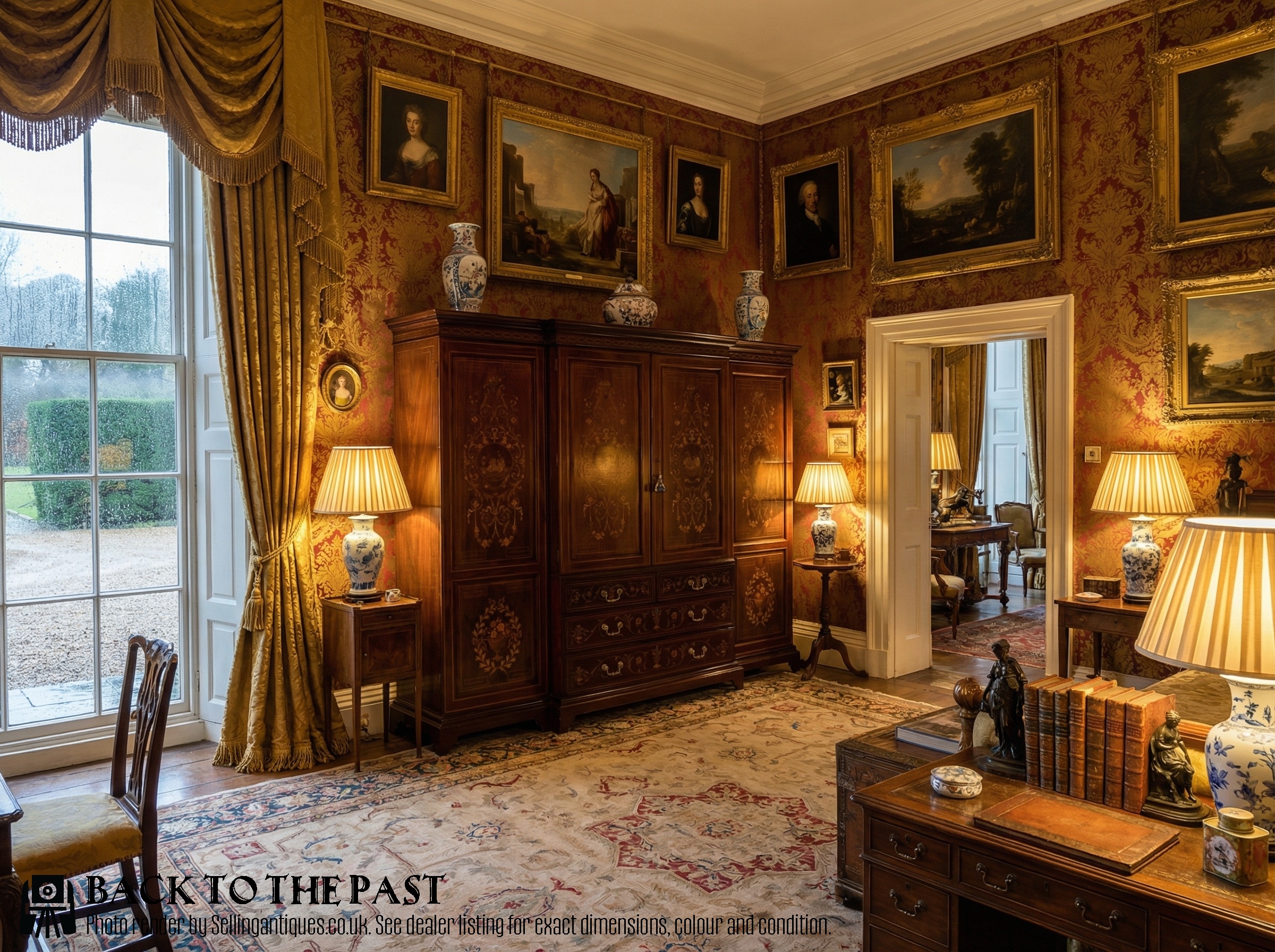
What victorian clothes cupboard pieces are
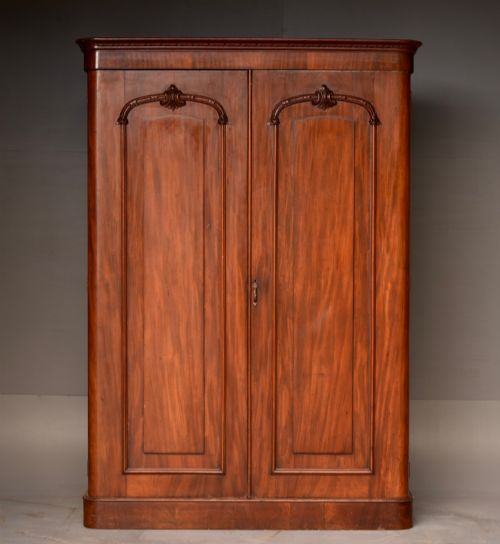
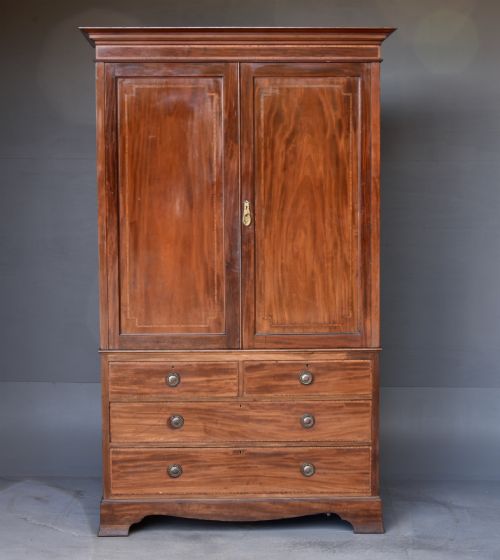
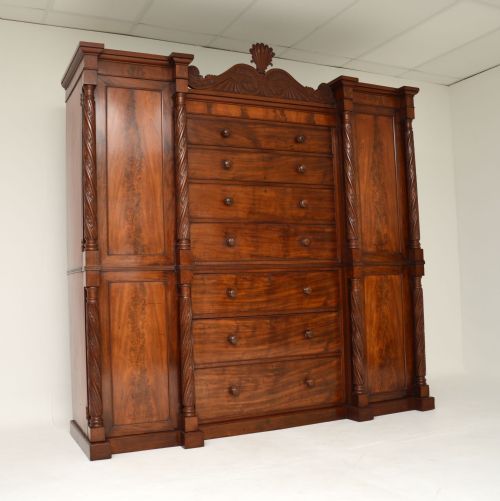
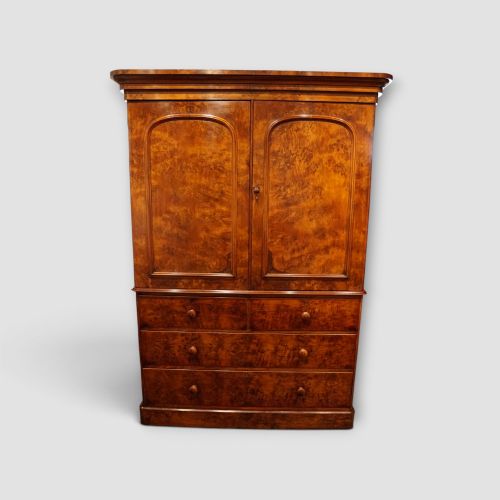
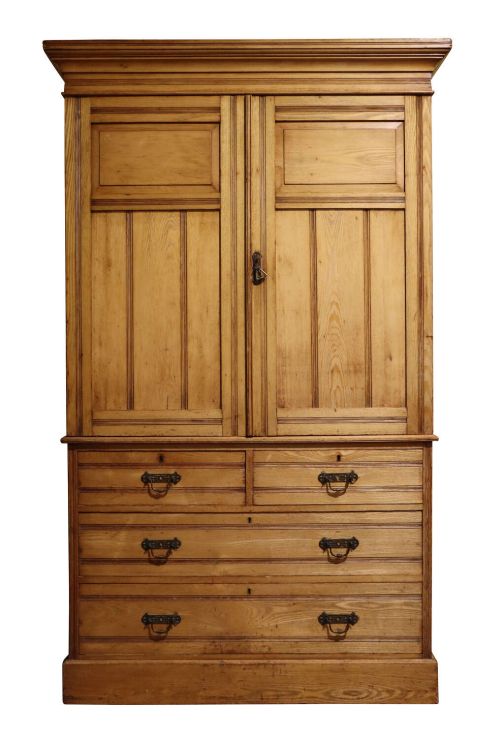
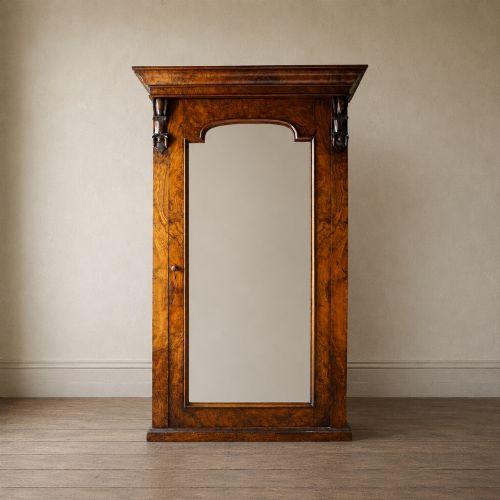
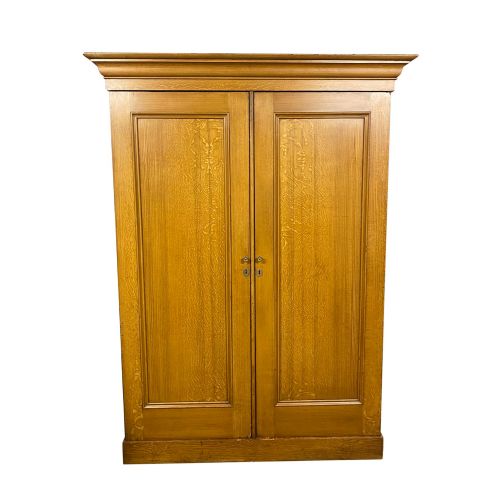
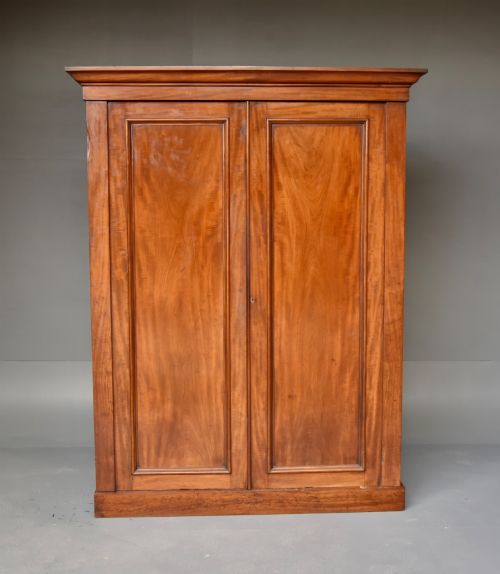
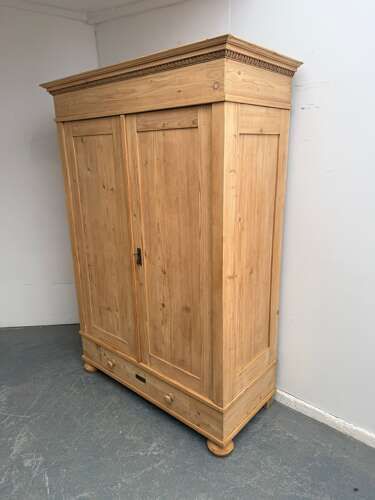
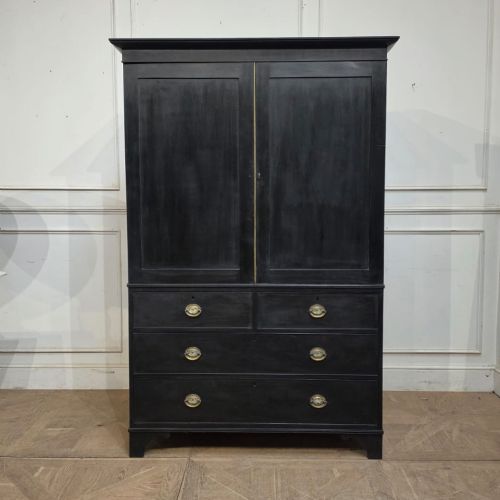
When you search for a victorian clothes cupboard, you encounter substantial freestanding furniture built to house garments and linens before fitted wardrobes became standard. The examples gathered here span the Victorian and Edwardian eras, appearing in forms such as double wardrobes, linen presses, and storage cabinets with drawers.
You are most likely to meet mahogany and pine carcass work on this page, alongside figured timbers like burr walnut and flame mahogany. Pieces range from plain vernacular pine knockdown wardrobes to elaborately fitted items bearing maker attribution.
The layout typically combines hanging space behind full-length doors with sliding trays, shelves, or internal drawer tiers housed in a lower chest section. These pieces demand dedicated floor space and ceiling height, rewarding the room with grand proportion and honest utility.
How they were made
Cabinetmakers built these carcases using dense hardwoods like mahogany and walnut, often applying flame mahogany or burr walnut veneers to display dramatic grain figures. Secondary woods such as pine appear in concealed structural areas and knockdown wardrobe frames designed for straightforward site assembly.
Surface ornament relies on natural timber figuring, marquetry inlay, and bright metal hardware cast in brass. Makers shaped panels with raised mouldings and fitted sturdy doors to enclose deep internal volumes intended for heavy garments and folded linens.
Retail Price Guide 2026
Typical UK retail prices for victorian clothes cupboard, calculated from the Sellingantiques database of over a million retail prices indexed since 2003. This retail price guide relies exclusively on Sellingantiques data; no external sources or auction records are used, so the figures do not describe the wider market.
Current listings demonstrate a material palette spanning mahogany, walnut, satinwood, burr walnut, flame mahogany, pine, and brass.
What varies in quality
Quality rests in the selection of timber veneer, where book-matched flame mahogany or burr walnut elevates a straightforward wardrobe into an ambitious architectural statement. The crispness of marquetry inlay and the retention of original brass furniture further separate standard utility pieces from high-workshop production.
Structural integrity and internal completeness dictate value, particularly whether sliding linen trays, original drawer divisions, and clothes hooks remain intact. Pieces bearing maker stamps from established firms demonstrate superior joinery and thoughtful interior planning compared to anonymous workshop output.
maples & co·Edwards & Roberts
The Victorian Clothes Cupboard Glossary
- Linen press
- A tall storage piece comprising upper cupboard doors enclosing sliding trays above a lower chest of drawers. This form was traditionally used for storing folded table linens and bedding before modern hanging space took precedence.
- Knockdown wardrobe
- A large wardrobe engineered with detachable cornices, plinths, and bolted sides so it can be dismantled for transport. This clever construction method allowed bulky furniture to move easily between rooms and properties.
- Burr walnut
- A highly figured timber veneer sliced from the growth warts of walnut trees. It creates an intricate, swirling pattern prized for front panels and decorative highlights.
- Marquetry
- The art of forming decorative patterns on wooden surfaces by fitting together thin veneers of different timbers. It appears on select pieces to create contrasting geometric or floral motifs.
- Flame mahogany
- A veneer cut from the branch junction of a mahogany tree where the grain ripples in a flame-like pattern. This dramatic figure was a preferred choice for prominent door panels.
Frequently Asked Questions
How do I assemble a knockdown wardrobe?
Knockdown wardrobes utilise interlocking panels, wooden pegs, and concealed metal bolts that allow the frame to be dismantled into flat sections. This modular construction made transport through narrow stairwells possible.
When setting one up, ensure the floor is level so the doors hang square and close smoothly within the frame.
How do I care for mahogany and walnut?
Keep these timber surfaces away from direct sunlight and heat sources to prevent the wood from drying out and the veneer from lifting. Regular dusting with a dry, soft cloth maintains the finish.
Applying a traditional beeswax polish occasionally will nourish the timber and preserve the natural depth of the grain without building up a sticky residue.
Are these wardrobes suitable for modern clothes hangers?
Many older wardrobes were built to accommodate shorter vintage garments and feature shallow internal depths or sliding peg rails rather than modern side-to-side hanging rails. You may need to check the internal hanging depth before storing bulky modern coats.
Some pieces provide deep shelving or sliding trays which suit folded knitwear and accessories far better than contemporary clothes hangers.