


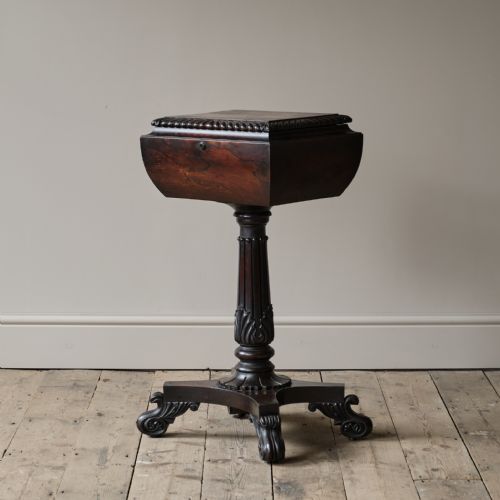
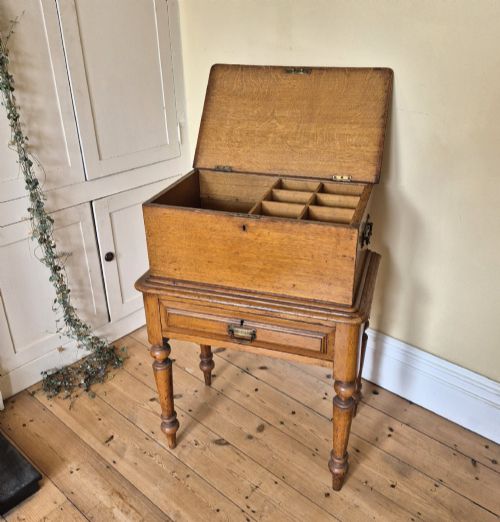
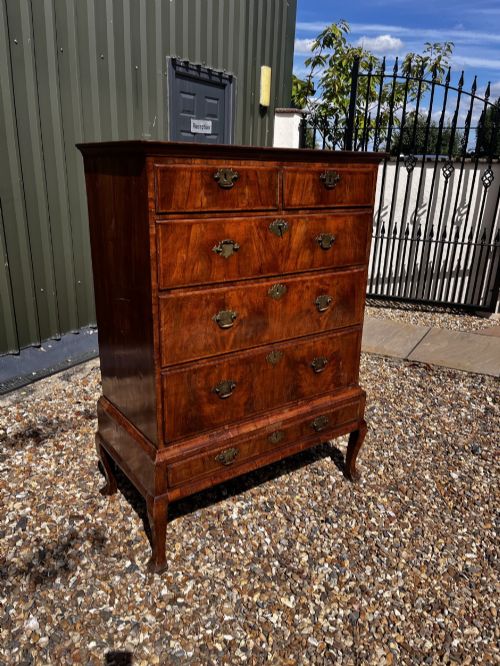
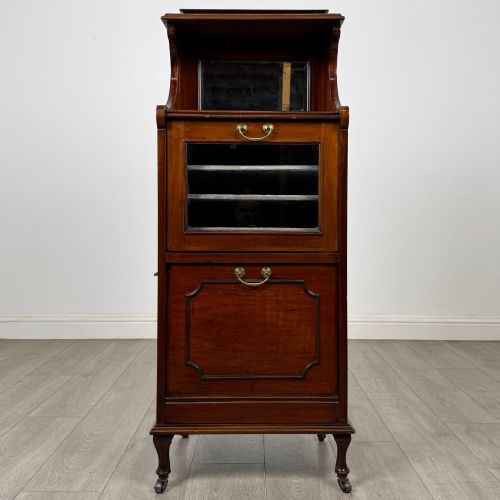
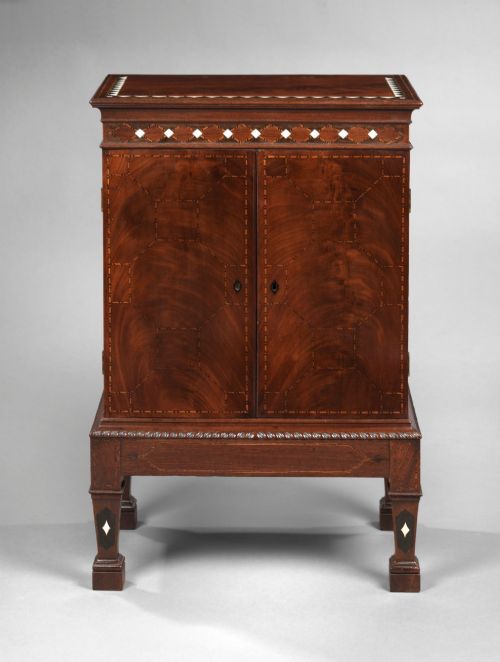
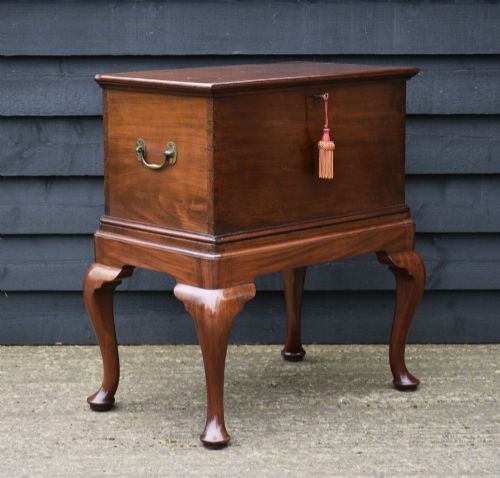
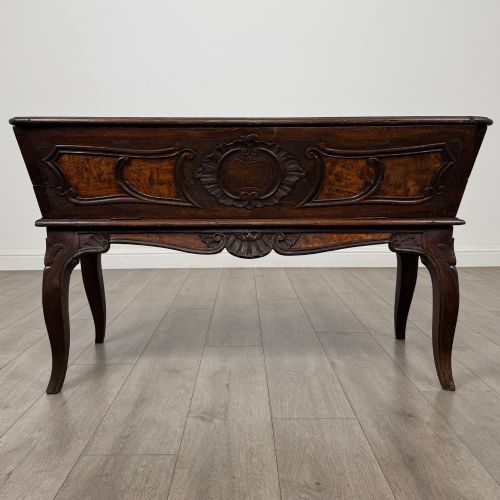
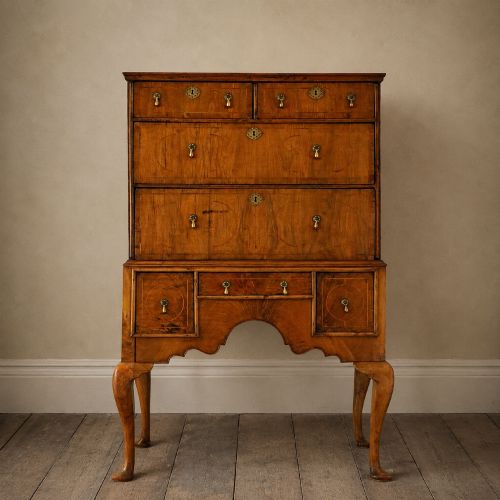
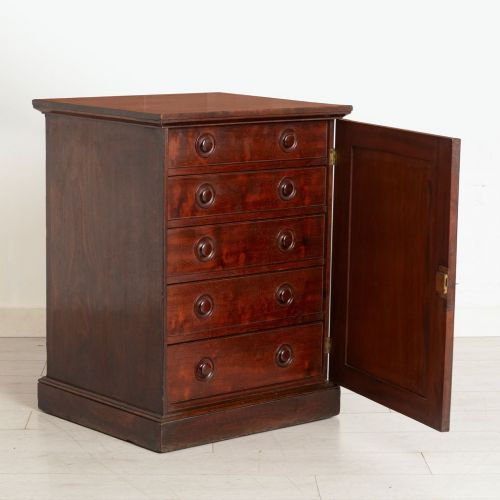
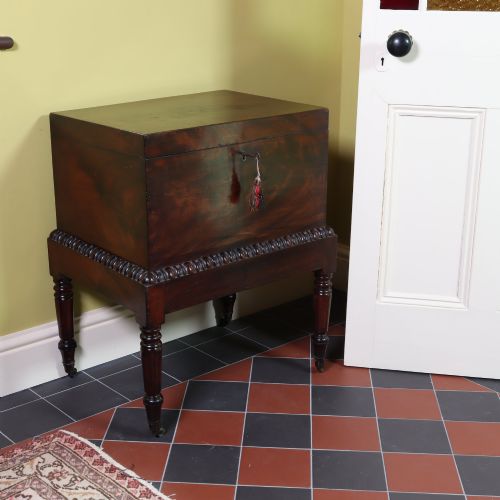
Wooden Chest on Stand
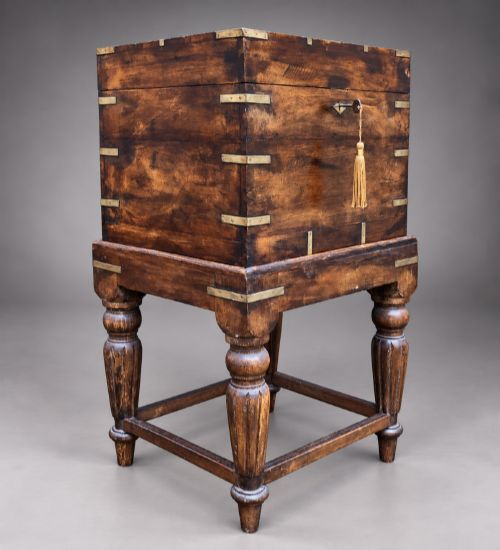
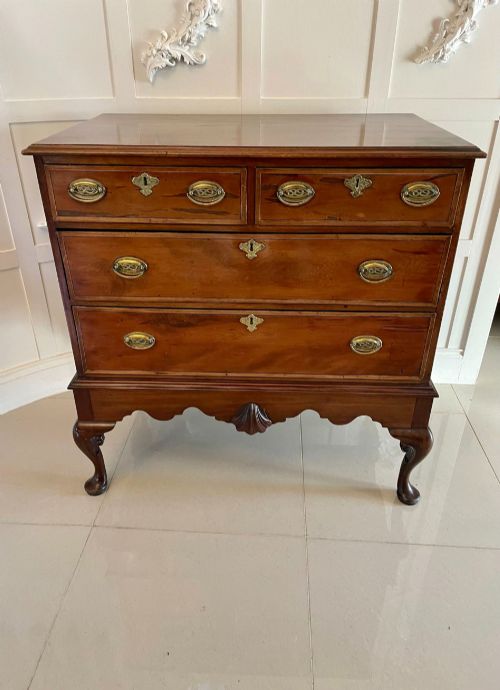
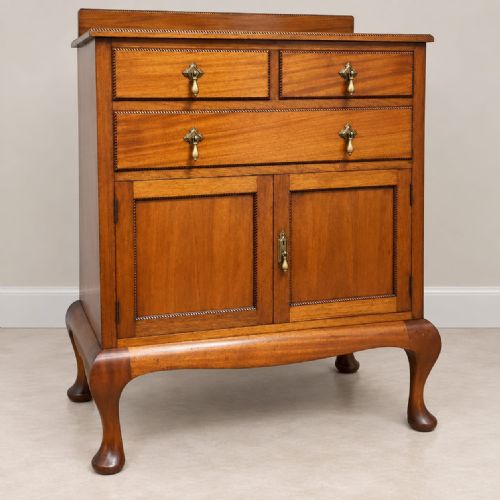
A wooden chest on stand combines a deep storage box with an elevated base, offering practical height and period charm.
Wooden Chest on Stand
When you search for a wooden chest on stand, you are looking at an elevated storage piece that combines a cabinet, coffer, or set of drawers with a raised base or legs. These forms range from early seventeenth-century walnut and oak examples to later Georgian and Edwardian iterations.
Makers historically produced these pieces to keep textiles, valuables, or documents off cold, damp floors while bringing the contents to a convenient height for daily use.
How they were made
Cabinetmakers constructed these pieces using solid timbers like oak, walnut, and mahogany, frequently applying veneers such as burr walnut or flame mahogany to the primary surfaces for visual depth.
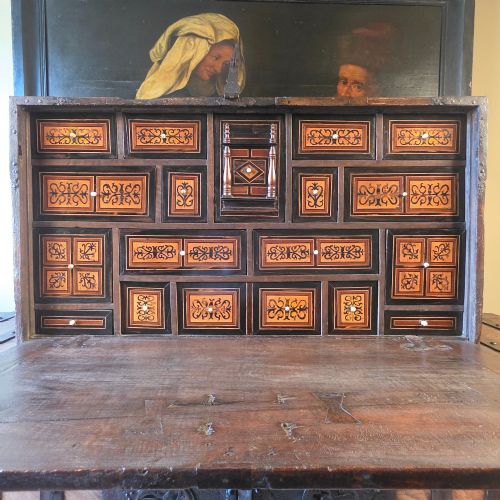
Detailing often included crossbanding, brass hardware, and intricate inlays, relying on traditional joinery to unite the upper storage box securely with its supportive stand.
Listings feature woods such as mahogany, walnut, burr walnut, oak, and teak across periods spanning the seventeenth to the twentieth century.
What varies in quality
Quality in these pieces rests upon the selection of timber, the crispness of the secondary veneers, and the harmonious proportion between the upper chest and the supporting stand.
Examples that retain their original stand and timber surfaces demonstrate superior craftsmanship compared to those altered or re-veneered in later workshops.
The Wooden Chest on Stand Glossary
- Chest on stand
- A storage box or chest of drawers elevated on a separate or integrated base with legs. This form raises the working height and lightens the visual weight of heavy timber furniture.
- Crossbanding
- A border technique where thin strips of veneer are laid perpendicular to the grain of the main panel. This frames the primary wood and adds decorative contrast.
- Cellarette
- A specialised cabinet or box designed to hold wine bottles and decanters. These often sit on stands and date from the Georgian and Regency periods.
- Marquetry
- The art of applying decorative pieces of veneer to a structure to form intricate designs. Seaweed marquetry is a notable seventeenth-century variant seen on walnut pieces.
Wooden Chest on Stand: Frequently Asked Questions
What was a wooden chest on stand used for?
These elevated pieces served multiple domestic purposes, primarily holding garments, linens, documents, or valuables in chambers and reception rooms.
Raising the storage compartment off the floor protected the contents from dampness and made daily access more convenient without bending down.
How do I date a wooden chest on stand?
Dating relies on observing timber choices, construction methods, hardware styles, and overall proportions across different historical periods.
Early pieces often utilise oak or walnut with seaweed marquetry or crossbanding, while later Georgian and Edwardian examples lean towards mahogany and simpler lines.
How do I fit one into a modern room?
Their compact footprint and elevated legs make these pieces versatile additions to hallways, living rooms, or bedrooms as statement storage.
They provide practical surface area and internal organisation while maintaining an open, airy feel beneath the main body.